

Many experts believe that China spends around $250 Billion per year on defense. Soon, the U.S. Air Force will spend far more than that in a given year, if all goes according to plan.
U.S. Air Force Seeks Massive $338 Billion Budget
The U.S. Air Force is asking Congress for one of the largest budget increases in modern service history, seeking a 38% funding jump for fiscal year 2027 as Washington tries to rebuild military readiness, buy more aircraft, and prepare for possible conflict with China, Russia, or other major adversaries.
The Department of the Air Force is requesting $338.8 billion, significantly more than current levels, arguing the money is needed to restore combat capacity after years of strain while simultaneously keeping next-generation programs alive. The request includes more fighters, bombers, tankers, munitions, training hours, personnel growth, and base defense systems.
“This is not just a budget. It is a deliberate, once in a lifetime push to supercharge our defense industrial base, sharpen our readiness and secure our air and space superiority,” Deputy Assistant of the Air Force for budget Maj. Gen. Frank R. Verdugo said during a press conference earlier this week.
The request is part of the Trump administration’s massive $1.5 trillion FY2027 budget, intended to significantly boost U.S. defense planning and procurement following years of strain on U.S. resources in Ukraine and, now, in the Middle East.
Why the Air Force Says It Needs More Money Now
For years, Air Force leaders argued they were forced to make an uncomfortable and risky trade-off: maintaining aging aircraft for current missions or retiring them and modernizing for future wars.
This budget is intended to do both. Air Force Chief of Staff Gen. Ken Wilsbach said the request will fund “readiness, modernization, and taking care of our airmen and their families,” while significantly increasing flying hours, access to spare parts and munitions, and maintenance and training.
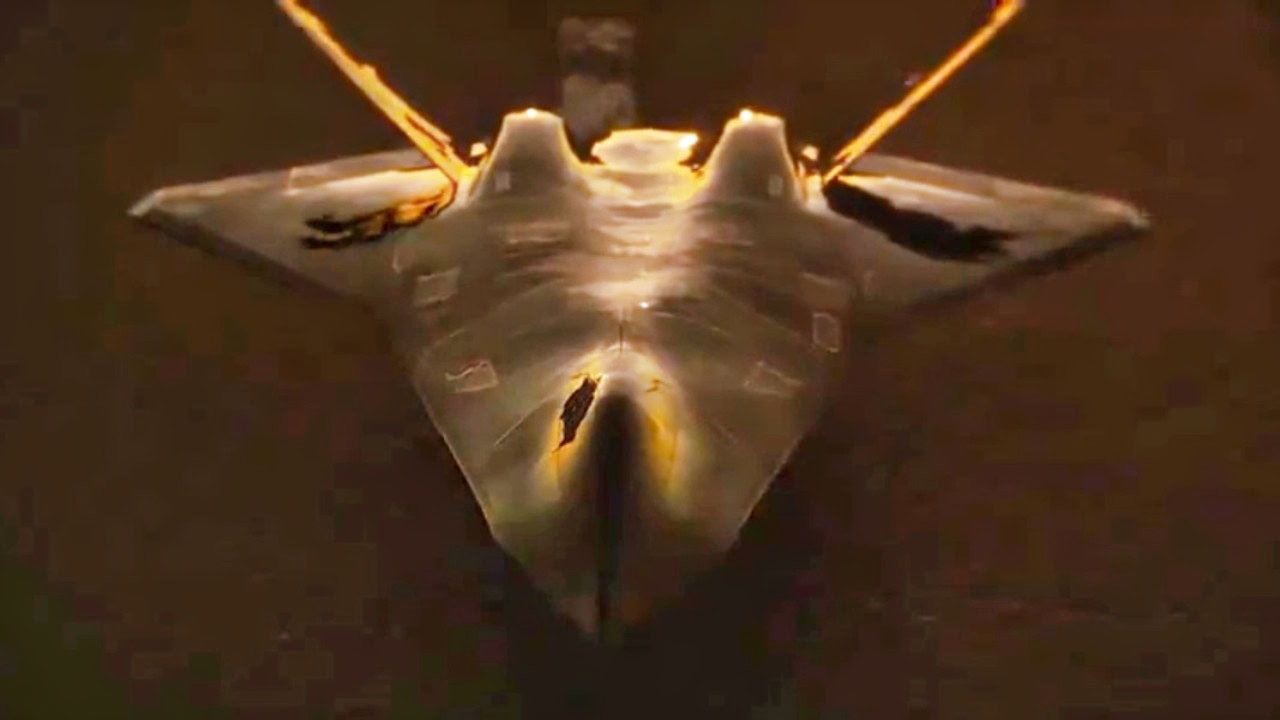
F-47 Fighter from Boeing. Image Credit: U.S. Air Force Screenshot.
All of those factors matter because the Air Force is the United States’ fastest global-response military arm.
Between its fighters, bombers, tankers, ISR aircraft, and cargo fleets, the U.S. Air Force and Navy can move to crisis zones in a matter of days – or less – and often long before large ground formations can arrive.
But the Air Force has been under pressure for some time. Recent operations against Iran have produced the most recent strain, after years of prolonged support missions connected to the war in Ukraine.
Meanwhile, rising tension in the Pacific has made it clear to the Pentagon and White House that the U.S. needs to maintain credible airpower in multiple theaters at once – and with next-generation systems still years away from being fielded in large numbers, the funding needs to arrive sooner rather than later.
The service is grappling with age; many U.S. aircraft fleets were built in the Cold War or the immediate post-Cold War period. As a result, maintenance burdens are placing additional stress on the service and its resources, lowering readiness rates over time.
Air Superiority Decides Modern Wars
The ongoing conflict in Iran is a good example of why air superiority matters.
The term refers to the control of enemy airspace sufficient to operate non-stealthy air assets and other military hardware.
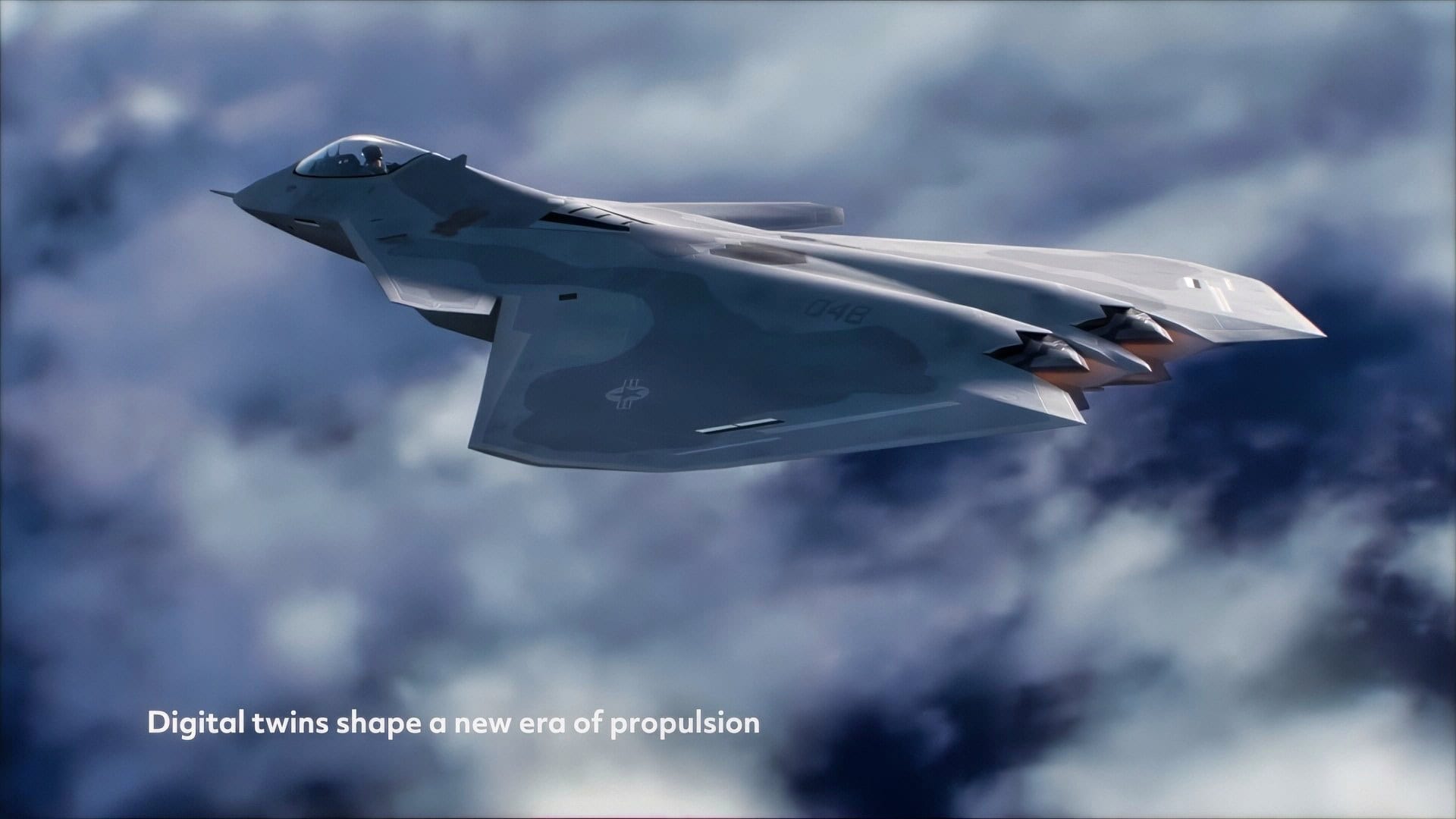
F-47 NGAD Fighter Possible Image. Image Credit: Screenshot.
Without it, almost every other military task becomes significantly harder; ground troops become more vulnerable, and naval forces face greater missile and aircraft threats. Tanker aircraft also struggle to refuel fighters.
And without a large fleet of capable aircraft, achieving air superiority is difficult.
Look at the war in Ukraine, for example. Neither side has achieved total control of the air, turning the conflict into a brutal attritional fight dominated by artillery, drones, trenches, and missile strikes. In Iran, however, the U.S. has virtual control of Iranian airspace.
A future war with China would be even more demanding. Beijing has expanded its arsenal of long-range missiles and modern fighters, integrated air defenses, and designed new space-based sensors to push U.S. aircraft farther from the battlefield.
What the Air Force Is Seeking
The procurement section of the request shows what aircraft the Air Force believes it needs now. The budget seeks $7.4 billion for 38 F-35A fighters, the stealth multirole aircraft that now forms the backbone of U.S. tactical airpower. It also requests $3.9 billion for 15 KC-46A Pegasus tankers, which are critical for extending fighter and bomber range across the Pacific.
The Air Force also wants $7 billion for the B-21 Raider, its next-generation stealth bomber intended to penetrate advanced defenses and conduct long-range conventional and nuclear missions.
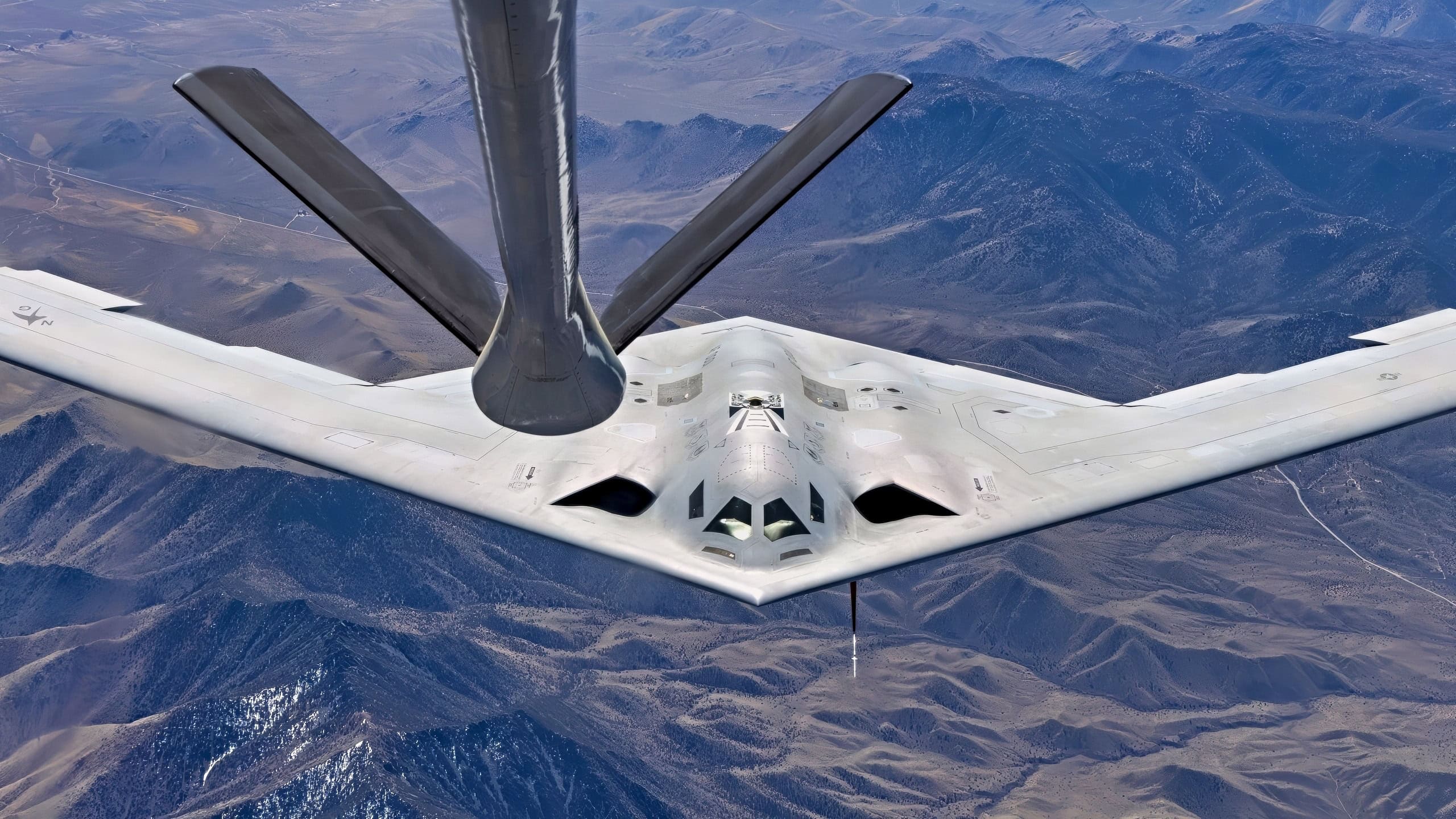
B-21 Raider. Image Credit: U.S. Air Force.
Another $3 billion would accelerate development of the F-47, the service’s future sixth-generation fighter. Meanwhile, $2.7 billion is requested for Collaborative Combat Aircraft, semi-autonomous drones designed to fly alongside crewed jets.
Those unmanned systems are increasingly important in the wake of the conflict in Ukraine and combat in the Middle East, which have shown how cheap drones can destroy expensive platforms and overwhelm defenses. In short, the new funding request is designed to modernize the service to prepare for future warfare.
About the Author: Jack Buckby
Jack Buckby is a British researcher and analyst specializing in defense and national security, based in New York. His work focuses on military capability, procurement, and strategic competition, producing and editing analysis for policy and defense audiences. He brings extensive editorial experience, with a career output spanning over 1,000 articles at 19FortyFive and National Security Journal, and has previously authored books and papers on extremism and deradicalization.