

Key Points and Summary: The U.S. Army has released teaser images of the M1E3 Abrams prototype, signaling a major shift from previous incremental upgrades such as the cancelled SEPv4. Scheduled for trials this year following a December 2025 delivery, the M1E3 focuses on weight reduction, active protection systems, and an open digital architecture designed for 2040s warfare. Meanwhile, legacy M1A1 and M1A2 models will not be scrapped but likely upgraded to the SEPv3 standard, ensuring the Abrams platform remains the backbone of the Army’s armored fleet until the 2050s.
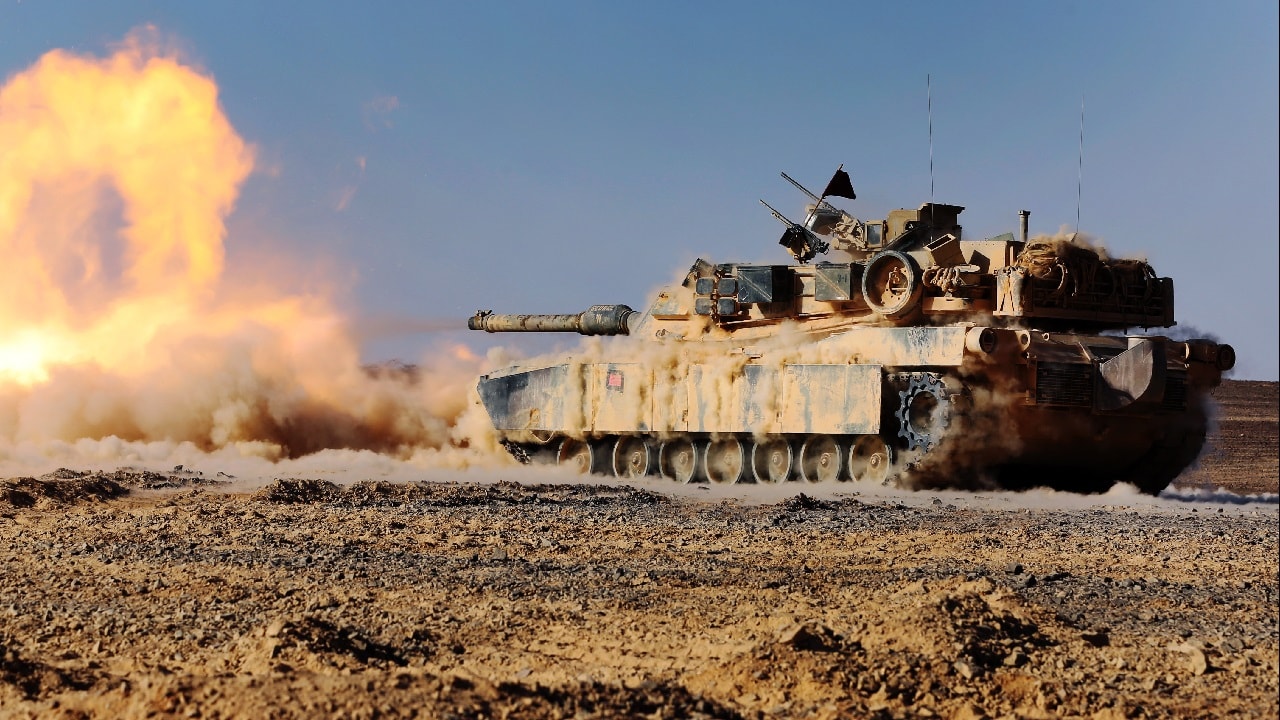
(U.S. Marine Corps photo by Sgt. Devin Nichols/Released)
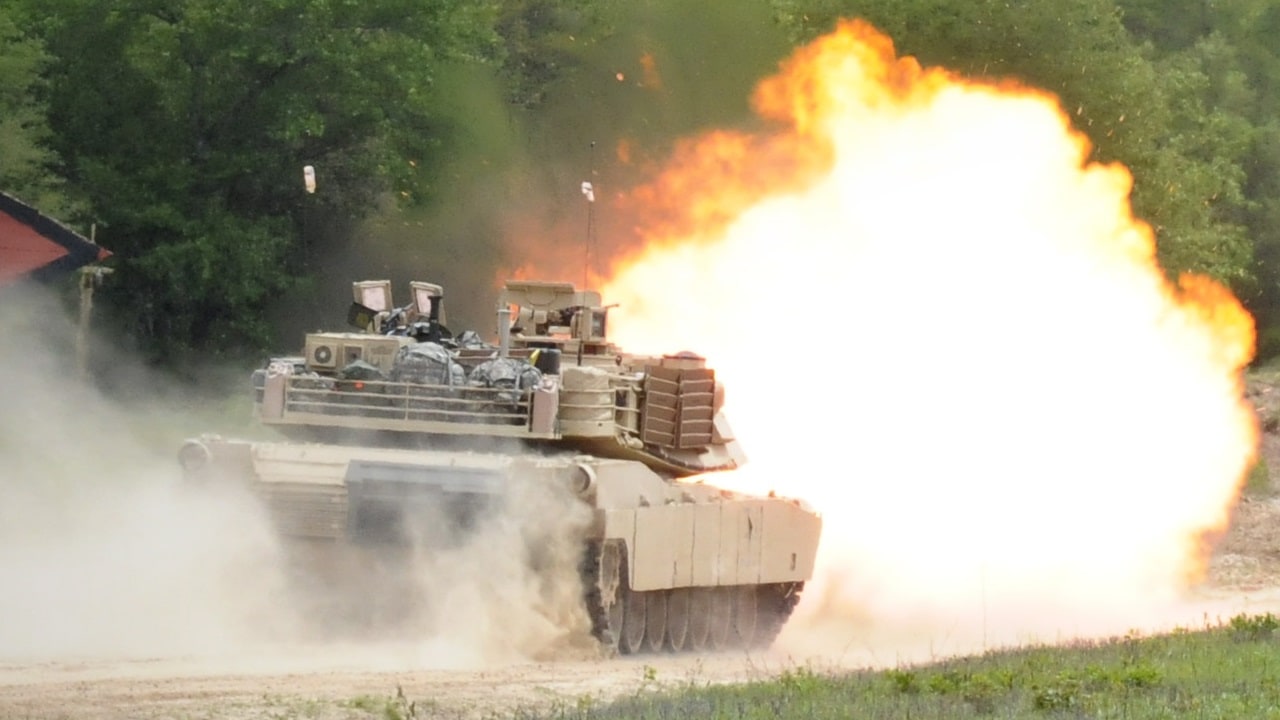
M1 Abrams Tank like in Ukraine. Image Credit: Creative Commons.
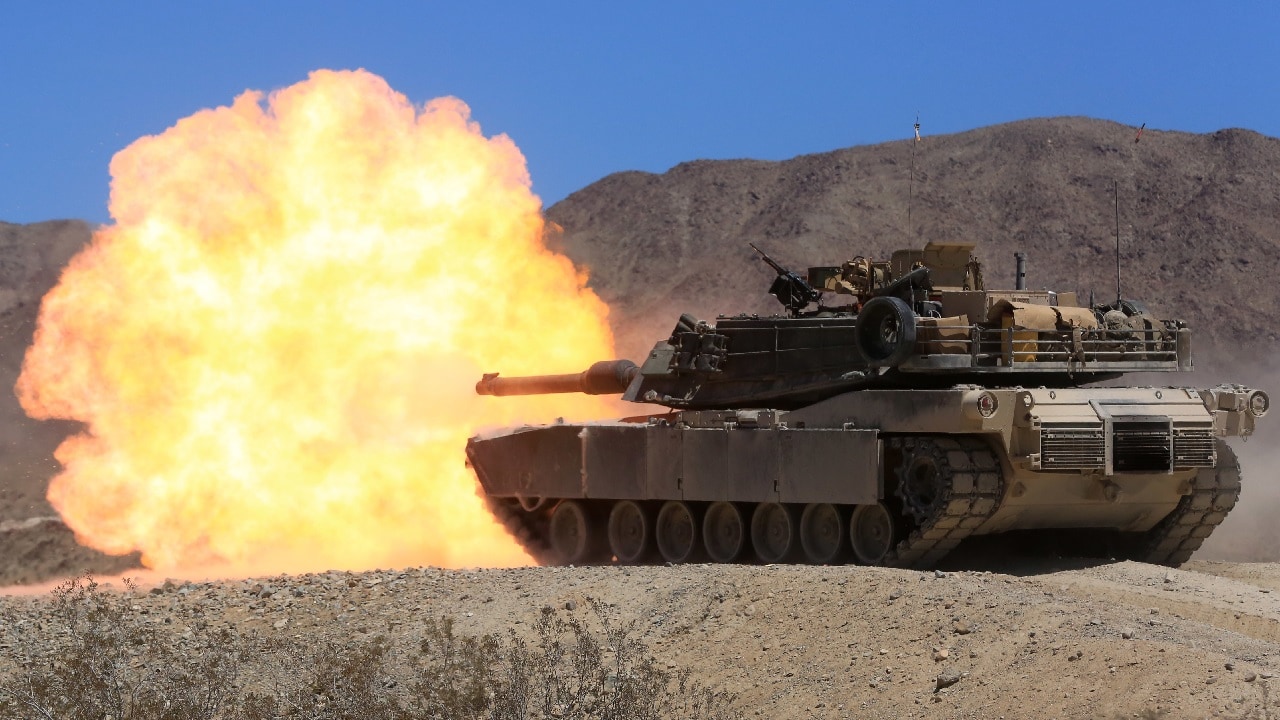
M1 Abrams Tank
What Happens to Old Abrams? As M1E3 Arrives, Army Likely Plans to Upgrade M1A2 Fleet for Decades of Use
The U.S. Army has recently released a few teaser images of the earliest prototype of the upcoming M1E3 Abrams main battle tank, which is expected to be the newest variant of the Abrams.
While details are currently sparse, the M1E3 is expected to enter trials this year, after which decisions will be made about its future.
The E3 is likely to pass all of its trials and be accepted as the U.S. Army’s next-generation tank.
However, if the new tank is accepted into service, what will become of the older Abrams models?
Despite being a design from the 1970s, the M1 Abrams remains relevant in modern combat (yes, even despite the tank’s poor performance in Ukraine) thanks to its high survivability, lethal firepower, and exceptional maneuverability.
Evolution of the M1 Abrams Tank
From the beginning, the Abrams emphasized crew protection. Its composite armor, advanced even by today’s standards, was designed to defeat both kinetic penetrators and shaped-charge munitions.
Ammunition was stored in a separate compartment with blow-off panels to direct an explosion away from the crew, dramatically increasing survivability compared to earlier tanks. The Abrams also introduced a fully computerized fire-control system that allowed accurate firing while moving at speed, day or night, in poor visibility. These capabilities gave it a generational advantage over many contemporaries.
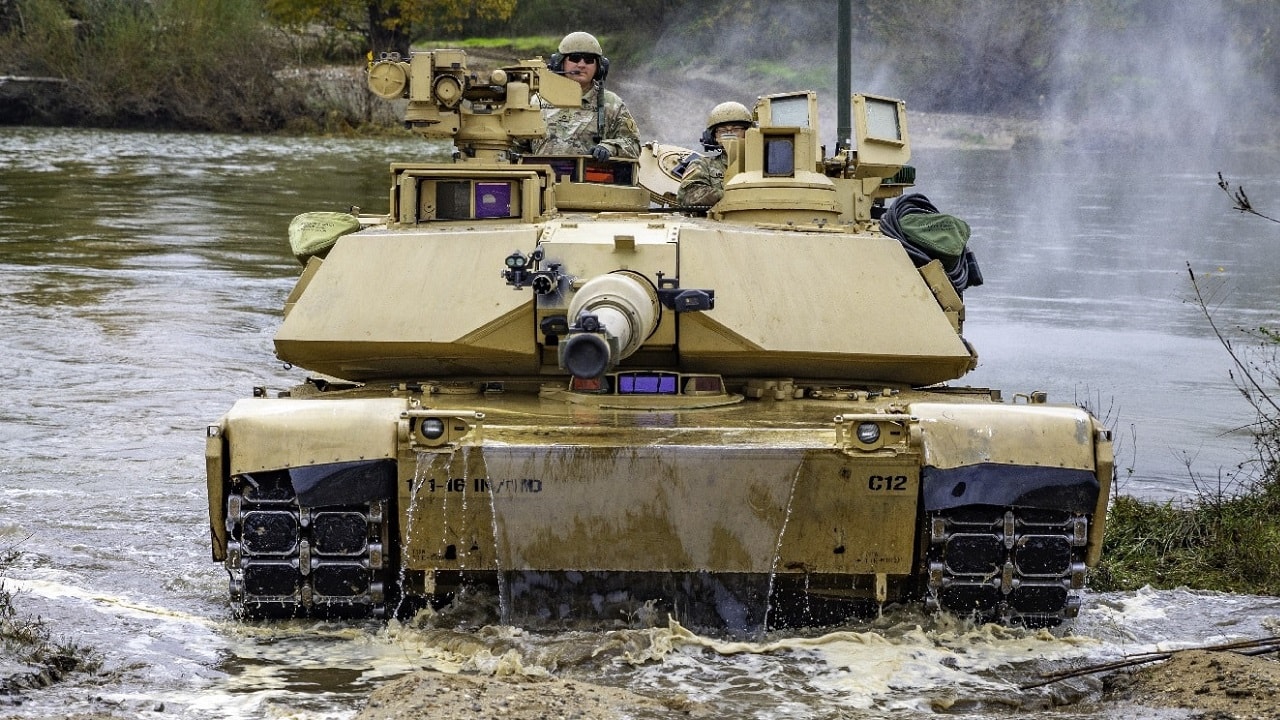
M1 Abrams Tank. Image Credit: Creative Commons.
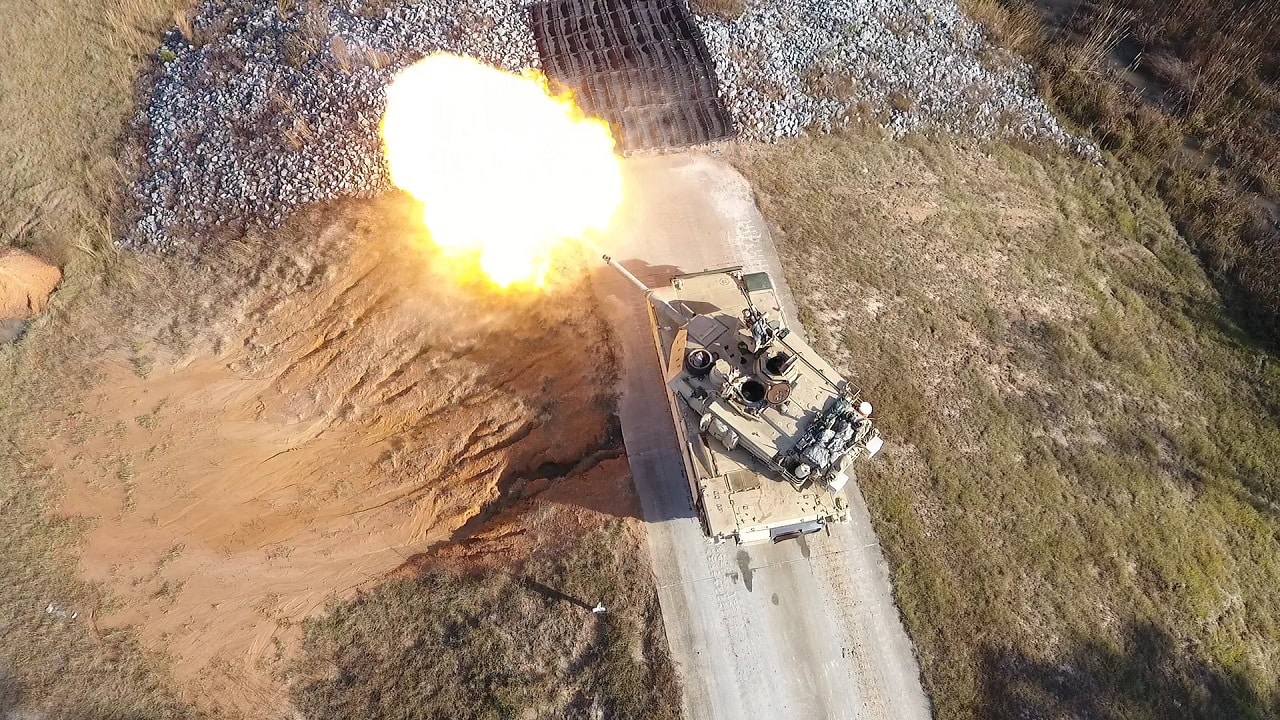
Aerial drone image of an M1A2 Abrams Main Battle Tank crew, from the 1st Armor Brigade Combat Team, 3rd Infantry Division, conducting Table VI Gunnery at Fort Stewart, Ga. December 6, 2016.
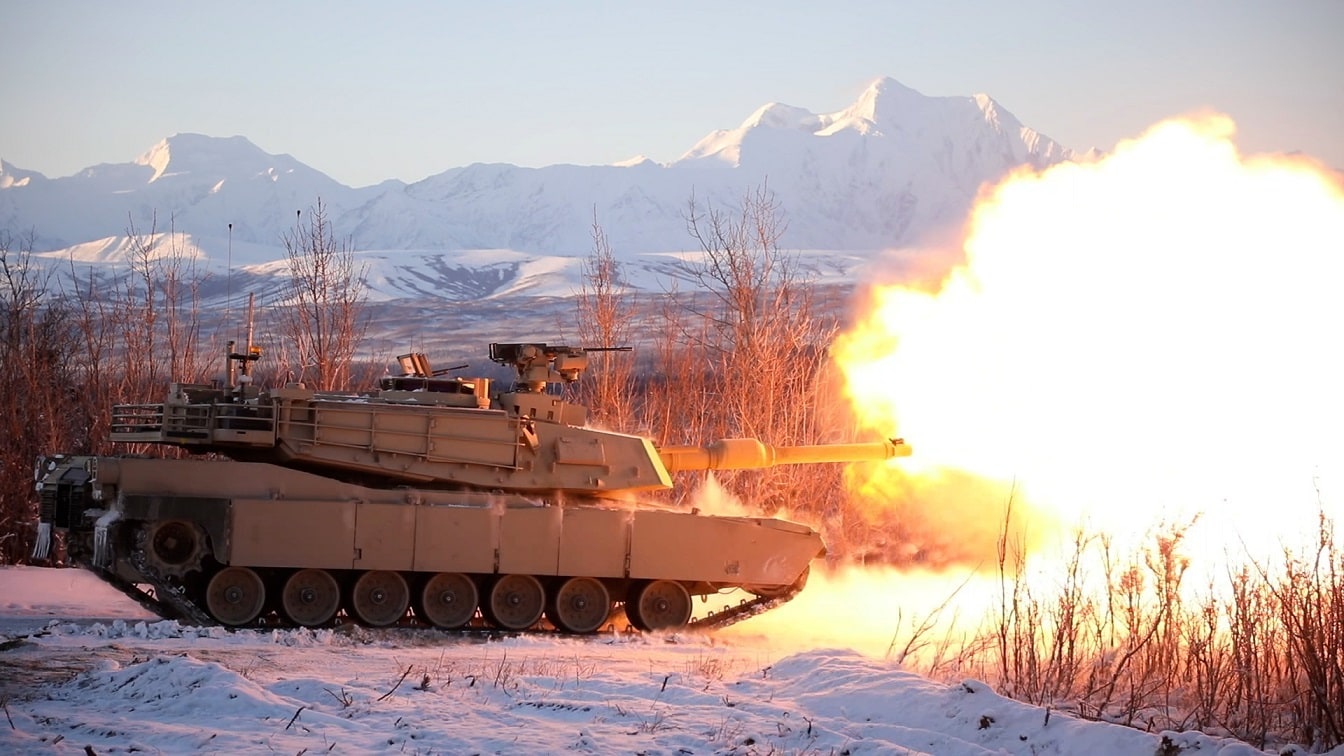
Since testing at U.S. Army Cold Regions Test Center, the Department of Defense’s lone extreme cold natural environment testing facility, began in January 2020, the M1A2 System Enhancement Package version 3 main battle tank was driven more than 2,000 miles in rugged conditions across three seasons of sub-Arctic weather, fired hundreds of rounds for accuracy in extreme cold, and underwent testing of its auxiliary power unit.
Though the platform was extensively tested at U.S. Army Yuma Test Center prior to being put through its paces in Alaska, the sub-zero temperatures brought forth glitches that would have been unimaginable in the desert.
The Abrams’ evolution has been marked by steady, meaningful improvement rather than radical replacement. Early versions of the M1 were armed with a 105-millimeter gun, but battlefield experience and advances in armor led to the adoption of a 120-millimeter smoothbore cannon in the M1A1 variant.
The later M1A2 introduced a commander’s independent thermal viewer and expanded digital networking, significantly improving situational awareness and command effectiveness. By the time of the M1A2’s widespread fielding, the Abrams had become less a standalone vehicle and more a node in a networked battlefield system.
Rather than developing a new tank after the Cold War, the U.S. Army chose to continually modernize the Abrams through what became known as System Enhancement Packages.
This approach acknowledged that the basic physical platform still had substantial growth potential, particularly in electronics, sensors, and protection systems. Successive SEP upgrades improved thermal sights, digital architecture, armor composition, and internal power generation. By the time the M1A2 SEPv3 entered service in 2020, the Abrams had little in common internally with the original tanks of the 1980s beyond chassis layout and crew arrangement.
From M1 to M1E3
These lessons directly influenced one of the most significant decisions in the Abrams’ history. The Army had planned a further incremental improvement known as SEPv4, but by 2023, leaders concluded that the tank could no longer grow through add-ons alone.
Instead of continuing down a path of ever-increasing mass, the Army cancelled SEPv4 and launched a broader modernization effort known as the M1E3 program. This was not an abandonment of the Abrams concept but a recognition that the platform needed structural and philosophical renewal.
The M1E3 represents a shift from bolted-on upgrades to an integrated design.
Its goals include reduced weight, greater power efficiency, improved survivability against modern threats, and a fully open digital architecture that allows rapid software and sensor updates. Rather than relying solely on armor thickness, the M1E3 emphasizes active protection systems, electronic warfare integration, and internal design optimization. An early prototype was delivered in December 2025, with tests planned to begin sometime this year.
Crucially, the M1E3 is intended to keep the Abrams relevant on the battlefield of the 2040s and beyond. Army leadership has stated that the new configuration is designed specifically for future high-intensity warfare against technologically sophisticated adversaries.
This alone provides a clear answer to the question of how long the Abrams will remain in service. Official planning documents, public statements, and ongoing investment all point to at least another two to three decades of operational use.
Why the Abrams isn’t Going Anywhere (Yet)
Since the M1E3 is a more radical overhaul of the Abrams platform, it is unlikely that older Abrams variants will be converted into the new E3 standard, opting instead for new ones built from the ground up.
What then will happen to the older variants?
Older variants, such as the M1A1, will likely be gradually modernized to the M1A2 SEPv3 standard. Contrary to some belief, the M1A2 is far from obsolete.
Incorporating the latest fire-control systems and situational-awareness upgrades, the SEPv3 retains the advanced armor, mobility, and firepower of its earlier variants while also giving its crew a full picture of the battlefield.
The older Abrams models will likely be upgraded to the SEPv3 standard, where they will remain in service for some time.
As of yet, the Army has made no plans to phase out older models, meaning the M1A2 will likely remain in service until the 2050s, when it will either be modernized again or sold for scrap. For the time being, however, the Abrams will remain the backbone of the U.S. Army’s tank fleet until a new tank can replace it.
About the Author: Isaac Seitz
Isaac Seitz, a Defense Columnist, graduated from Patrick Henry College’s Strategic Intelligence and National Security program. He has also studied Russian at Middlebury Language Schools and has worked as an intelligence Analyst in the private sector.