
The U.S. Military Assembles Largest Air Force in Nearly 23 Years, Trump Issues Ultimatum to Iran Again
The new round of negotiations between the U.S. and Iran has ended, but the situation has not shown any signs of easing. The U.S. side's "timeline" continues to tighten, with military deployments and political pressure advancing in tandem; Israel claims it is "prepared for any situation"; while Iran states that negotiations and preparations for war are proceeding simultaneously, strengthening defenses and conducting military exercises.
As tensions rise, U.S. President Trump set a "final deadline" on the 19th, stating that whether the U.S. and Iran can reach an agreement will be clear "in about ten days." Whether to negotiate or to strike remains uncertain.
The U.S. continues to shorten the "timeline"
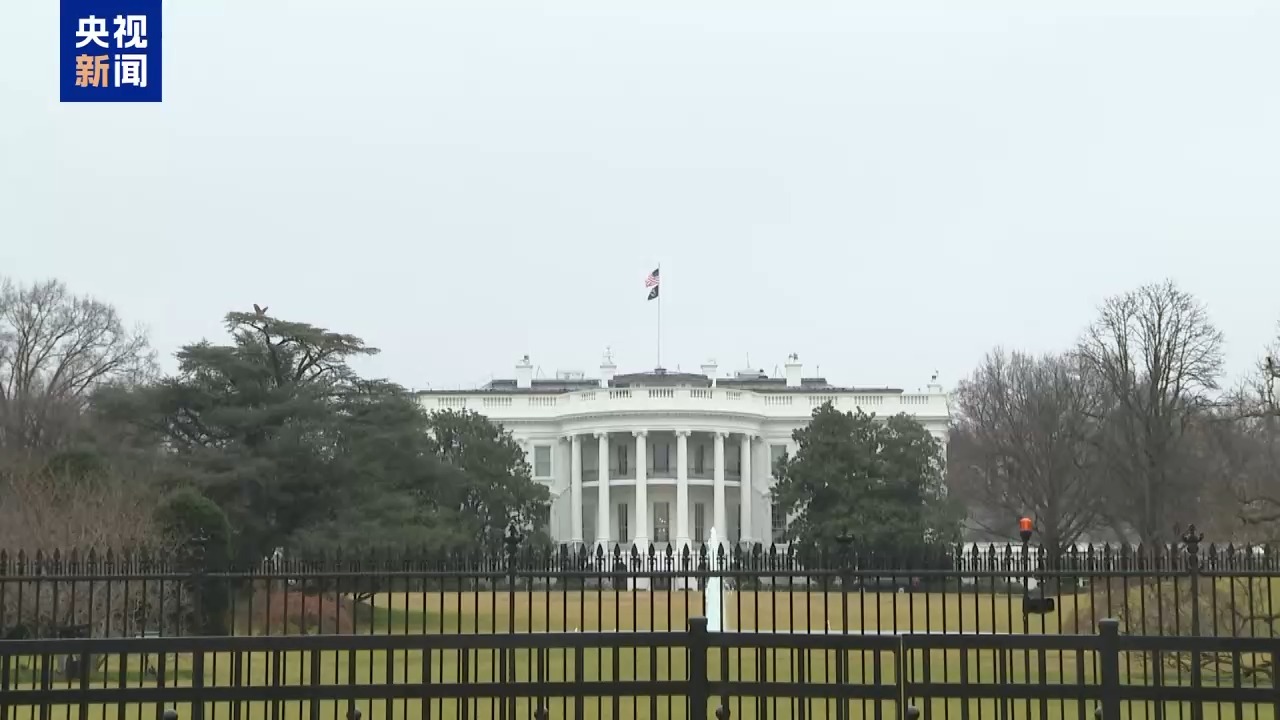
"Before mid-March"
On the 18th, a senior U.S. official stated that President Trump's National Security Advisor discussed the Iran issue during a meeting in the White House Situation Room, and all U.S. military forces involved in the Middle East military buildup should be deployed by mid-March.
"In about ten days"
On the 19th, Trump stated at a so-called "Peace Committee" meeting that he expects to know in about ten days whether an agreement can be reached with Iran. He said it is time for Iran to join the "path to peace." He reiterated that Iran must reach a "meaningful agreement" with the U.S., or else "bad things will happen." He also mentioned that the U.S. has ordered 22 upgraded B-2 bombers.
On the same day, Trump also stated in an interview that Iran has 10 to 15 days to reach an agreement, saying, "I think that should be enough." When asked about potential targets for military action, Trump replied, "I won't talk to you about that. We will either reach an agreement, or it will be unfortunate for them." Other reports indicate that Iran has a maximum of 15 days to reach an agreement with the U.S. on its nuclear program and other issues, with Trump hinting that if Iran does not do so, the U.S. will launch an attack against it.
"This weekend"
Insiders revealed on the 18th that the U.S. military is prepared for "military strikes against Iran as early as this weekend," but Trump has not yet made a final decision. Insiders stated that senior U.S. national security officials have informed Trump that the military is ready to strike Iran as early as the 21st of this month.
U.S. military gathers in the Middle East
Israel issues new threats
According to U.S. reports on the 18th, increasing evidence suggests that U.S. military action against Iran is "imminent," and if the U.S. launches military action against Iran, it is likely to be a large-scale operation lasting several weeks. The U.S. and Israel are likely to conduct joint operations, which will be much larger in scale than the "War of the 12th" in June last year.
U.S. deploys dual aircraft carriers and hundreds of fighter jets
It is reported that the U.S. military has deployed multiple destroyers and littoral combat ships near the Red Sea, Persian Gulf, and Strait of Hormuz; in the northern Arabian Sea, the "Abraham Lincoln" carrier strike group includes F-35C Lightning II fighter jets. The "Ford" carrier strike group is expected to arrive as early as this weekend.
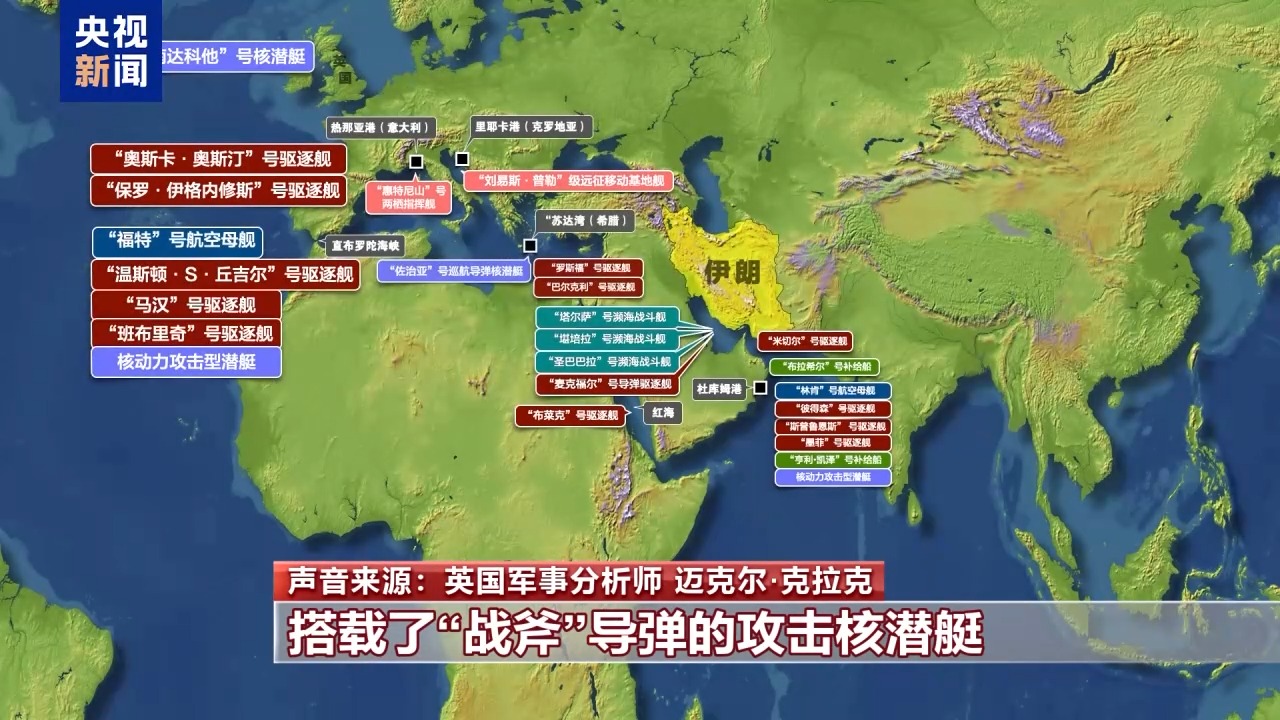
In addition to naval forces, the U.S. Wall Street Journal reports that the U.S. military has gathered the largest aerial force in the Middle East since the 2003 Iraq War. According to disclosed data, the U.S. has deployed at least 36 F-16 fighter jets, 12 F-22 fighter jets, and over 60 F-35 fighter jets in the Middle East. Additionally, the deployment of support aircraft, including KC-135 and KC-46A, has exceeded 40.
U.S. officials stated that the current configuration can support sustained airstrikes against Iran for several weeks. Reports specifically noted that at least six E-3 AWACS aircraft have recently been deployed from the U.S. mainland to the UK and Germany, which are typically considered a precursor to U.S. military action.
Israel: "Prepared for any situation"
Israeli Prime Minister Netanyahu stated on the 19th that Israel is "prepared for any situation." If Iran launches missiles at Israel, "it will face unimaginable consequences." Netanyahu emphasized that Israel is "working side by side" with its main ally, the U.S., to address the threat from Iran. He also stated that Israel's security policy is no longer limited to "containing" threats but has shifted to proactively striking abroad.
Iran: Negotiations and preparations for war proceed simultaneously
In the face of escalating military pressure, Iran is simultaneously advancing military exercises and reinforcing defensive structures.
On the morning of the 19th local time, Iran and Russia launched joint naval exercises in the Sea of Oman and the northern Indian Ocean; previously, from the 16th to the 17th, Iranian armed forces conducted live-fire exercises in the Strait of Hormuz. The commander of the Iranian Islamic Revolutionary Guard Corps Navy clearly stated that they are ready to block the Strait of Hormuz at any time upon command.
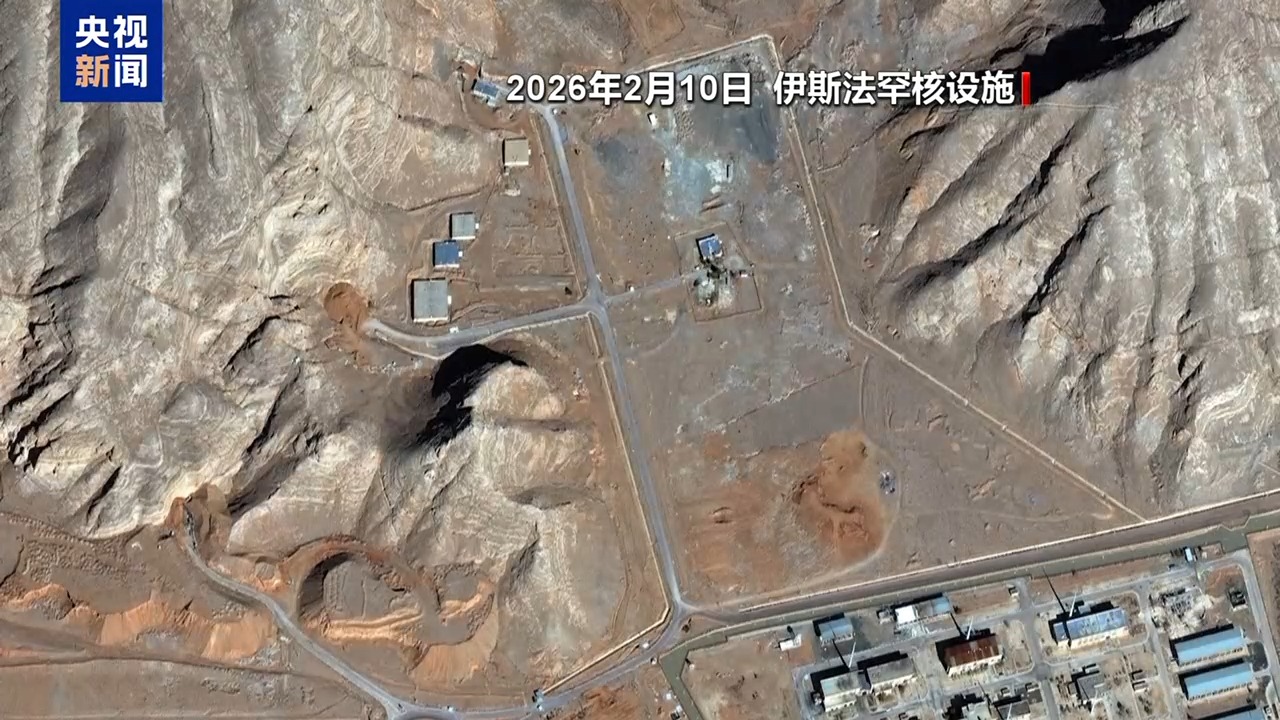
Additionally, experts from the U.S. think tank Science and International Security analyzed satellite images and found that Iran is reinforcing several sensitive facilities: some facilities at the Parchin military site have been covered with a layer of concrete and dirt; three tunnel entrances at the Isfahan nuclear facility have been buried; and an entrance to a facility near the Natanz nuclear site has also been reinforced.
Iranian government spokesperson Fatima Mohajerani stated on the 18th that negotiations and preparations for war are two complementary strategies to protect Iran's interests, and that the Iranian defense forces have entered a state of full combat readiness.
Experts: Two factors have led to a sudden escalation of tensions
New Year's University of Ningxia's Institute of Chinese-Arab Studies Executive Director Niu Xinchun analyzed that the sudden escalation of the situation is mainly due to two factors.
First, negotiations have not achieved substantial breakthroughs. Although the U.S. and Iran have recently held two rounds of negotiations, and both sides have stated after the meetings that they have made some progress and are willing to continue contact, they have not been able to make concessions on core issues. This situation is highly similar to the state of affairs before Israel's military strike against Iran in June 2025—at that time, both sides went through five rounds of talks, each claiming progress, but ultimately failed to reach any agreement, leading to military conflict. Niu Xinchun pointed out that according to the U.S. policy logic of "talk if possible, strike if not," the stagnation of negotiations will naturally raise the voices for military options.
Second, military deployments are nearing completion. Niu Xinchun stated that the U.S. military could be ready to strike as early as this Saturday, as the second aircraft carrier strike group will arrive in the Middle East by then. However, whether to take action ultimately depends on Trump's decision.
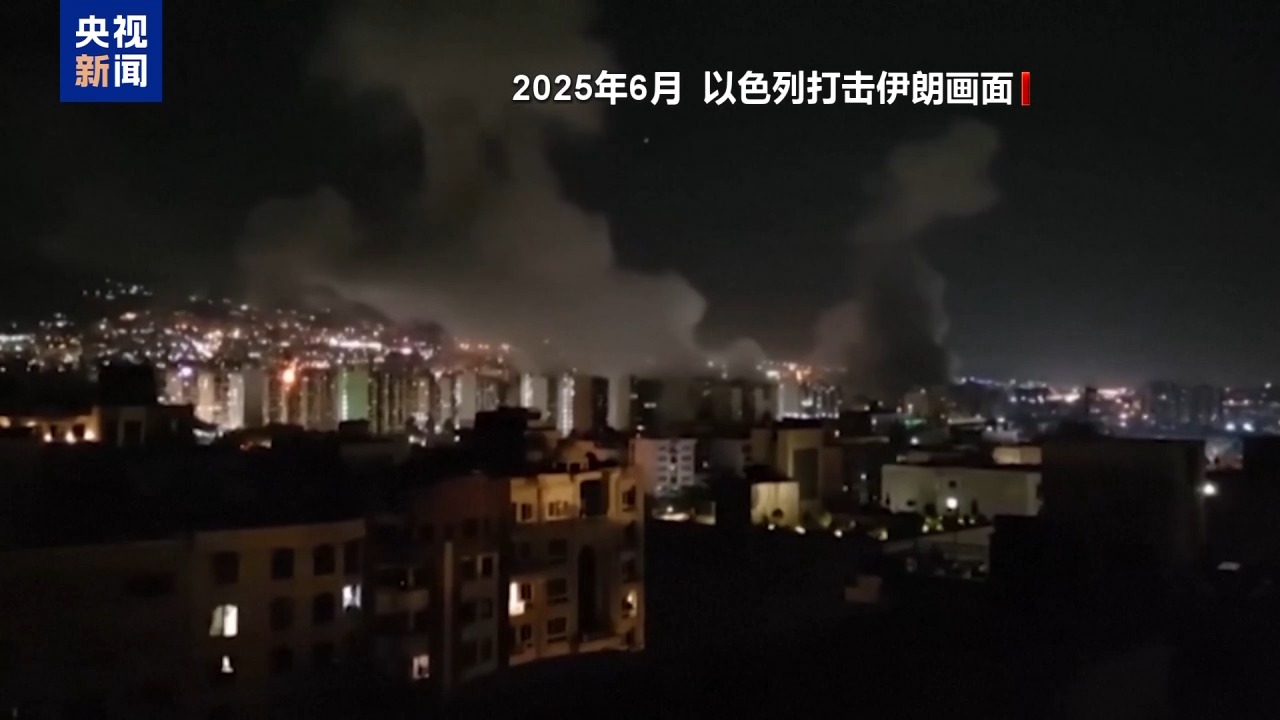
Niu Xinchun further pointed out that if the U.S. chooses to use force this time, the biggest difference from the "War of the 12th" in 2025 is that the targets of the strikes are unclear. He analyzed that the targets of the last military action were very clear—destroying Iran's nuclear facilities—so the methods of operation and targets were relatively straightforward. However, this time, the U.S. statements have been somewhat chaotic: initially stating they wanted to "punish" Iran for crossing the U.S. "red line" during domestic unrest, then mentioning "regime change," and recently saying they want to pressure Iran through military strikes to "substantially destroy" Iran's missile and nuclear capabilities. What the U.S. considers the main target remains unclear to this day.
Reporters丨Wu Hanying, Liu Xiaoqian, Liang Hui
The U.S. military is preparing for potential airstrikes against Iran, with significant air power deployed in the Red Sea, Persian Gulf, and North Arabian Sea. President Trump has set a ten-day deadline for Iran to reach a meaningful agreement, or face consequences. Israel has stated it is ready for any situation, while Iran is simultaneously conducting military exercises and reinforcing its defenses. The situation remains tense as military readiness increases on both sides.
- U.S. military has deployed the largest air force presence in the Middle East since the 2003 Iraq War.
- Trump has set a deadline for Iran to reach an agreement within ten days or face military action.
- Israel is prepared for any situation regarding Iran's missile threats.
- Iran is conducting military exercises and reinforcing its defenses in response to U.S. pressure.
- U.S. military action could involve a large-scale operation in coordination with Israel.