
The U.S. Reportedly Delays Action Against Iran Due to Multiple Concerns
According to news from the U.S. on the 26th, several American officials revealed that during a meeting on the 24th with senior aides and cabinet officials to discuss expanding military actions against Iran, President Trump faced concerns and opposition from Vice President Pence, Chairman of the Joint Chiefs of Staff Gen. Mark Milley, and most of his staff. After the meeting, Trump decided not to resume large-scale strikes against Iran. Many officials are worried that resuming large-scale strikes against Iran will further deplete the already strained ammunition stockpiles of the U.S. military.
It was revealed that the core topic of the meeting on the 24th was the ongoing depletion of the U.S. military's inventory of "Patriot" air defense system interceptors and other air defense weapons. Gen. Milley warned that if large-scale strikes against Iran were to occur again, the number of "Patriot" interceptors available to U.S. forces in the Middle East would be critically low. Other sources indicated that Vice President Pence expressed concerns about large-scale strikes against Iran during the meeting. A senior government official mentioned that Iranian ballistic missiles recently breached U.S. air defense systems, resulting in the deaths of three U.S. soldiers stationed in Jordan.
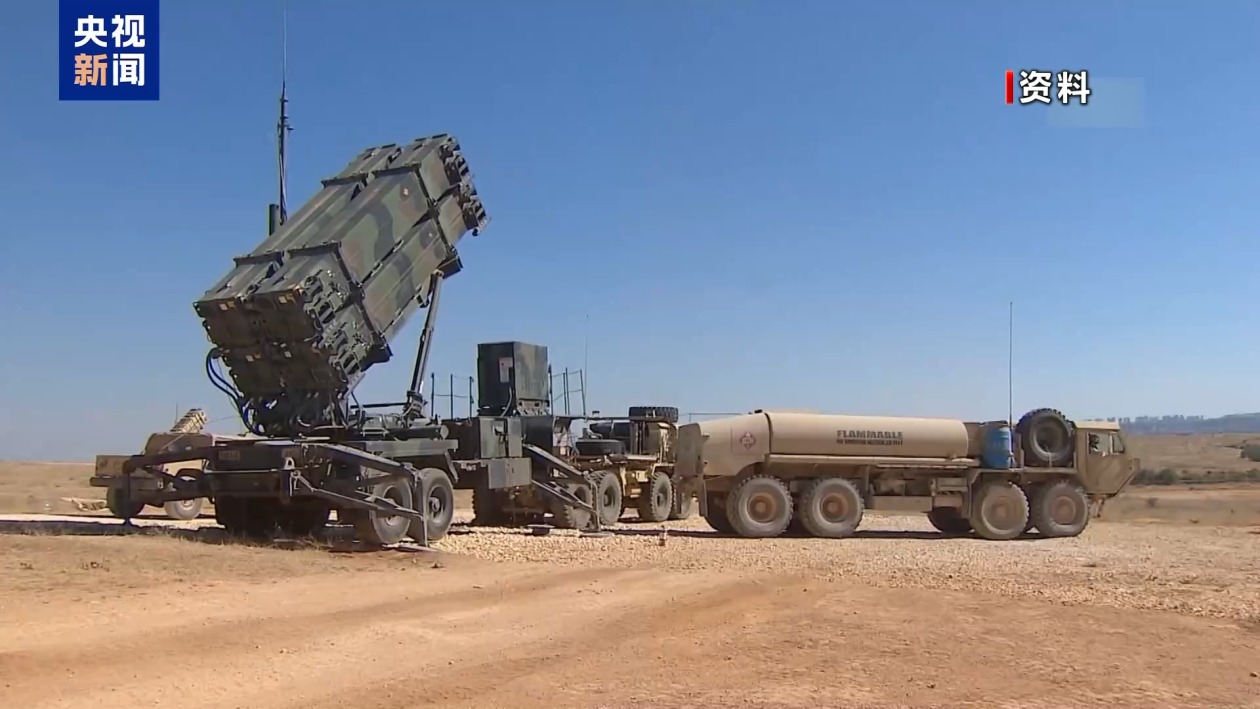
The New York Times reported at the end of April that the U.S. military has already consumed over 1,200 "Patriot" interceptors in the conflict with Iran, with each costing over $4 million, and that its inventory has dropped to a "concerning level." Other U.S. media have also disclosed that the consumption of the U.S. military's main weapon ammunition stockpiles is high and replenishment is slow.
Trump's advisory team is concerned that resuming large-scale strikes against Iran would inevitably provoke severe retaliation, putting immense pressure on U.S. air defense systems in the Middle East. They suggested that negotiations with Iran should continue. One U.S. official stated that almost no one on Trump's team believes that launching large-scale strikes against Iran would be a wise move. An anonymous senior official believes that launching large-scale strikes against Iran again would not force it back to the negotiating table, but would only unify Iran further in its external stance. Other officials worry that expanding military actions against Iran could ignite conflict in a larger region of the Middle East, and key regional allies vulnerable to Iranian retaliation would oppose it, leading to energy and refugee crises that could impact the global economy.
U.S. officials, including President Trump, decided against resuming large-scale military strikes against Iran during a meeting on April 24, 2023, due to concerns over ammunition depletion and potential retaliation. The U.S. has already used over 1200 Patriot missiles in the conflict, leading to worries about the readiness of U.S. forces in the Middle East. Discussions emphasized the need for continued negotiations with Iran instead of military escalation.
- U.S. officials expressed concerns about resuming large-scale strikes against Iran.
- The U.S. has depleted over 1200 Patriot missiles in the conflict with Iran.
- Concerns were raised about the potential for Iranian retaliation and regional instability.