
Three-Level Joint Training! Breaking Through the "Lifeline" of Battlefield Rescue
Close to Real Combat Training
Focusing on Winning with Strong Capabilities
Late August
79th Group Army
At a certain field training ground in southern Liaoning
Organized military, brigade, and battalion-level medical support forces
For practical combat training and assessment
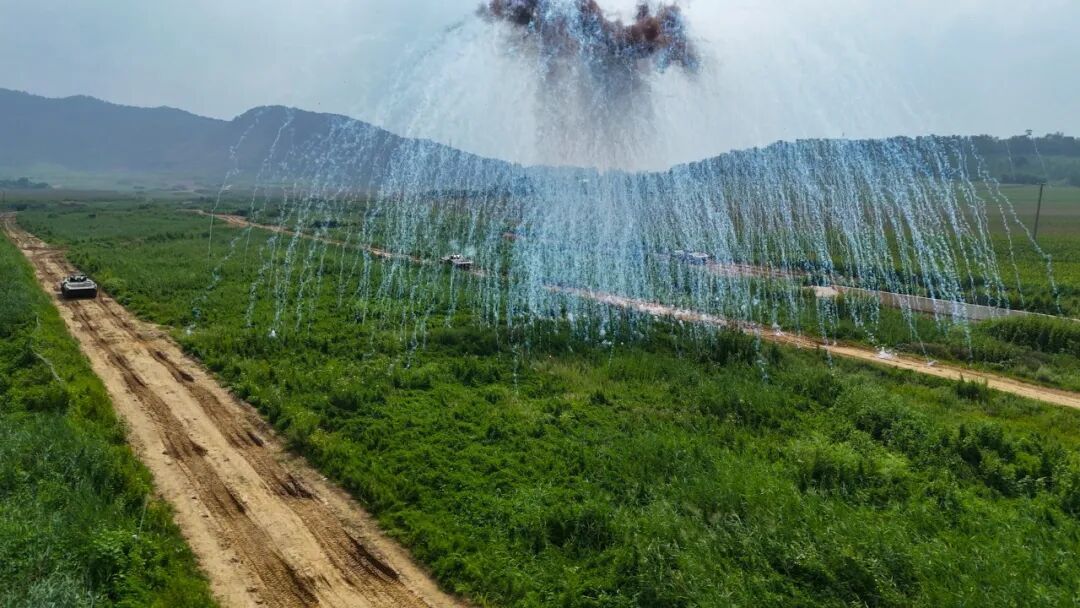
This assessment
Takes battlefield emergency medical support
As the core topic
Actively exploring
Cooperative rescue modes with manned and unmanned systems
Refining and enhancing the troops' wartime medical treatment
And emergency support capabilities
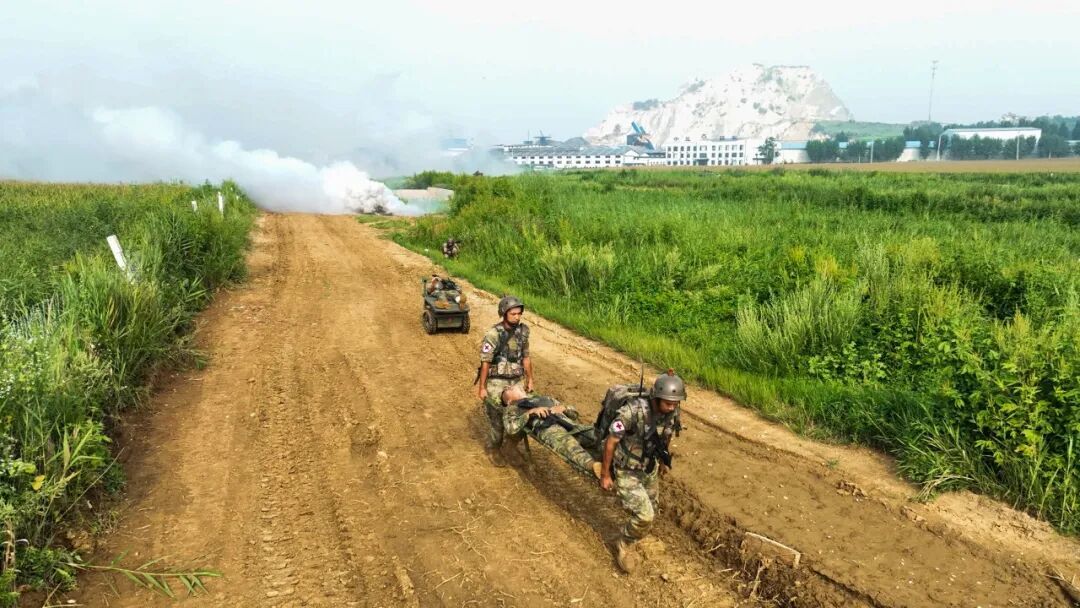
“Smoke cover
Protect infantry disembarking to seize positions
Execute!”
The exercise begins
Red and Blue forces engage in fierce competition for key positions
Medical support forces at all levels in the rear
Simultaneously enter combat positions
Ready at any time for casualty search and rescue, frontline treatment
And evacuation support preparations
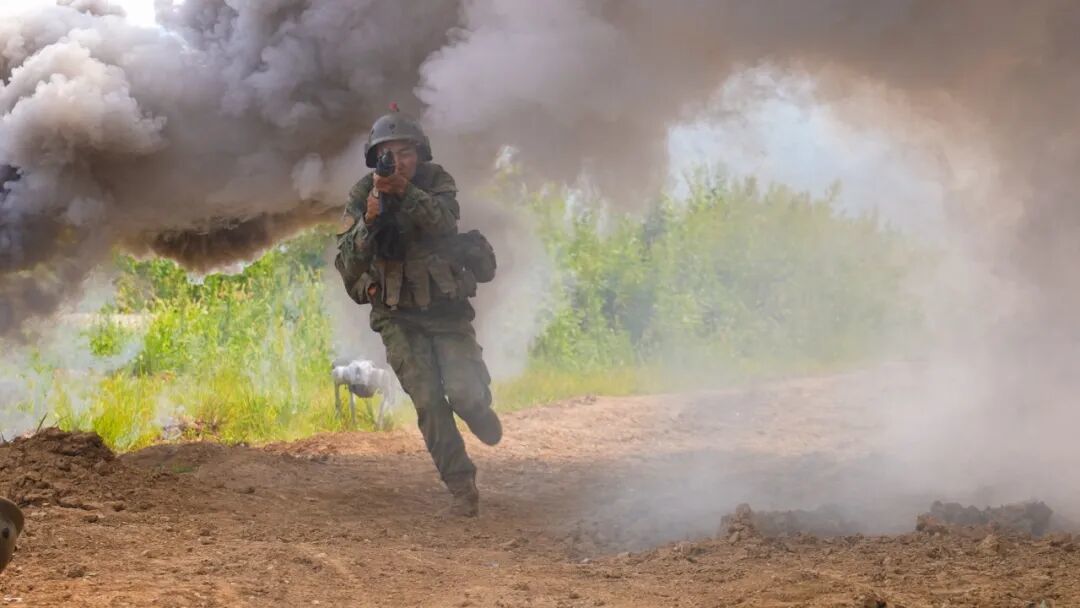
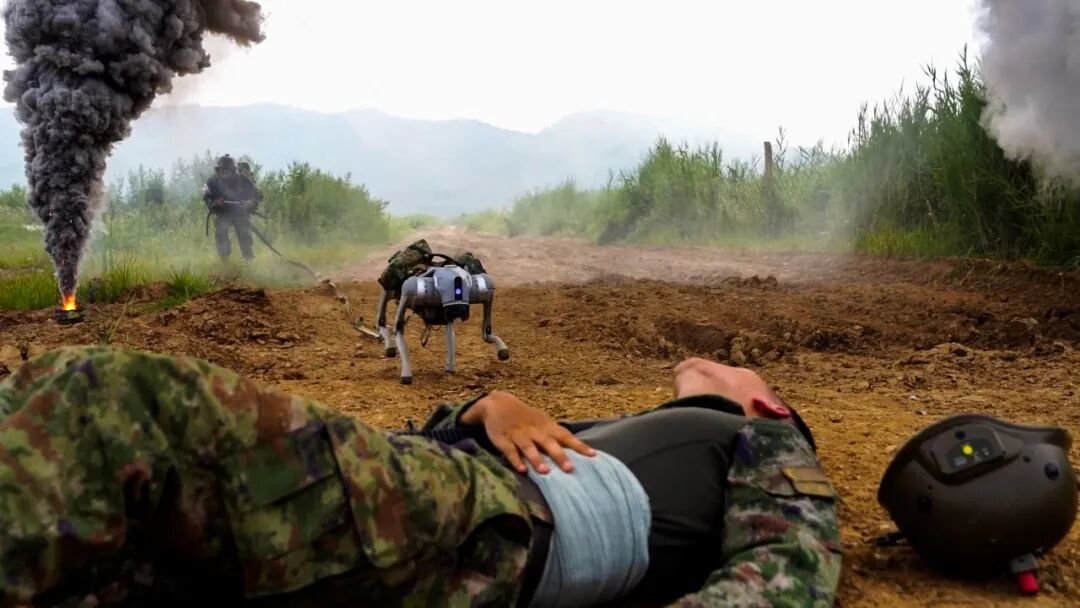
“Advance to treat the wounded!”
Upon receiving the rescue order
The rescue team quickly moves out
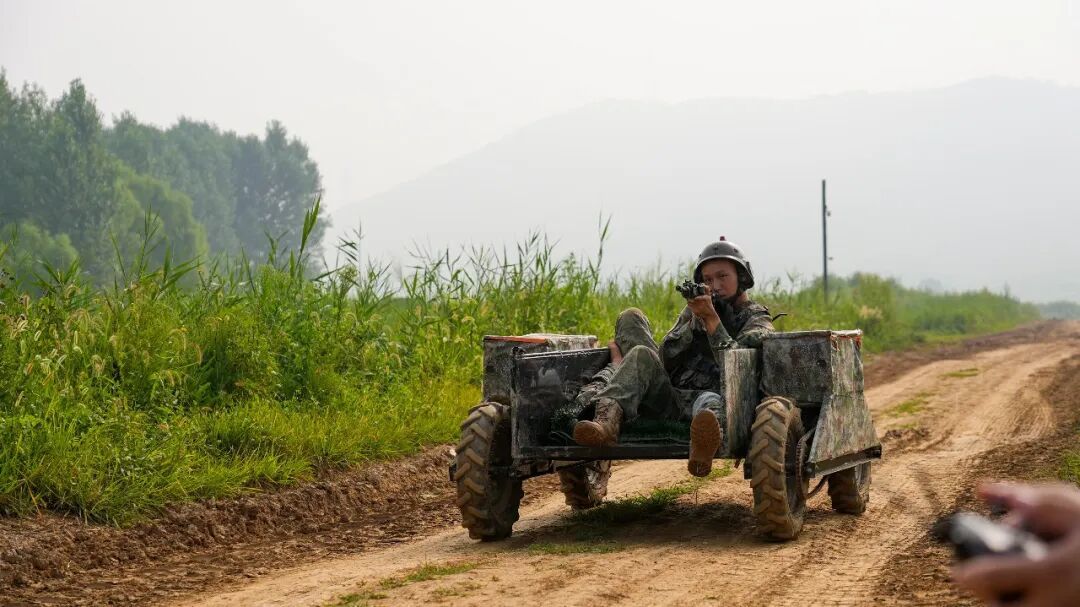
With mechanical dogs and unmanned vehicles providing support
Using conventional methods
In conjunction with unmanned equipment
Rapidly transporting casualties to the casualty collection point
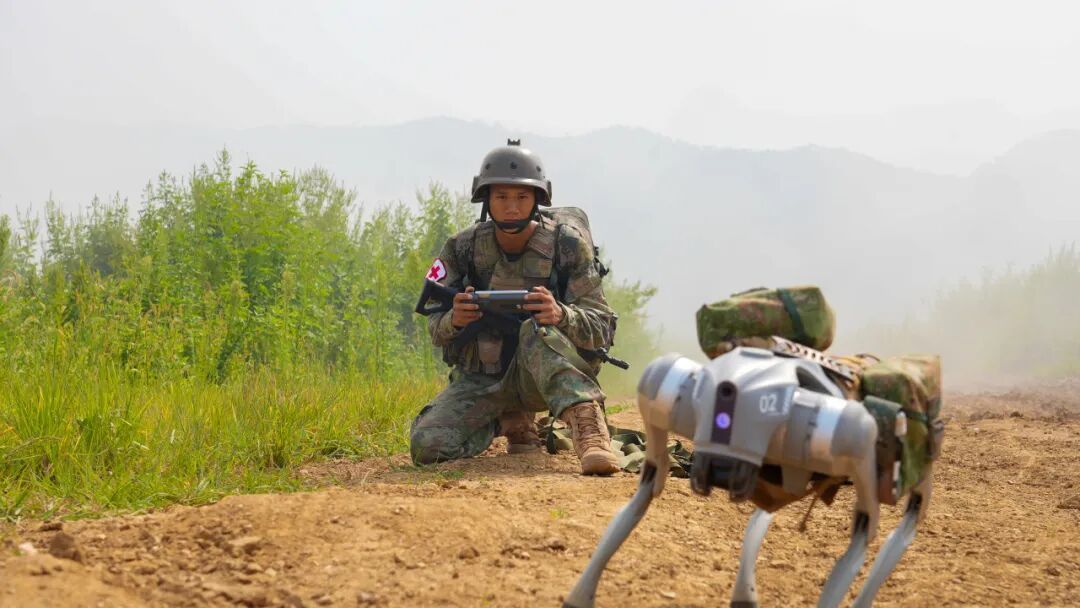
Upon reaching the casualty collection point
Medical personnel immediately
Assess the condition of the casualties
Carry out hemostasis and wound cleaning
Reduction and bandaging, and other emergency measures
While simultaneously reporting the injuries
At the same time
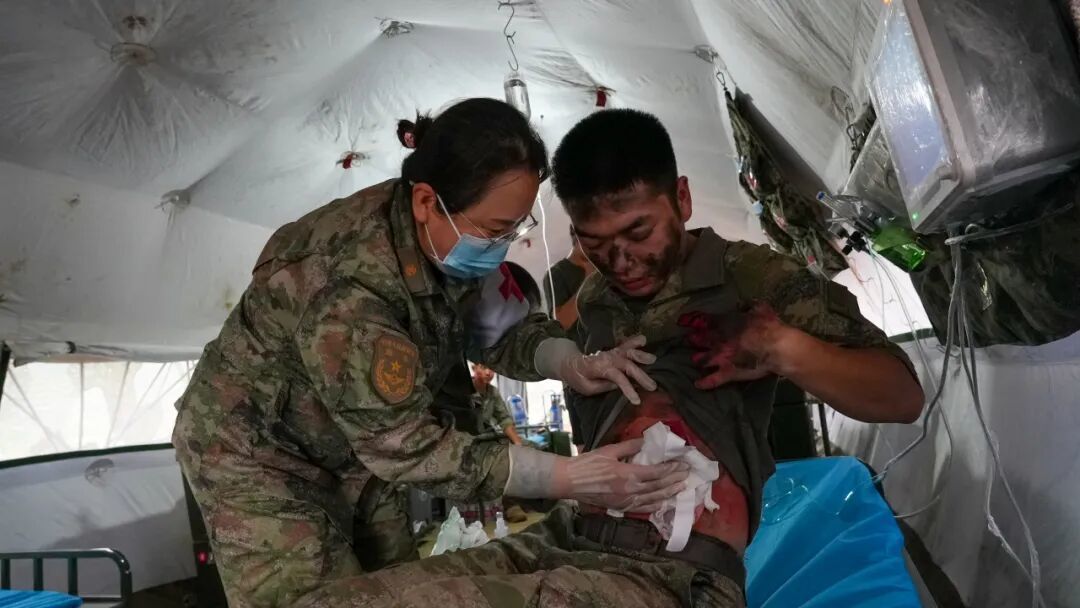
The rescue station organizes forces to receive the casualties
After receiving the casualties
The rescue station promptly makes scientific interventions
For light and moderate injuries
Conducting meticulous treatment of wounds
To minimize the risk of infection
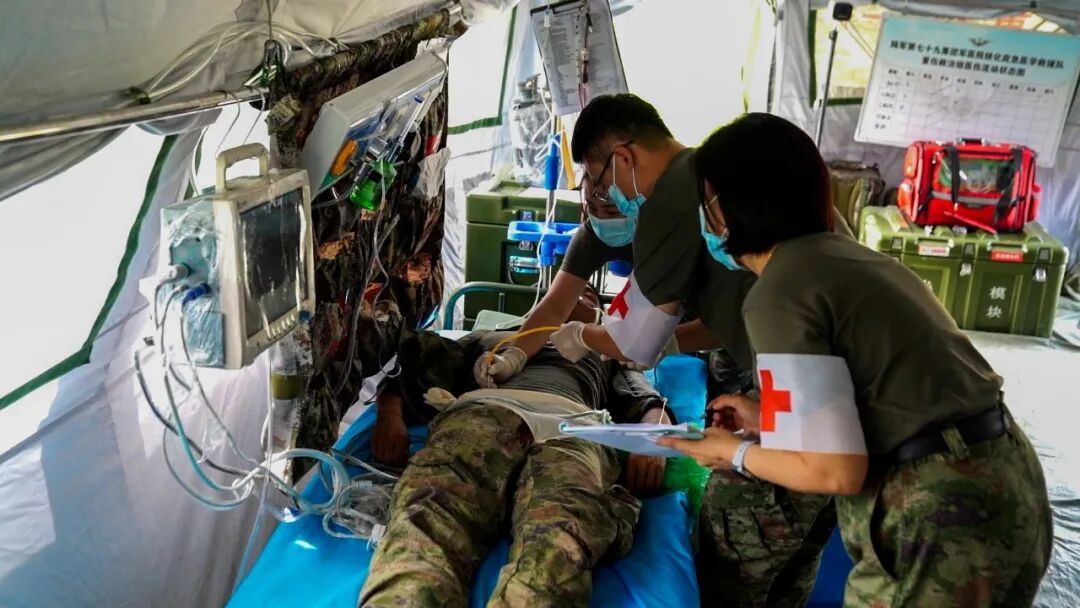
During the assessment
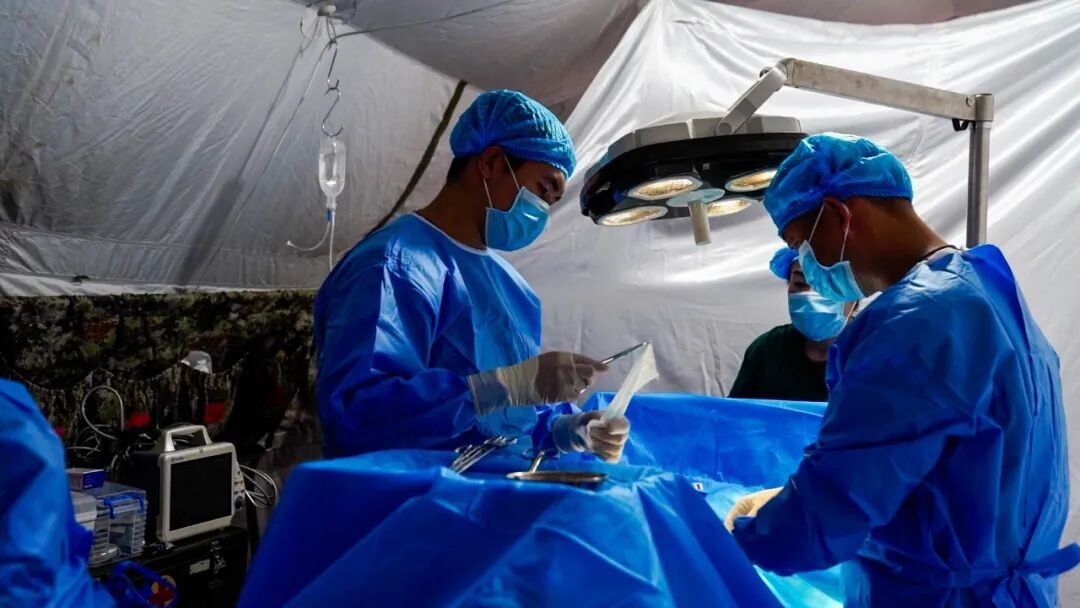
The forward surgical resuscitation team dispatched from the group army hospital
Implemented intensive care for critically injured personnel
And damage control surgery
Completing surgical resuscitation within the specified time
Effectively strengthening the frontline treatment
Disposal capabilities
The battlefield environment changes rapidly
Sudden emergencies follow one after another
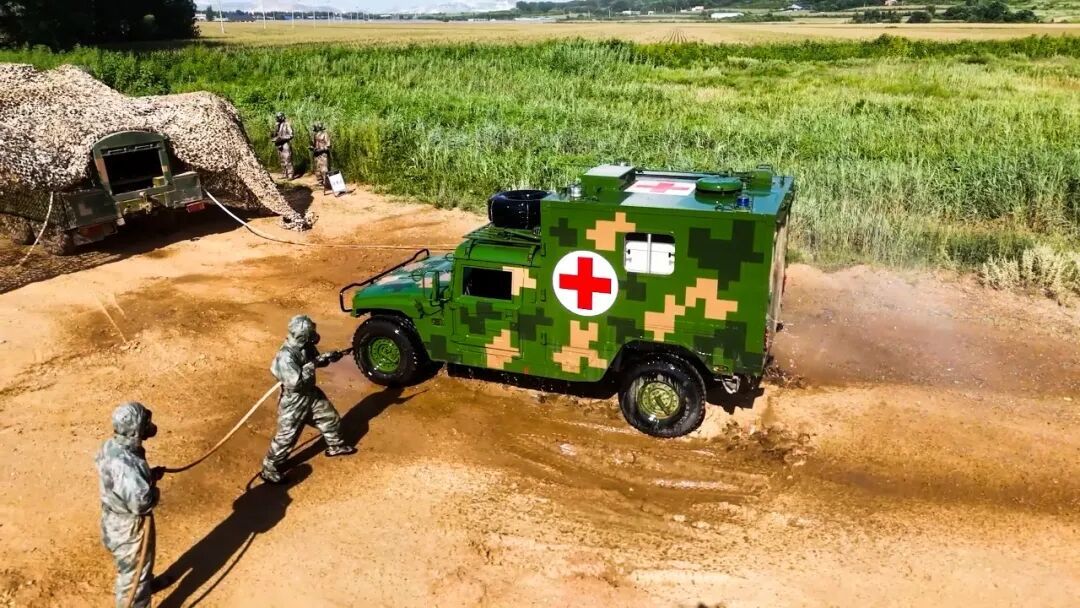
The exercise simulates an attack on positions
Resulting in a large number of contaminated and injured personnel
The emergency rescue team immediately takes action
Quickly completing casualty transfer, rescue
Decontamination and disposal tasks
Refining emergency medical rescue skills
This joint training assessment follows
The training logic of “What kind of battles to fight, what kind of injuries to expect
What kind of rescue to perform, what kind of training to strengthen”
Exploring the “manned + unmanned”
Medical support model
Advancing the military, brigade, and battalion
Three-level medical support forces
Full-chain grouping training model
Effectively laying a solid foundation for the troops' ability to treat battle injuries under real combat conditions
▶▷ Authors: Wei Yinchu, Ma Jiarui, Lu Xiang, Wang Lijun, Wang Wenhui, Zhao Afei
The 79th Group Army conducted a multi-level medical training exercise in Liaoning Province in late August, focusing on battlefield emergency medical support. The exercise involved both manned and unmanned systems, with medical teams practicing rapid casualty evacuation and treatment under simulated combat conditions. This training aimed to enhance the unit's emergency medical response capabilities in a battlefield environment.
- The 79th Group Army conducted a multi-level medical training exercise in Liaoning Province.
- The exercise focused on battlefield emergency medical support and involved both manned and unmanned systems.
- Medical teams practiced rapid casualty evacuation and treatment under simulated combat conditions.
- The exercise aimed to enhance the unit's capability for emergency medical response in a battlefield environment.
- The training included the use of mechanical dogs and unmanned vehicles for casualty transport.