
Ukraine's 1,000 Patriot Missiles Could Decide the 2026 Winter
 S.W
S.WUkraine's 1,000 Patriot Missiles Could Decide the 2026 Winter
Ukraine is heading into winter with a problem that cannot be solved by rhetoric, emergency generators, or another round of diplomatic optimism: its cities need enough air defence to keep the power system alive.
That is why Kyiv's reported plan to sign contracts for roughly 1,000 Patriot interceptor missiles matters. The figure, reported by The Kyiv Independent on September 8, is not a promise that 1,000 missiles are already in Ukrainian magazines. It is a procurement effort backed by partner support and European financing. That distinction matters. But so does the direction of travel: Ukraine is trying to turn air defence from a succession of urgent donations into a sustained war-fighting capability.
The winter threat is already visible
A United Nations official, former Belgian prime minister Alexander De Croo, told the BBC on September 12 that Ukraine faces “the toughest” winter since Russia's full-scale invasion. The warning was tied to a pattern of Russian attacks on energy transmission lines and other civilian infrastructure. The BBC reported that Russian forces are also using faster, jet-powered drones in around-the-clock attacks, complicating interception and putting pressure on every layer of Ukraine's air-defence network.
The human stakes are straightforward. Winter temperatures can fall to minus 20 degrees Celsius. A damaged power station is not simply an industrial loss; it can disable heating, water pumping, sewage treatment, communications, and the rail system that moves fuel and repair crews. Russia does not need to destroy every generating plant. It only needs to create enough uncertainty and outage time to make normal urban life impossible.
Ukraine's recent experience shows how quickly that threshold can be approached. Ukrainian officials said a Russian drone strike on a shopping mall in Pavlohrad killed five people and wounded 67. Other strikes hit shopping malls in Zaporizhzhia and Sumy. Those attacks are not evidence that every Russian strike has a coherent operational effect, but they demonstrate the density of the campaign Ukraine must absorb while protecting military sites, substations, factories, and transport nodes.
What the Patriot buys Kyiv
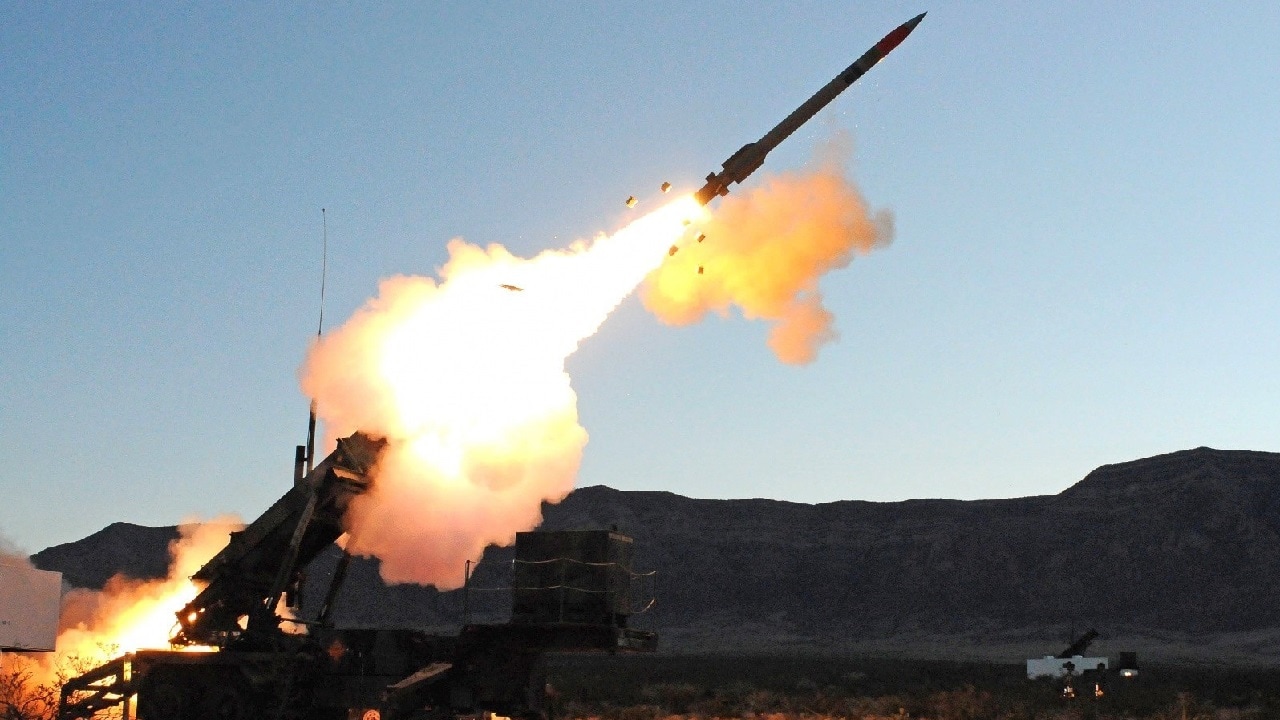
Patriot is not a magic shield. A battery combines a phased-array radar, engagement-control equipment, launchers, and interceptors; its exact coverage depends on configuration, terrain, deployment, and the target's flight profile. PAC-3 MSE interceptors are designed primarily for ballistic-missile defence and use hit-to-kill technology, while other Patriot missiles can engage aerodynamic targets. The system's value is therefore not a single advertised range. It is the ability to protect a small number of high-value areas against the hardest threats when cheaper systems cannot be trusted to do the job.
That makes the missile count strategically important. Russia can force a defender to spend an expensive interceptor on a target that costs far less, especially when drones and cruise missiles arrive in mixed salvos. A stockpile of roughly 1,000 interceptors would not eliminate that exchange-rate problem, but it would give Ukrainian commanders more room to reserve the most capable rounds for ballistic missiles and to keep priority batteries operational through a prolonged campaign.
The number also addresses a less glamorous constraint: reloads. Air defence is often discussed as if a launcher is the capability. It is not. A launcher without missiles is a parked vehicle. A radar without a protected command network is a liability. Training, maintenance, dispersal, and reload logistics determine whether a Patriot battery can defend a city on the third night of an attack as well as it did on the first.
Europe is financing endurance, not charity
The reported contracts come as European governments confront a basic fact exposed by the war: donating a few batteries is politically visible, but sustaining them is financially and industrially difficult. Patriot missiles are produced through a supply chain that includes Raytheon and Lockheed Martin, and demand is also being generated by NATO members rebuilding their own inventories. Every interceptor sent to Ukraine competes with a national stockpile, a training requirement, or a contract already placed for another ally.
That is where European loan funding matters. It shifts the debate from “who has a spare battery?” to “who will pay for a multi-year production run?” This is a better question, but it is not yet an answer. A contract can be signed while deliveries remain staggered over years. Ukraine needs coverage this winter; factories operate on a different clock.
The political risk is equally clear. If European states fund missiles but hesitate to provide the additional launchers, radars, crews, and replacement parts needed to use them, the 1,000-missile figure will become an impressive headline attached to a thin defensive network. Kyiv will still have to choose which cities, bases, and energy nodes receive protection. That is an impossible choice made slightly less impossible, not a solved problem.
The battlefield link is easy to miss
The Institute for the Study of War's September 12 assessment reported that Ukrainian forces have contested the initiative in several sectors and largely disrupted Russia's planned encirclement effort north of Lyman. ISW also described Russia's continued dependence on infiltration tactics and drone-heavy operations. If that assessment holds, air defence is not separate from the ground war. It protects the industrial and logistical depth that allows Ukraine to exploit local gains instead of merely surviving Russian attacks.
Here is the uncomfortable part. A successful Ukrainian counterattack can increase the demand for air defence, because every recovered area creates more roads, depots, bridges, and repair sites that Russia can target. Tactical success does not reduce the missile bill. It can increase it.
What to watch next
Three indicators will reveal whether the Patriot plan is becoming a real capability. First, watch for confirmed delivery schedules rather than contract announcements. Second, watch whether European governments fund the entire architecture around the interceptor, including launchers, radar support, training, and sustainment. Third, watch the composition of Russian winter salvos: the ratio of ballistic missiles, cruise missiles, and jet-powered drones will determine how quickly Ukraine burns through its most valuable rounds.
The central judgement is simple. Ukraine's winter battle will be decided less by whether it owns Patriot than by whether its partners are willing to finance a layered air-defence system for as long as Russia is willing to attack. One thousand missiles could buy Kyiv time, leverage, and survival. They cannot buy political resolve. That remains the scarce munition.
Ukraine is procuring 1,000 Patriot missiles to bolster its air defense against Russian attacks during the winter of 2023. This effort aims to protect critical infrastructure in cities like Kyiv as Russian forces intensify their assaults on energy systems. European financing is essential for sustaining these capabilities, which are necessary to maintain operational readiness amid ongoing threats.
- Ukraine plans to procure 1,000 Patriot missiles to enhance air defense capabilities.
- Russian forces are conducting attacks on energy infrastructure and using drones.
- The winter of 2023 is expected to be particularly challenging for Ukraine due to energy vulnerabilities.
- European financing is crucial for sustaining Ukraine's air defense efforts.
- The effectiveness of the Patriot system depends on logistics and support infrastructure.