
Unmanned Intelligence Integrates into the Battlefield: Field Medical Rescue Drills Open New Paths for Wounded Treatment
Recently, at a certain outdoor training ground in Northeast China, a hospital affiliated with the Joint Logistics Support Force conducted a comprehensive field rescue exercise. During the exercise, unmanned intelligent devices were integrated into the entire battlefield rescue chain, exploring new paths for the transformation and upgrading of medical support.
In the "combat" zone of the exercise, multiple "casualties" were in urgent need of treatment, but the ambulance and medical personnel, located a thousand meters away, could not approach. In a critical moment, a micro reconnaissance drone equipped with a thermal imaging module took off, quickly locating the position of the "casualties." Subsequently, a small payload drone was dispatched to deliver emergency medical supplies, and an all-terrain casualty transport unmanned vehicle began the "casualty" transfer, allowing the rescue team to quickly complete triage, first aid, and evacuation.
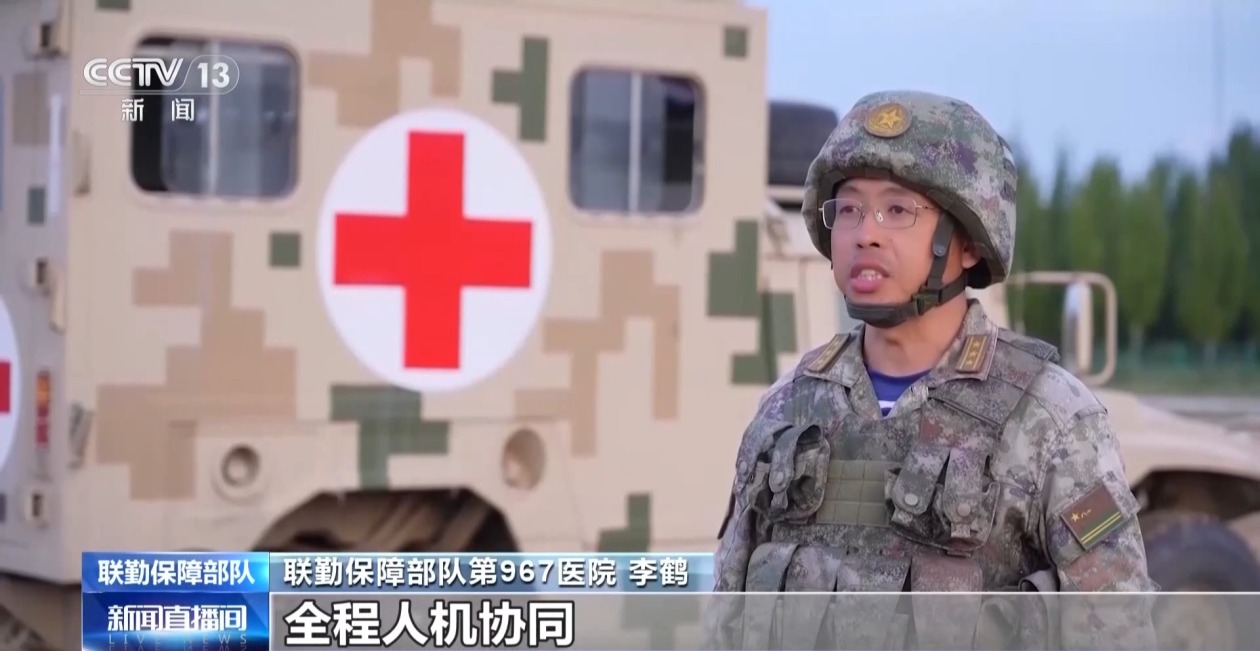
Li He, 967th Hospital of the Joint Logistics Support Force: From reconnaissance and positioning to equipment delivery, from triage and first aid to "casualty" evacuation, the entire process involved human-machine collaboration, which not only significantly improved the quality and efficiency of emergency rescue but also effectively reduced rescue risks.
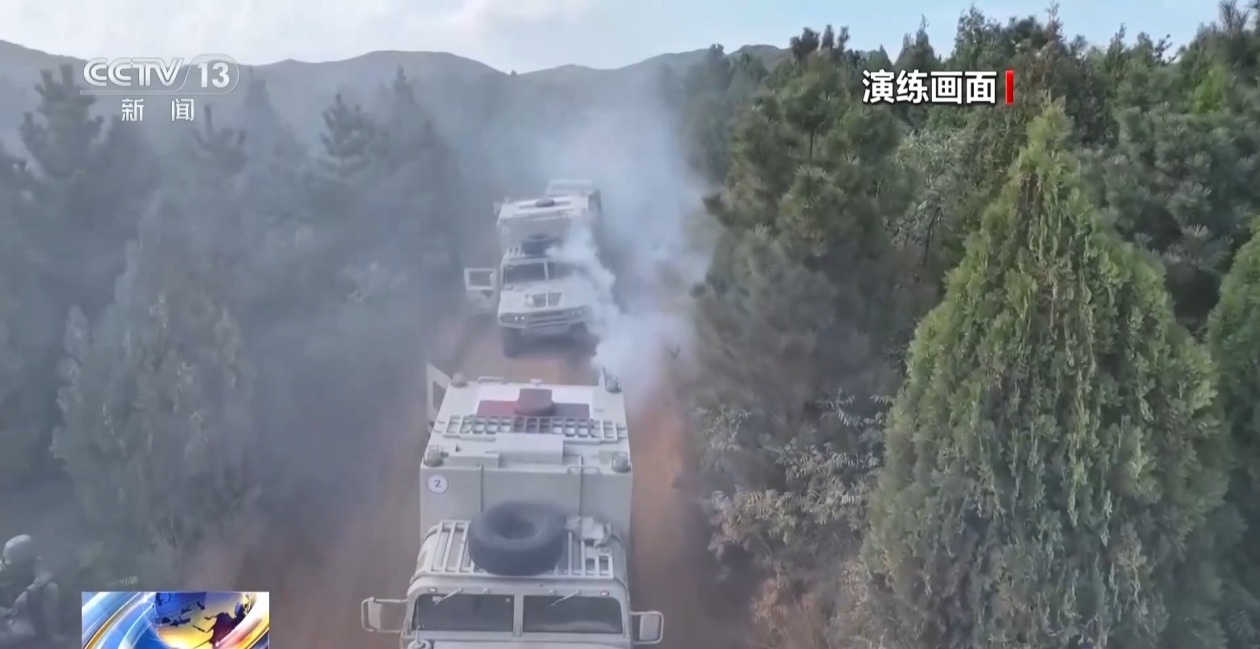
Just a year ago, facing the same assessment, this joint logistics force suffered a crushing defeat. When several simulated "enemy" drones approached and disrupted the operation, the medical team lacked effective countermeasures, resulting in multiple field ambulances being deemed "destroyed" by the exercise system, and the evacuation route for casualties being "cut off."
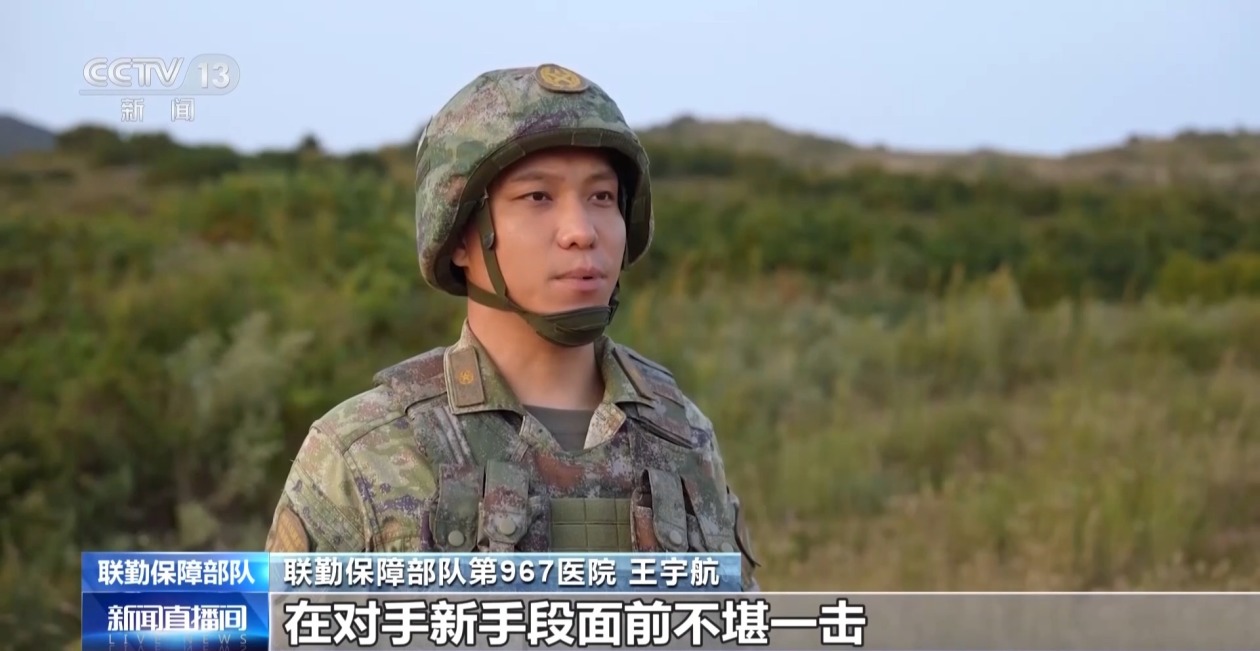
Wang Yuhang, 967th Hospital of the Joint Logistics Support Force: What we thought was a mature treatment process was easily overwhelmed by the opponent's new tactics. This also made us determined to break the conventional mindset, tackle the human-machine collaborative rescue model, and use intelligent means to fill the gaps in battlefield medical protection and treatment.
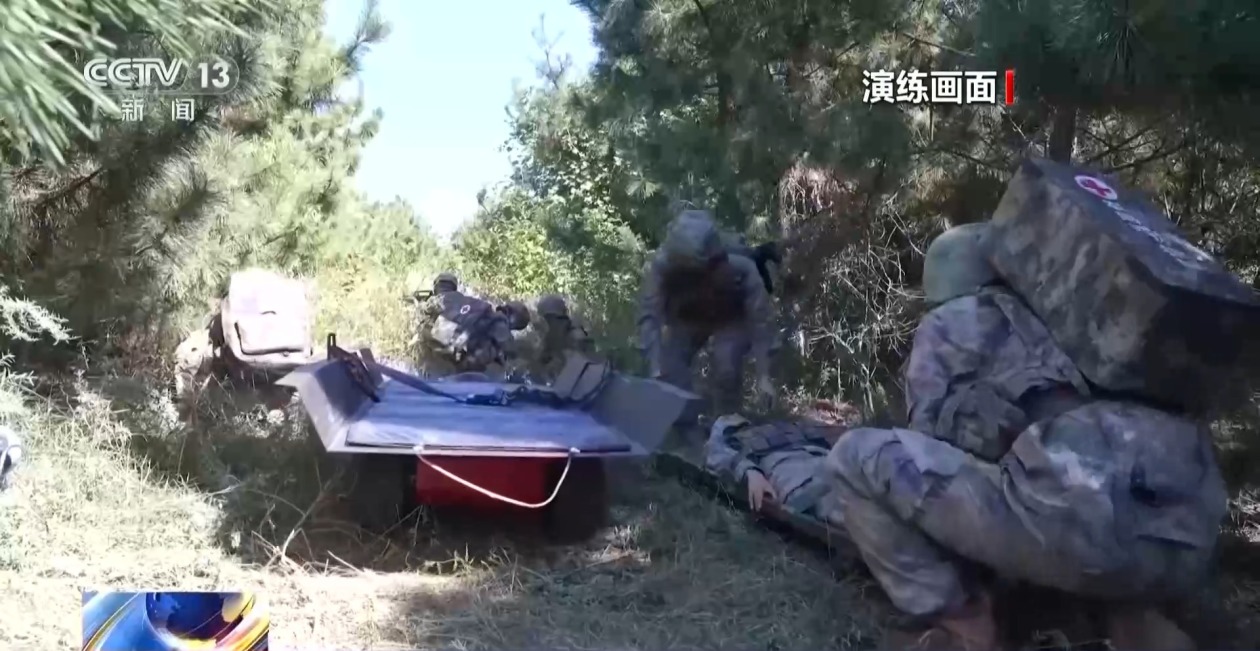
From the traditional support of "human carrying on shoulders" to the intelligent rescue of "human-machine collaboration"; from a failure in one exercise to the reshaping of the medical training system, unmanned intelligent equipment is gradually being integrated into the battlefield rescue chain, opening up new pathways for the treatment of frontline casualties.
The Joint Logistics Support Force 967 Hospital conducted a field rescue exercise at a northeast training ground, integrating unmanned intelligent devices to enhance medical support. A thermal imaging drone located casualties, while delivery drones provided medical supplies. This exercise marked a significant improvement in rescue efficiency and safety compared to previous failures, demonstrating a shift towards human-machine collaboration in battlefield medical care.
- A field rescue exercise was conducted by the Joint Logistics Support Force 967 Hospital.
- Unmanned intelligent devices were integrated into the rescue operations.
- A thermal imaging drone was used to locate casualties.
- The exercise improved the efficiency and safety of medical rescues compared to previous attempts.
- The training aimed to address shortcomings in traditional medical support methods.