
U.S. Air Force seeks iridium for F-16 backup power
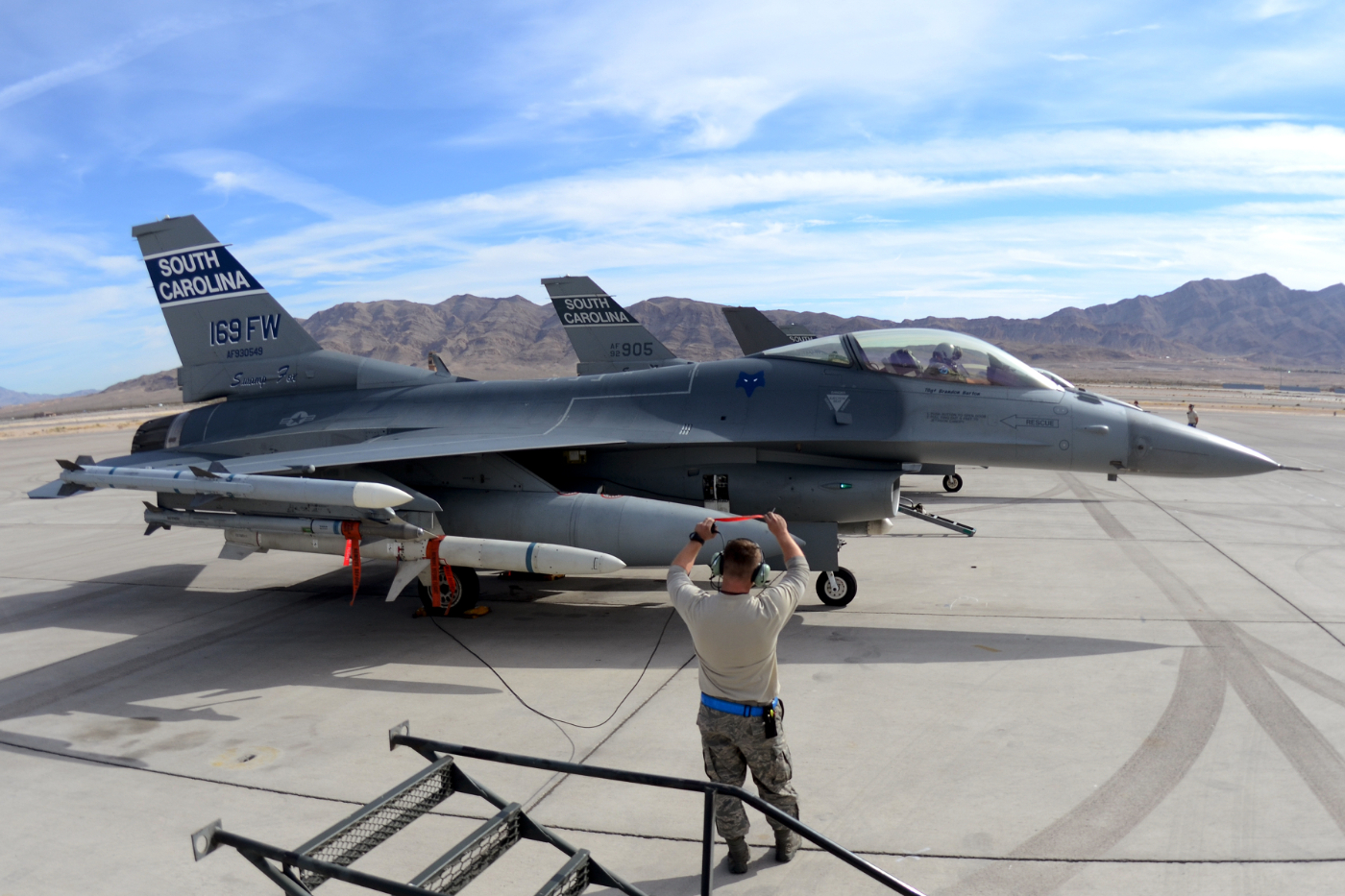
The U.S. Air Force wants to buy 65 iridium catalysts for the F-16 Fighting Falcon. The catalyst is a small part that lets the fighter’s emergency power system run on hydrazine if the engine quits.
The F-16 support office at Hill Air Force Base, Utah, posted the request on the government’s contracting site on Nov. 16. The U.S. Air Force says it “intends to procure the items listed on a sole-source basis,” which means buying from a single supplier. Before it does, it wants to hear from other companies to see whether the purchase “can be competitive and/or a total Small Business Set-Aside.”
The notice lists the part simply as “CATALYST,IRIDIUM” and says it is “used on F-16.” It doesn’t name the current supplier or give a price. The contract is expected in March 2027, with delivery to Hill around Sept. 22, 2027. Companies have until Dec. 2 to respond.
One line explains why the U.S. Air Force can’t just shop around: the drawings and specifications are “Not owned by the Government.” Any new supplier would have to show it can build the same part without them.
Every F-16 carries a backup power system for the moment the engine, the generators or the hydraulics fail. It’s called the emergency power unit, or EPU. The EPU spins a small turbine, and the turbine drives a hydraulic pump and an electrical generator. That keeps the flight controls working. The F-16 is a fly-by-wire jet, so the pilot’s stick sends electrical signals rather than pulling cables. Without power and hydraulic pressure, the pilot can’t steer.
The turbine first runs on hot air taken from the engine. When there isn’t enough of that air, for example after the engine stops, the unit switches to its own fuel. The fuel is H-70, a mix of 70% hydrazine and 30% water. It’s sprayed onto a bed of catalyst, breaks down at once into hot gas, and the gas spins the turbine.
That bed of catalyst is what the U.S. Air Force is buying. NASA engineers who tested an F-16 EPU in 2014 identified it as Shell 405, the same iridium-based catalyst used in hydrazine thrusters on spacecraft. The material is a coating of iridium on small aluminum oxide pellets. On contact with it, hydrazine starts reacting right away, with no spark or igniter needed, so the backup power comes on quickly.
A 2022 U.S. Air Force photo caption puts it at roughly 17 minutes for a pilot whose engine has failed. That’s enough time to restart the engine, glide to a runway or eject.
Hydrazine is also why F-16 crash sites are treated as hazardous-materials scenes. The chemical is toxic and can cause cancer. In August 2024, 13 airmen at Luke Air Force Base, Arizona, were taken to a hospital as a precaution after a feared accidental EPU start during maintenance. Base officials said the unit hadn’t fired, and all 13 were released.
The risk became real this September. After a Texas Air National Guard F-16 crashed in northern Michigan on Sept. 17, officials said more than 30 people were treated for hydrazine contamination. Six of them were hospitalized. The pilot ejected.
The U.S. Air Force and NASA have looked for a way out of hydrazine for more than a decade. In November 2014, NASA’s Marshall Space Flight Center, working with the Air Force Research Laboratory, ran a less toxic “green” propellant through an F-16 EPU gas generator taken from a retired jet. It reacted with the existing iridium catalyst and produced 300 psi of pressure. Later Pentagon-funded research tried starting the reaction with microwaves instead of a catalyst, and a 2022 patent filing describes replacing the hydrazine side of the EPU with batteries.
The F-16 isn’t going away soon. The U.S. Air Force is looking for companies to replace the jet’s aging mission computer. Lockheed Martin is pitching a new F-16G variant to fill gaps in the fighter fleet. U.S. Air Force F-16s were also flying patrols in the Gulf after the Iran campaign ended in May.
Content preview only. Full article available at source. View Full Article
The U.S. Air Force intends to procure 65 iridium catalysts for the F-16 Fighting Falcon's emergency power system, allowing it to operate on hydrazine if the engine fails. The request was posted on November 16 at Hill Air Force Base, Utah, with a contract expected in March 2027 and delivery around September 22, 2027. The procurement is planned on a sole-source basis, and companies have until December 2 to respond.
- U.S. Air Force seeks to buy 65 iridium catalysts for F-16s.
- The catalysts allow the emergency power system to run on hydrazine if the engine fails.
- The procurement is intended to be on a sole-source basis.
- The contract is expected in March 2027, with delivery around September 22, 2027.
- Hydrazine is toxic and poses risks at crash sites.