
US Army Quietly Kills Its Drone Battalion Experiment in Europe
 Alexandra Reeves
US Army Quietly Kills Its Drone Battalion Experiment in Europe
The US Army spent the last year telling anyone who would listen that drones are the future of warfare. Then it quietly decided the future doesn't need a battalion. An Army official confirmed this week that the service is ending its experimental drone battalion in Europe less than a year after creating it. After the multinational Exercise Saber Junction wraps up in September, the unit goes back to its old job: airborne infantry. No findings published, no unit named. Just a quiet return to jumping out of planes.
The Experiment That Died
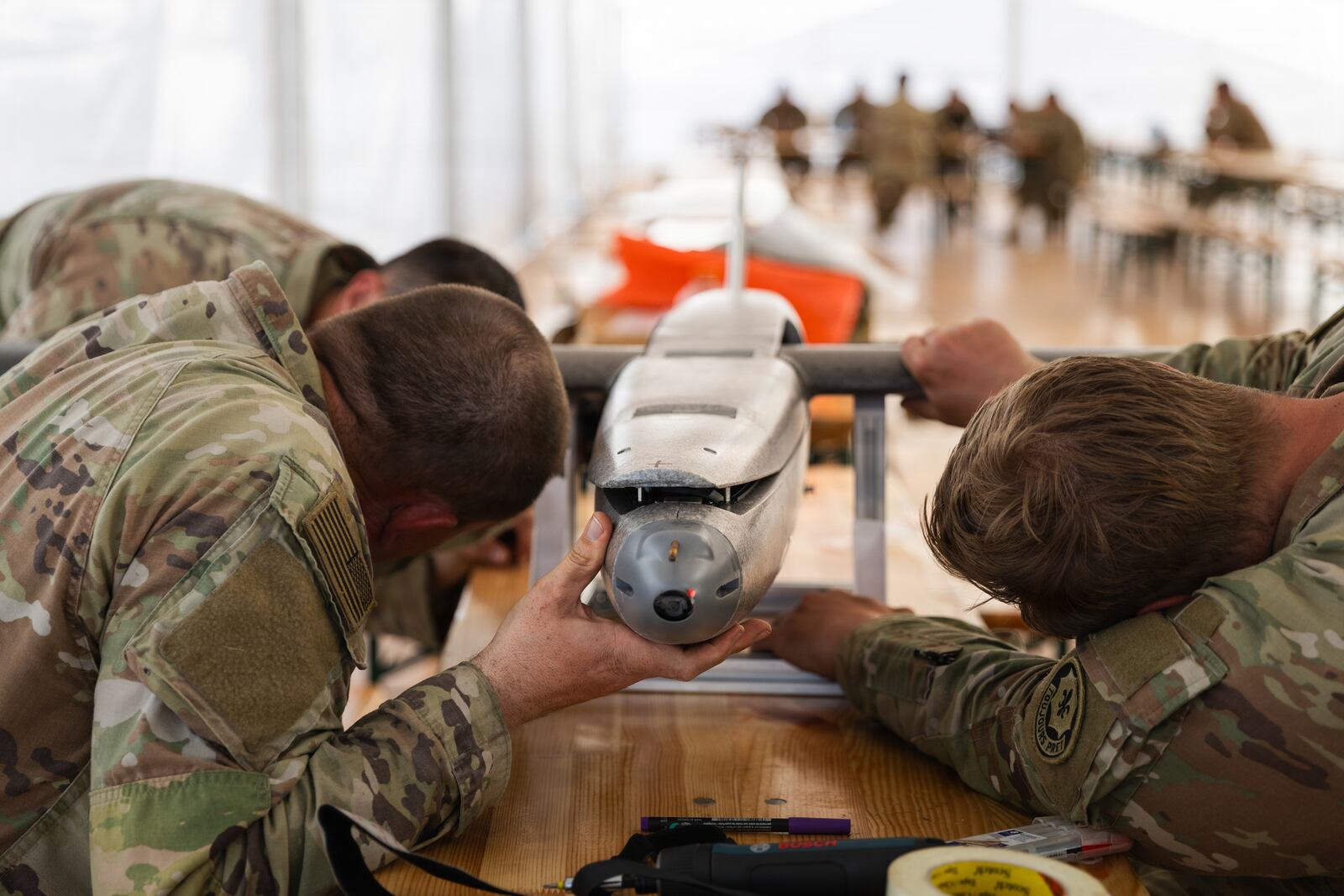
In November 2025, US Army Europe and Africa, with the Department of the Army and US European Command behind it, gave an infantry battalion a task that sounded like the future: figure out how dedicated drone formations actually work, study the units Ukraine has fielded, and feed those lessons back to the force. The assignment sat squarely inside the Pentagon's "drone dominance" push, the phrase Secretary Pete Hegseth used in a July 2025 memorandum where he admitted "U.S. units are not outfitted with the lethal small drones the modern battlefield requires."
Less than a year later, the experiment is over. The Army's statement, delivered on background, gave no unit name and no number of soldiers; the Wall Street Journal first reported the move. What's left is one sentence doing a lot of work: after Saber Junction, the battalion "will return to its airborne infantry mission." Read that again. The Army is choosing airborne infantry over the drone formation it created to study the war's most consequential weapon system.
The Timing Problem
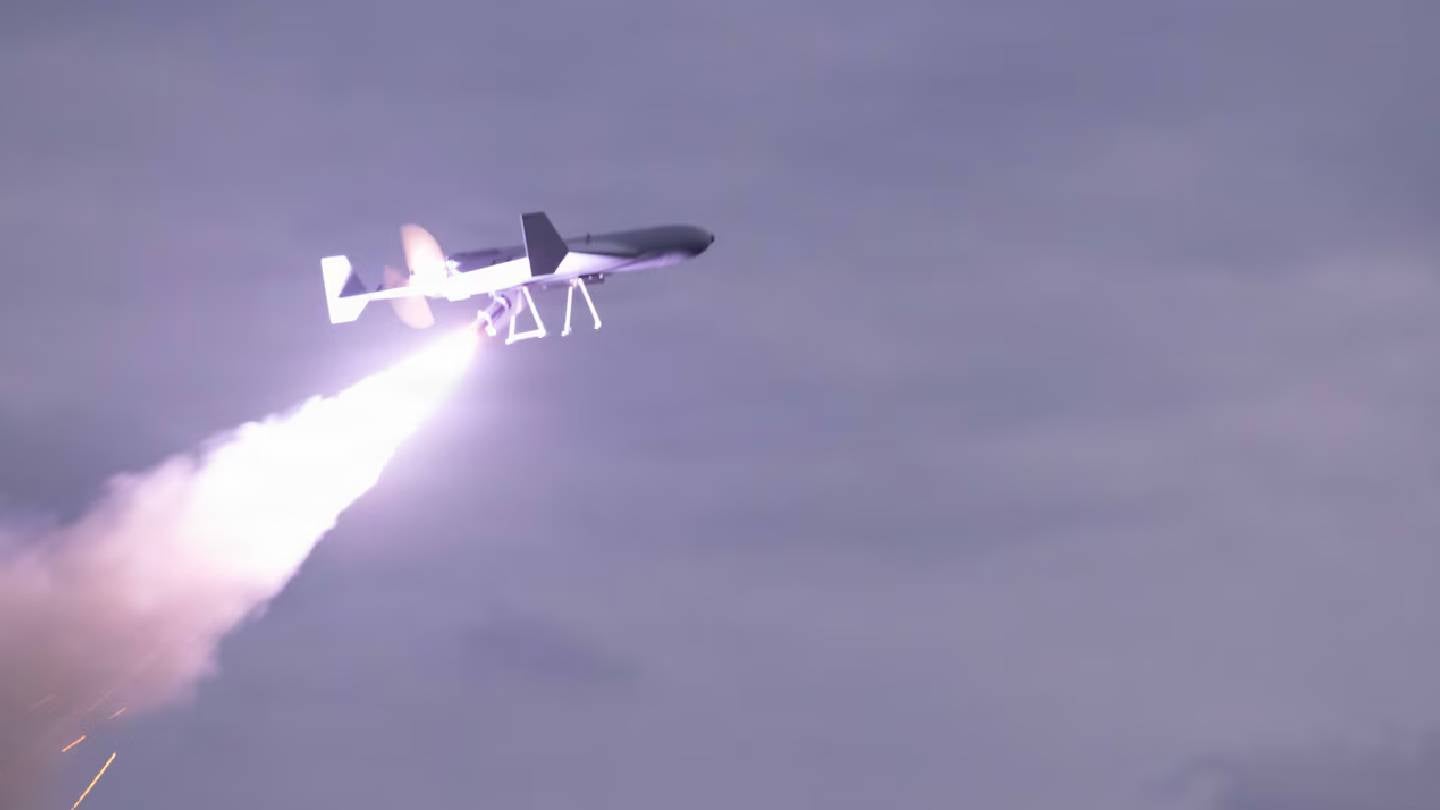
Here's what makes this hard to swallow. The cancellation lands exactly as one-way attack drones are proving themselves in CENTCOM's fight. Task Force Scorpion Strike, established in December 2025, launched the first aerial attack drone from a US Navy warship that same month and used one-way systems during Operation Epic Fury and in the July strikes on Iranian port facilities. This month CENTCOM went further, announcing Task Force Falcon Strike, a multinational, multi-domain attack drone force spanning air, surface and underwater. Admiral Brad Cooper, the CENTCOM commander, framed it as a "unified multi-domain, multinational deterrent."
The Middle East gets task forces. Europe gets its drone battalion back to infantry. The contrast isn't accidental. Washington is learning the drone lesson from Ukraine and applying it where the war is right now, not where the next one could actually be fought.
What "Army Azimuth" Actually Says
The end of the experiment arrives alongside Acting Chief of Staff Gen. Christopher LaNeve's strategic roadmap, "The Army Azimuth." LaNeve says the Army must "counter enemies who employ stand-off weapons, including unmanned systems and WMD," then pivots to "the fundamentals of Soldiering," stressing "warrior ethos, individual Soldier readiness, and small unit tactical skills."
That's not a contradiction; it's a choice. The Azimuth is the doctrinal version of what the drone battalion's quiet cancellation already told us: the Army's leadership thinks the answer to the drone problem is better infantry, not better drone formations. The June 2025 executive order on unmanned systems and Hegseth's drone dominance memo are still on the books. The force structure to match them is not.
The European Problem
For NATO's eastern flank, this is the part that should keep people awake. The battalion was the one US unit in Europe explicitly chartered to study how Ukraine fights with drones, the same drone war that would, in any Article 5 scenario, be fought against NATO itself. Remember Hedgehog 2025: ten Ukrainian drone pilots destroyed two NATO battalions in half a day during that exercise. The lesson wasn't that NATO lacks drones. It was that the alliance lacks the formations, the training and the doctrine to use them.
Ending the experiment sends a message to allies, too. European armies are pouring billions into drone units, Latvia, Romania and the Baltic states are all building them. The US Army just told them, in effect, that it doesn't believe dedicated drone formations are worth keeping. Allies who modeled their plans on American lessons are entitled to ask which lesson is real: the rhetoric about drone dominance, or the decision to send the drone battalion back to the infantry?
The Uncomfortable Takeaway
Let me be direct about what this is. The Army stood up an experiment, ran it for less than a year, and ended it without naming the unit or publishing anything. That's not a conclusion; it's a retreat. The Pentagon's drone doctrine is being written by the war in Iran, while the force that would actually fight in Europe is being told that small-unit fundamentals matter more than the weapons that have defined the war in Ukraine.
WSJ's reporting points to tension between the senior officers who championed the unit and those who never bought in. In that sense, this isn't a budget story or a capability story. It's a culture story, and cultures don't change because an executive order tells them to.
The uncomfortable question for NATO planners is simple: if the US Army won't keep a single drone battalion in Europe to learn the lesson Ukraine is offering for free, what is the alliance's drone strategy actually built on? Right now, the answer is slogans. The Azimuth points north, but the Army just walked away from the one experiment that could have told it where the ground really is.
The US Army is ending its experimental drone battalion in Europe and will revert to its airborne infantry mission after the Saber Junction exercise in September 2026. This decision comes amid ongoing successful drone operations in CENTCOM and reflects a strategic choice prioritizing traditional infantry capabilities over dedicated drone formations. The cancellation raises concerns about NATO's drone strategy, especially in light of lessons learned from Ukraine's drone warfare.
- The US Army is ending its experimental drone battalion in Europe.
- The decision follows the Saber Junction exercise in September 2026.
- The battalion will revert to its airborne infantry mission.
- The cancellation contrasts with ongoing drone operations in CENTCOM.
- The decision reflects a strategic choice regarding military capabilities.