
U.S. Navy DDG-114 Conducts Replenishment Training in Yokosuka: The Japan-U.S. Alliance in 2026 Transforms Missile Resupply into Combat Capability
 Tanaka Takashi
USS Ralph Johnson (DDG-114) Conducts Reload Training in Yokosuka: The US-Japan Alliance's Missile Resupply Becomes a Combat Capability in 2026
On October 29, at the Ikego Pier of the Yokosuka Naval Base, a demonstration of missile reloading onto the USS Ralph Johnson (DDG-114), an Arleigh Burke-class guided missile destroyer, was conducted. The event was part of the US-Japan joint integrated exercise Keen Sword 27. The real focus this time was not on launching but on the procedures for returning the combat vessel back to sea.
Reloading the Mk 41 VLS at the Pier
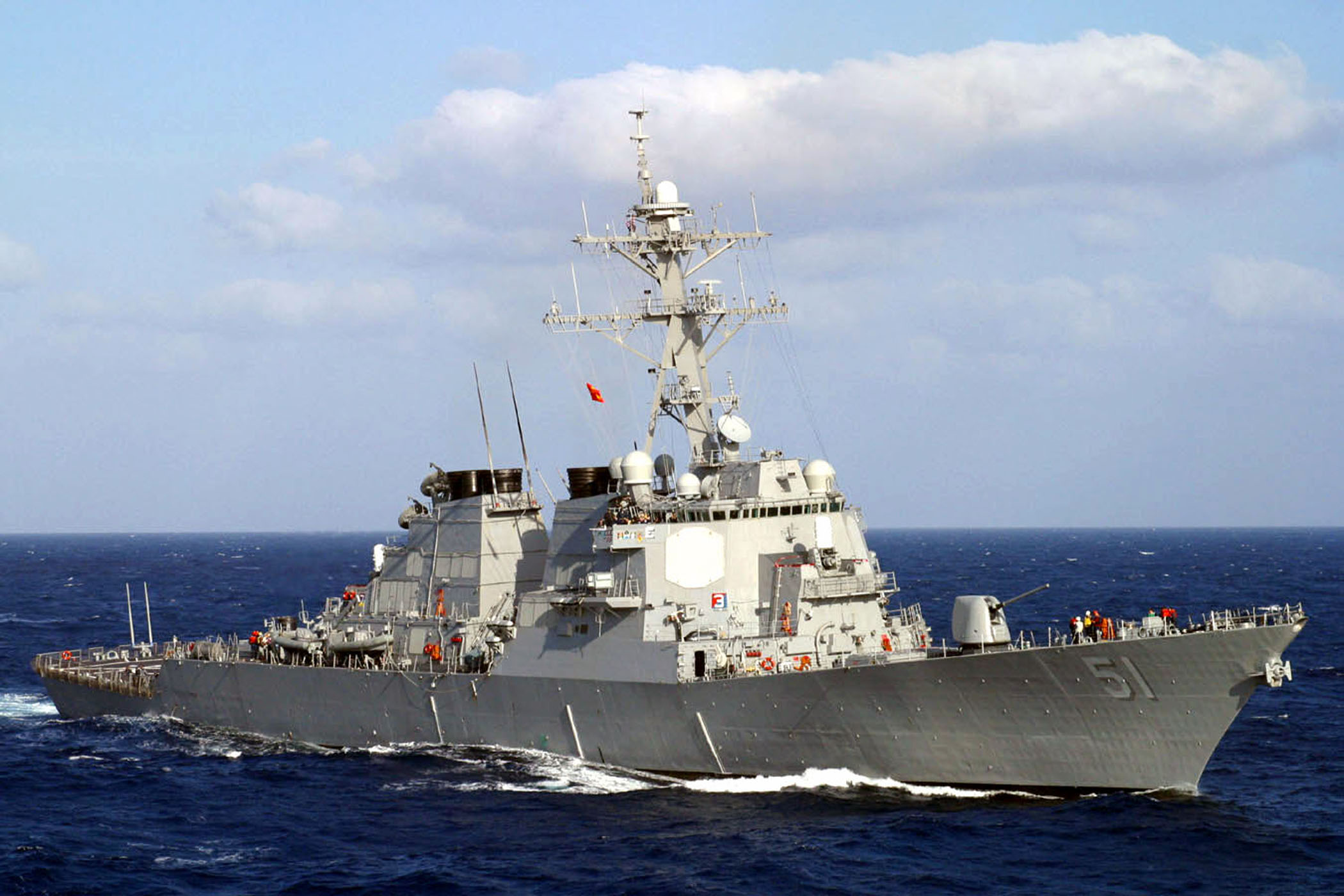
According to the US Navy's 7th Fleet, the Yokosuka detachment of the Naval Ordnance Command loaded inert Standard missiles into the Mk 41 Vertical Launch System (VLS) of the DDG-114. Japanese Maritime Self-Defense Force officials observed the operation, marking the first demonstration of this capability for both the US and Japan. Keen Sword 27 took place from October 19 to 29, with approximately 40,000 Self-Defense Force personnel and 12,000 US military personnel participating.
Time to Re-deploy Over Number of Vessels
The value of the Arleigh Burke-class lies in its multi-role capabilities for air defense, anti-ship, and land attack, combining the Aegis combat system with the VLS. However, once the onboard munitions are expended, the ship temporarily becomes a blank slate in terms of combat capability, even if it returns to port. The ability of the US ammunition team to reload in Yokosuka indicates the potential to transform forward bases from mere anchorage points into operational recovery hubs for SLOC (Sea Lines of Communication) defense in the Western Pacific.
This does not mean that Japan can freely rearm US vessels. The operation conducted this time was a single demonstration using inert munitions, and it was predicated on the presence of US specialized personnel, security procedures, and ammunition storage responsibilities. What the Japan Maritime Self-Defense Force should focus on is not only the speed of reloading but also the ability to agree in peacetime on which ships to resupply, with what types of munitions, and in what order of priority.
Weaknesses of the US-Japan Alliance Extend Beyond the Port
In crises surrounding the Taiwan Strait and the Nansei Islands, there is no guarantee that Yokosuka will function safely. Without integrating supply ships, dispersed ports, ammunition transport, and emergency repairs for damaged vessels, the VLS loading technology alone will not sustain combat capability. The integrated missile command system for the Ground Self-Defense Force, promoted by the Ministry of Defense, will also have limited effectiveness if launch decisions and resupply plans are treated separately.
In my view, the metric for measuring the success of this operation is not "how many missiles were loaded," but rather how quickly the US and Japan can allocate limited munitions under the same situational picture and return the next ship to sea.
The true risk is not just a lack of equipment. If Japan's political decisions, US ammunition management, and port security do not operate on the same timeline during a crisis, even a seemingly robust forward deployment will come to a halt.
Main Sources
- U.S. Pacific Fleet, “U.S. Navy conducts missile rearm with JMSDF during Keen Sword 27,” November 2, 2026
- Taiwan News (citing Nikkei Asia report) “Japan to integrate missile command systems amid Taiwan Strait concerns,” November 4, 2026
- Army Recognition, “Japan deploys Type 25 Anti-Ship Missile in first field exercise with US targeting support,” October 2026
The U.S. Navy conducted a missile reloading demonstration for the USS Ralph Johnson (DDG-114) at the Yokosuka naval facility on October 29, 2026, as part of the Keen Sword 27 joint exercise. This event showcased the capability of U.S. forces to reload missiles, involving approximately 40,000 Japan Self-Defense Forces personnel and 12,000 U.S. military personnel. The demonstration utilized inert Standard Missiles and marked a significant step in enhancing operational readiness in the region.
- The USS Ralph Johnson (DDG-114) underwent a missile reloading demonstration at Yokosuka.
- The exercise involved approximately 40,000 Japan Self-Defense Forces personnel and 12,000 U.S. military personnel.
- The reloading was conducted using inert Standard Missiles as part of the Keen Sword 27 exercise.
- This was the first demonstration of this capability for both U.S. and Japanese forces.
- The exercise took place from October 19 to 29, 2026.