
US Navy destroyers tested in Middle East as demands mount
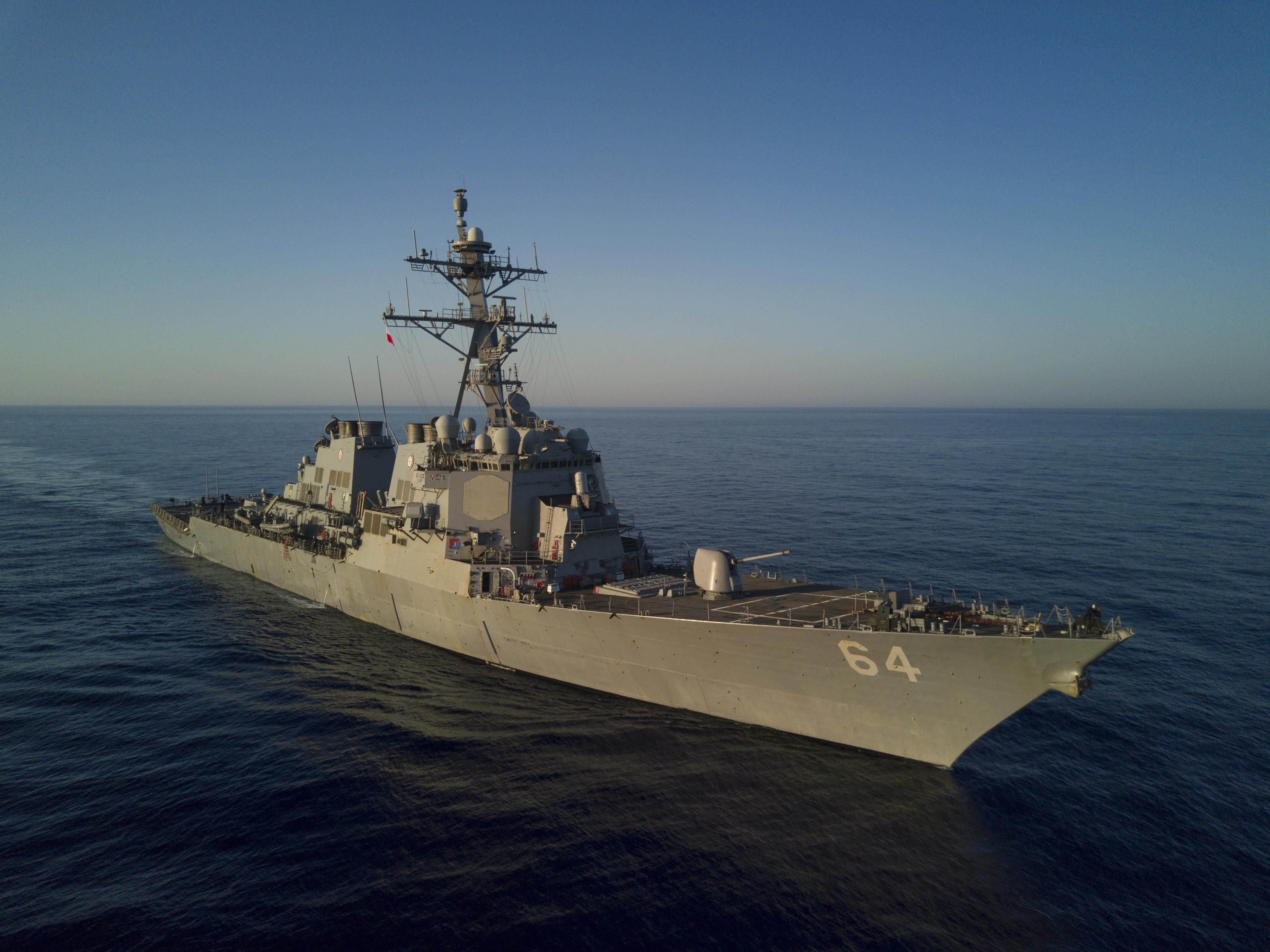
Navy destroyers are concentrated in the Middle East as U.S. forces conduct operations against Iran, according to U.S. Central Command — a move that puts renewed operational demands on a fleet that has experienced prolonged maintenance periods.
As of Sept. 14, two Navy guided-missile destroyers were operating in the Red Sea and another 13 were in the Arabian Sea, according to the U.S. Naval Institute’s fleet tracker, which uses both Navy and public data.
The demand facing the class has been significant, even before the start of the Iran war.
The USS Carney spent 235 days deployed from September 2023 to May 2024 and conducted 51 engagements against Houthi-launched weapons, according to the Navy. The campaign demonstrated what operations around one of those chokepoints can demand from destroyers.
When USS Carney returned in May 2024, then-Chief of Naval Operations Adm. Lisa Franchetti told the crew that the last time the Navy had directly engaged an enemy to that degree was during World War II.
The renewed demand for destroyers in the Middle East comes as the Navy’s maintenance system has struggled to keep the fleet on schedule.
U.S. Fleet Forces Command declined to discuss its current destroyer readiness posture, current operations or potential effects on future deployment schedules, citing operational-security and classification guidelines. The command also declined to provide historical aggregate data on destroyer operational tempo.
According to a December 2025 Congressional Budget Office analysis of Navy maintenance data, the Arleigh Burke-class destroyer overhauls that began between 2011 and 2024 took an average of 26% longer than the Navy’s final schedules estimated.
The 225 DDG-51 overhauls CBO analyzed also required 8% more labor than scheduled.
CBO projected that DDG-51 destroyers will spend an average of more than nine years, or about 27% of their planned service lives, in maintenance. That is more than twice the roughly four years envisioned in the Navy’s 2012 class maintenance plans.
The federal budget agency identified several factors contributing to longer maintenance periods, including the aging fleet, postponed maintenance, late inspections and contract awards, unexpected additional work, delays in parts and materials and modernization work.
The average age of the DDG-51 fleet rose from 10 years in 2011 to 20 years in 2024.
The Government Accountability Office has found broader problems across the Navy’s conventional surface fleet.
In a January 2025 review, GAO found that the Navy requested nearly $24.9 billion for combat-surface-ship maintenance from fiscal 2020 through 2023 and reported that nearly $25.9 billion was appropriated. The Navy reported obligating 99.7% of that funding by the end of fiscal 2023. Yet, GAO found that the service continued to face shortages of spare parts, insufficient qualified maintenance personnel and a continuing need to defer maintenance.
CBO’s analysis covers maintenance events beginning in 2011 and points to longstanding factors, including the age of the destroyer fleet and postponed work.
U.S. Navy destroyers are concentrated in the Middle East as U.S. forces conduct operations against Iran. As of September 14, 2023, 15 guided-missile destroyers are operating in the Red Sea and Arabian Sea. The USS Carney has conducted numerous engagements against Houthi-launched weapons, highlighting the operational demands on the fleet amid ongoing maintenance challenges.
- U.S. Navy destroyers are concentrated in the Middle East for operations against Iran.
- As of September 14, 2023, 15 destroyers are operating in the Red Sea and Arabian Sea.
- USS Carney conducted 51 engagements against Houthi-launched weapons.
- The average age of the DDG-51 fleet rose from 10 years in 2011 to 20 years in 2024.
- The Navy's maintenance system has struggled to keep the fleet on schedule.