
U.S. puts Ukraine-tested interceptor drones through border tests
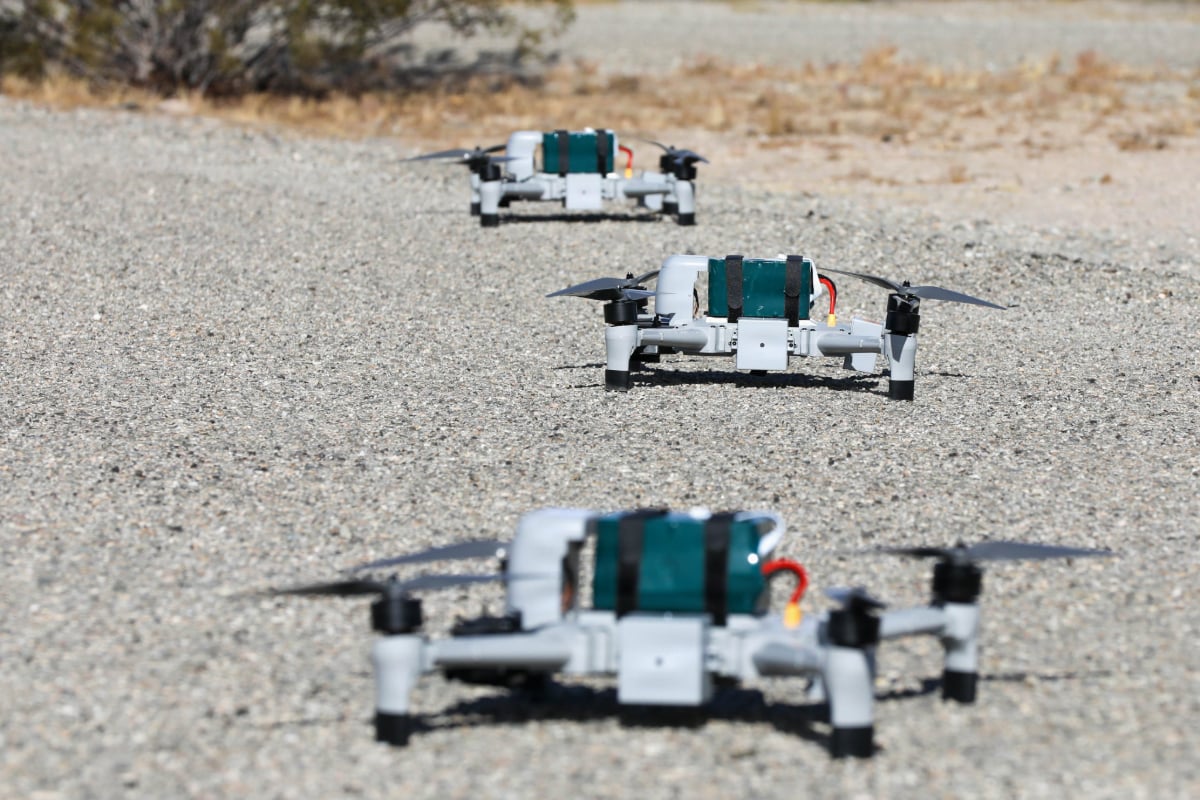
The U.S. Northern Command tested Bumblebee interceptor drones from Perennial Autonomy during Falcon Peak 26.2, a counter-drone experiment underway at Yuma Proving Ground, Arizona, through Sept. 25.
The command said on Sept. 22 that the exercise is pulling lessons directly from Joint Task Force-Southern Border to sharpen how the military detects and stops unauthorized drones used for smuggling and surveillance along the U.S.-Mexico border.
Falcon Peak 26.2 is the fourth iteration of the recurring experiment and the first held at Yuma Proving Ground, run jointly by U.S. Northern Command and the Pentagon’s Joint Interagency Task Force 401. This round is focused specifically on the counter-drone challenges unique to the Southern Border, testing systems for detection, tracking, and low-collateral ways to bring drones down.
“Gaining and maintaining operational control of low-altitude airspace requires complete unity of effort across government partners,” U.S. Northern Command said. “At Falcon Peak 26.2, USNORTHCOM and JIATF-401 are integrating operational lessons directly from the Southern Border. By testing counter-drone systems alongside Joint Task Force-Southern Border and interagency partners, our teams are identifying the exact tools required to detect and interdict unauthorized drones used for illicit surveillance and smuggling. Developing shared tactics and integrated communications ensures our forces maintain decisive domain awareness along the nation’s borders.”
Bumblebee is a semi-autonomous quadcopter built to destroy small drones through direct collision, with a secondary role in reconnaissance and target tracking. Perennial Autonomy has said the system achieves a direct-hit rate above 70 percent using onboard artificial intelligence for terminal guidance, letting the drone stay locked on a target even if the target aircraft’s own operator loses control of it.
That AI-driven guidance is the common thread across Perennial Autonomy’s product line, not just the Bumblebee. Ukrainian forces have used different Bumblebee variants against Russian FPV drones and reconnaissance drones, while Merops has been credited with thousands of intercepts against Shahed-series one-way attack drones and Gerbera decoy and reconnaissance drones. Ukrainian officials and military bloggers have circulated numerous videos of Bumblebee interceptors downing Russian tactical strike drones and FPV drones. Ukrainian units have pointed to that autonomy-first design, more than any single platform, as the reason the company’s equipment has earned their trust.
Perennial Autonomy, founded by former Google CEO Eric Schmidt, began under the names Project White Stork and Project Eagle before adopting its current name. The company built its flagship product, the AS-3 Merops interceptor, for Ukrainian forces fighting off Russian Shahed-series attack drones, and Ukrainian officials credit the system with more than 4,000 intercepts since mid-2024. The company’s Hornet strike drone has also seen use in Ukraine.
The Pentagon has moved to bring that combat record into U.S. service. Joint Interagency Task Force 401 awarded Perennial Autonomy a $5.2 million contract for the Bumblebee V2 system in January, followed by a three-year, $500 million ceiling contract in May covering the Merops, Bumblebee, and Hornet platforms across the joint force. U.S. forces in Central Command have used Merops interceptors against Iranian-designed Shahed drones, and the Marine Corps’ 2nd Marine Division trained on all three systems in August at the Marine Corps Air Ground Combat Center in California.
Falcon Peak 26.2 runs through Sept. 25. U.S. Northern Command has not said which specific technologies from the exercise, including the Bumblebee, will move toward operational use along the Southern Border or on what timeline.
Content preview only. Full article available at source. View Full Article
U.S. Northern Command tested Bumblebee interceptor drones during Falcon Peak 26.2 at Yuma Proving Ground, Arizona, through September 25, 2023. The exercise focuses on counter-drone operations to enhance detection and interdiction of unauthorized drones along the U.S.-Mexico border. This testing integrates operational lessons from Joint Task Force-Southern Border and aims to improve military capabilities against drone threats.
- U.S. Northern Command tested Bumblebee drones at Yuma Proving Ground.
- The exercise is part of Falcon Peak 26.2, focusing on counter-drone challenges at the U.S.-Mexico border.
- Bumblebee drones have been used by Ukrainian forces against Russian drones.
- Perennial Autonomy received a $5.2 million contract for the Bumblebee V2 system.
- The Pentagon is integrating lessons from Ukraine into U.S. military operations.