
U.S. sends unmanned systems to Guantanamo for new command
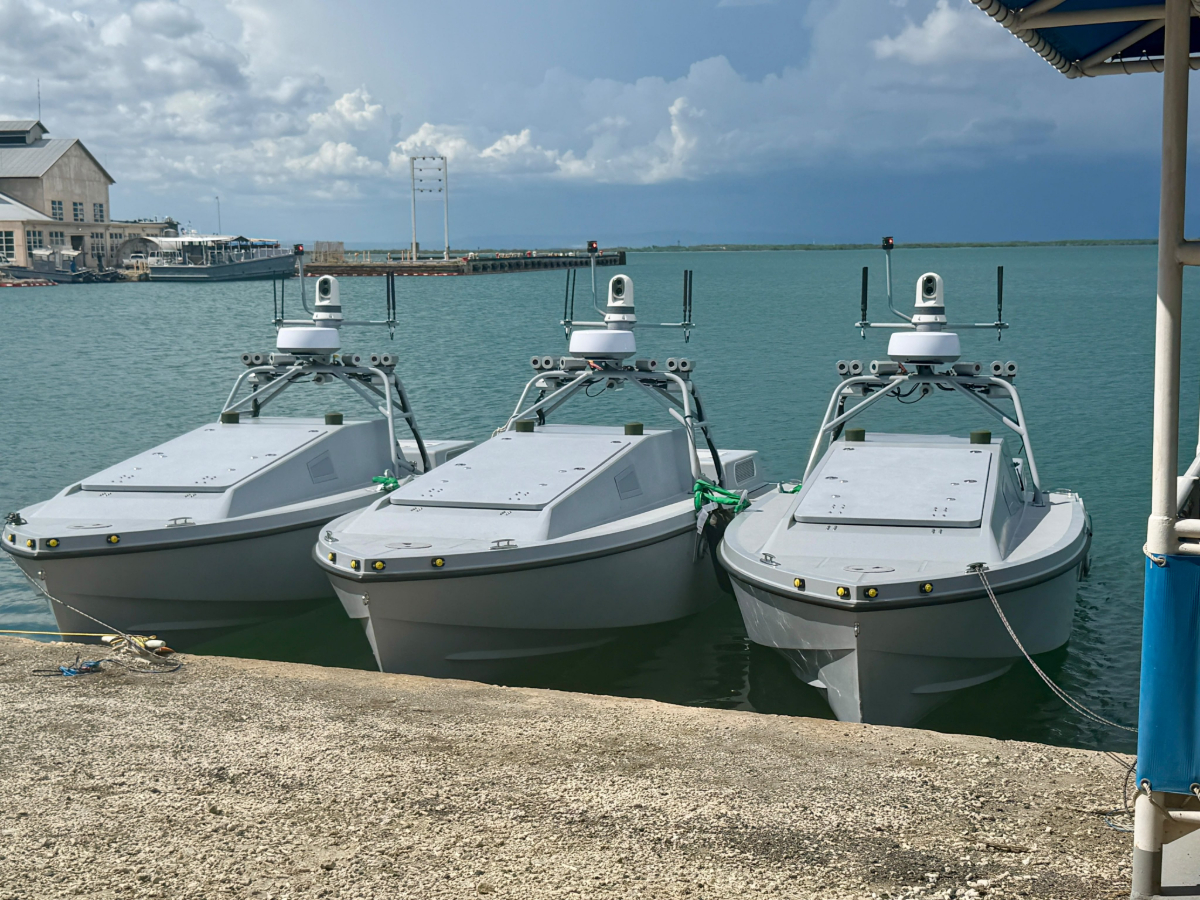
U.S. Southern Command has deployed unmanned systems to Naval Station Guantanamo Bay in Cuba, the first step toward a training and mission-support site there for its new Autonomous Warfare Command.
Marine Gen. Francis L. Donovan, the SOUTHCOM commander, saw the systems during a visit to the base, the command said in a post on X. The systems are supporting missions of Joint Task Force Western Hemisphere, SOUTHCOM’s operational headquarters for counter-cartel and other regional operations.
The command said the Guantanamo site will be a place where teams can train with autonomous systems and integrate them into operations, support current mission needs, and feed lessons from real operations back into training and the development of new capabilities.
Donovan directed the creation of the SOUTHCOM Autonomous Warfare Command, known as SAWC, on April 21. The command said that once fully established, SAWC will employ autonomous, semi-autonomous and unmanned platforms across all domains against threats in Latin America and the Caribbean. It describes SAWC as bringing together people, unmanned systems, data and communications to give commanders a decision and operational advantage.
SOUTHCOM said at the time that it would work with the military services and the Department of War’s Defense Autonomous Warfare Group to find the expertise and equipment the new command needs. A SOUTHCOM spokesperson told DefenseScoop the command would take a deliberate and phased approach to standing it up. SAWC is among the first organizations of its kind at a U.S. geographic combatant command.
The command has since tied SAWC to ongoing operations. In September, SOUTHCOM published images of a U.S. Marine with Combat Logistics Battalion 8 preparing to launch a HANX drone on Sept. 16, saying SAWC was leading efforts to use low-cost autonomous and unmanned systems for surveillance during operations against drug traffickers.
Joint Task Force Western Hemisphere, which the unmanned systems at Guantanamo now support, was activated on Aug. 4. It replaced Joint Task Force Southern Spear, the headquarters behind the U.S. military’s strikes on suspected drug boats in the Caribbean and eastern Pacific. The new task force links U.S. forces with the 18 partner nations of the Americas Counter Cartel Coalition.
Naval Station Guantanamo Bay sits on Cuba’s southeastern coast and is the oldest U.S. overseas military base. Its location gives U.S. forces a foothold between the Atlantic, the Caribbean and the approaches to Central and South America, where SOUTHCOM runs most of its maritime surveillance and interdiction missions.
Content preview only. Full article available at source. View Full Article
U.S. Southern Command deployed unmanned systems to Naval Station Guantanamo Bay to support the new Autonomous Warfare Command. This command, established on April 21, aims to integrate autonomous systems into military operations against threats in Latin America and the Caribbean. The systems are currently supporting Joint Task Force Western Hemisphere's counter-cartel missions, with a drone launch occurring on September 16 for surveillance purposes.
- U.S. Southern Command deployed unmanned systems to Guantanamo Bay.
- The new Autonomous Warfare Command (SAWC) was established on April 21.
- SAWC will integrate autonomous systems into operations against threats in Latin America and the Caribbean.
- Joint Task Force Western Hemisphere supports counter-cartel operations with these systems.
- A HANX drone was launched on September 16 for surveillance against drug traffickers.