
U.S. Space Force wants satellites that can hunt objects in orbit
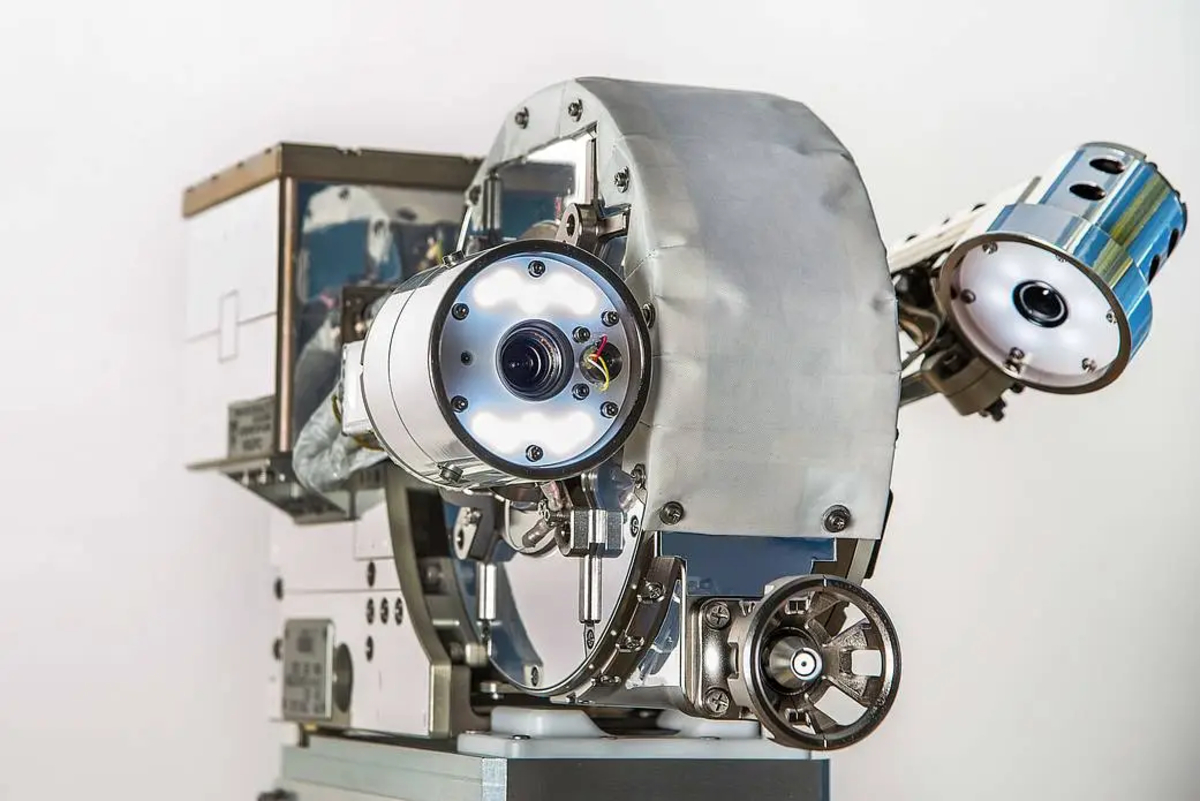
The U.S. Space Force wants companies to pitch satellites that can chase down and inspect objects in orbit on short notice, according to a request for information Space Systems Command published September 18.
Space Systems Command asked industry September 18 to pitch designs for a spacecraft that can chase down another object in space, close in until it’s practically touching it, and inspect or interact with it. The program sits under the Space Force’s VICTUS line, built around one idea: get a satellite off the shelf and into orbit in days, not years.
The baseline ask is a satellite that can sit ready at a contractor’s facility for up to two years, then launch within 14 days of a call-up. The Space Force is also floating a faster tier where a satellite kept on a shorter alert cycle would need to fly within 36 hours, or even 12 hours under the most demanding scenario. Those tighter numbers are stretch goals for now, not hard requirements.
Once it’s up there, the spacecraft needs to close the gap to zero meters from its target, whether that’s a piece of debris or a cooperating satellite, then move to a different orbit and do it again. The Space Force wants this to work in low orbit, medium orbit and the highly elliptical path satellites take on their way to geostationary orbit, with enough fuel on board to make more than a dozen major maneuvers.
The agency also wants a satellite bus that isn’t locked to one company’s hardware. Any qualified vendor’s sensor or payload should be able to bolt on, using an open standard the RFI calls Handle 2.0, so the government isn’t stuck with a single supplier for the life of the program.
The request lands three days after Air Force Secretary Troy Meink told a conference audience the United States already has weapons in orbit. “This is why the United States now has, on orbit, space-control weapons, capable of defending the joint force against hostile adversaries,” Meink said September 15. He gave no details on what the weapons are, how many exist, or when they went up, and nothing in this week’s RFI ties the rendezvous satellite program to that disclosure. Space policy researcher Victoria Samson said she couldn’t recall a U.S. official ever saying something like that before. Meink also mentioned a prototype satellite for tracking moving targets set to launch this month, and said space-based interceptors for the Golden Dome missile shield are ready to fly.
Companies responding to the RFI don’t need a formal proposal. The Space Force wants straight answers: what security clearances the company holds, what facilities it has for building satellites, and proof of flight heritage since January 2021, with at least two satellites already flying in low orbit or one in geostationary orbit by January 2027.
Submissions are due October 19, capped at 15 pages as a white paper or 20 as a slide deck, plus a rough cost breakdown covering engineering, hardware, software, testing and support. Incomplete submissions won’t be reviewed.
This is still market research, not a contract in the making. The Space Force hasn’t set a budget, hasn’t promised a follow-on solicitation, and is aiming for the first satellites to fly sometime in fiscal year 2029, a date that depends on how the rest of the acquisition plan comes together.
Content preview only. Full article available at source. View Full Article
The U.S. Space Force is seeking designs for satellites that can quickly chase and inspect objects in orbit, as outlined in a request for information published on September 18, 2023. The program aims for rapid deployment, with satellites ready to launch within 14 days, and potentially as fast as 12 hours. The initiative is part of the Space Force's VICTUS line, emphasizing flexibility and interoperability in satellite design.
- The U.S. Space Force published a request for information on September 18, 2023.
- The program aims to develop satellites that can inspect objects in orbit on short notice.
- Satellites must be ready for launch within 14 days, with faster options of 36 or 12 hours.
- The spacecraft should be capable of performing multiple maneuvers in various orbits.
- The Space Force is looking for an open standard for satellite components.