
U.S. State Department reduces diplomatic presence in Israel over security concerns
The United States State Department on Feb. 27, 2026, authorized the departure of non-emergency U.S. government personnel and eligible family members from Mission Israel, citing increased safety risks and a deteriorating regional security environment, according to an official notice released the same day.
The decision allows non-essential staff and their families to voluntarily leave Israel while commercial transportation options remain available, marking a precautionary move tied to escalating tensions and recent security incidents across the region.
The authorization comes as U.S. officials reassess the operating environment for diplomatic personnel following a series of regional developments that have raised concerns about potential instability. The State Department said the move is intended to reduce exposure of government personnel to evolving security threats rather than signal an evacuation or closure of diplomatic facilities.
According to the official statement, “On February 27, 2026, the Department of State authorized the departure of non-emergency U.S. government personnel and family members of U.S. government personnel from Mission Israel due to safety risks.” The department emphasized that embassy operations continue, though staffing levels may adjust depending on conditions.
The notice further warned that travel restrictions affecting U.S. government employees could expand without advance notice. The U.S. Embassy stated that it “may further restrict or prohibit U.S. government employees and their family members from traveling to certain areas of Israel, the Old City of Jerusalem, and the West Bank.”
Officials also advised private citizens to monitor transportation availability closely, noting that “persons may wish to consider leaving Israel while commercial flights are available.” Such language is commonly used when the U.S. government assesses that security conditions could change quickly, potentially affecting civilian travel options.
As noted by the State Department, authorized departure status differs from ordered evacuation measures. Personnel may leave voluntarily at government expense, but diplomatic missions remain operational and continue providing consular services.
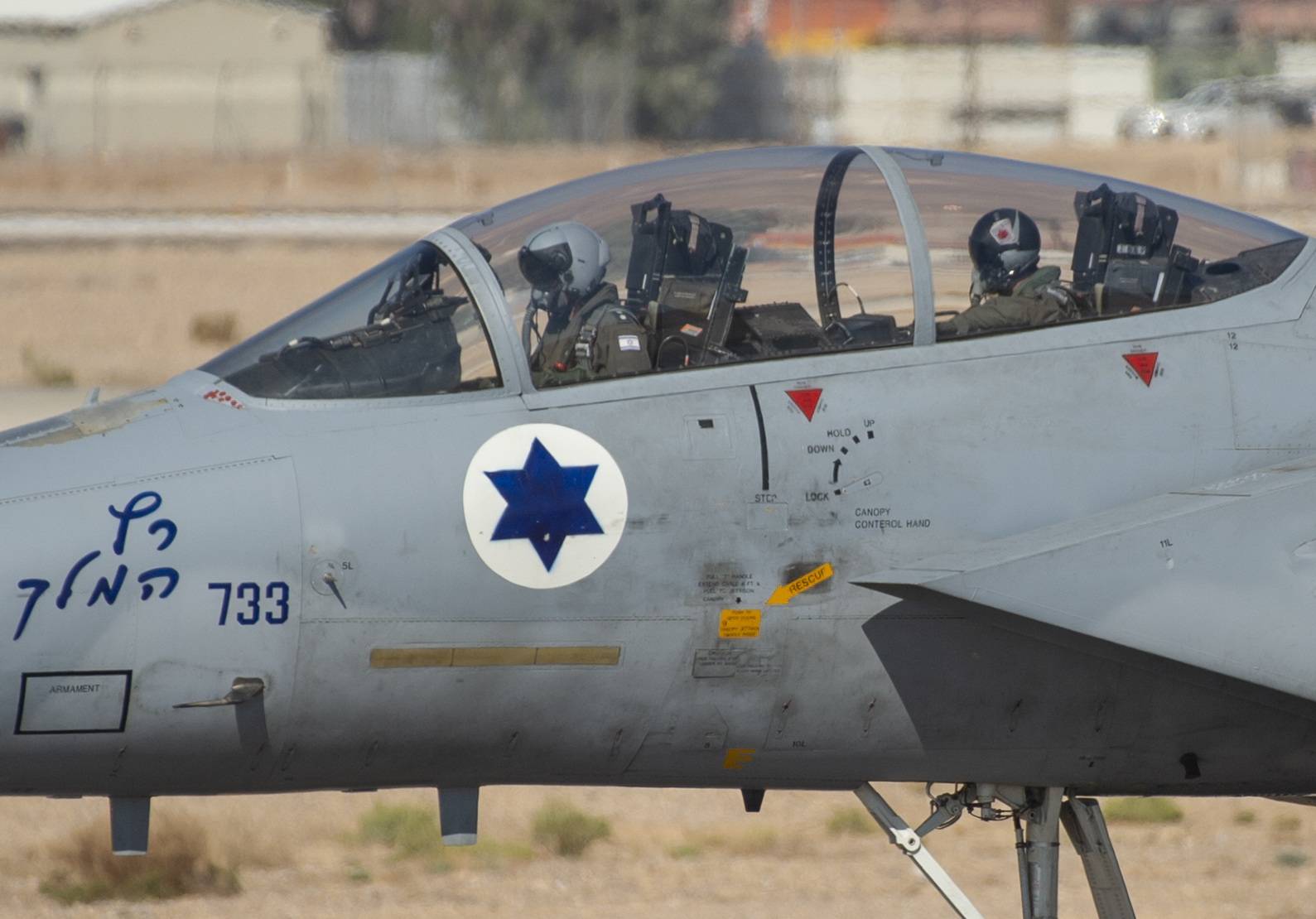
The announcement coincides with heightened military activity in the region. Open-source satellite imagery published by Chinese commercial imaging providers shows at least 11 United States Air Force F-22 fighter jets positioned at Ovda Air Base in southern Israel. The aircraft deployment reflects a broader increase in U.S. military presence across the Middle East amid rising tensions involving Iran.
While U.S. officials have not publicly linked the diplomatic decision directly to specific military movements, the timing aligns with reports that diplomatic negotiations between Washington and Tehran have stalled, contributing to uncertainty surrounding regional security dynamics.
Forward positioning of high-end fighter aircraft also allows the United States to shorten response times and strengthen air defense coordination with regional partners. Military analysts generally view such deployments as precautionary measures intended to stabilize operational conditions rather than preparations for immediate combat operations.
Content preview only. Full article available at source. View Full Article
On February 27, 2026, the U.S. State Department authorized the departure of non-emergency personnel and their families from Israel due to increased safety risks. Concurrently, 11 F-22 fighter jets were deployed to Ovda Air Base, reflecting a heightened U.S. military presence in the region amid escalating tensions. The embassy remains operational, but travel restrictions for U.S. personnel may increase.
- U.S. State Department authorized departure of non-emergency personnel from Israel on February 27, 2026.
- At least 11 F-22 fighter jets are positioned at Ovda Air Base in southern Israel.
- The decision is due to increased safety risks and a deteriorating regional security environment.
- Embassy operations continue, but staffing levels may adjust based on conditions.
- Travel restrictions for U.S. government employees may expand without notice.