
Why Belgium's Drone Deal with Kyiv Acquires Experience that Europe Lacks
 Dr. Klaus Weber
Why Belgium's Drone Deal with Kyiv Buys Experience That Europe Lacks
Belgium has already allocated more than 1.1 billion euros in aid to Ukraine by 2026. In July 2026, the country sourced 100 percent of its LNG imports from Russia. And on August 18, President Volodymyr Zelensky announced after a meeting with Belgian Foreign Minister Maxime Prévot in Kyiv that both countries were working on a "Drone Deal." When you put these three facts side by side, you see the European security dilemma in its purest form: money for defense, energy for the aggressor, and a cooperation formula that buys experience instead of building capabilities.
What the Drone Deal Specifically Means
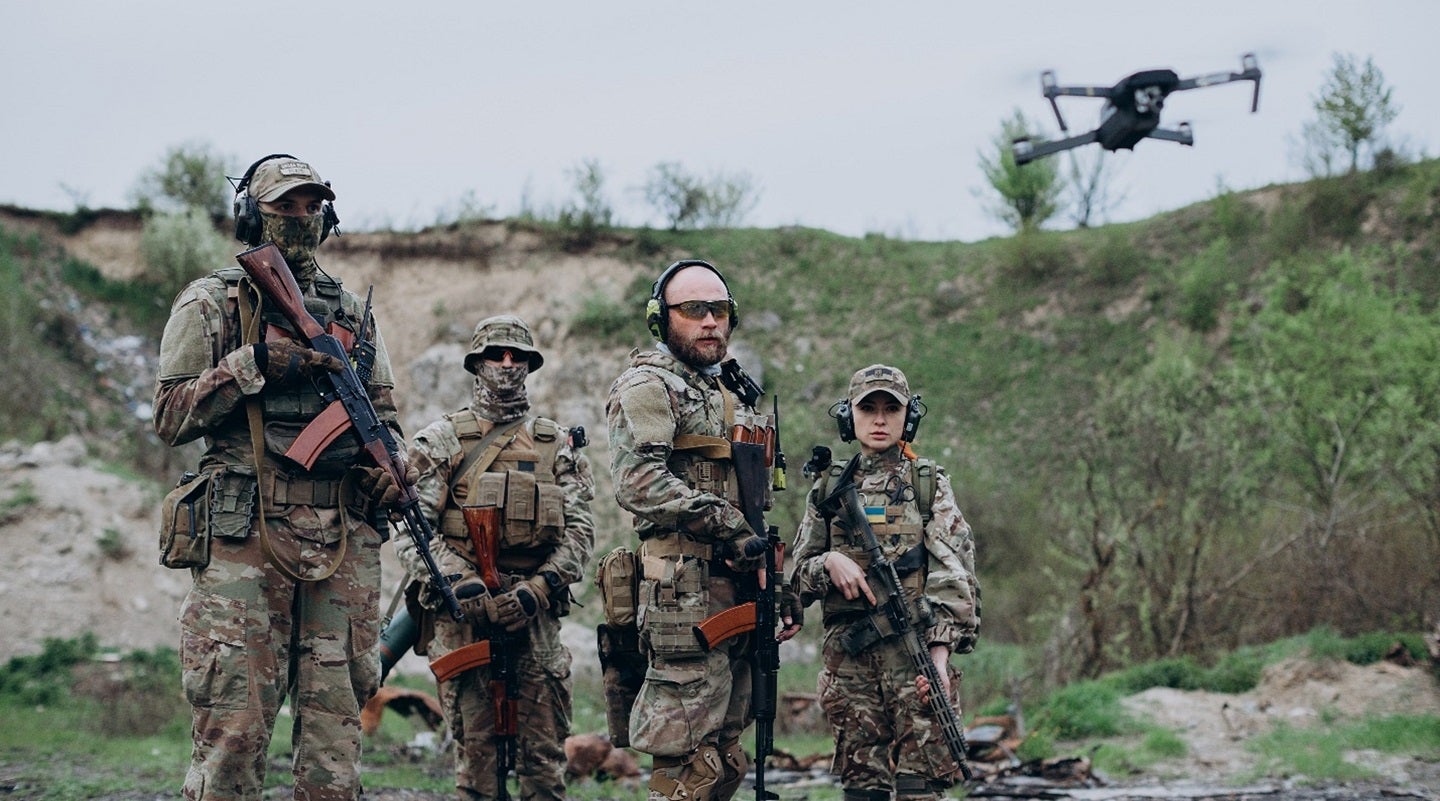
According to Zelensky, Ukrainian and Belgian teams are currently working on the text of the planned agreement; possible signing dates are also being discussed. Ukraine is ready to share its war experience and expertise with its partners. "I hope that we can implement what we have discussed and that there will be better protection against Russian attacks," Zelensky said on X. Prévot, whose country also supports Kyiv's path to the European Union, led the talks in the Ukrainian capital — a visit with significant implications, as Belgium is not one of the loudest voices in European military aid.
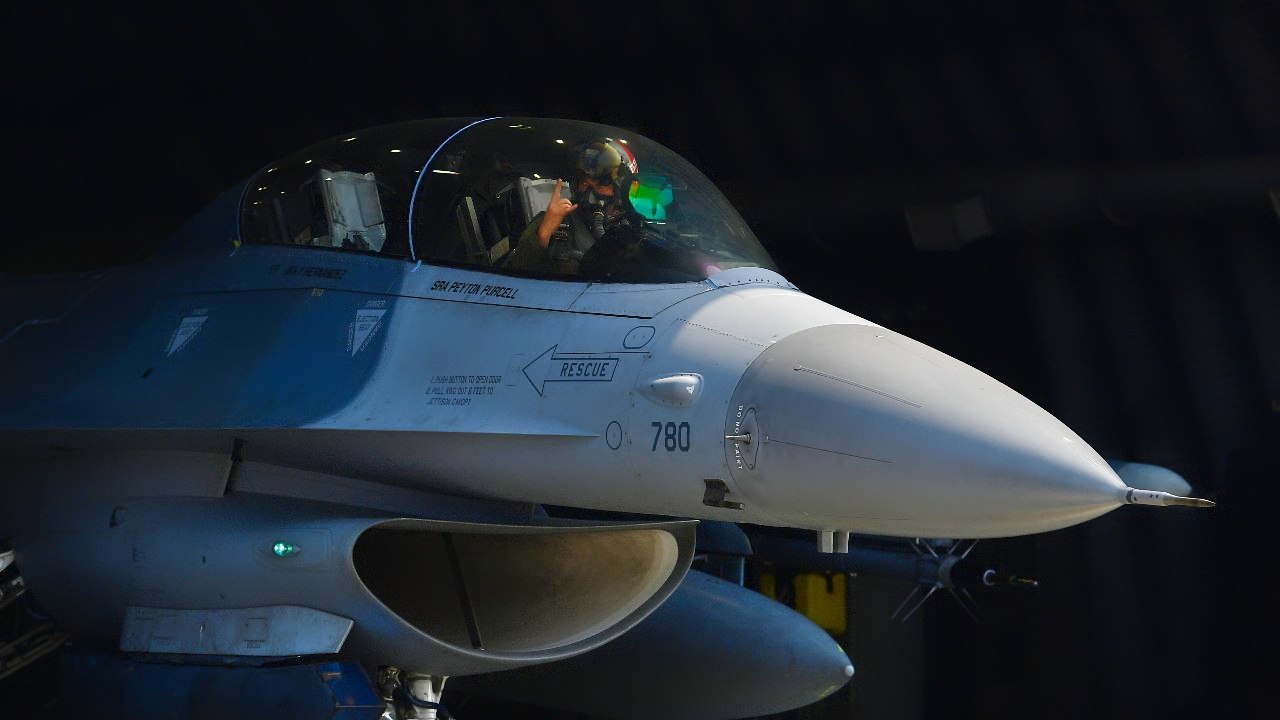
The deal follows a pattern that has been emerging since spring 2026: Spain and Belgium jointly pledged more than two billion euros in new military aid in April — about one billion each — including additional F-16 fighter jets and spare parts for machines already serving in Ukraine. At that time, Kyiv invited Spanish defense companies to test their drones under combat conditions. The Belgian Drone Deal is a continuation of this logic: European money in exchange for access to the world's largest war laboratory.
What Ukraine Can Offer
Ukraine brings to these negotiations what no European army possesses: a war-tested drone industry. According to the Ministry of Defense, the armed forces are already using more than 70 AI-supported systems to combat targets; the government aims to equip all front-line drones with computer vision. More than 200 Ukrainian companies manufacture AI-capable drones, and the state platform Brave1 Market lists 46 military AI solutions.
The data base is the real treasure: the platform Avengers Labs works with an annotated dataset of five million combat recordings from the command system DELTA; it recognizes 70 percent of enemy equipment in video streams, with a single report in 2.2 seconds. Neural networks keep targets in sight even when the radio connection to the operator is disrupted by electronic warfare. This very capability — autonomous targeting against interference — is what European armed forces have been seeking for years, and no national industry has yet produced it in series. Additionally, there is sheer volume: Ukraine is now estimated to produce millions of drones per year — a scale that European manufacturing lines can only dream of.
"Experience cannot be licensed."
Buying Experience Instead of Building Capabilities
However, this is where institutional skepticism begins. A Drone Deal, as Belgium seeks, is a knowledge and procurement agreement, not a production partnership. Belgium has no significant drone industry; the lion's share of its defense investments goes into F-35s, F-16s, and ground-based air defense, including the NASAMS system, which Brussels has already provided to Ukraine. What Kyiv can deliver is operational knowledge — but knowledge that resides in minds and datasets cannot be transferred to Belgian factory halls. A contract for "experience exchange" does not create serial production, a supply chain, or European jobs in drone production.
The pattern repeats across Europe: Spain offers drone tests under combat conditions, Bulgaria signed a ten-year co-production agreement in March, and now Belgium is negotiating. Everywhere, Europe is buying access to Ukrainian combat experience instead of building its own capacities. The SAFE Fund, with its 150 billion euros, finances these purchases — a financial response to a production problem, as was the case with the record Ukraine aid of 7.2 billion euros in June, which was largely an accounting event. Allocations are not deliveries, and loans are not capabilities — this principle also applies to the Drone Deal.
The Contradiction That Brussels Does Not Resolve
The dilemma is most sharply evident in energy procurement. While Belgium allocates 1.1 billion euros for Kyiv, all of the country's LNG imports in July 2026 came from Russia — just months before the complete EU import ban that will take effect in 2027. The 21st EU sanctions package, decided in July, also extended exemptions for Japan's and South Korea's Sakhalin-2 imports and granted the Greek shipping company Dynagas an opt-out for Russian LNG. The justification: the economic damage to Russia is minimal. But this very logic keeps the Russian war economy running — while the same EU supports Kyiv with money, F-16 spare parts, and now a drone agreement.
On the same day the Drone Deal was announced, Russia threatened the UK over its drone deliveries to Ukraine — while Moscow claimed to have intercepted nearly 200 Ukrainian drones over the Moscow region. The drone war has long been the central theater of this conflict; whoever conducts it determines the pace of escalation. It is all the more remarkable that European governments continue to primarily buy instead of produce.
An Honest Deal with a Bitter Admission
The Drone Deal between Kyiv and Brussels is in some ways the most honest form of European aid to Ukraine: Belgium pays what it has — money and F-16 spare parts — and buys what it cannot produce itself: the lessons from the largest conventional war since 1945. Yet therein lies the admission. Europe's defense industry cannot draw these lessons itself; it must buy them. And a country that sources 100 percent of its LNG from Russia while simultaneously signing a drone contract with Kyiv is maintaining two separate accounts of security policy. As long as this does not change, the Drone Deal remains a useful symbol — but not a structural breakthrough. Experience can be bought; capabilities must be built.
Belgium and Ukraine are negotiating a drone deal, announced by President Zelensky after a meeting with Belgian Foreign Minister Prévot in Kyiv on August 18, 2026. The deal aims to leverage Ukraine's combat experience and advanced drone technology, as Belgium provides military aid. This cooperation highlights Europe's reliance on Ukrainian expertise amid ongoing security challenges.
- Belgium allocated over 1.1 billion euros in aid to Ukraine by 2026.
- Belgium imports 100% of its LNG from Russia as of July 2026.
- Ukraine and Belgium are negotiating a drone deal to share combat experience.
- Ukraine has a proven drone industry with over 200 companies producing AI-capable drones.
- The drone deal is part of a broader pattern of European countries seeking access to Ukrainian combat experience.