
Why Switzerland is Paying 970 Million Francs for IRIS-T SLM and Skynex — the Patriot Delay as Industrial Policy
 Dr. Klaus Weber
Why Switzerland is Paying 970 Million Francs for IRIS-T SLM and Skynex — the Patriot Delay as Industrial Policy
Switzerland wants to invest an additional 970 million francs in air defense — and yet it will not receive its ordered Patriot systems from 2019 for at least four to five years late. This is the real point of the Federal Council's announcement from August 19, 2026: The richest country in Europe, which can afford this surcharge thanks to better tax revenues, cannot buy its way out of the waiting list. Money does not solve production problems — not even in Switzerland.
The Numbers Behind the Surcharge
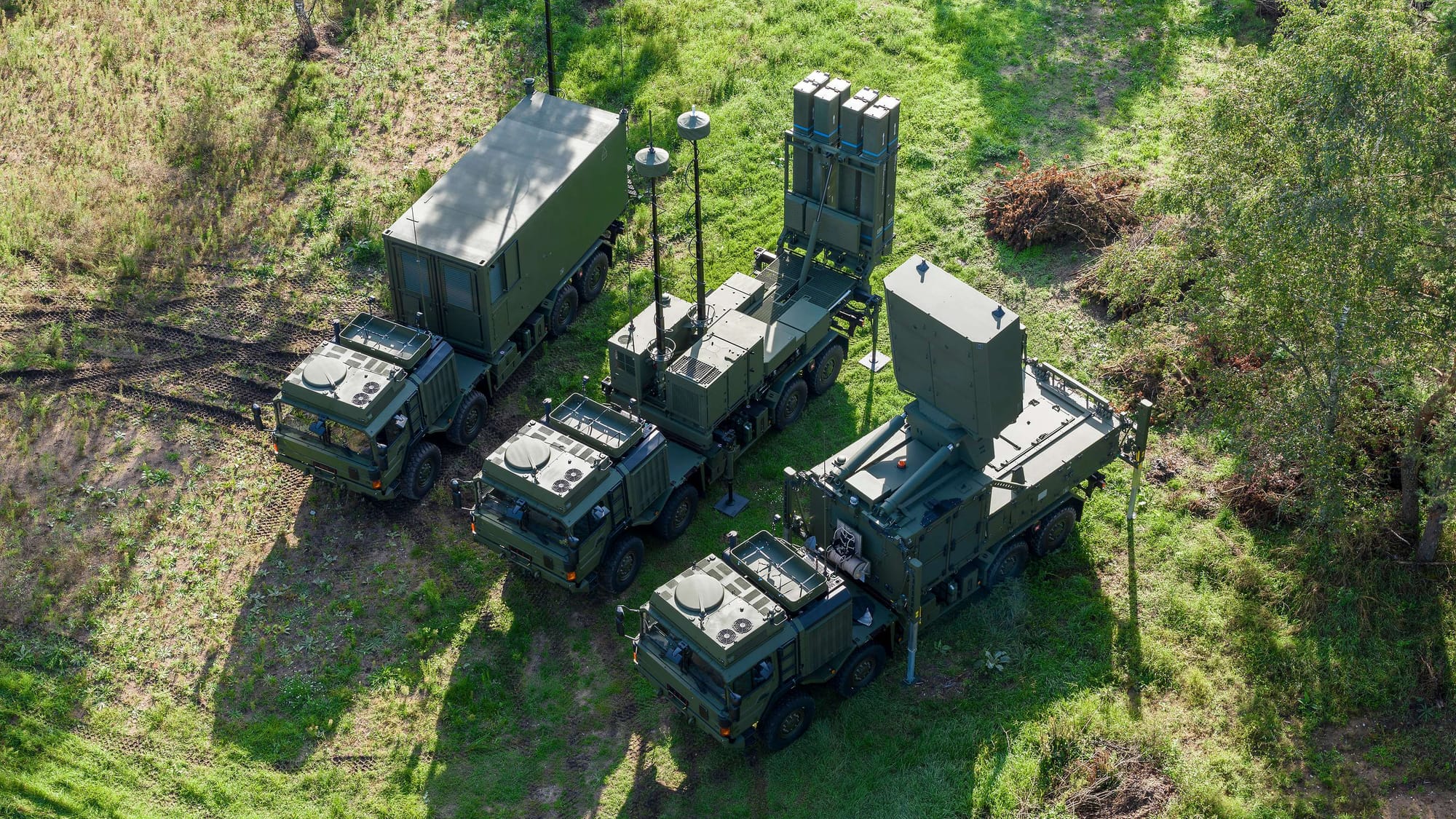
The Federal Council wants to ask Parliament for a supplementary credit of 970 million francs for the year 2026. The breakdown shows where the journey is headed:
- 250 million francs in advance payments for ground-based short-range air defense
- 650 million francs for medium-range systems
- 60 million francs for a medium-range radar
- 10 million francs for drone defense systems
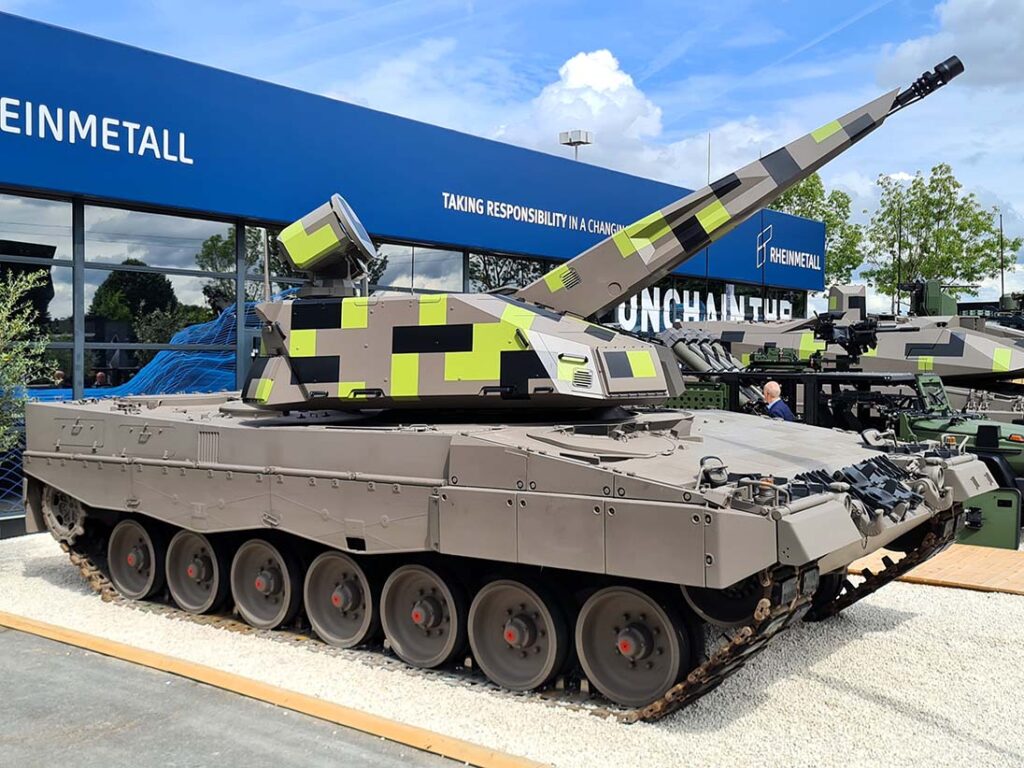
Following the 2026 armaments program, Bern plans to allocate around one billion francs for the medium-range system IRIS-T SLM from Diehl and 800 million francs for the short-range system Oerlikon Skynex from Rheinmetall. The advance payments are explicitly intended to secure production capacities and delivery dates early. This is a new phenomenon in the arms market: Manufacturers are now demanding "substantial" advance payments, or else years of delays threaten. The market dictates the terms — no longer the state. Additionally, there are 100 million francs for securing more than 60 military properties, from fences to video surveillance to access controls. A neutral state building sabotage protection against missile defense: Hybrid operations and attacks from a distance are the most likely threats, the Federal Council itself writes.
The Trigger is in Arlington, Not in Bern
Switzerland is not buying European out of conviction. It is doing so because Washington cannot deliver. Already in March 2026, Defense Minister Martin Pfister admitted that the delivery of the Patriot systems ordered in 2019 would be delayed by four to five years and that the costs of the two-billion contract could rise by up to 50 percent. The USA had reprioritized production in favor of Ukraine — neutrality apparently also disregards the waiting list.
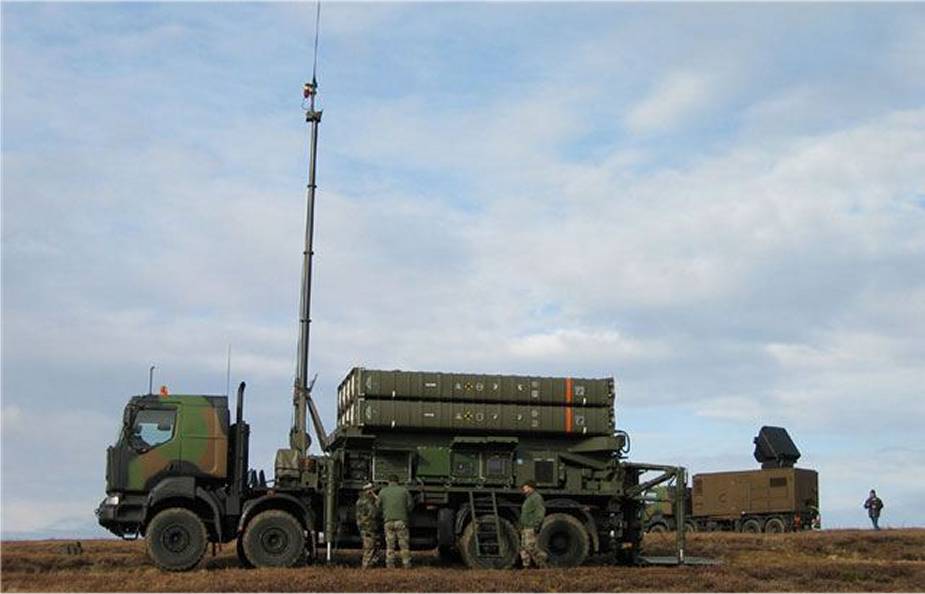
The consequence is a paradigm shift in procurement logic: The Federal Council has tasked the department to "immediately" examine the procurement of a second long-range system. This "should preferably be produced in Europe," said Pfister — "so that we are no longer dependent on a single supply chain or a single country." According to SRF research, the French-Italian SAMP/T NG from the Eurosam consortium is considered the favorite; also in the running are Hanwha from South Korea and Rafael from Israel. That a country that has relied on American systems for decades is now explicitly demanding a European alternative would have been unthinkable just two years ago.
The European Response and Its Own Bottlenecks
The irony is twofold. First: What decades of European defense cooperation have not achieved, the American production crisis accomplishes — a wealthy European state is effectively becoming the anchor customer of the European industry. Secondly: The European alternatives are themselves capacity-constrained. Eurosam promises deliveries starting in 2028/2029 for orders placed this year, Hanwha from 2029, and even Diehl, whose system is still reportedly in development according to SRF, promises deliveries from 2029. Missile defense researcher Timur Kadyshev from the University of Hamburg calls these promises "very ambitious": Demand is far above what the industry can produce. Eurosam also lacks capacities.
"We will no longer be dependent on a single supply chain or a single country." — Martin Pfister, Head of the Federal Department of Defense, March 2026
Denmark has taken a similar path by choosing SAMP/T over Patriot in September 2025. But the parallel is misleading: Denmark is a NATO member and can rely on collective defense. Switzerland stands alone. Every delivery delay, every production bottleneck hits it directly — without an Article 5 safety net. That is precisely why Switzerland's procurement strategy is a better indicator of the state of the European air defense industry than any NATO planning: It buys on the open market, without political considerations, and it buys what is available.
The Real Paradox
For the supplementary credit does not solve the fundamental problem: Switzerland has never had a financing problem — it has a capacity problem. The 31 billion franc budget gap in defense and civil security agencies, the planned VAT increase of 0.8 percent over ten years, and the special fund for urgent procurements show: Bern must now make the democratically most difficult decision, namely to let the citizens vote on the costs of deterrence. At the same time, its own air force is shrinking: Instead of the planned 36 F-35s, there will likely only be around 30, as the federal government does not want to approve the additional 1.1 billion francs — the fighter jet fleet is getting smaller while ground-to-air defense is becoming more expensive.
The shift from the American bottleneck to the European bottleneck is therefore not an exit from the crisis, but a move within the same. What is new, however, is that Switzerland — the country that has rejected every deepening of EU integration by popular vote — is now co-ordering from the European defense industry. The Patriot delay thus proves to be the most effective thing that has happened to European air defense in years: not out of insight, but out of necessity, industrial policy is emerging. Europe is getting the industrial policy it never decided on — subsidized with 970 million francs of Swiss taxpayer money.
Whether it deserves it will be measured by whether IRIS-T SLM, Skynex, and SAMP/T meet the delivery dates they are so generously promising. Switzerland has paid. Now Europe must deliver. Those who switch from the American bottleneck to the European bottleneck have changed the problem. But at least: They have changed it — and this time there is a customer behind it who knows the bill.
Switzerland is increasing its air defense budget by 970 million Swiss Francs to secure production capacities for new systems like IRIS-T SLM and Skynex, due to delays in receiving Patriot systems. The Swiss Federal Council announced this decision on August 19, 2026, as the country faces a shift in defense procurement from American to European systems amid production challenges. The delays in Patriot system deliveries are attributed to U.S. prioritization of aid to Ukraine.
- Switzerland plans to invest 970 million Swiss Francs in air defense systems.
- The delivery of Patriot systems is delayed by four to five years.
- Switzerland is seeking to secure production capacities for new defense systems.
- The shift in procurement strategy is influenced by U.S. production priorities for Ukraine.
- European alternatives for defense systems are also facing capacity constraints.