

Summary and Key Points: The short answer is that the United States is rich enough to build nuclear submarines. Over 40 navies run 320 to 330 diesel and air-independent boats; about 150 submarines are nuclear, and the US Navy operates 68 to 71 of them. US subs deploy for months, and a nuclear attack boat reaches the South China Sea from San Diego in 12 to 15 days. AIP and diesel boats must crawl under 6 knots to stay quiet while their targets cruise at 18 to 25, give up hull space to fuel and liquid oxygen, limit the electricity for sensors, and depend on tankers an enemy can sink.
The US Navy’s Submarine Choice in 1 Word
The shortest, most direct answer to the question posed in the title is this: the United States is rich and can afford to develop and use nuclear power. Or in one word: nuclear.
Strategic, practical, and logistical reasons for using submarines for both deterrence and armed conflict also matter.
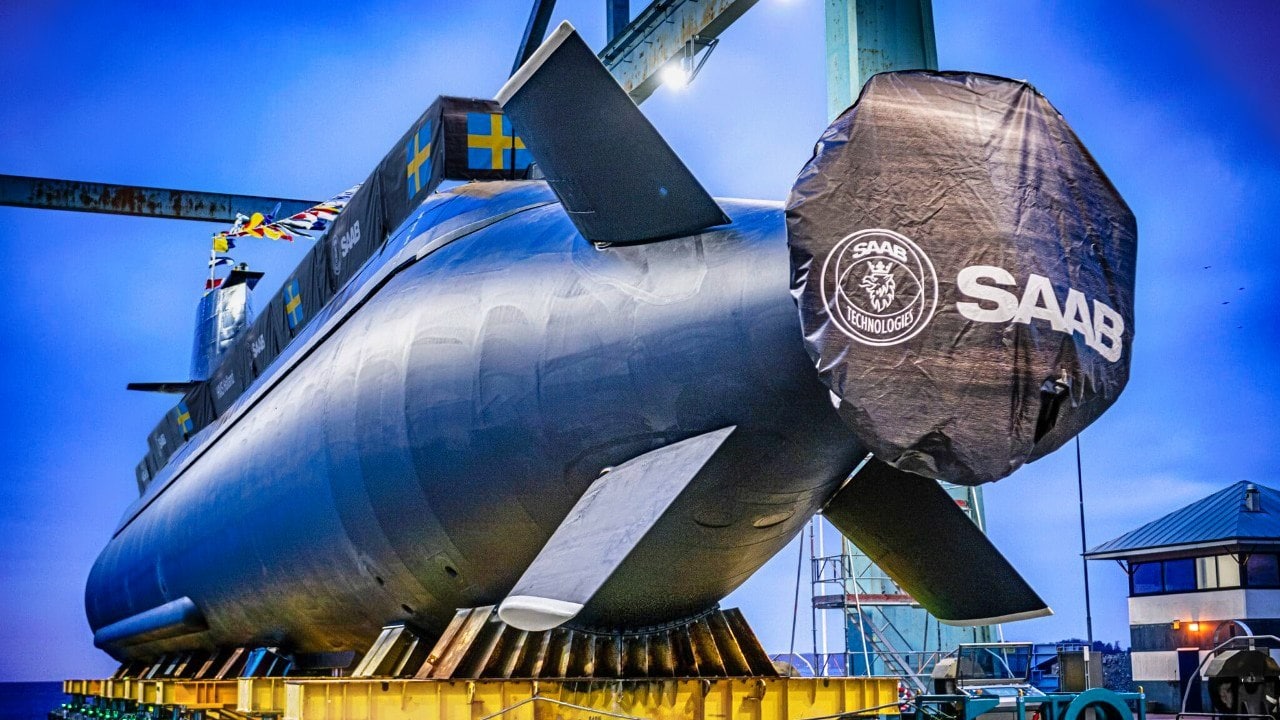
Gotland-Class. Image Credit: Saab.
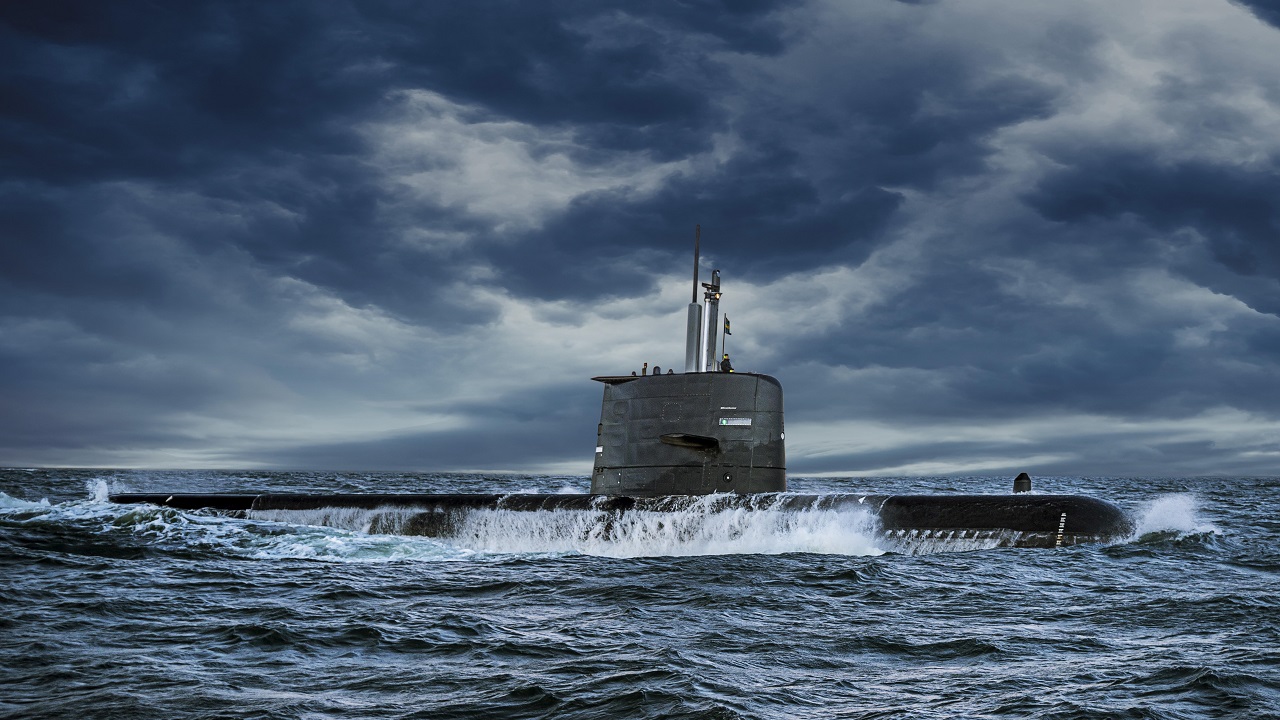
Gotland-Class. Image Credit: Saab.
Air-Independent Propulsion Systems (AIP) and diesel power are currently used by 42 to 43 countries and 320 to 330 submarines.
About 150 submarines run on nuclear power, with the US Navy operating 68-71 of them and the remainder divided among Russia, China, India, France and the UK.
What is AIP and Diesel Propulsion?
Air-Independent Propulsion systems allow a submarine to operate submerged for a sustained period without coming to the surface or using a snorkel to get oxygen.
AIP systems come in several forms, using different fuels and mechanical systems.
The most common is the Fuel Cell AIP system.
It uses pure hydrogen and liquid oxygen in a mix, creating an electrochemical reaction to generate electricity without combustion (and noise).
They are all but completely silent in operation.
Stirling Engine AIP
A closed-cycle internal combustion engine burns diesel fuel and liquid oxygen to heat enclosed gases like helium, driving a piston to generate electricity to power the submarine’s systems.
The (MESMA) or Closed-Cycle Steam Turbine.
It uses a high-pressure combustion chamber to burn methanol and liquid oxygen, creating steam that spins a traditional turbine to generate electricity.
Closed-Circuit Diesel (CCD)
This older system uses a standard diesel engine, running on diesel fuel mixed with liquid oxygen and argon, to drive a generator that produces electricity.
Finally, you have the traditional Diesel-electric propulsion system.
Diesel engines breathe air on the surface or via a snorkel while running just below the surface, power electric generators that supply electricity to the propellers and internal systems, and charge batteries that power the submarine when fully submerged.
While some of these systems are advanced and can operate quietly, the US Navy has found them unsuited for its own submarines.
The US Navy Wanted The Global Reach Of Nuclear-Powered Submarines
US Navy submarines operate globally, spanning the world’s oceans.
They operate in forward-deployed stations while submerged for months.
To reach these stations, they often operate at high sustained speeds.
A US Navy nuclear attack submarine can leave San Diego and arrive in the South China Sea in 12-15 days.
Submarines equipped with AIP or Diesel systems simply lack the sustained speed, range, and submerged endurance required to make fast transits like this.
This is why subs equipped with these systems are generally relegated to patrols in home waters.
AIP and Diesel engines come with some severe tactical and speed limitations.
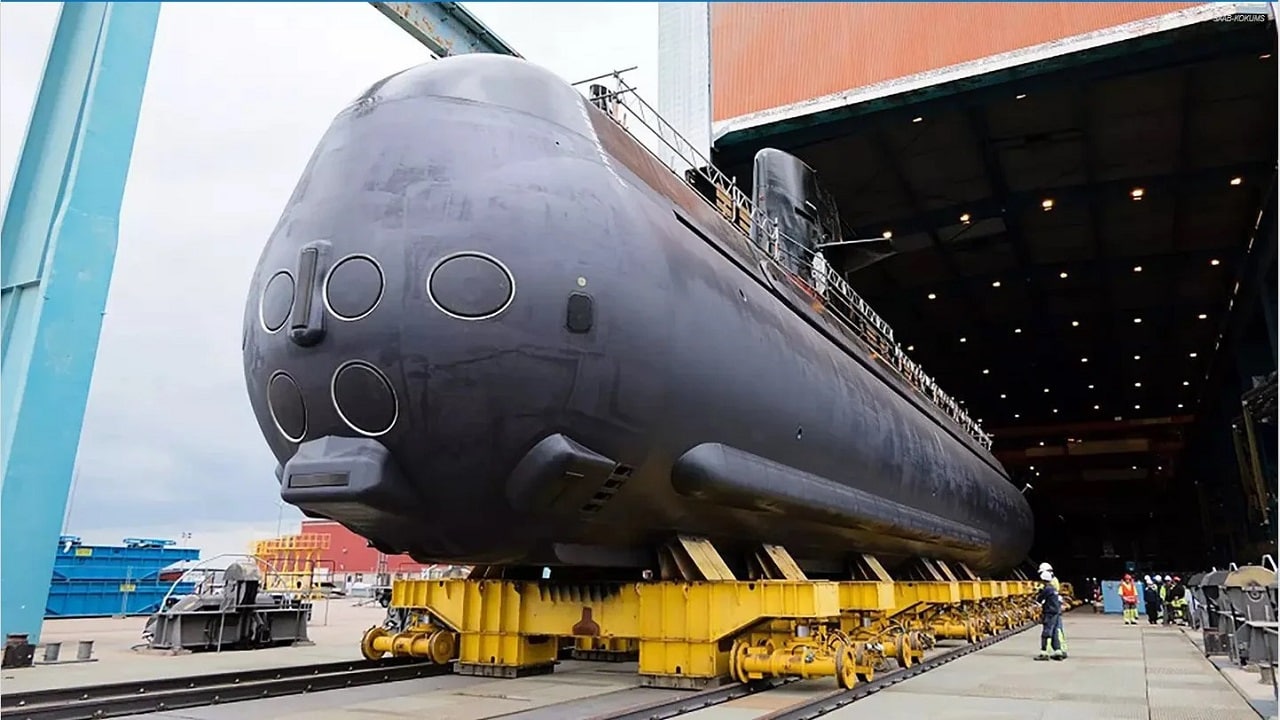
Gotland-Class. Image Credit: Creative Commons.
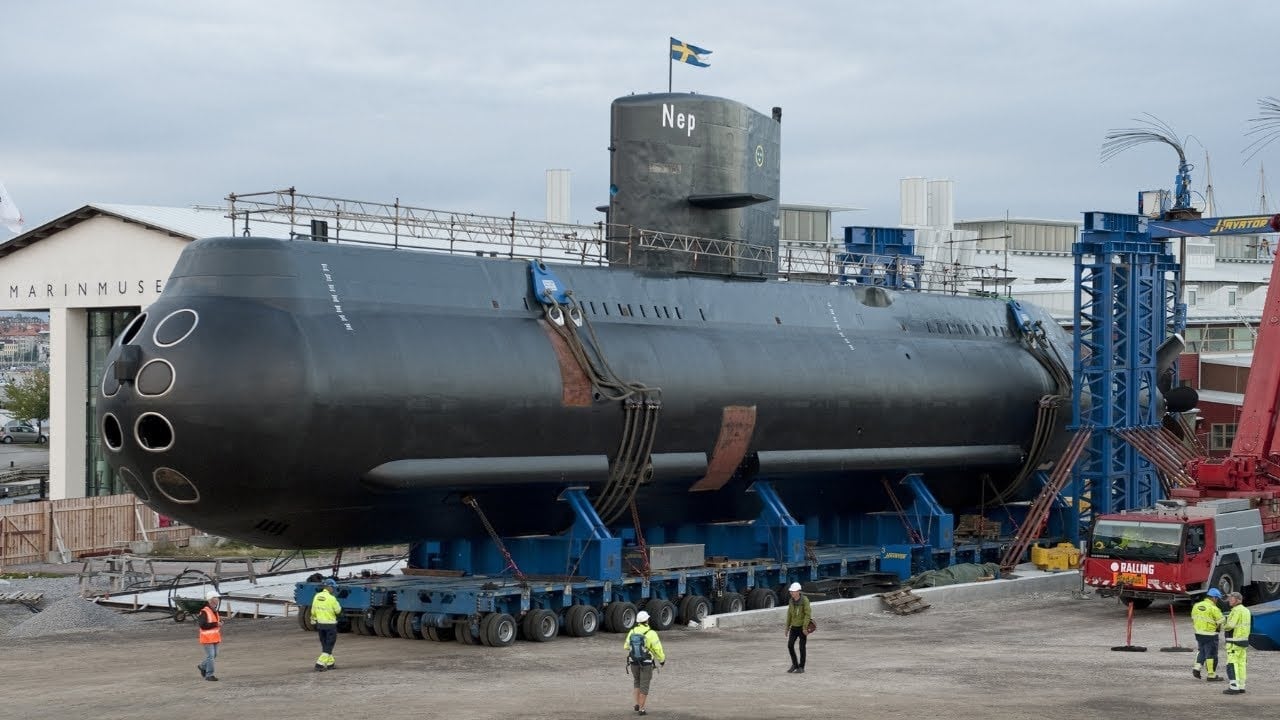
Gotland-class submarine. Image Credit: Creative Commons.
To operate efficiently and quietly, these submarines must run at speeds below 6 kts.
Unless they are positioned in the path of their target, they lack the speed and endurance to run down and attack most other naval vessels, which cruise at 18-25 kts.
This is not to say these smaller, conventionally powered submarines don’t have advantages in shallow waters close to shore or in blocking strategic chokepoints in a conflict.
Still, they come with a disadvantage as well.
If an adversary knows your submarines are limited to certain areas of the ocean or narrow choke points, he can sow the area with mines or concentrate ASW patrol aircraft there to find and destroy them.
AIP and Diesel systems take up a lot of room on a Submarine
Believe it or not, nuclear reactors on US submarines are compact.
AIP and Diesel systems can be too, mechanically speaking. Then you get to the space taken up by fuel storage.
AIP and Diesel systems consume vast amounts of interior space for liquid oxygen and fuel.
By contrast, the enriched uranium used by US submarines would weigh about 11lbs and have a total mass about the size of a softball.
All that space for fuel and oxidizers on AIP or diesel submarines leaves less space for weapons and advanced sensor arrays.
AIP and Diesel Systems Provide Limited Electric Power To Submarines
Modern warfare demands vast amounts of electricity to power sensors, electronic warfare systems, supercomputers, air conditioning, and refrigeration.
AIP and Diesel systems have hard limits on how much current they can produce, and the equipment on board must be within those limits.
Aboard US nuclear submarines, the nuclear reactor and ship-service turbine generators produce almost unlimited electrical power at any speed load placed on the propulsion system.
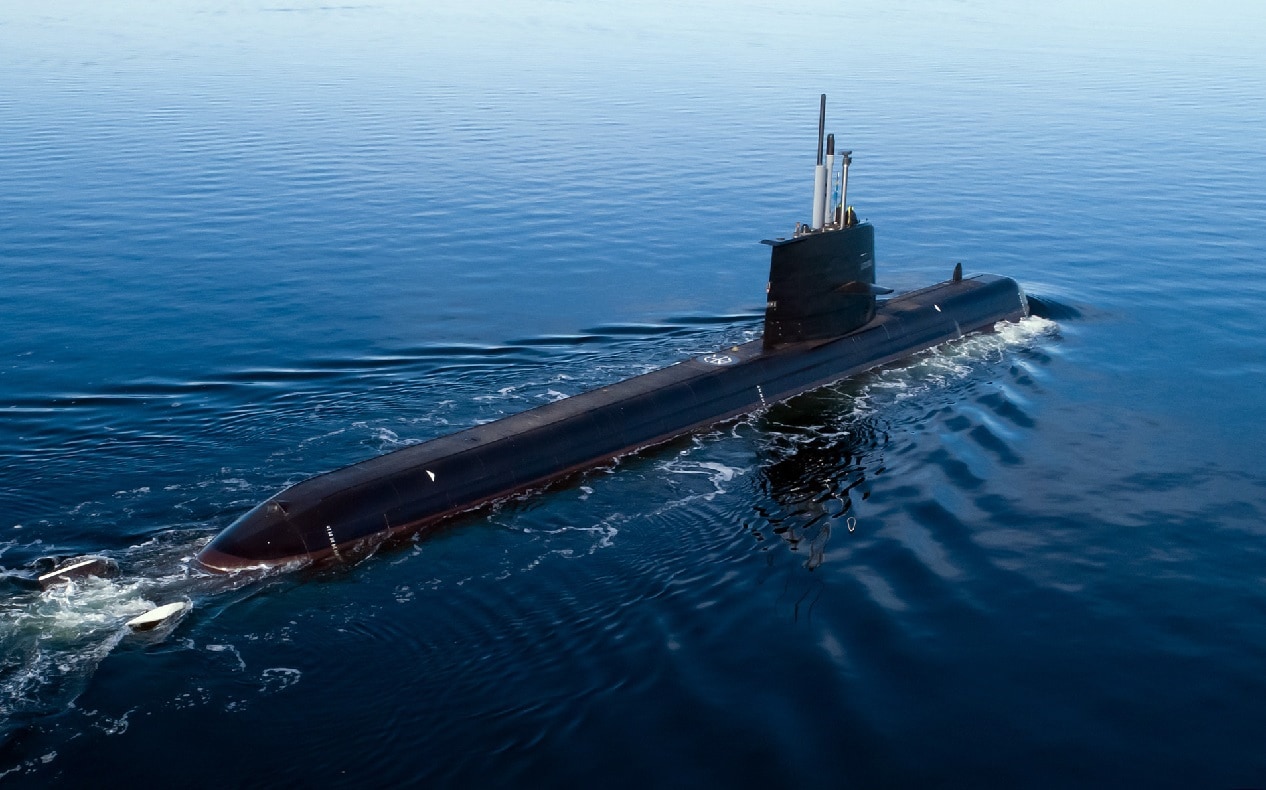
Image of Gotland-class Submarine.
AIP and diesel systems also have a large logistical footprint that creates a dangerous strategic liability.
While nuclear-powered submarines can go as long as 20 years without refueling, AIP- and diesel-powered submarines cannot.
As a result, any navy using these propulsion systems must also invest heavily in a global logistics and tanker fleet to keep them at sea far from home.
These ships must carry diesel fuel, or hydrogen and liquid oxygen.
All are flammable, and liquid oxygen is incredibly dangerous to handle ashore, let alone at sea.
Beyond maintaining a stretched supply line in a conflict, these tankers are a strategic liability.
There is no need to hunt down AIP or diesel-powered submarines individually; just sink their slow, lumbering tankers and sustainment ships, and you have “Mission-Killed” them wherever they happen to be.
Cut off from fuel and supplies, they will have to stretch their remaining fuel and stores to get back to port.
The nations that operate these submarines know this very well.
It is another reason AIP and diesel-powered subs in foreign navies are generally restricted to operating close to their home bases.
The Relative Cost Of Nuclear Power Changed The Strategic Posture of Most Countries.
If nuclear-powered propulsion in submarines were cheap, everybody would use it.
The reactor system alone accounts for 25-33% of the total cost of a US nuclear submarine.
On the back side of it, you have very advanced and expensive metallurgy, specialized multi-year training programs for crews, and the need to refine and enrich uranium on an industrial scale.
Because of these expenses and infrastructure requirements, even relatively wealthy countries like Japan and Germany had to choose between a few very expensive nuclear submarines that could operate globally or a greater number of AIP and diesel-powered subs that could protect their home waters defensively.
For the United States Navy, the choice in favor of many globe-spanning nuclear submarines was made in 1954, with the launch of the world’s first nuclear-powered submarine, the USS Nautilus (SSN-571)
About the Author: Sean Spoonts
Sean Spoonts is the former Editor-In-Chief of SOFREP.com. He is a military analyst, writer, and commentator whose work has appeared in Newsweek, CS News, Ukrinform, and various military/veteran media networks and professional publications, including the Military Intelligence Professional Bulletin. He is a U.S. Navy veteran, having served as an Aviation Anti-Submarine Warfare Operator and Search and Rescue Helicopter Aircrewman.