
Wreck of Coast Guard cutter sunk in World War I found after 108 years

Source: Task & Purpose
Loading...ConfirmedCredibility: 81%
Report Content
The Coast Guard cutter Tampa was sailing alone on the night of Sept. 26, 1918, on its way back to southern Wales to resupply. It had been part of an escort convoy for merchant ships, on the prowl for German U-boats. Without warning, the cutter was hit by a torpedo. The German U-boat UB-91 had scored a direct hit. The ship sank in less than three minutes, with no survivors. 111 Coast Guardsmen and four Navy sailors died in the sinking. 15 British sailors, some military, some civilian, also perished.
It was the single greatest naval loss for the United States during World War I. And the cutter was lost for more than a century.
Until this week, when a team of British divers located it roughly 50 miles off the coast of Newquay, England. The Gasperados Dive Team, a British-based diving group, announced that they had found the wreck, with the U.S. Coast Guard confirming it is the Tampa.
The shipwreck is sitting on the sea floor at a depth of roughly 320 feet, according to the divers. According to the team, it took several trips, investigating potential sites and leads, only finding the wreckage on the tenth trip this past weekend. Video and images shared by the dive team show clearly identifiable parts of the ship, including its anchor and a steam boiler.
Top Stories This Week
“This discovery is the result of three years of research and exploration. Tampa is of huge importance to the United States and the relatives of everyone who died that day. Their final resting place is known at last,” Gasperados team lead Steve Mortimer said in a social media post announcing the find.
The Coast Guard confirmed the discovery on Wednesday. The search effort goes back to 2023, when the Gasperados Dive Team began working with the Coast Guard Historian’s Office to try and locate the wreck.
The ship, originally named the Miami, started service in 1912 as part of the U.S. Revenue Cutter Service, a precursor to the Coast Guard. It spent its early years on the eastern seaboard, including running ice patrols, before it joined the Coast Guard and was rechristened the USCGC Tampa.
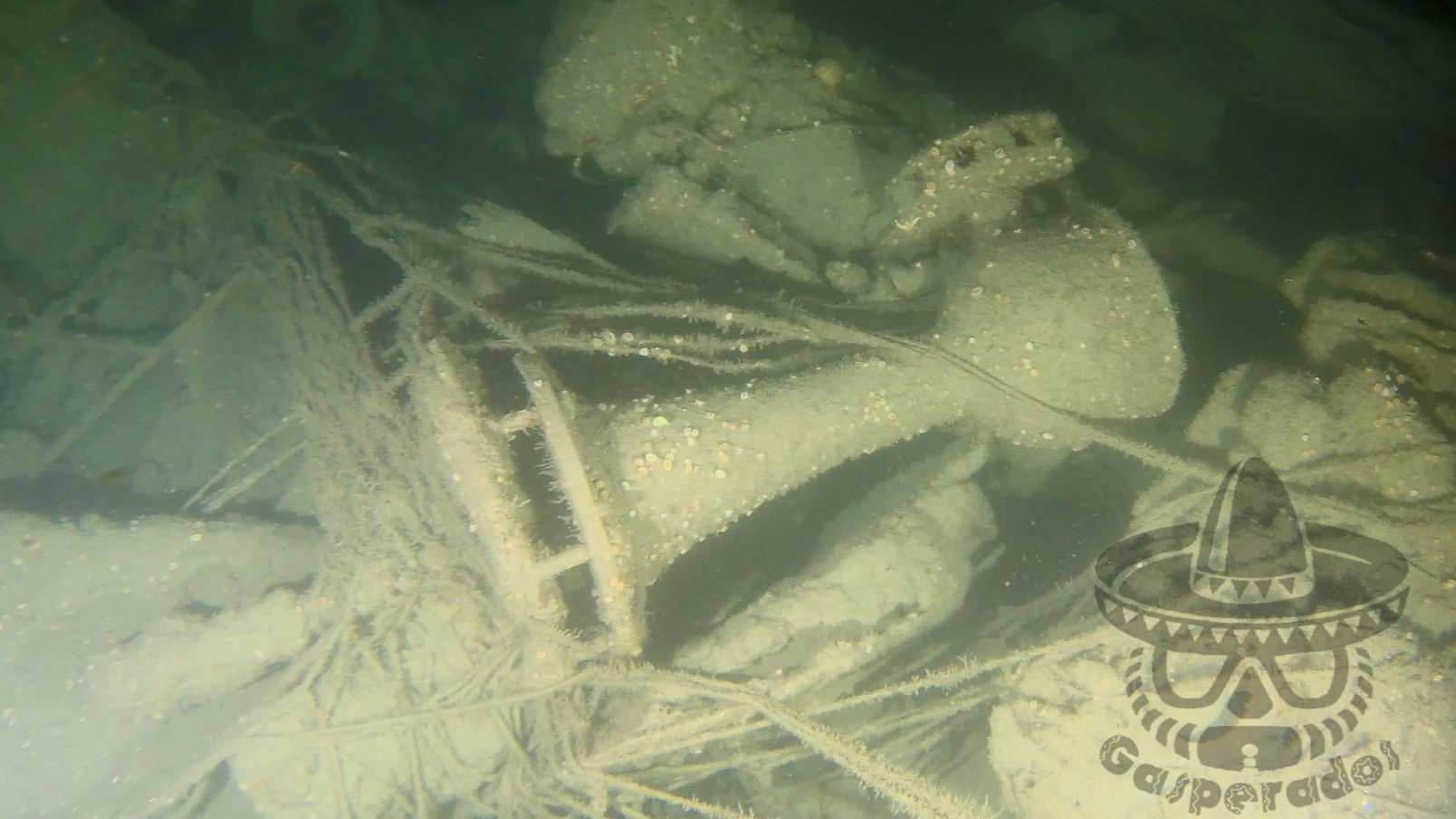 Parts of the USCGC Tampa’s wreckage. Photo by the Gasperados Dive Team, via the Coast Guard.
According to the Coast Guard’s history department, ship’s logs prior to its sinking reported high morale, with the crew traveling around Europe, with stops in the United Kingdom and Gibraltar. When the U.S. entered World War I, the Tampa was put under the Navy’s control, although Coast Guardsmen still operated it. It went to Europe in 1917, one of six Coast Guard cutters assigned to escort duties. During its wartime service it protected 18 convoys traveling along the western European seaboard. Only two supply ships were lost under its watch. In late September 1918, it was sailing with its 19th convoy, almost at the end of its journey when it split off to refuel. That’s when UB-91 picked it off. The sinking was significant for the U.S., being the greatest naval loss during the war, which would end only two months later.
“When the Tampa was lost with all hands in 1918, it left an enduring grief in our service. Locating the wreck connects us to their sacrifice and reminds us that devotion to duty endures,” Coast Guard Commandant Adm. Kevin Lunday, said in the service’s statement. “We will always remember them. We are proud to carry their spirit forward in defense of the United States.”
The Coast Guardsmen who crewed the Tampa would be made eligible for the Purple Heart in 1999 and they were posthumously awarded it.
American maritime losses during the First World War were far lower than the second, but the Navy and Coast Guard did lose multiple ships around Europe. In recent years, several shipwrecks from the two wars have been found by researchers and dive teams, although most have been from World War II. In 2022, teams located the sunken remains of the USS Jacob Jones, a Tucker-class destroyer lost off of the United Kingdom in 1917. The Jacob Jones was the first American destroyer to be sunk by an enemy.
The Coast Guard is now working on a plan to catalogue all of the debris in the Tampa’s wreck, and ultimately designate it a war grave.
The post Wreck of Coast Guard cutter sunk in World War I found after 108 years appeared first on Task & Purpose.
Classification
Region
Europe
Analytical Domain
Operational
Primary Category / Secondary Categories
Casualties & Losses / Military Operations
SALUTE Report
Size
111 Coast Guardsmen and 4 Navy sailors
Activity
Discovery of the wreck of the Coast Guard cutter Tampa
Location
Newquay · Wales · United Kingdom
Unit
U.S. Coast Guard
Time
September 26, 1918
Equipment
Coast Guard cuttertorpedo
Summary
The wreck of the Coast Guard cutter Tampa was discovered 50 miles off Newquay, England, after sinking on September 26, 1918, due to a torpedo from the German U-boat UB-91. All 115 crew members, including 111 Coast Guardsmen and 4 Navy sailors, perished in the incident, marking it as the greatest naval loss for the U.S. during World War I. The discovery was confirmed by the U.S. Coast Guard and the Gasperados Dive Team after extensive research.
Key Facts
- The USCGC Tampa sank on September 26, 1918, after being hit by a torpedo from the German U-boat UB-91.
- All 115 crew members aboard the Tampa perished in the sinking.
- The wreck was located approximately 50 miles off the coast of Newquay, England, at a depth of 320 feet.
- The discovery was confirmed by the U.S. Coast Guard and the Gasperados Dive Team after three years of research and exploration.
- The Tampa was the greatest naval loss for the United States during World War I.