
胡塞武装与沙特持续对峙 争夺三大核心目标
Recently, the clashes between the Yemeni government forces and the Houthi armed group have further escalated. The Houthi's recent actions have essentially achieved a degree of control and constraint over the shipping in the Bab el-Mandeb Strait. Against this backdrop, both sides continue to maintain a high-intensity offensive and defensive standoff. What core objectives are they still vying for? What goals do each side hope to achieve?
The warring parties are competing for control over the Red Sea coastal region
Qin Tian, Deputy Director of the Middle East Institute, China Institute of Contemporary International Relations: In recent months, the situation in Yemen has been gradually escalating. During this process, the Houthi armed group and the anti-Houthi forces in Yemen, including Saudi Arabia, are mainly competing over three key points. First, both sides are vying for control over the important area along the southwestern Red Sea coast of Yemen. In mid-September, the Houthis launched a lightning offensive to seize this area and strengthened their control over the Red Sea and the Bab el-Mandeb Strait. By early October, the situation had reversed somewhat, with the Yemeni government forces launching a counteroffensive and seemingly regaining some areas along the Red Sea coast. In the future, the Houthis and the Yemeni government forces will continue to engage in a tug-of-war and repeated struggles over this important region.
Both sides are also clashing over strategic locations such as Taiz
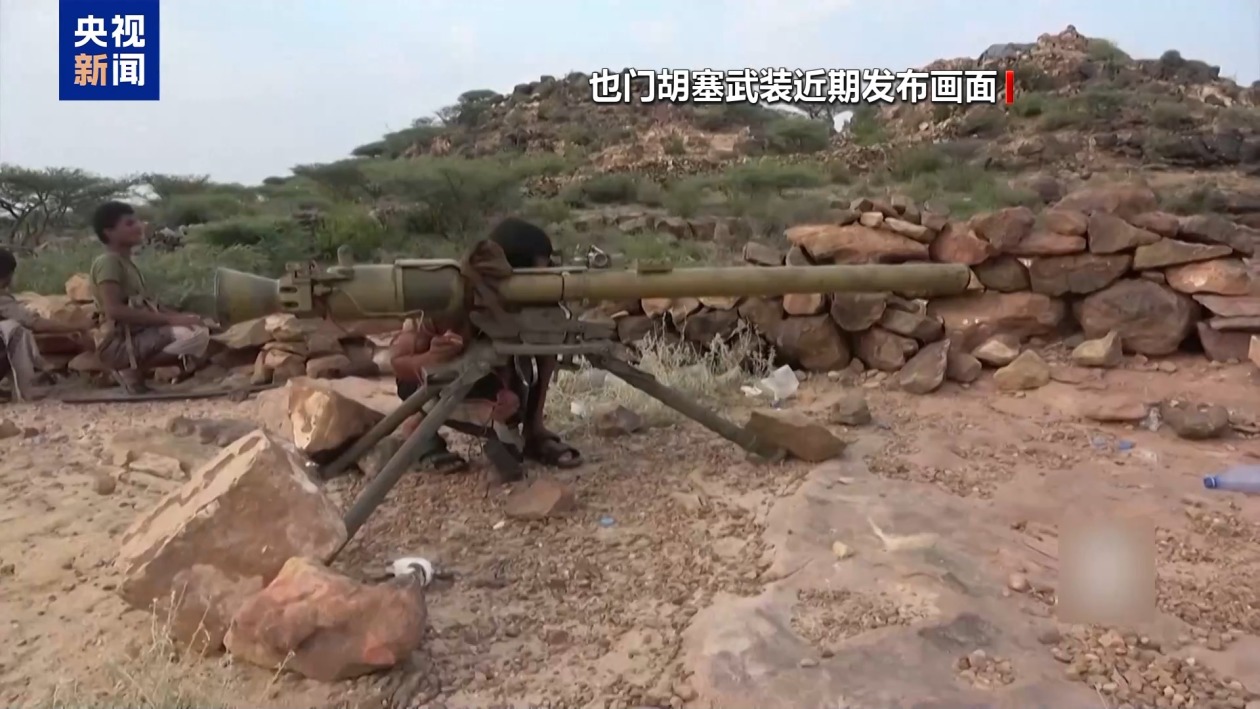
Qin Tian, Deputy Director of the Middle East Institute, China Institute of Contemporary International Relations: Second, both sides are also competing for other strategic strongholds and key locations, primarily two. One is the southern stronghold of Taiz. The Houthis are attempting to besiege Taiz and even capture it. If they succeed in taking this stronghold, the Houthis could potentially threaten the Yemeni government forces' de facto base in the south, Aden. The other strategic stronghold is the Marib region of Yemen, which contains Yemen's oil resources. Whoever controls this area will have a significant hold over Yemen's important resources. Currently, the competition for these two strategic locations is quite intense, but any major breakthrough or change in control could have a significant impact on the overall situation.
Saudi Arabia strengthens the Mecca Joint Defense Agreement amid the conflict
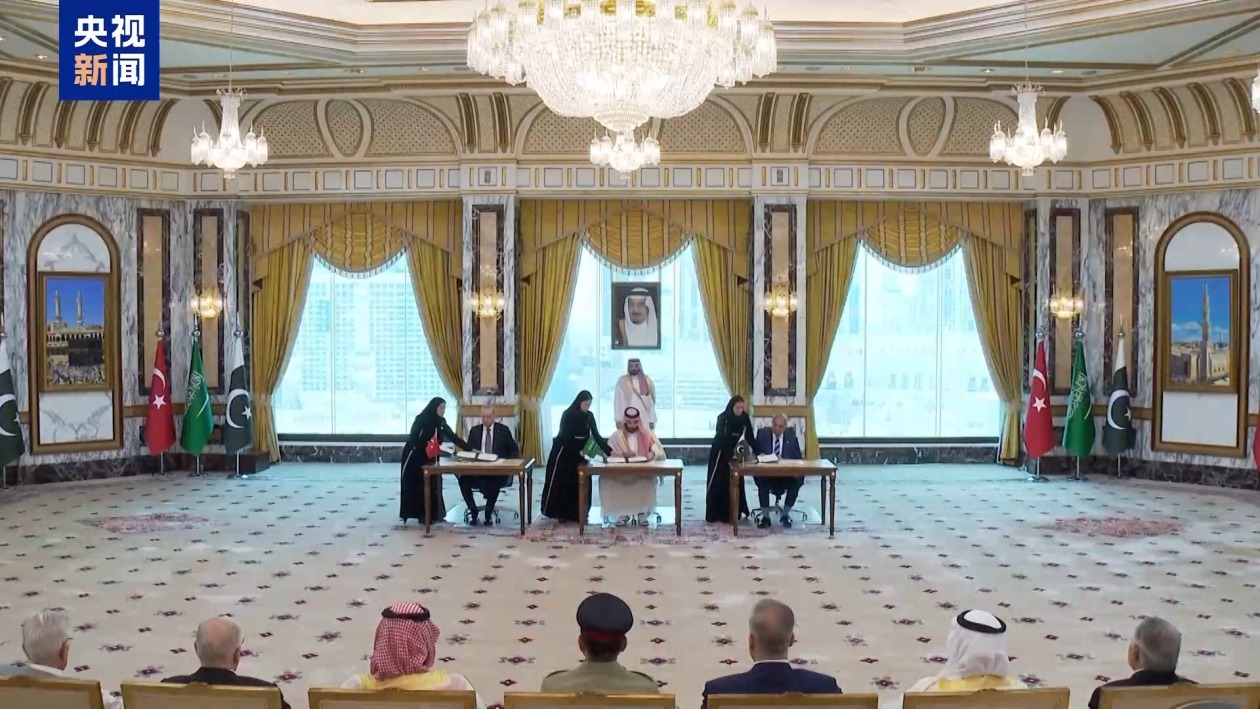
Qin Tian, Deputy Director of the Middle East Institute, China Institute of Contemporary International Relations: Third, both sides are leveraging this war to shape a regional and international situation that is favorable to themselves. Since the outbreak of the conflict in Yemen, Saudi Arabia has been continuously seeking external support, particularly under the framework of the Mecca Joint Defense Agreement, aiming to gain assistance from regional powers such as Pakistan and Turkey.
The Houthis aim to expand their international influence through the conflict

Qin Tian, Deputy Director of the Middle East Institute, China Institute of Contemporary International Relations: The Houthis are not content with merely being a domestic force in Yemen; they aspire to become a more internationally influential organization. Whether in relation to their supporter Iran or their adversaries Saudi Arabia and the West, the Houthis wish to be recognized and valued as a significant force. In fact, through their earlier disruptions of Red Sea shipping and attacks on key Saudi infrastructure, the Houthis have indeed made some gains in expanding their international influence.
胡塞武装与也门政府军在争夺也门战略地区的控制权方面发生了升级冲突,特别是在红海沿岸、塔伊兹和马里布。胡塞武装最近取得了一些进展,而也门政府则发起了反攻。沙特阿拉伯正在利用这一冲突来加强地区联盟并获得国际支持。
- 胡塞武装已控制红海沿岸部分地区。
- 也门政府军正在反击以夺回失去的领土。
- 双方都在争夺塔伊兹和马里布这两个关键战略地点的控制权。
- 沙特阿拉伯在麦加防御协议下寻求国际支持。
- 胡塞武装旨在通过军事行动增强其国际影响力。