
车轮上的“尖兵” 未来战争中汽车兵究竟扮演什么角色
Recently, a certain army brigade conducted a practical assessment of driving skills, simulating special situations and emergencies throughout the process to test the drivers' emergency response, battlefield mobility, and comprehensive support capabilities.
At the start of the assessment, the driving team received a mission to transport ammunition. The team leader quickly assembled personnel and carried out combat deployment. Team members utilized radios and the Beidou satellite navigation system to establish communication with the main combat unit, reporting real-time positioning and accurately planning the advance route.
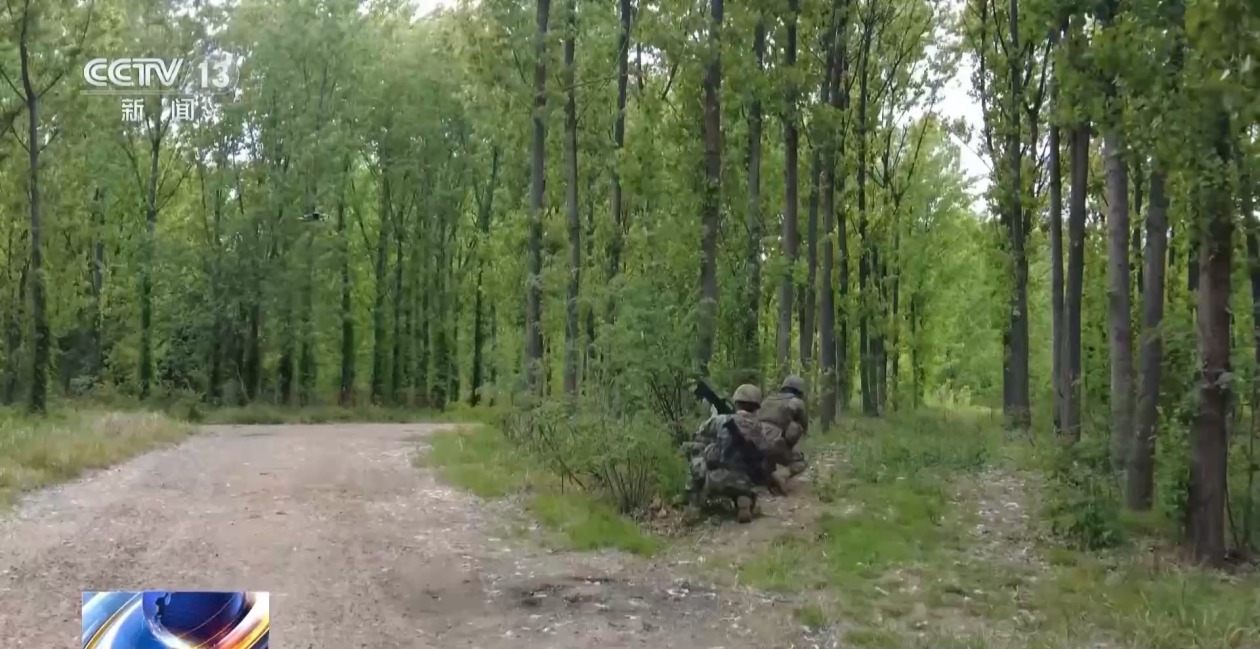
Upon discovering an "enemy" drone, the team immediately dispersed their formation, using the terrain and objects for concealment and protection. The special situation response team employed a drone countermeasure gun to effectively disrupt aerial targets. Meanwhile, the convoy encountered a small ambush from "enemy" forces. The soldiers relied on transport vehicles and surrounding terrain for vigilance. The combat team advanced to pursue the enemy and eliminate the harassment.
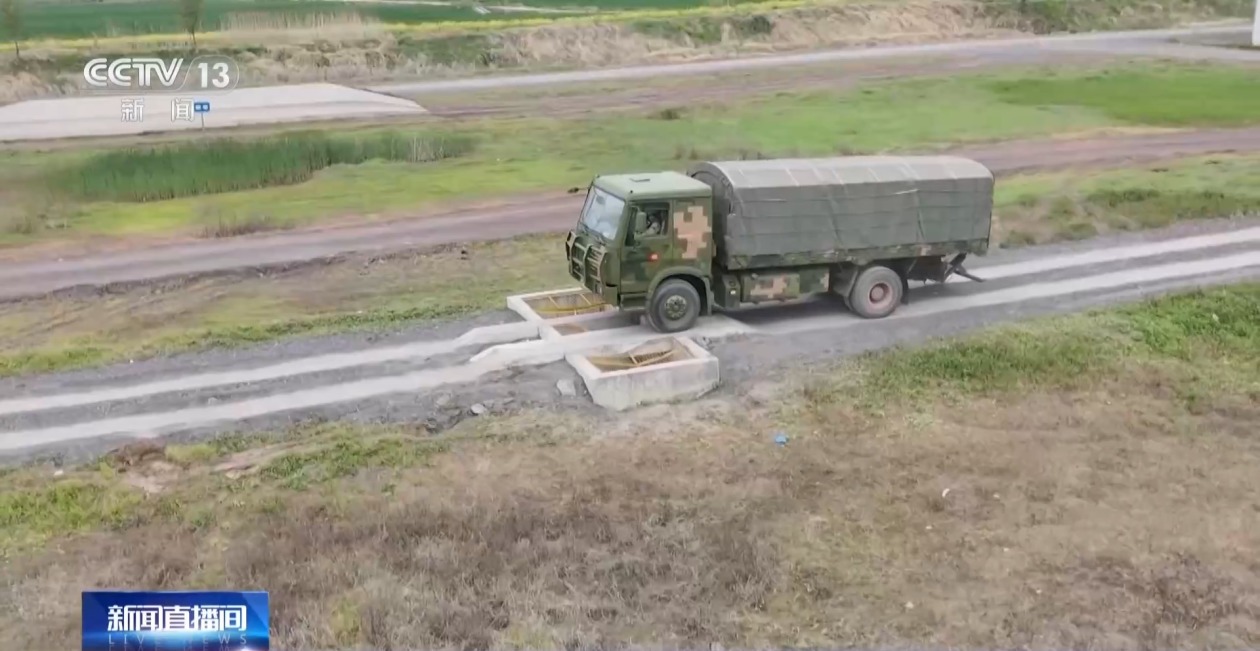
At this point, the road had been damaged by the "enemy." The drivers remained calm and composed, accurately controlling the throttle, brakes, and steering while navigating over a dozen high-difficulty obstacles such as steep slopes, simulated shell craters, roundabout roads, and misaligned alleys, ensuring stable passage of the vehicles. During the assessment, a transport vehicle experienced a "damaged" breakdown. The soldiers skillfully operated field towing equipment to complete the rescue and restore the convoy's mobility.
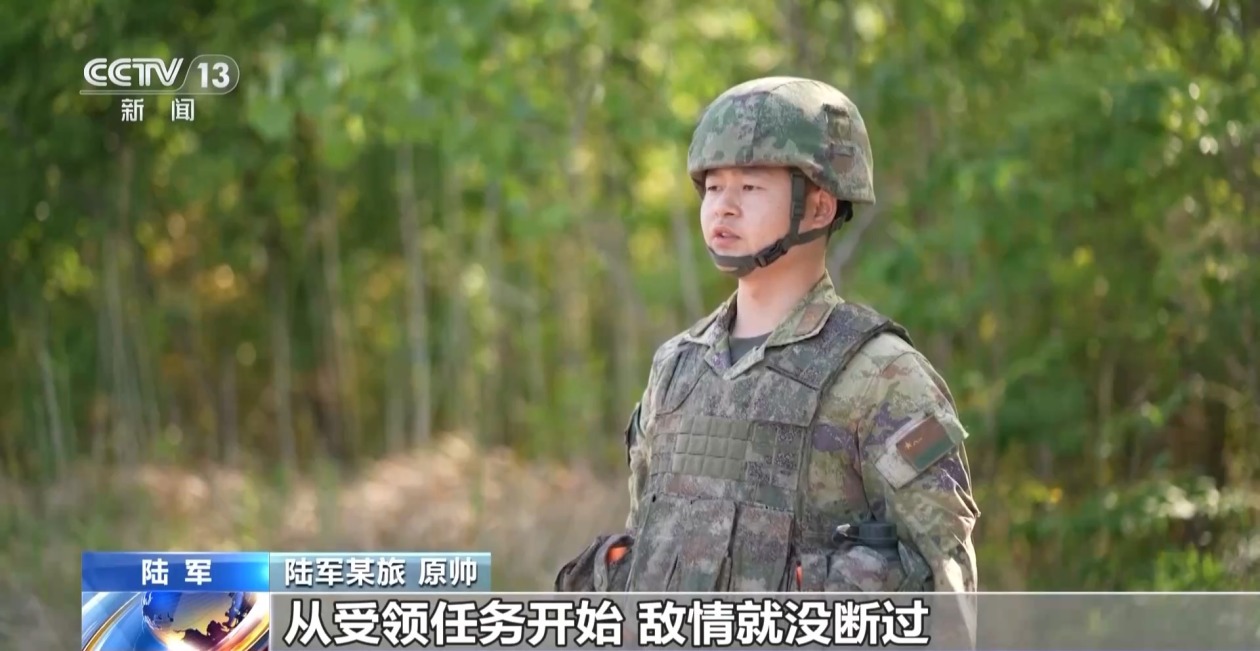
Army Brigade Commander: From the moment we received the mission, the enemy threat has been constant. This has been a comprehensive test and training for our practical response, driving skills, and team coordination.
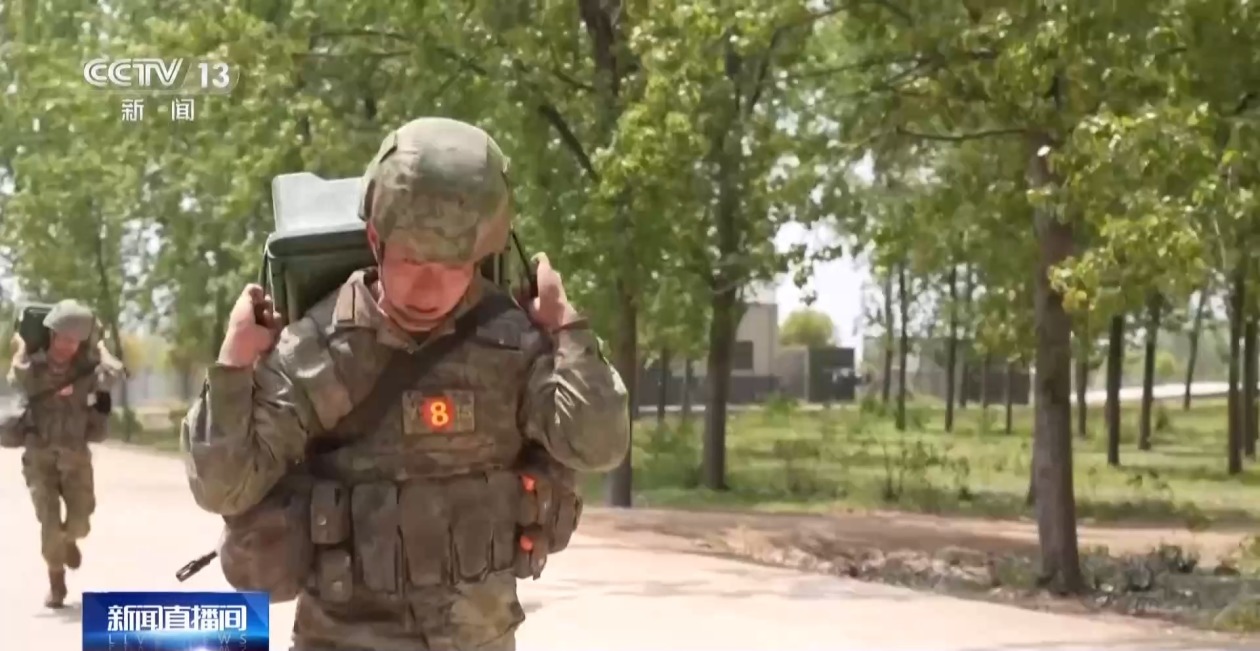
The assessment entered its final stage—delivering supplies through the "last kilometer." Team members were required to carry ammunition boxes weighing up to 30 kilograms each and march on foot to deliver the ammunition to the "forward position" within the specified time.
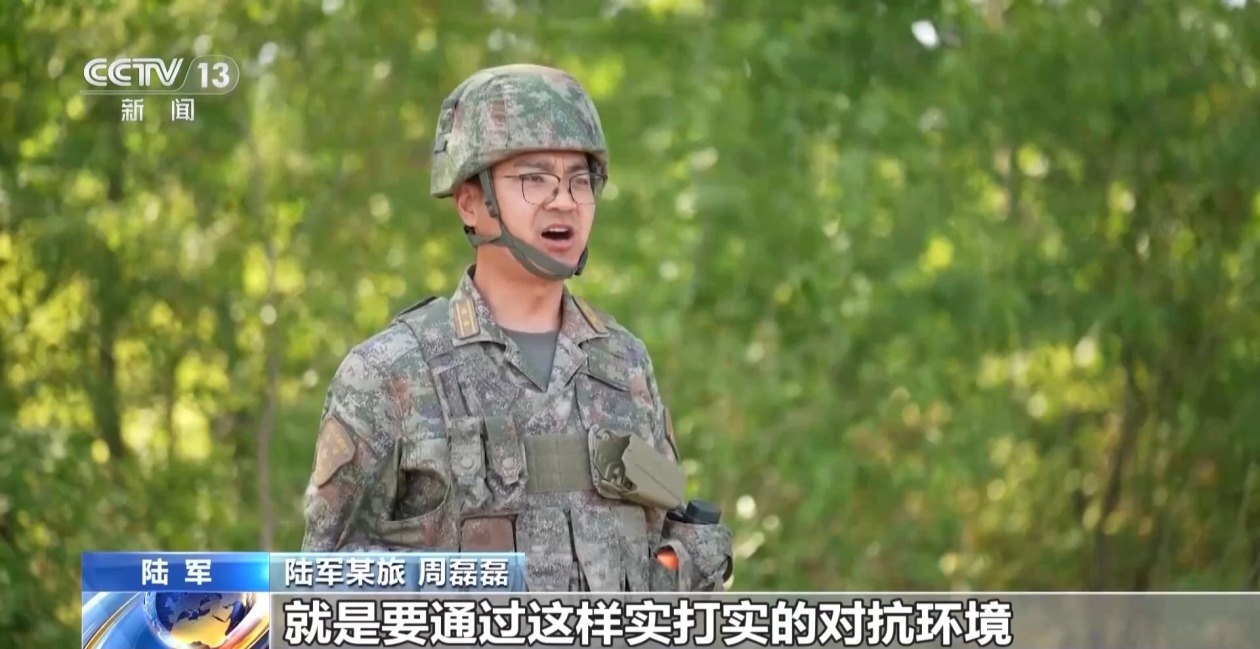
Army Brigade Zhou Leilei: We aim to hone the soldiers' practical skills in a real combat environment, ensuring they can drive when on the vehicle, fight when dismounted, and provide support throughout the operation, guaranteeing continuous transport and support under any complex and severe battlefield conditions, thus providing reliable support for the troops' sustained combat capabilities.
The Growth Path of Automotive Soldiers
In modern warfare, as the battlefield dynamics evolve, the training requirements for automotive soldiers are also continuously upgraded. What kind of growth path is needed to become a qualified or even excellent automotive soldier?
Unlike ordinary driving training, automotive soldiers' driving training not only includes conventional subjects but also requires mastering a series of high-difficulty skills closely related to actual combat, with each subject designed for battlefield environments. After mastering basic skills, they must undergo advanced training in general road driving, urban road driving, navigating complex road conditions, covert night driving, and vehicle self-rescue and mutual rescue.
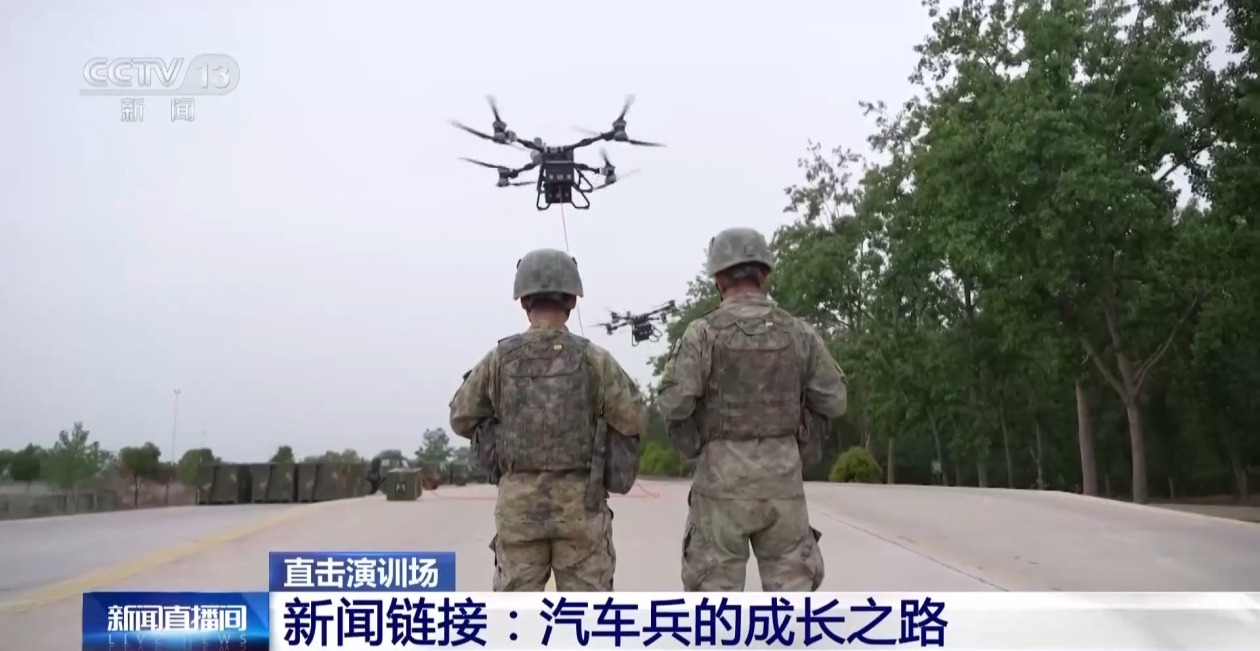
At the same time, physical training is also an important foundation for the development of automotive soldiers. Soldiers must meet excellent standards in multiple subjects, including weighted cross-country, anti-fatigue training, and rapid loading and unloading. As modern warfare evolves, the training content for automotive soldiers is also continuously expanding and innovating. New skill training in operating unmanned transport equipment, battlefield applications of the Beidou system, and communication in complex electromagnetic environments has become a focus.
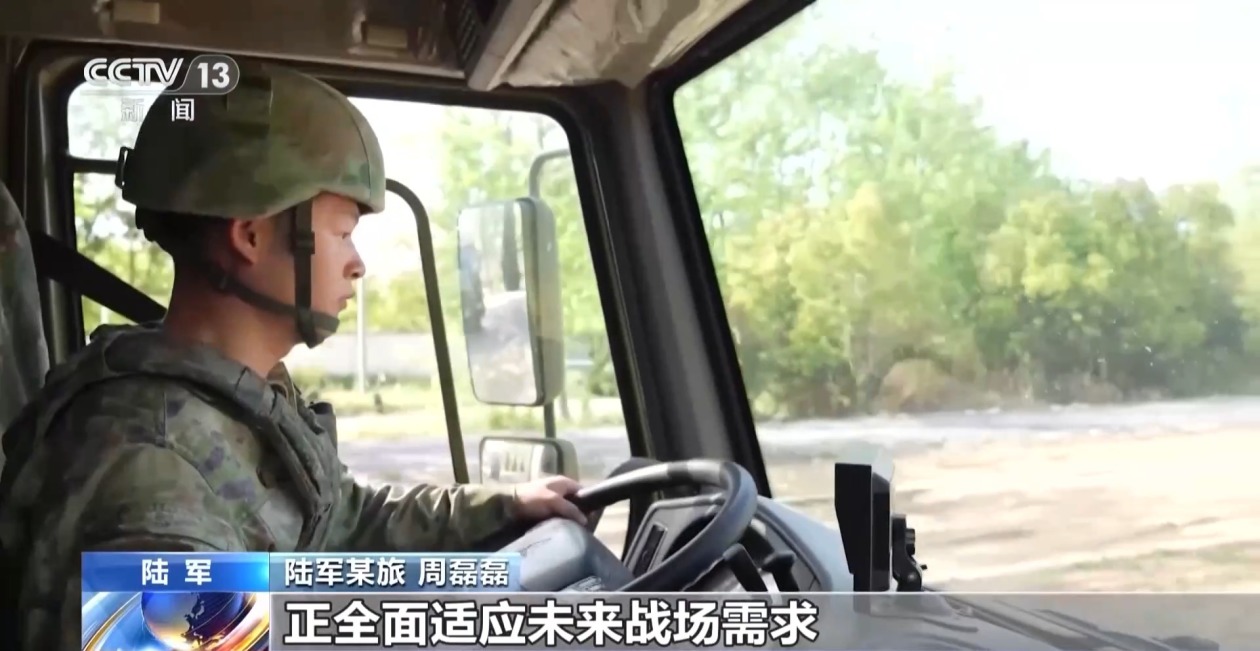
Army Brigade Zhou Leilei: From basic driving to specialized driving, from physical preparation to skill expansion, from transport support to combat versatility, the training system for automotive soldiers is fully adapting to the demands of future battlefields. Our team is growing into a professional force with excellent driving skills, strong combat capabilities, and the ability to complete various support tasks.
The Automotive Soldiers Needed for Future Battlefields
In today's continuously evolving battlefield dynamics, what role will modern automotive soldiers play in future wars? Let us continue to explore.
Future wars will have a faster pace, higher threats, and more complex confrontations, which pose new requirements for transport and delivery tasks. On one hand, modern reconnaissance and long-range strike capabilities are becoming increasingly strong, making traditional large-scale convoys easy to expose and difficult to protect; on the other hand, the demand for the delivery of supplies and personnel requires faster and more precise actions. The responsibilities of automotive soldiers are no longer limited to driving and transporting; more critically, they must achieve "flexible allocation" and "precise delivery."
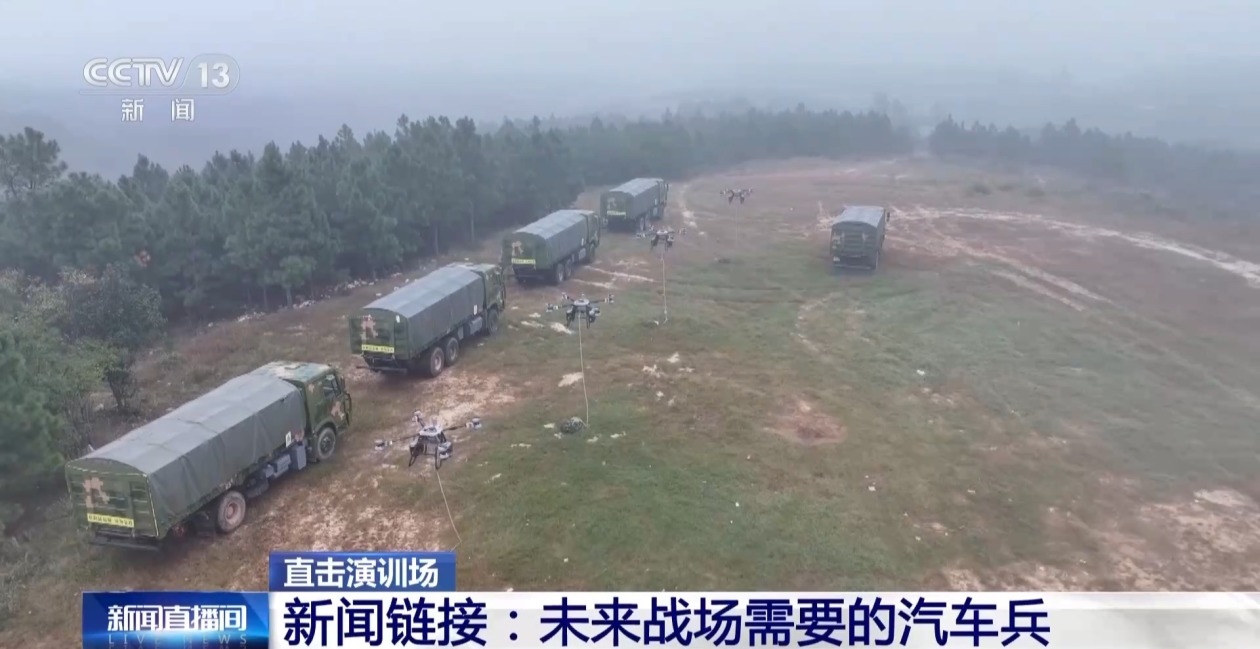
“Flexible allocation” refers to the ability of transport units to quickly respond to battlefield situations and change original plans. Nowadays, automotive soldiers no longer rely solely on large-scale convoys moving together; instead, they are divided into multiple small groups and take multiple routes, coordinating with unmanned equipment to execute tasks, thereby enhancing battlefield survivability and response speed. In terms of "precise delivery," drones and the Beidou system play a crucial role. Drones can fly in a straight line and traverse complex terrain, delivering urgently needed supplies accurately to the combat position, solving the "last kilometer" problem in complex environments. The Beidou system provides high-precision positioning and real-time monitoring, ensuring that transport units do not get lost or miss their points even in unfamiliar areas.
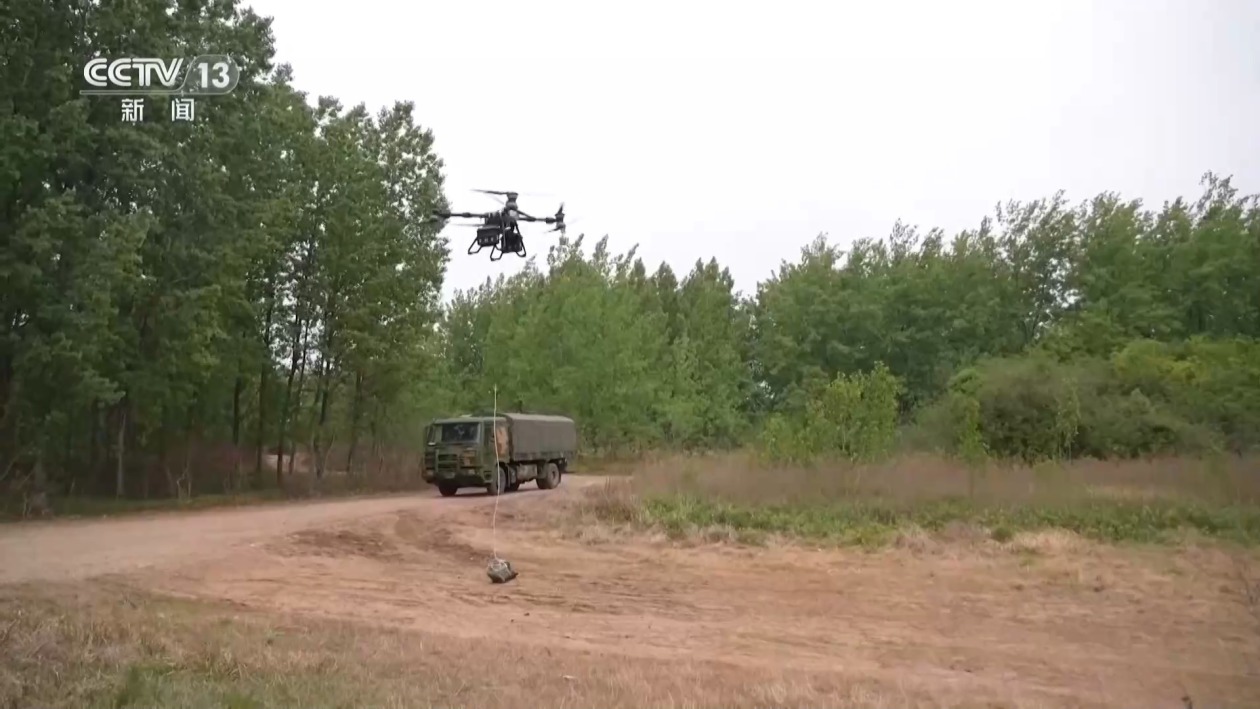
Moreover, the battlefield adaptability of transport units is also improving. For instance, when encountering road damage or vehicle malfunctions, they can quickly deploy transport drones for relay support; vehicle designs also emphasize lightweight and modularity, allowing for quick manual handling and transfer to ensure continuous smooth transport links. The future automotive soldier is transitioning from traditional transport support to becoming a key node for "flexible, precise, and high-survivability" battlefield delivery, becoming an indispensable force supporting modern combat systems.
某军旅在训练场进行了实战驾驶评估,模拟战斗条件。人员负责运输弹药,同时应对敌方无人机威胁并穿越困难地形。此次演习突显了现代战争中后勤和适应能力的重要性,重点关注汽车部队在快速反应和精确投送中的不断演变的角色。
- 该军旅在模拟战斗条件下进行了实战驾驶评估。
- 人员负责运输弹药并应对敌方无人机威胁。
- 训练包括穿越困难地形和处理车辆故障。
- 演习强调了现代战争中后勤和适应能力的重要性。
- 汽车部队的未来角色正在演变,包括快速反应和精确投送。