
视频丨洲际导弹:不试则已,一试惊人!
Intercontinental missiles are the "keystone" of national strategic deterrence and also serve as a rarely used "trump card." Opportunities for full-range live-fire launches are extremely limited.
On September 25, 2024, the Rocket Force successfully launched an intercontinental ballistic missile carrying a training simulation warhead into the relevant high seas of the Pacific, with the missile accurately landing in the designated maritime area. This mission marks the first return to this maritime area since the full-range test of the Dongfeng-5 on May 18, 1980.
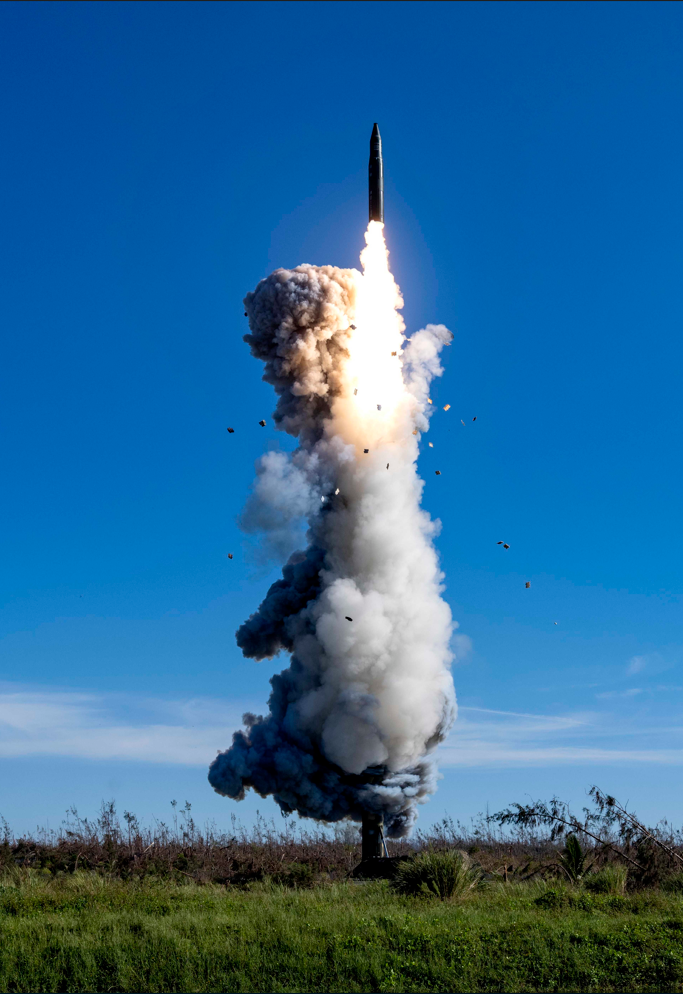
Why was there a 44-year gap between the two test launches? Military commentator Du Wenlong analyzed that there are two considerations for the long intervals in testing intercontinental weaponry, especially nuclear weapon operational tools:
First, the nation's heavy weaponry should not be easily revealed;
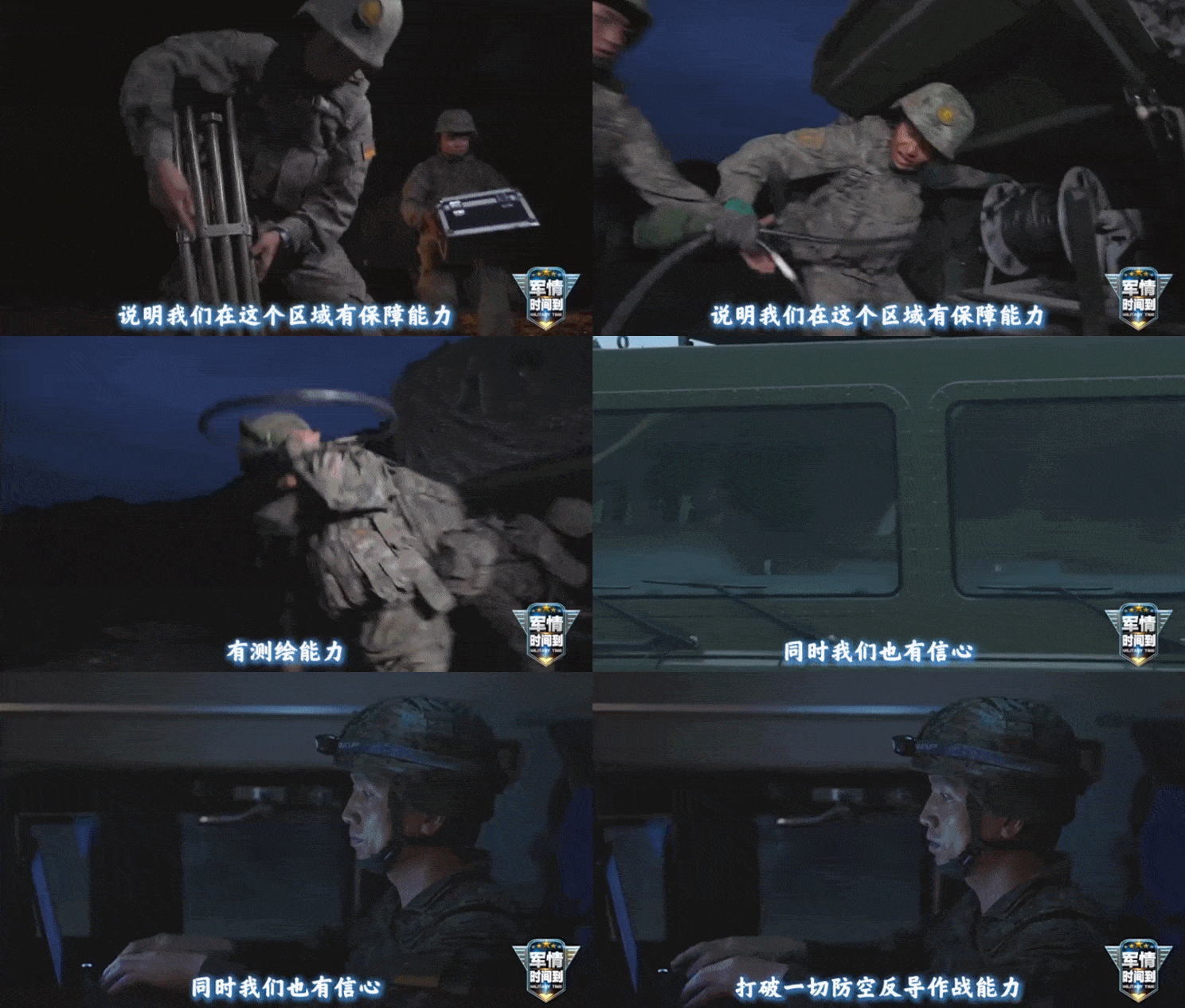
Second, if not tested, it is one thing, but once tested, it can be astonishing. This full-range strike operation involves a series of high assurance requirements, indicating that we have the capability and surveying ability in this area. At the same time, we are confident in breaking through all air defense and missile defense capabilities in this region. Conducting a full-range test is both a challenging and proud training process for the Rocket Force.
2024年9月25日,中国火箭军成功发射了一枚携带训练模拟弹头的洲际弹道导弹,落入太平洋。这一事件标志着自1980年5月18日以来该地区的首次导弹发射,展示了中国的军事能力和克服空中防御系统的信心。
- 中国火箭军于2024年9月25日发射了一枚洲际弹道导弹。
- 该导弹装备了训练模拟弹头。
- 此次发射标志着自1980年5月18日以来首次重返该地区。
- 此次行动展示了中国在该地区能力的信心。