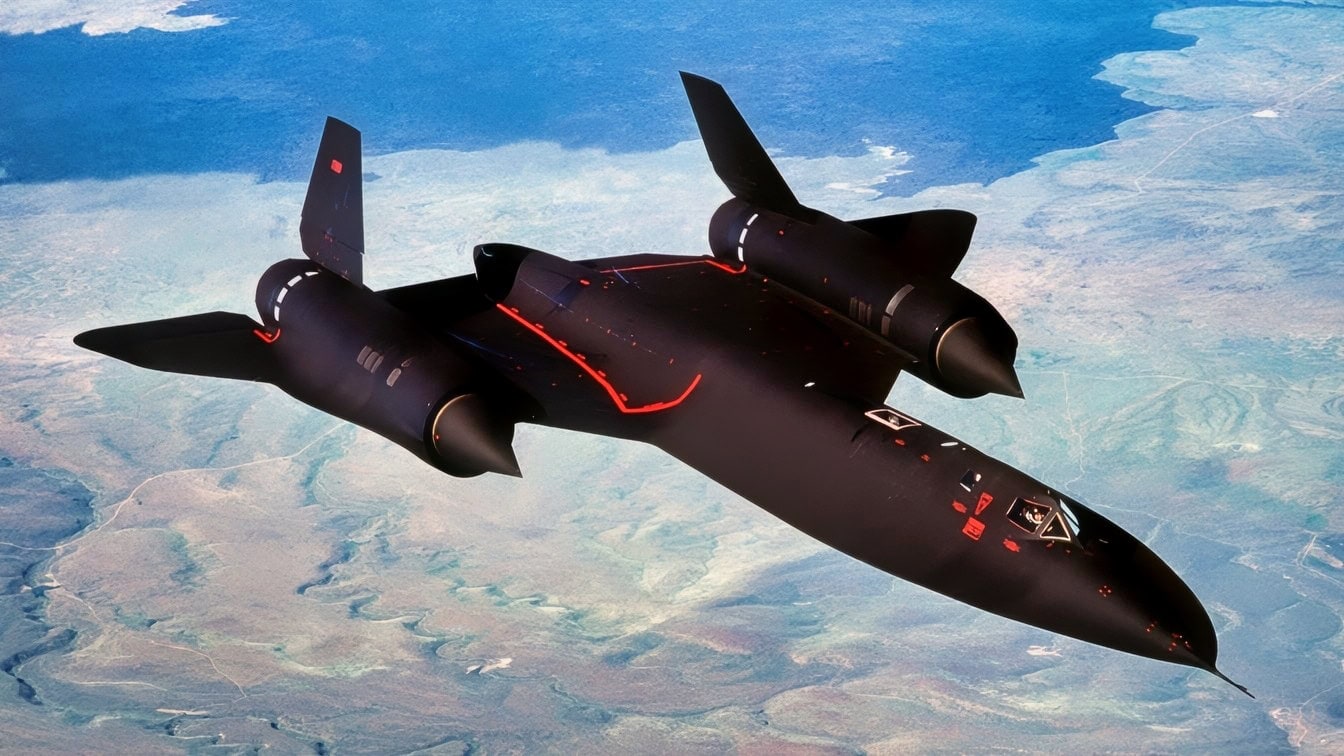
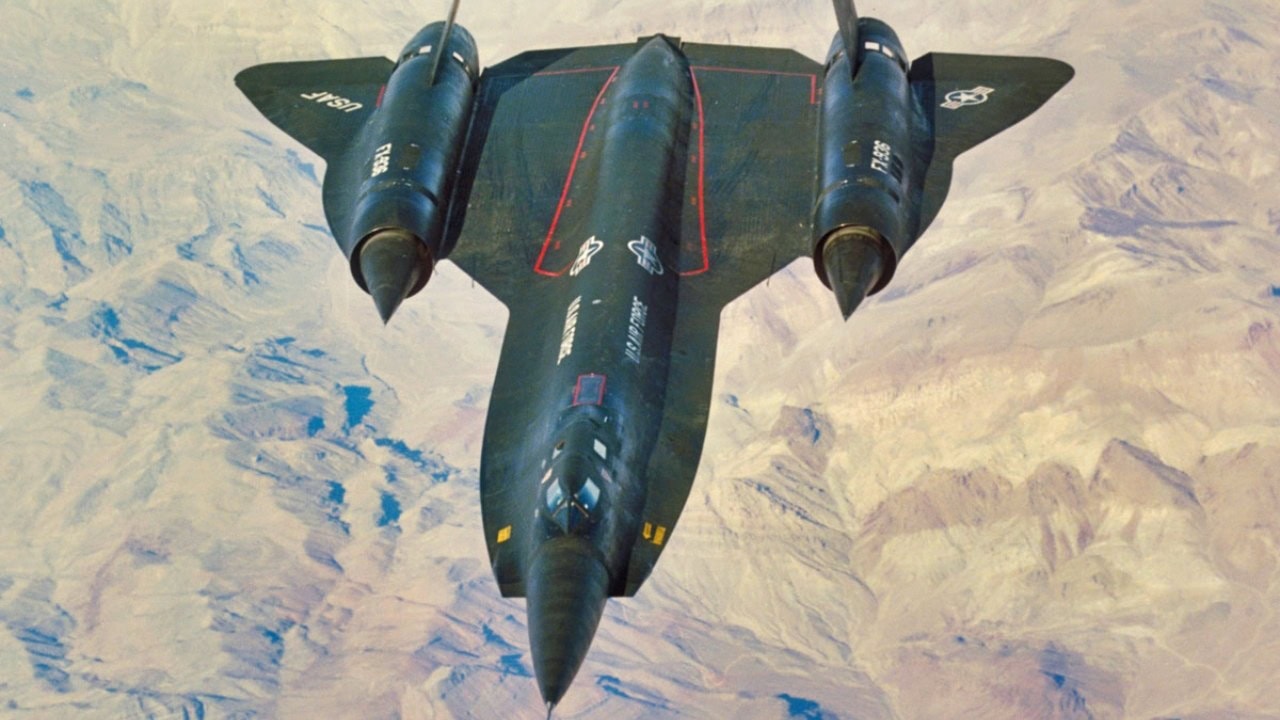
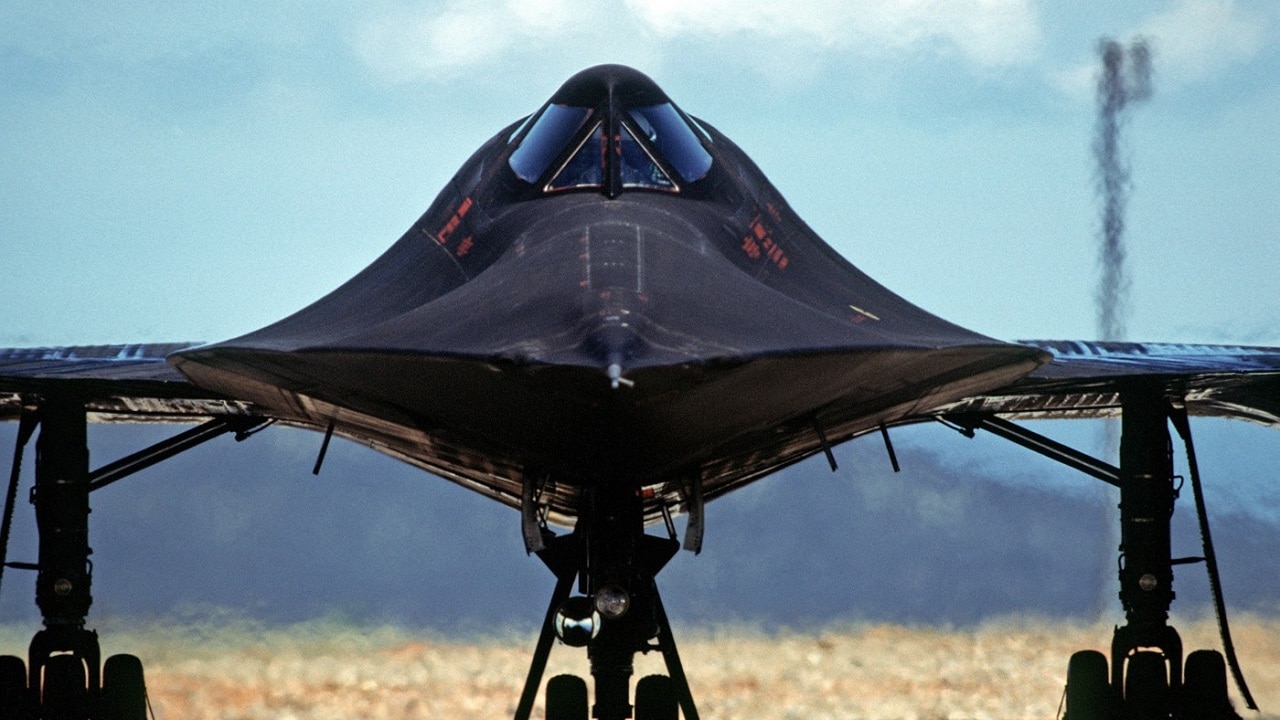
The SR-71's strategic value rested on a single proposition: that speed and altitude could substitute for stealth and self-defence. Cruising above 24,000 m at Mach 3.2, the aircraft could out-fly the engagement envelope of the surface-to-air missiles of its era, and its crews were trained to accelerate rather than manoeuvre when threatened. That proposition held for the type's entire operational life — no SR-71 was lost to hostile fire, although a dozen airframes were written off in accidents. The cost was an airframe that had to be built almost entirely from titanium alloy, fuelled with purpose-formulated JP-7, and supported by a dedicated tanker fleet, which made every sortie expensive in a way few reconnaissance systems have matched before or since.
What ultimately retired the Blackbird was not a counter to it but a change in the surrounding architecture. Imaging satellites improved in resolution and revisit rate, the U-2 remained cheaper for persistent coverage, and ground-based air defence networks grew dense enough to complicate even a Mach 3 penetration profile. Air Force enthusiasm faded in the late 1980s, and although Congress briefly revived the programme in 1995 the funding argument was never settled. A post-9/11 reactivation study reportedly priced a return to service at roughly $45 million for start-up plus one year of operations, but the Air Force judged that satellites and the U-2 could deliver comparable products; by 2003 the last flyable airframes had gone to museums.
The Blackbird's afterlife is largely conceptual. Its 1976 speed and altitude records remain unbroken by any air-breathing crewed aircraft, which keeps it as the practical benchmark for any successor. Lockheed Martin's Skunk Works publicly described an unmanned Mach 6 SR-72 concept in 2013, built around a turbine-based combined-cycle propulsion system, and hypersonic strike-reconnaissance work has continued through programmes such as Mayhem — but no successor aircraft has been confirmed in service, and the SR-72 remains a disclosed concept rather than a fielded system. Until that changes, the SR-71's records and its untouched combat record continue to define what a crewed high-speed reconnaissance platform is measured against.