B-2 Spirit

🇺🇸United States
Northrop Grumman Corp.
1997 – Present
Spotlight

America's penetrating flying-wing bomber, unseen backbone of long-range strike

The B-2 at 30: Soaring with the B-2 Spirit Stealth Bomber (Northrop Grumman)

Watch on YouTube
Overview
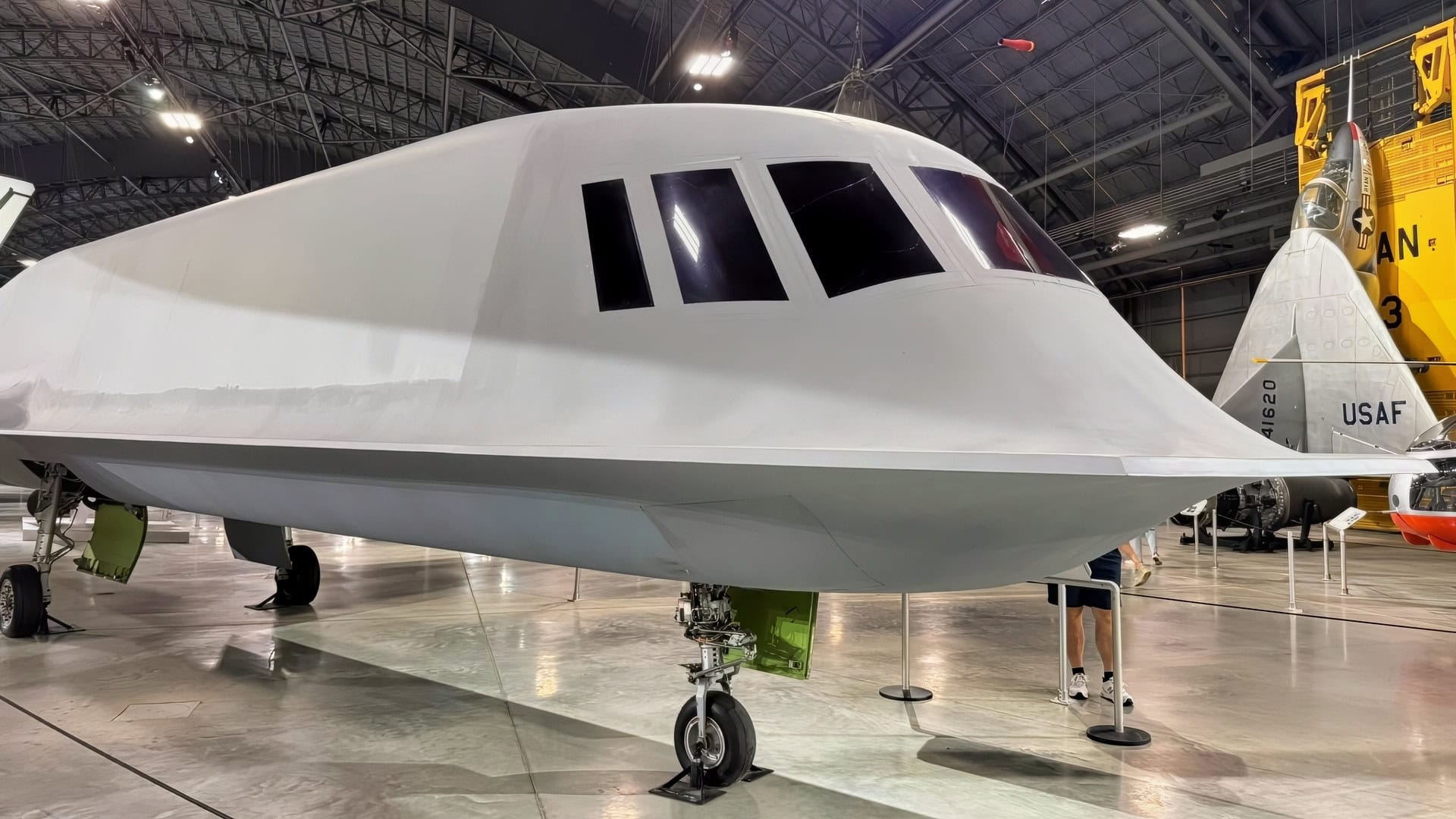
B-2 Spirit - Image 1
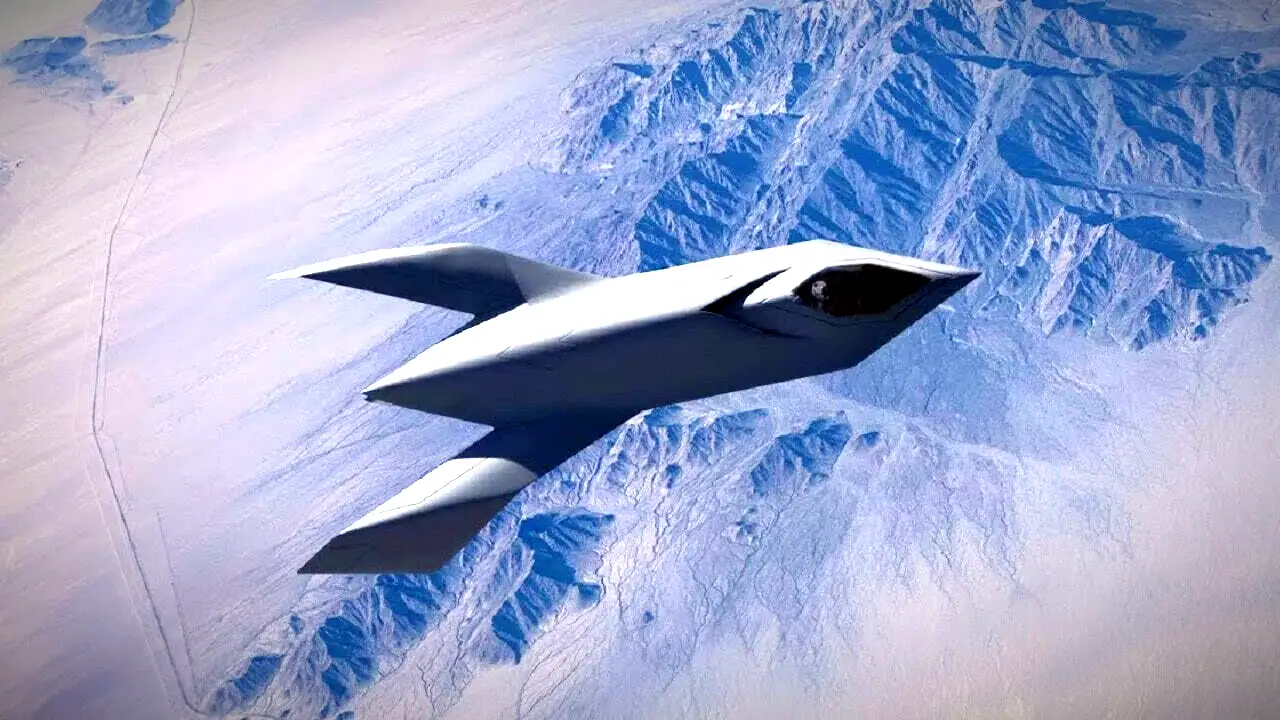
B-2 Spirit - Image 2
The B-2 Spirit is a strategic, long-range heavy bomber with low-observable technology, capable of penetrating sophisticated air defenses in both nuclear and conventional missions.
Specifications

General

Crew2
Engines4
StealthYes
Range Km11,000 km
Internal BayYes
Max Payload Kg18,000 kg
Max Speed Mach0.95 Mach
Cruise MissilesAGM-129 ACM, AGM-131 SRAM 2
Nuclear CapableYes
Service Ceiling M15,200 m

Other

Height5.18 m (17 ft)
Length21.0 m (69 ft)
Wingspan52.4 m (172 ft)
Unit Cost~US$1.157 billion per aircraft (FY1998 program dollars)
Fleet Size19 in service (21 built)
Powerplant4 × GE F118-GE-100 non-afterburning turbofans, 77 kN (17,300 lbf) each
First Flight17 July 1989
Max Speed Kmh1,010
Max Takeoff Weight Kg152,600 kg (336,500 lb)
Latest Developments
Sep 18, 2026strong signal
Saved from the Chopping Block: The US Air Force B-1B Lancer and B-2 Spirit Stealth Bombers Are Getting A Massive Upgrade

The USAF had planned to invest nearly $1.7 billion in continuing to modernize the B-1B Lancer and B-2 Spirit bombers over the next five years.

Sep 17, 2026strong signal
US Air Force to extend service of B-1, B-2 bombers, official says

The decision to extend the B-1 Lancer and B-2 Spirit comes amid moves by the force to further develop the B-21 Raider.

Sep 17, 2026strong signal
U.N. Report Finds ‘Reasonable Grounds’ for U.S. War Crimes, Iranian Crimes Against Humanity

Entity 'B-2 Spirit' mentioned in report

Sep 11, 2026strong signal
A U.S. Air Force B-2 Spirit Stealth Bomber Fired a Stealth Anti-Ship Missile at the USS Juneau, an Amphibious Ship Commissioned in 1969 and Left in Mothballs for 18 Years. It Still Took 2 Harpoons, a Japanese Torpedo, a Hellfire, and 2 More Missiles to Put Her Under.

On June 27, 2026, more than 200 nautical miles off Guam in the Philippine Sea, a U.S. Air Force B-2 Spirit opened its bomb bay doors and released an AGM-158C Long Range Anti-Ship Missile at the decommissioned amphibious transport dock USS Juneau.

Featured Coverage
Research Notes

Stealth bomber built for penetrating strategic strike

high

The B-2 Spirit is a low-observable strategic bomber designed to reach heavily defended targets with conventional or nuclear weapons.

The B-2 Spirit represents a specific Cold War and post-Cold War answer to strategic bombing: a long-range aircraft designed to penetrate sophisticated air defenses by combining low-observable shaping, special materials, mission planning, and precision weapons. The U.S. Air Force describes it as a major milestone in bomber modernization.

Unlike a conventional bomber that relies primarily on speed, altitude, escort, or standoff weapons, the B-2's core logic is survivable access. Its flying-wing layout and stealth features are intended to reduce detection and improve the chance of reaching targets that would be difficult for non-stealth aircraft to approach.

On HiWars, the B-2 should be treated as both an aircraft and a strategic system. Its importance comes from the aircraft, the crews, Whiteman-based support infrastructure, tanker support, mission planning, weapons integration, and the political role of visible bomber deployments.

Low observability, range, and payload flexibility

high

B-2 capability depends on stealth, long range, aerial refueling, precision weapons, and nuclear/conventional mission flexibility.

The B-2 is designed around low observability and long-range strike. Its strategic value is not simply the number of weapons it can carry, but its ability to deliver precision effects from intercontinental distances when supported by tankers and mission planning.

The aircraft can support both conventional and nuclear roles, which makes it part of U.S. deterrence as well as conventional crisis response. That dual role requires careful interpretation: the same aircraft family can signal strategic resolve, conduct conventional strikes, or contribute to the nuclear triad.

Because many exact stealth and electronic-warfare details are not public, the page should avoid over-precise comparisons. The stronger public conclusion is that the B-2 gives the United States a small, specialized penetrating bomber force with capabilities that are hard to replace until the B-21 Raider is fully available.

Small fleet, high maintenance burden, and B-21 transition

high

The B-2 remains uniquely valuable, but its small fleet and specialized stealth maintenance make availability and modernization central issues.

The B-2 force is small, which makes each aircraft unusually important. A small fleet can deliver strategic effects, but it also means maintenance downtime, depot work, accidents, or modernization schedules can have a large impact on available capacity.

Stealth aircraft require specialized maintenance, controlled materials, trained personnel, and infrastructure. That sustainment reality should be part of the content page because it shapes readiness as much as airframe performance does.

The B-21 Raider is intended to become the next-generation penetrating bomber, but the B-2 remains important during the transition. Readers should understand the B-2 as a legacy stealth bomber that still carries critical strategic roles while the future bomber force is fielded.

Key parameters at a glance

high

Figures are from official U.S. Air Force and Northrop Grumman documentation.

Role
Long-range stealth strategic bomber (nuclear and conventional)
Wingspan
52.4m (172 ft)
Length
21.0m (69 ft)
Max takeoff weight
152,600kg (336,500 lb)
Powerplant
4 × GE F118-GE-100 turbofans, 77 kN (17,300 lbf) each
Unrefueled range
~11,100 km; intercontinental with aerial refueling
First flight
17 July 1989
Fleet
19 in service (21 built)
Home base
Whiteman AFB, Missouri (509th Bomb Wing)
Combat debut
Operation Allied Force, Kosovo, March 1999

Program milestones

high

Officially documented milestones of the B-2 program.

1981-10ATB contract award

Northrop is selected over Lockheed to build the Advanced Technology Bomber, launching the highly classified program that becomes the B-2.

1988-11Public rollout

The B-2 is unveiled at Air Force Plant 42 in Palmdale, California, revealing its tailless flying-wing configuration to the public for the first time.

1989-07First flight

The first B-2 flies from Palmdale to Edwards AFB on 17 July 1989, beginning the flight test program.

1993-12First delivery

The first operational B-2, Spirit of Missouri, is delivered to the 509th Bomb Wing at Whiteman AFB on 17 December 1993.

1997-04Initial operational capability

The B-2 achieves initial operational capability; planned procurement had been cut from 132 to 21 aircraft after the Cold War.

1999-03Combat debut over Kosovo

B-2s fly nonstop from Missouri to strike targets in Yugoslavia during Operation Allied Force, the type's first combat use and the operational debut of the JDAM.

2008-02Guam crash

A B-2 crashes on takeoff at Andersen AFB, Guam, due to moisture-corrupted air-data sensors; both pilots eject safely and the fleet is reduced to 20.

2025-06Operation Midnight Hammer

Seven B-2s fly from Missouri to strike Iranian nuclear facilities at Fordow and Natanz, dropping 14 GBU-57 Massive Ordnance Penetrators in the weapon's first combat use — the largest B-2 operational strike to date.

Strategic significance

medium

For more than a quarter century the B-2 has been the only operational aircraft that combines intercontinental range, a heavy internal payload, and low observability sufficient to penetrate modern integrated air defenses. As the stealth leg of the U.S. bomber force and a delivery platform for the B61 and B83 nuclear weapon families, it underpins the air-breathing portion of the American nuclear triad while also serving as a conventional first-night-of-war asset.

The June 2025 strikes on Iran's Fordow and Natanz facilities illustrated the capability set that no other air force currently fields: a 37-hour round trip from the continental United States, unrefueled penetration of defended airspace without a shot fired at the package, and delivery of the 13,600 kg GBU-57 penetrator, a weapon only the B-2 is certified to carry. Comparable Russian and Chinese systems remain in development — the H-20 has not been publicly flown — leaving the B-2's penetrating-strike role effectively unmatched, though its small fleet of 19 aircraft and intensive low-observable maintenance constrain sortie generation.

The fleet's long-term significance is now transitional. The B-21 Raider, flying in testing since 2023, is expected to replace the B-2 from the early-to-mid 2030s with greater numbers and lower operating costs. Until then, continued avionics, communications, and Defensive Management System modernization is intended to keep the small B-2 force credible against increasingly capable very-high-frequency radars and long-range surface-to-air systems.

Videos

B-2 Spirit: US Most Feared Stealth Bomber Ever Made (Fluctus)

Watch on YouTube

B-2 Stealth Bomber in Stunning 8K Ultra HD (Bilibili)

Watch on Bilibili

Close-up Look at the B-2 Spirit Strategic Bomber (Bilibili)

Watch on Bilibili
Sources & References
Related Discussions

No discussions about B-2 Spirit yet

Start the first discussion