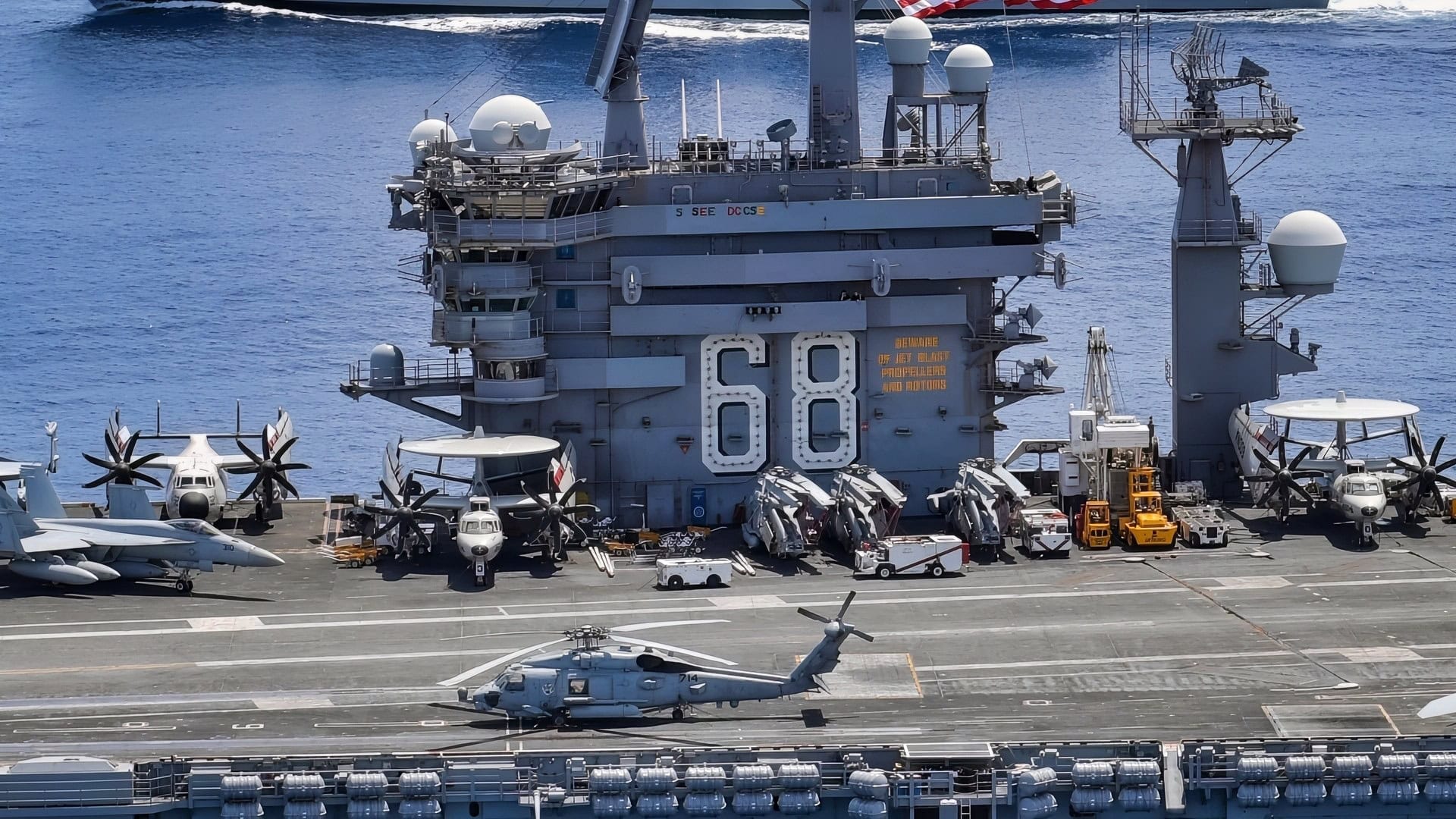
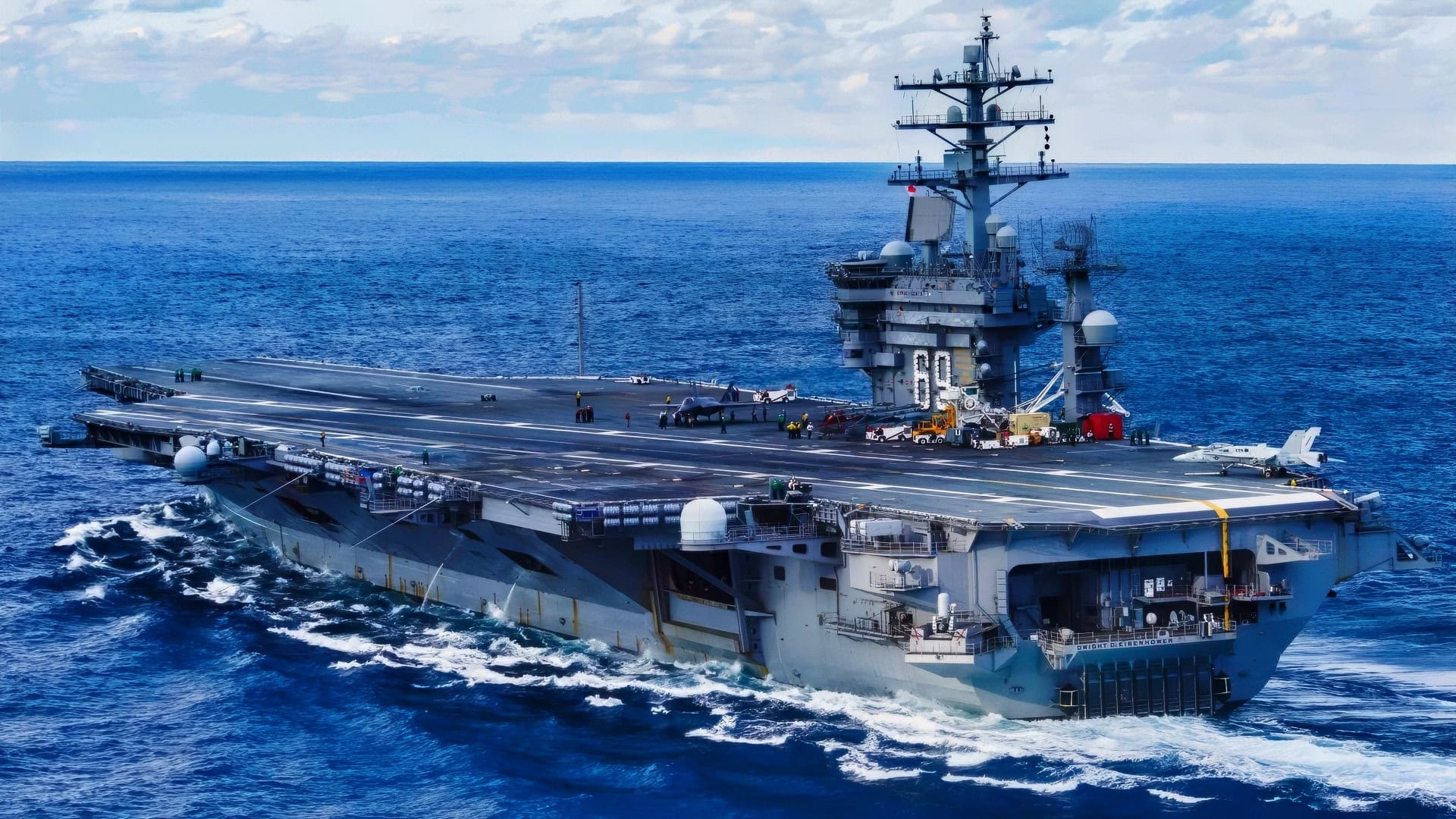
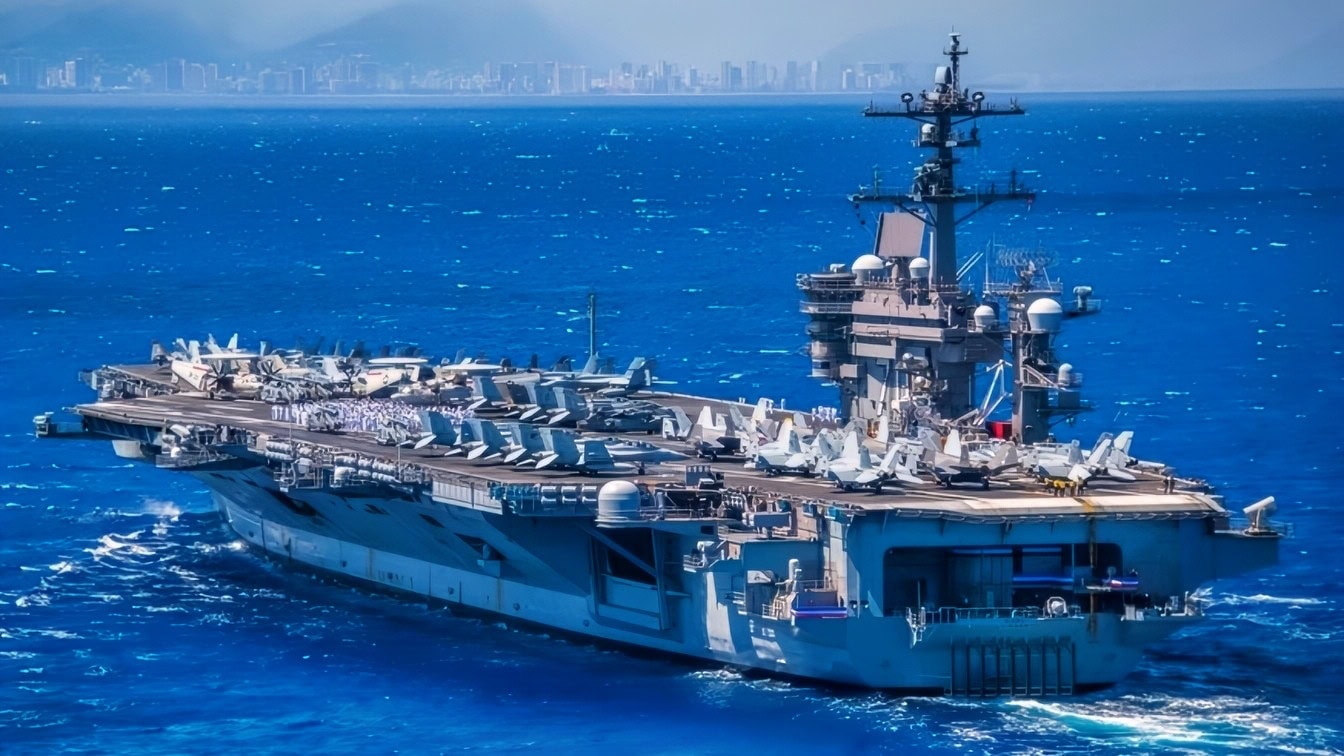
Enterprise mattered less as a platform than as a proof of concept. By replacing oil-fired boilers with eight A2W reactors, the ship removed the carrier's own fuel bunkers from the logistics equation and let designers trade that volume for aviation fuel and ordnance. Operation Sea Orbit in 1964 made the point publicly, but the practical lesson was that nuclear propulsion suited carriers structurally, while the eight-reactor arrangement itself was a dead end — it was expensive to build, manpower-intensive to run, and never repeated. The Nimitz class that followed achieved comparable performance with two larger A4W plants, so Enterprise is best read as a transitional design whose value lay in what it disproved as much as what it demonstrated.
Her service record also shaped US carrier practice in less flattering ways. The January 1969 flight deck fire, following comparable disasters aboard Forrestal and Oriskany, drove lasting changes in ordnance handling, deck firefighting and damage control training. Over 51 years and 25 deployments the ship spanned Vietnam, the Cold War, Desert Storm and post-2001 operations, which makes it a reasonable single-hull proxy for how US carrier employment shifted from open-ocean nuclear deterrence toward sustained land-attack from the littorals.
The unresolved chapter is disposal. Eight reactor compartments in a hull no other ship shares created a problem the Navy had no template for, and cost estimates in the range of $750 million to $1.55 billion delayed a decision for well over a decade. The June 2025 award of a $536.7 million commercial contract to NorthStar, with dismantling at Mobile, Alabama and completion targeted for late 2029, is therefore a test case rather than a routine scrapping: if commercial yards can safely dismantle a nuclear-powered warship, the precedent extends to the Nimitz class as those ships retire from 2026 onward. Cost and schedule performance on this contract should be treated as an early indicator, not a settled outcome.