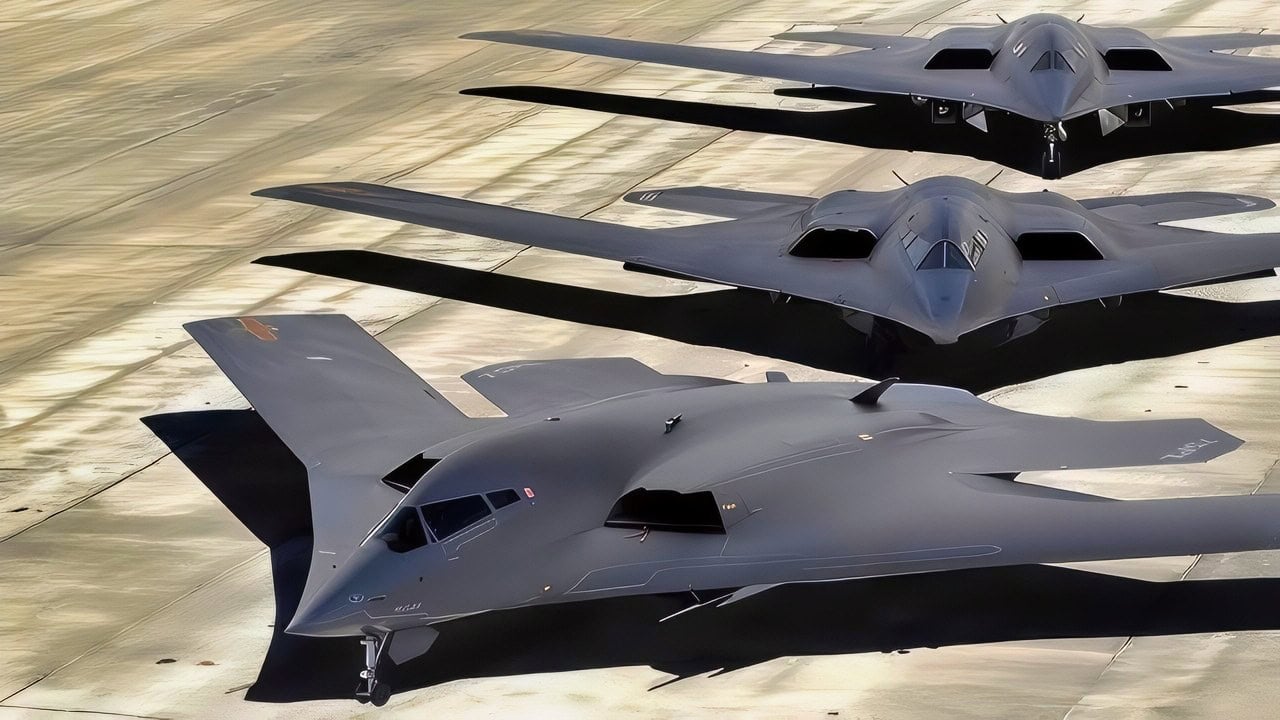
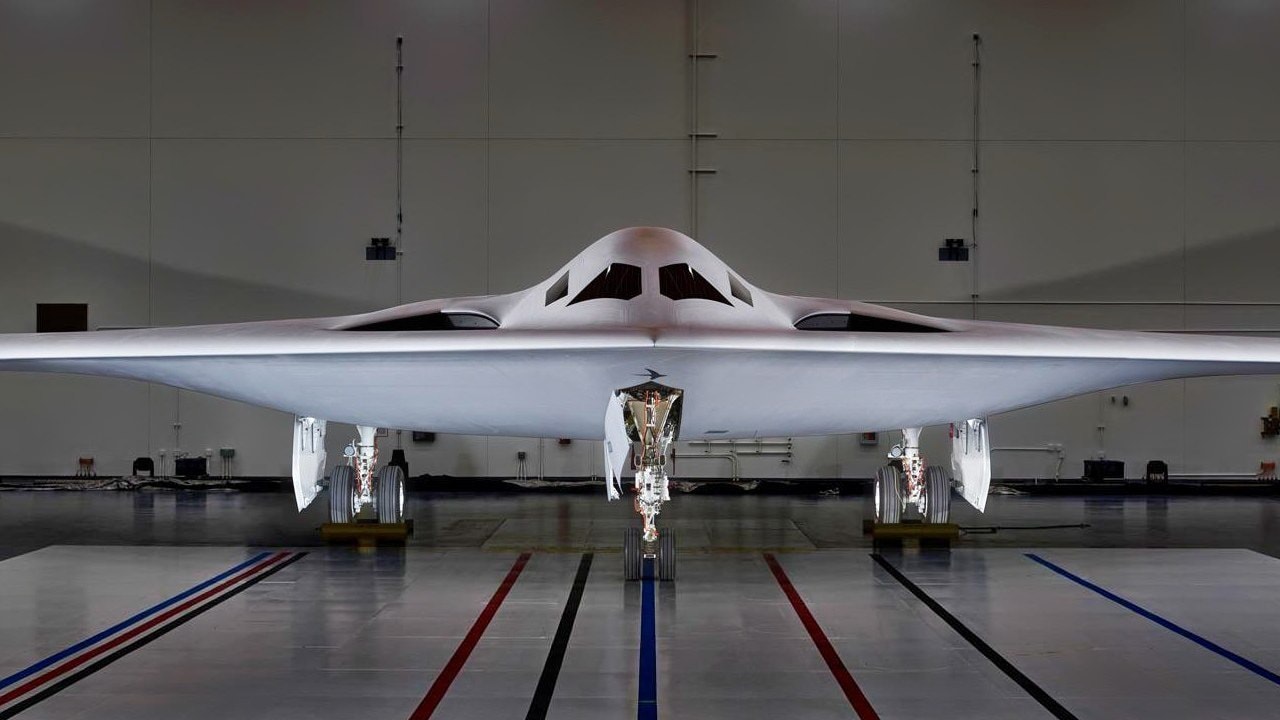
Any assessment of the H-20 has to begin with a caveat that applies to almost nothing else in a modern order of battle: the aircraft has never been publicly shown. There is no photograph of a prototype, no confirmed rollout, no acknowledged first flight and no published specification. The entire public record consists of a 2016 acknowledgement that a next-generation bomber was under development, two state-media teasers built around a shape hidden under a sheet, a single computer-generated rendering in a 2021 recruiting video, unverified model and social-media imagery, and a series of foreign intelligence assessments. Every figure attached to the programme - range, payload, dimensions, engines - is an estimate or an inference rather than a documented figure.
What the programme would mean, if it materialises, is nonetheless clear enough. China's current bomber force is built on the H-6 family, a derivative of a 1950s Soviet design that compensates for its lack of survivability by launching stand-off cruise missiles from outside contested airspace. A survivable, long-range flying wing would change that arithmetic, giving the PLA an air-breathing leg of its nuclear triad capable of penetrating rather than standing off, and extending credible conventional strike well beyond the second island chain. That is precisely why the programme has attracted the attention it has, and why each missed reveal window generates fresh reporting.
The more interesting question in 2026 is what the silence signifies. US officials have consistently played the programme down: an intelligence official in 2024 called it "not really" a concern and pointed to engineering design challenges, and in February 2026 the commander of Air Force Global Strike Command said China was "just not there yet". Reporting also noted the H-20 dropped out of the December 2025 Pentagon China report entirely. Two readings are available and neither can currently be falsified from open sources: that low-observable coatings, engines and systems integration have genuinely stalled the design, or that Beijing has deprioritised a penetrating bomber in favour of land-based missiles, hypersonics and stand-off weapons that deliver comparable deterrent effect at lower technical risk. Until an airframe is actually shown, both remain assessments rather than conclusions.