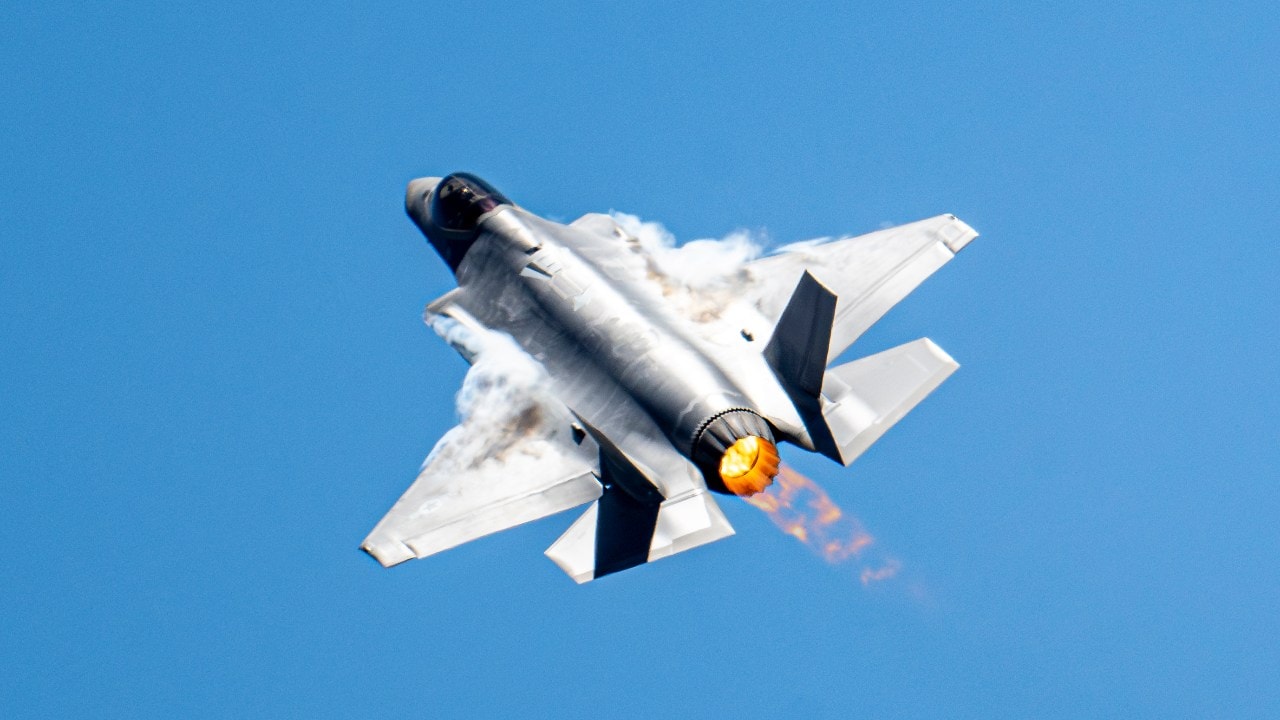
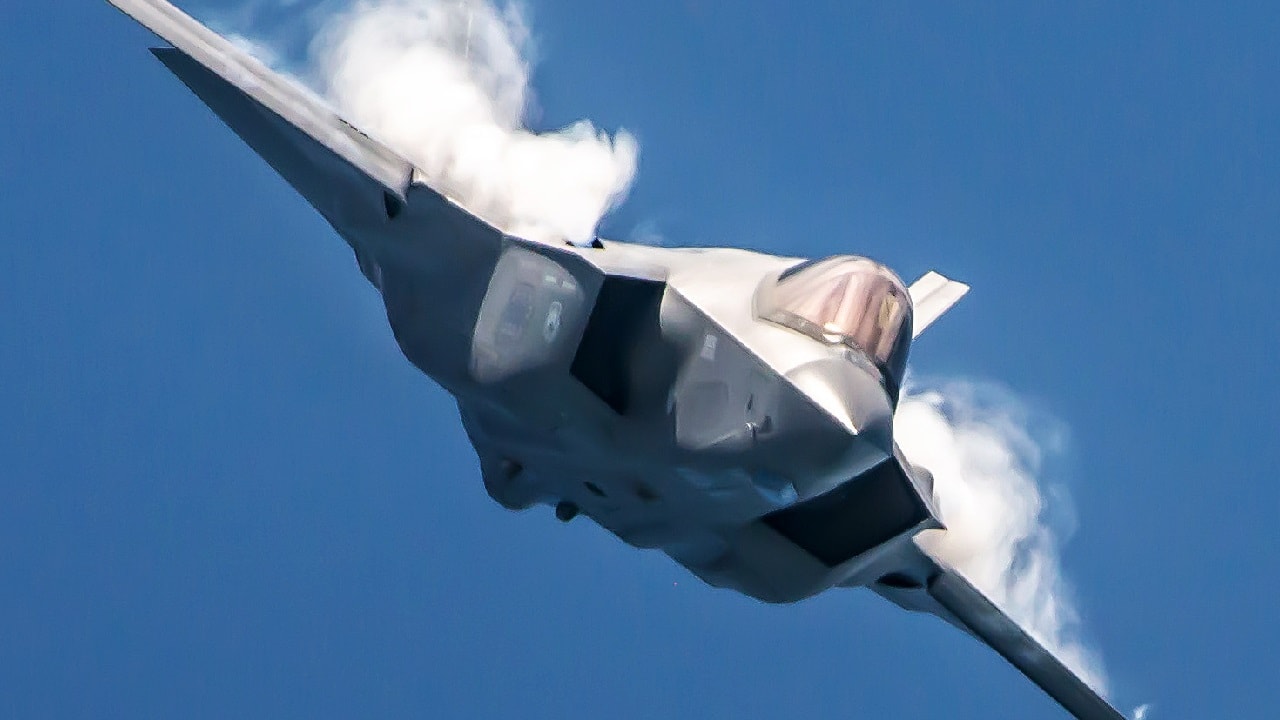
The AN/APG-81 marks the point at which a fighter radar stopped being a dedicated sensor and became a shared aperture. Air-to-air search and track, ultra-high-resolution synthetic aperture mapping, ground and maritime moving-target modes, and electronic warfare functions all run through the same array under software control. The earlier AN/APG-77 on the F-22 proved fighter AESA technology first, but the APG-81 was designed from the outset for that multifunction workload and for volume manufacture, with more than 1,000 units delivered across 11 lots by December 2022 and unit cost cut by over 70 percent - a scale no other Western fighter radar has matched.
The electronic warfare role carries the most operational weight. Because electronic support and electronic attack are performed by the fire-control aperture itself, an F-35 can geolocate and engage emitters without a dedicated jamming pod that would compromise its signature, while SAR mapping supports target identification and precision engagement in the same pass. The 2010 David Packard Award citation credited demonstrated gains in electronic protection against enemy jammers, which is one of the few officially acknowledged data points in an otherwise classified performance envelope. Detection ranges quoted in open sources should be read as estimates against unspecified target sizes rather than published performance.
The near-term issue is succession rather than capability. The gallium-nitride AN/APG-85 is central to the Block 4 upgrade, but its mounting hardware is not backward compatible with APG-81 installations, and reported production start has slipped to April 2028. US services have consequently begun accepting aircraft with ballast in place of a radar, and Lot 17 jets continue to be delivered with the APG-81. That leaves the older array as the operational baseline for the great majority of the F-35 fleet well into the 2030s, and makes the retrofit path - not the sensor's design - the principal open question.