

Summary and Key Points: Journalist Georgia Gilholy evaluates the Global Combat Air Program (GCAP), the tri-national effort by Japan, the UK, and Italy to develop a 6th-generation fighter.
-Despite a contract delay for the Edgewing joint venture—linking BAE Systems, Leonardo, and Japan Aircraft Industrial Enhancement Co.—Tokyo has accelerated legislative reforms to allow lethal exports.
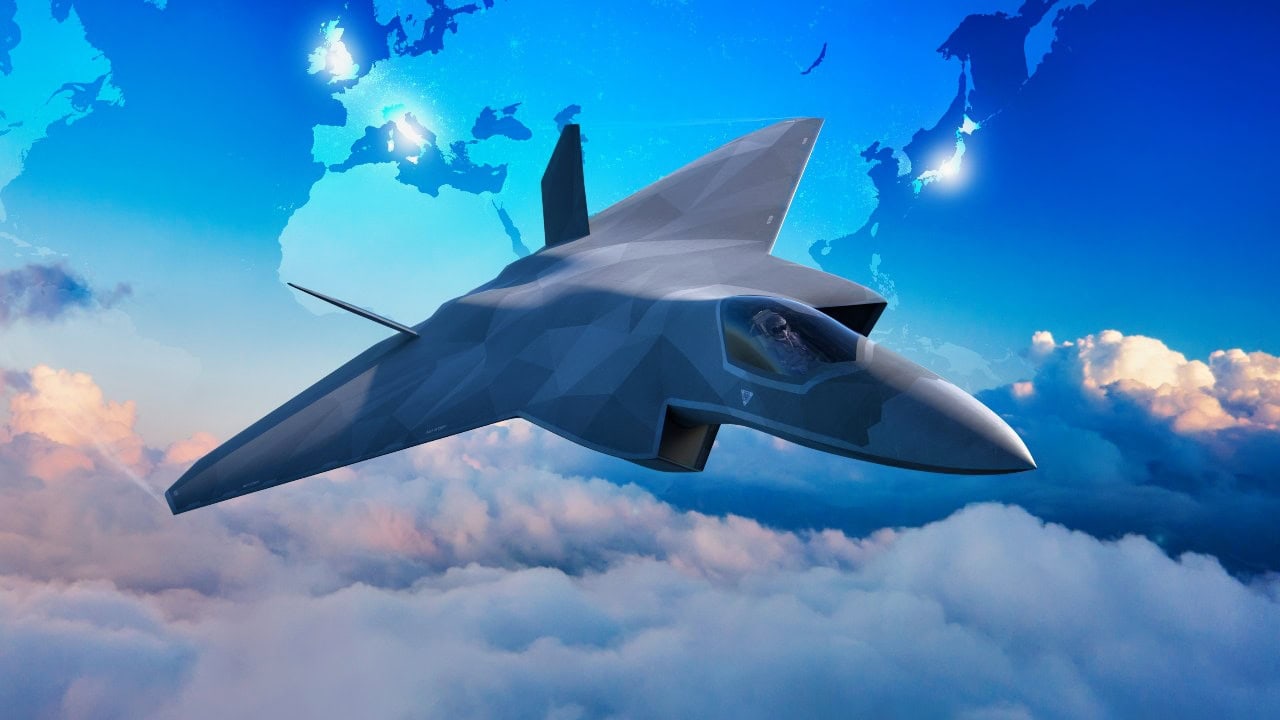
GCAP. Image Credit: Industry Handout.
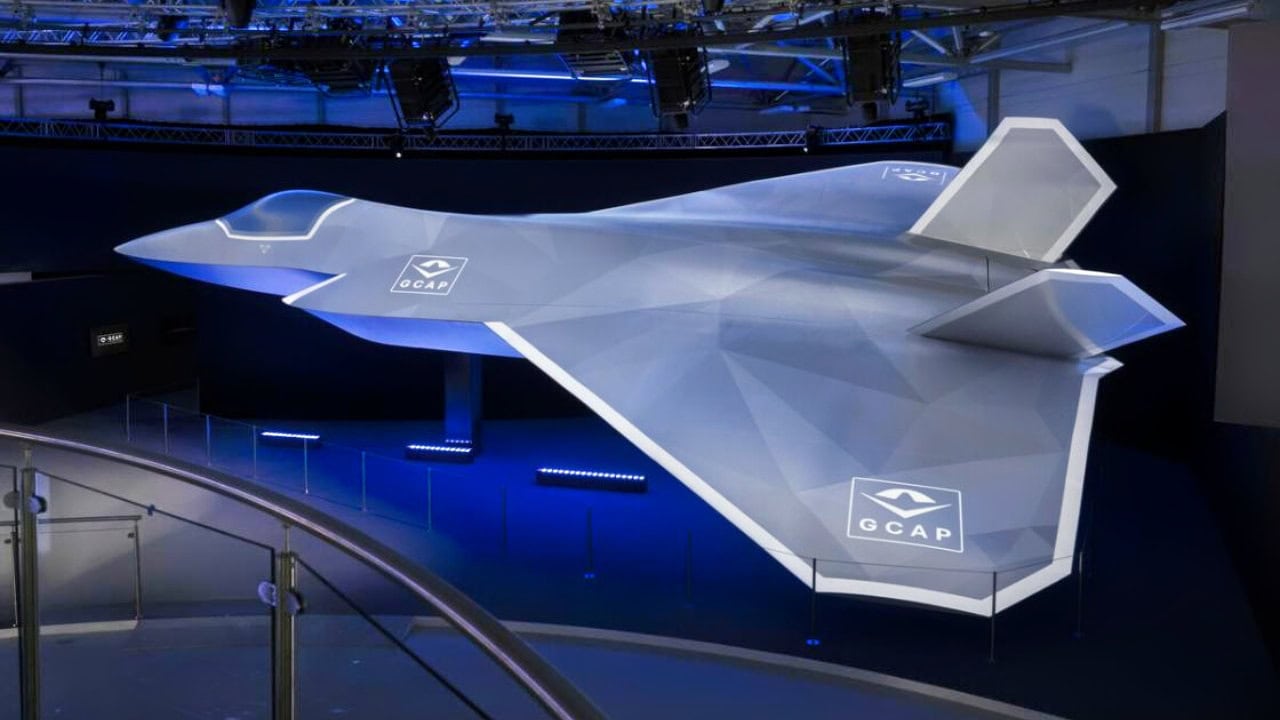
GCAP 6th Generation Fighter
-This report analyzes the program’s role as Japan’s F-2 successor, its rivalry with the faltering Franco-German FCAS, and the strategic shift away from U.S. reliance.
-Gilholy concludes that for Japan, the GCAP is a “strategic necessity” in countering Chinese military pressure.
Beyond Washington: Why Tokyo is Betting Big on the GCAP “Equal Partnership”
The Global Combat Air Program (GCAP) may be showing some signs of strain, but Tokyo is still keen to get things moving.
Japan has now sped up export-rule shifts and secured funding for the next-generation fighter jets despite questions over contracts and budget pressures clouding parts of the programme.
The first design contract between the GCAP International Government Organisation and Edgewing — the industrial joint venture linking BAE Systems, Leonardo, and Japan Aircraft Industrial Enhancement Co. — has been delayed, in part because Britain’s overdue Defence Investment Plan has yet to settle the funding picture.
Japanese experts quoted by the outlet suggested the disruption could slow parts of the schedule by months, perhaps a year, but not necessarily derail the target of fielding the aircraft in 2035.
That distinction matters. GCAP is not just another procurement line item for Japan. It is the country’s most expensive defence project, the planned successor to the F-2, and a rare attempt to build cutting-edge combat aviation capability through an equal partnership with European allies rather than through Washington.
In Europe and Japan, this programme is seen as one way to reduce overreliance on the United States, something that Donald Trump’s toing and froing over Russia and Ukraine continues to highlight.
Tokyo also appears increasingly aware that export flexibility will be central to the project’s long-term viability.
Reuters previously reported that Japan eased its arms export rules in 2024 to allow overseas sales of the future jet under certain conditions, marking a major shift for a country long constrained by postwar restrictions.
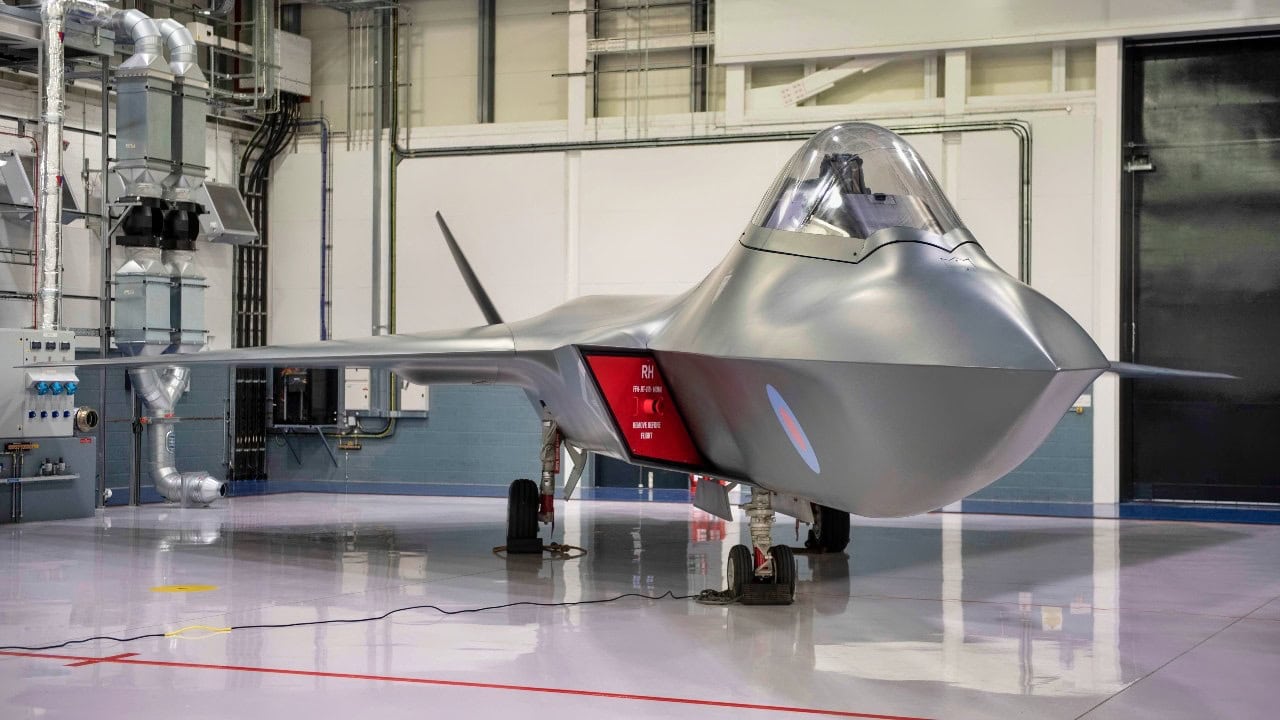
Image of the UK’s concept model for the next generation jet fighter “Tempest”, which was unveiled by Defence Secretary, at Farnborough International Air Show back in 2018.
The latest push goes further, with the ruling coalition reportedly examining broader reforms that could expand future sales options and strengthen the economic rationale for Japan’s participation. For a project of this cost and complexity, exports are not a side issue; they are part of the business case.
The politics around possibly widening the programme are far less straightforward, with Germany now nudging toward membership. Rolls-Royce chief executive Tufan Erginbilgiç has already expressed openness to the idea.
Berlin’s input could strengthen the industrial base and enlarge the eventual market, especially as the rival Franco-German-Spanish FCAS effort remains troubled. But it could also complicate governance and slow development — exactly the outcome Tokyo seems most keen to avoid.
There is also a broader fiscal concern hanging over the programme.
Air Force Technology recently highlighted comparisons in Britain between GCAP and the ill-fated TSR-2, pointing to anxiety over affordability, delayed budget planning, and the risk of overreach.
Even so, GCAP still differs from past national vanity projects in one key respect: the cost, political commitment, and industrial stakes are shared.
For Japan and others, these delays are frustrating but manageable.
Chinese military pressure over Taiwan and the South China Sea is mounting, and previous assumptions can no longer be taken for granted.
Tokyo’s zeal for the project may not solve its financial headaches, but it does show that one of its three core partners still sees the aircraft as a strategic necessity rather than a luxury.
About the Author: Georgia Gilholy
Georgia Gilholy is a journalist based in the United Kingdom who has been published in Newsweek, The Times of Israel, and The Spectator. Gilholy writes about international politics, culture, and education. You can follow her on X: @llggeorgia.