

“Human experience shows that people, not organizations or management systems, get things done.” – US Navy Admiral Hyman Rickover
Admiral Hyman Rickover is known as the “Father of the Nuclear Navy.” A mentor to many of America’s greatest submarine skippers, the mind behind the world’s most powerful warship classes in the post-World War II era, Rickover was a hard-charging genius.
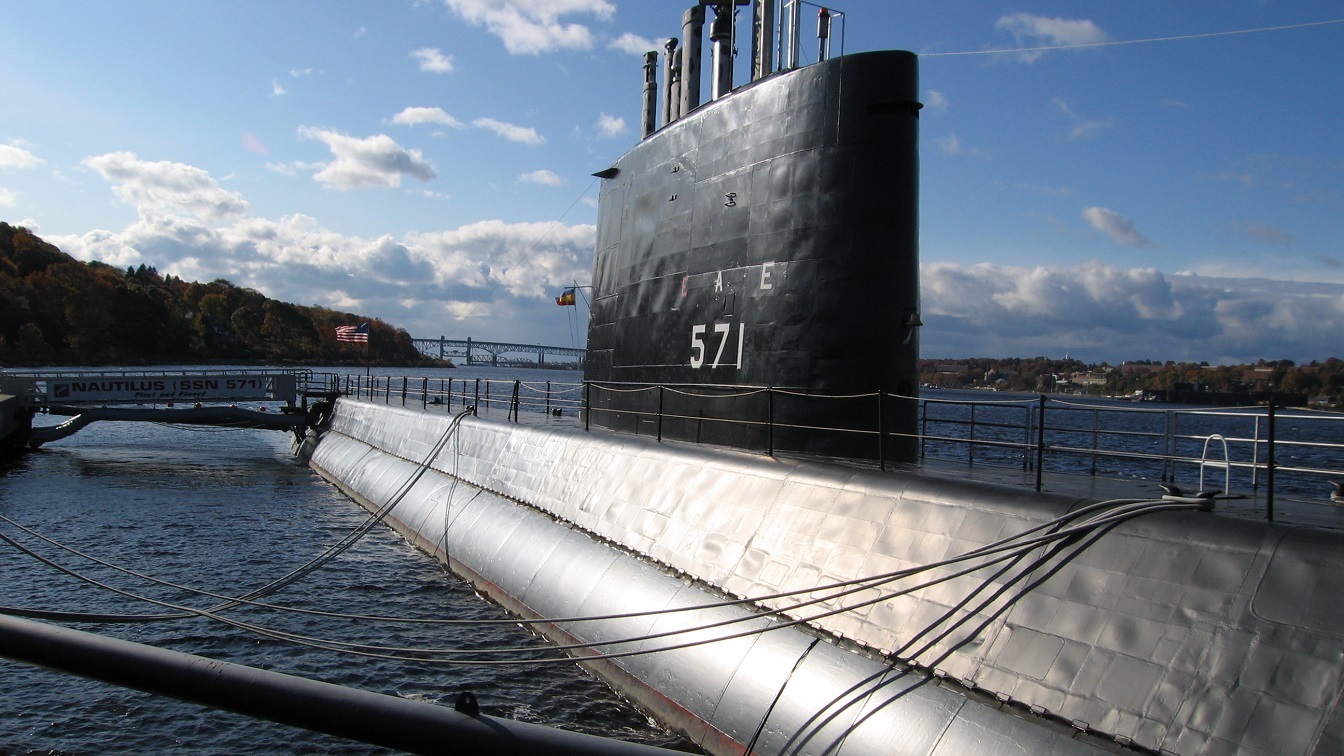
The USS Nautilus permanently docked at the US Submarine Force Museum and Library, Groton, CT.
Indeed, many who served directly under him could withstand the strain.
The few who could, such as Jimmy Carter, a nuclear engineer in the Navy, were considered invaluable to Rickover’s quest to create a nuclear-capable navy.
Tough But Fair
Despite being a notorious taskmaster, Rickover was also a true leader.
As the quote above suggests, Rickover prioritized his people over the bureaucratic mechanisms created and built up over decades.
Whereas so many fell into the mental trap that bureaucracies make everything easier for those living under that bureaucracy, Rickover–like all true innovators–saw bureaucracy as stifling to human innovation.
Perhaps one reason Rickover was such a difficult boss was that he expected his subordinates to take charge of their own workload and staff.
He wanted his subordinates to have real authority and gave them significant responsibilities early in their careers to build competence (and ensure they took pride in and ownership of the work).
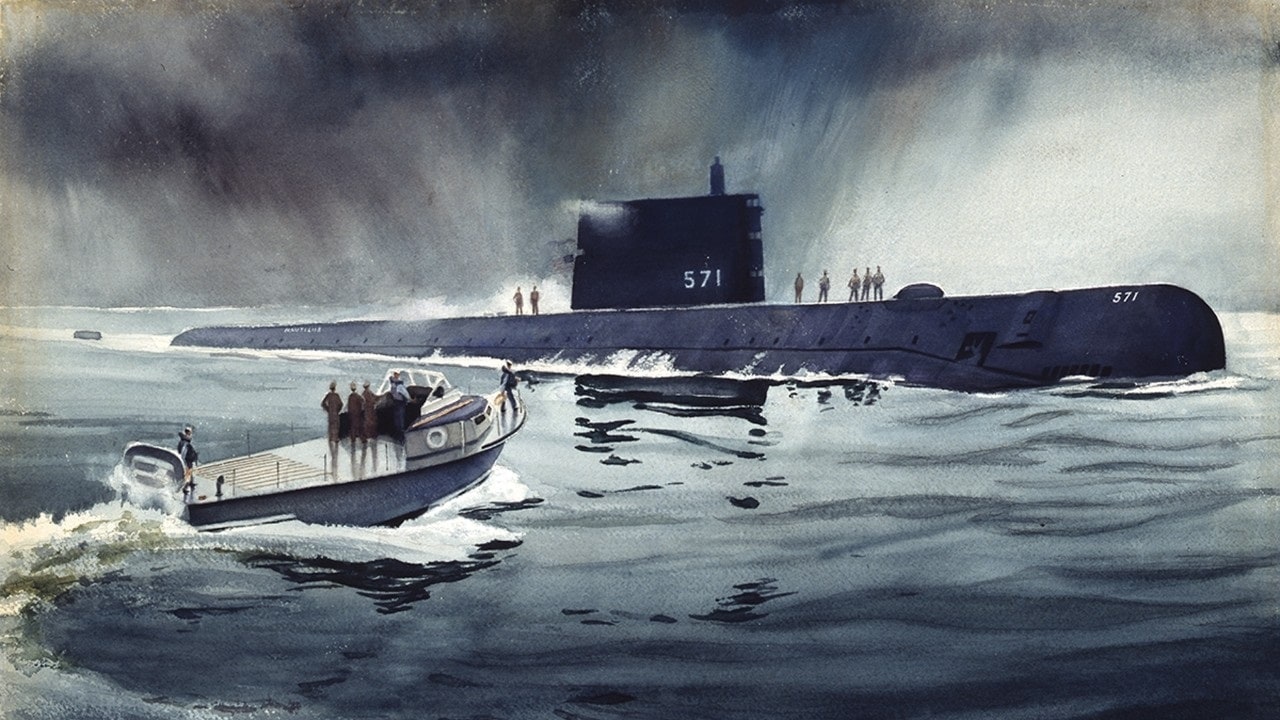
Nuclear powered submarine USS Nautilus (SSN-571). Painting, watercolor on paper, by Albert Murray, 1959. Naval History and Heritage Command photograph, 88-195-HL.
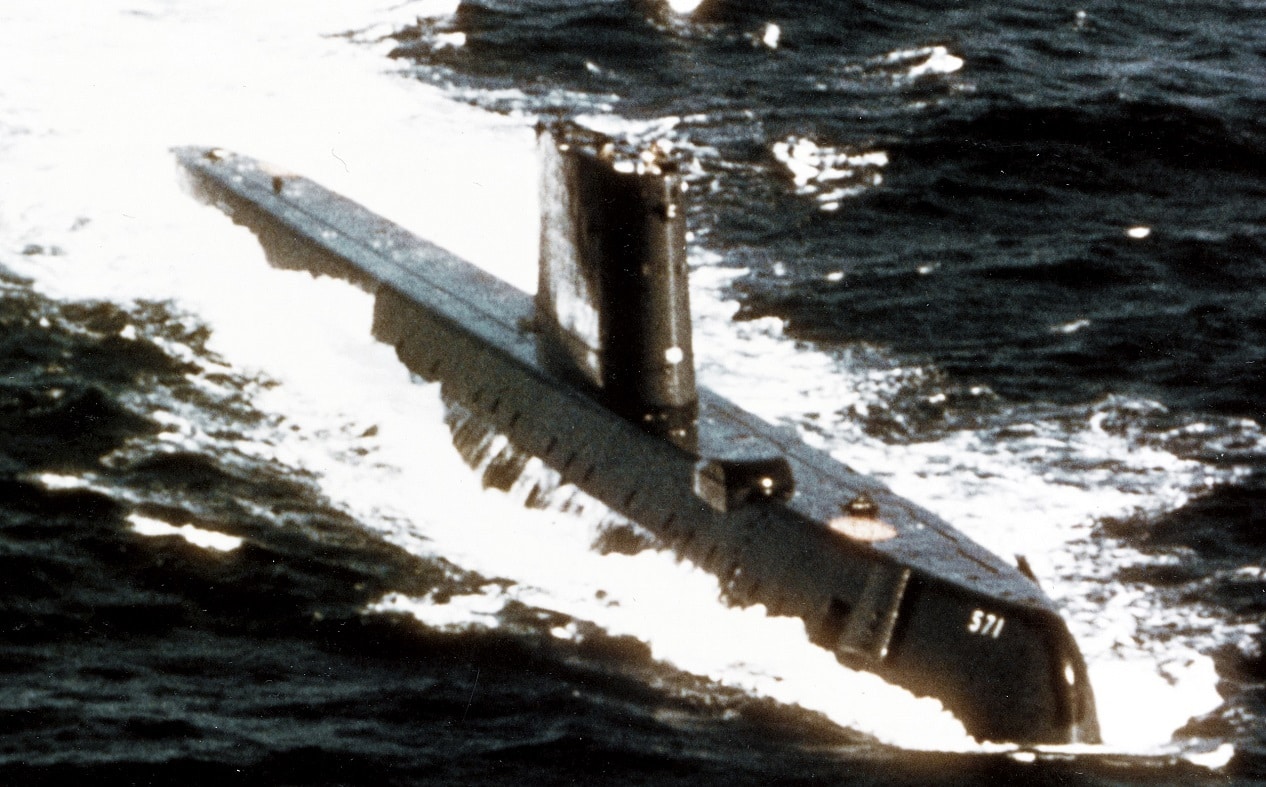
USS Nautilus. Image Credit: Creative Commons.
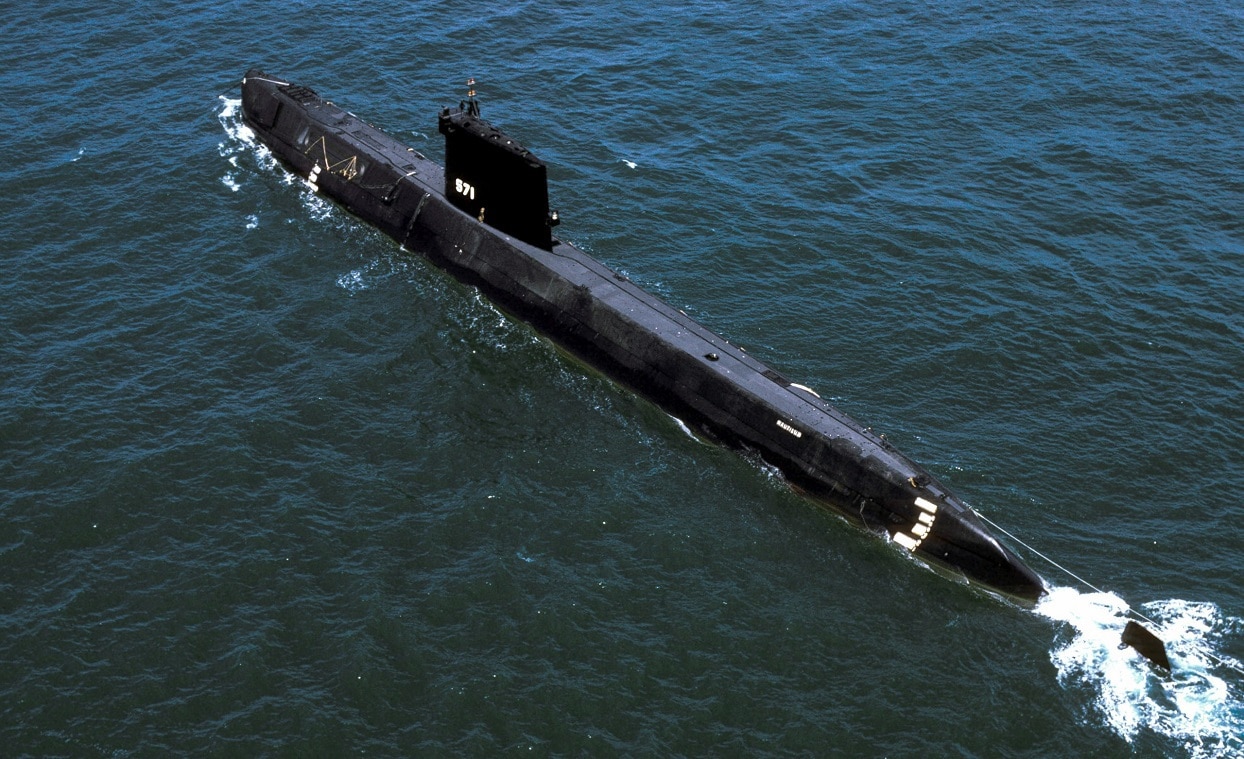
An aerial port quarter view of the nuclear-powered attack submarine ex-USS NAUTILUS (SSN 571). The NAUTILUS is being towed to Groton, Connecticut, where it will become a museum.
Rickover was also ahead of his time in the sense that he did not like formal job charts.
He refused to create job descriptions for his subordinates, too.
For Adm. Rickover, the enemy was the enemy. And that enemy was the bureaucracy. So, he created a microcosm of innovation around his span of control.
This created the culture of innovation and competence that Rickover desired.
Because Rickover was building America’s nuclear submarine fleet, he couldn’t have simple worker bees.
Rickover needed each subordinate to have a mind of their own, the discipline to stay on task, and a unique vision for building America’s modern nuclear Navy.
Reading about Rickover’s management style, it sounds more like a modern Silicon Valley leader.
He basically wanted his team to move fast and break things.
He loved experimentation. But he wanted it within the confines of discipline.
Free thought was great.
Freewheeling was frowned on, though.
Just a Jewish Boy from Chicago
His unique style and brilliance likely came from the fact that Rickover did not come from the typical upper-middle-class or upper-class strata of American society at the time.
He wasn’t a WASP. Rickover wasn’t even an upstart Catholic.
Hyman Rickover was a Jewish immigrant from Poland. His parents fled the horrific anti-Jewish pogroms of their native Poland.
They found refuge in Chicago, where so many of their fellow Eastern European Jews found a home following the pogroms.
Poland’s loss was America’s gain, as it turned out.
Of course, living in turn-of-the-century America as a Jew was no bed of roses. Young Rickover faced what we’d call antisemitism today.
But the young man persevered, aided in his youth by familial ties to Chicago’s growing, powerful Jewish community.
Specifically, his family relationship with Congressman Adolph J. Sabath was critical for Rickover’s application to the prestigious United States Naval Academy.
Turning Lived Antisemitism Into a Strength
Once at the USNA, Rickover experienced horrific hazing and taunting from the overwhelmingly non-Jewish student population.
In a perverse way, though, never being fully accepted into the “in-crowd” allowed young Rickover to flourish as a radical thinker within the otherwise rigid ranks of the United States Navy.
It truly was a formative experience, and Rickover turned that particularly noxious set of experiences into the foundations of one of the most incredible careers in the annals of American naval history.
Because of his unique style and exacting standards, Rickover’s list of proteges is a who’s who of modern naval greats.
Not only did Jimmy Carter serve under him, but so did Adm. James D. Watkins, who served as Chief of Naval Operations and Secretary of Energy during the George H.W. Bush administration. Adm. Steven White later commanded the Navy’s nuclear submarine fleet in the Atlantic.
A Great Leader of Men
Rickover didn’t influence only naval officers. In the 1950s, a civilian nuclear engineer named Milton Shaw worked under Rickover, serving as the project manager for the USS Enterprise, America’s first nuclear-powered submarine.
Shaw was a giant in the nuclear field.
Another man who gave us a glimpse into Rickover’s style was Theodore “Ted” Rockwell.
After serving as Rickover’s technical director for years, Rockwell went on to write the bestselling book The Rickover Effect, which closely documented Hyman Rickover’s unique, legendary management style.
Indeed, Rickover’s style is not only a prized legacy in the US Navy. It has also impressed and influenced business executives.
Rickover is one of the most important naval officers of the postwar era. We would not have a nuclear-powered navy without him.
About the author: Brandon J. Weichert
Brandon J. Weichert is the Senior National Security Editor at 19FortyFive.com. He also manages The Weichert Brief on Substack. Weichert also hosts “National Security Talk” on Rumble. He is the author of four bestselling national security books, most recently A Disaster of Our Own Making: How the West Lost Ukraine (Encounter Books). Follow him via Twitter/X @WeTheBrandon.