
A Houthi Missile Strikes the Heart of Riyadh on November 8, 2026, Revealing the Limits of Saudi Air Defense
 Ahmed Al-Rashid
Houthi Missile Strikes the Heart of Riyadh on November 8, 2026, Revealing the Limits of Saudi Air Defense
On the morning of November 8, 2026, a missile launched by the Houthis struck a building belonging to Aramco in the financial district of Riyadh, according to reports from CNN and The Wall Street Journal, while Saudi authorities later announced the end of the alert status in the Eastern Province. The significance of the incident lies not only in the physical damage but also in the location the missile reached. The attack shifted the threat from distant energy facilities to the heart of the Kingdom's economic and political image.
What We Know About the Attack
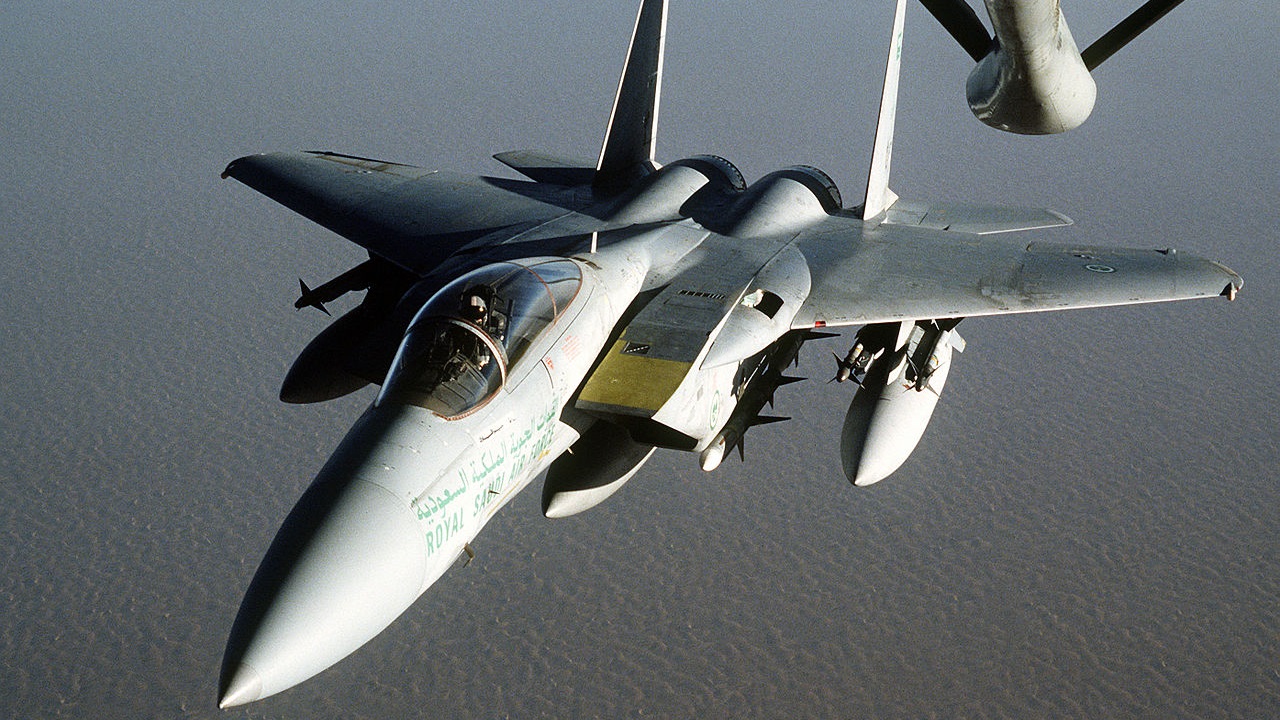
The information available at the time of writing this report does not allow for a definitive conclusion about the type of missile, its trajectory, or whether it breached the interception network or hit a target after partial interception. However, the intersection of media reports confirms three operational points. First, the target was inside Riyadh and not on the fronts of Najran or Jazan. Second, a building associated with Aramco was damaged, which is the company that represents the backbone of state revenues and investor confidence. Third, the attack came after Saudi strikes on Houthi positions in Yemen, making it more of a counter-deterrence message than a random incident.
It is essential to distinguish between a direct hit and the fall of interception debris. In missile wars, the warhead may have been partially destroyed, or the missile may have deviated from its aiming point, or the system may have chosen not to engage due to trajectory calculations. Therefore, the narrative of a Patriot failure requires radar evidence that public data does not currently provide.
Air Defense Is Not One Umbrella
Militarily, Saudi Arabia possesses a multi-layered air defense system that includes Patriot systems, radar systems, and short-range interceptors, in addition to long-term American support. However, having batteries does not mean covering every meter of the Kingdom's territory. Riyadh is surrounded by a vast geographical environment, potential threats come from multiple directions, and protecting a single facility requires appropriate radar, a quick engagement decision, an available interceptor missile, and a crew capable of operating under the pressure of successive attacks.
This is where the triangle of capability often missing from arms deal data comes into play: equipment, training, and institutions. A Patriot battery can intercept a ballistic missile under certain conditions, but it does not grant the state immunity from an attack that combines low-flying drones, cruise missiles, and ballistic missiles or strikes from simultaneous axes. Even the best air defense network in the world is forced to distribute its resources and cannot protect every vital facility to the same degree at all times.
Why Location Matters More Than the Number of Missiles
The Saudi question now is not how many missiles were intercepted, but what the Houthis can hit when they choose the timing, direction, and target. Hitting a building in the financial district does not mean that the Houthis can incapacitate Aramco, but it proves that deterrence based solely on protecting oil facilities is no longer sufficient. Economic confidence is affected by perception before it is affected by production, and the image of a missile reaching Riyadh may raise insurance costs and pressure air travel and investment even if exports remain continuous.
Moreover, the attack places Riyadh in a political dilemma. A strong response to Yemen may temporarily reduce the risk of attacks, but it could push the Houthis to expand their target bank. On the other hand, restraint is read within the region as acceptance of an armed group's ability to dictate the pace of escalation. There is no clean strike here; every option reproduces the danger on another front.
The Gulf Lesson
Reports from Reuters and France 24 confirmed that Saudi authorities issued alerts in the Eastern Province before announcing the end of the threat, while media sources reported damage to a facility linked to Aramco in Riyadh. These developments remind Gulf countries that joint air defense is not a political statement or a shopping list. It requires real-time data exchange, linking the radars of the countries, sustainable interception stockpiles, joint training, and plans for business continuity after a strike.
The Gulf states have spent billions of dollars on fighter jets and interceptor missiles, yet they still rely on the United States for critical parts of early warning, maintenance, munitions, and analysis. This is not just a technical problem. It is a political contradiction between the desire for security independence and the need for an external umbrella at the first major test.
Conclusion
The attack on Riyadh does not prove the collapse of Saudi air defense, but it does demonstrate that air defense alone cannot solve a political and military problem that extends from Sana'a to the Gulf. If the Kingdom is content with purchasing additional batteries, it will get new numbers in the tables. However, real capability requires a command structure, training, economic flexibility, and the ability to prevent the recurrence of an attack, not just intercept it. In the Middle East, those who buy weapons without building institutions are buying short time, not lasting security.
Sources CNN, The Wall Street Journal, France 24, Reuters, Al Jazeera, and reports from the Saudi Civil Defense published on November 8, 2026.
A Houthi missile struck an Aramco building in Riyadh on November 8, 2026, highlighting vulnerabilities in Saudi air defense. The attack marks a significant escalation, targeting the heart of the kingdom's economic and political landscape. Following the strike, Saudi authorities ended the alert status in the Eastern region.
- A Houthi missile struck an Aramco building in Riyadh on November 8, 2026.
- The attack signifies a shift in threat perception from remote energy facilities to central economic and political locations.
- Saudi authorities declared an end to the alert status in the Eastern region after the incident.