
A second faster means a better chance of victory, a second slower could lead to total defeat.
Recently
an anti-aircraft drill by a certain air force unit
quietly unfolded under the cover of night
Inside the radar cabin, the atmosphere was tense
Operator Xiao Zehao was on edge
his eyes fixed on the screen that had yet to light up
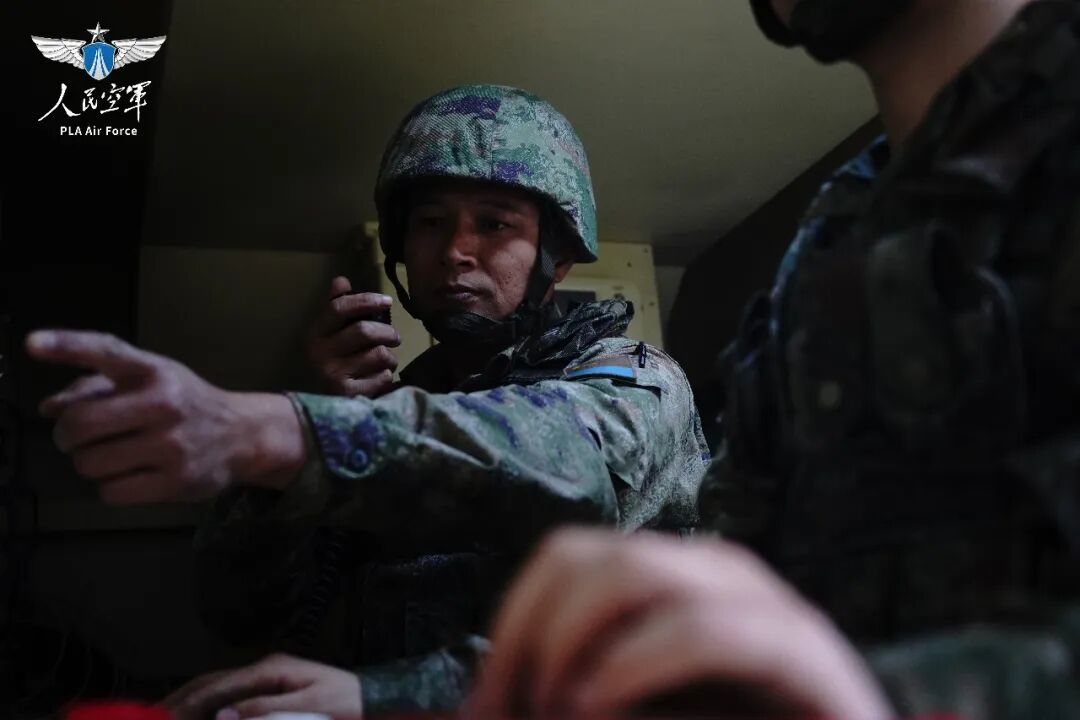
The "enemy aircraft" was approaching
According to the usual rhythm of confrontation
they could power on early, search calmly, and lock on steadily
But this time, they held their breath
because the earlier they powered on
the faster they would expose themselves
"Power on!"
a low command was issued
Xiao Zehao decisively pressed the power button
The indicator lights in the cabin lit up
Operator Mu Xiaoyi's fingers flew rapidly over the keyboard
The target signal flickered on the screen—captured!
Just as they locked onto the target and completed the engagement command
Xiao Zehao was already prepared to shut down
"Shut down! Withdraw!"
The entire process was clean and efficient
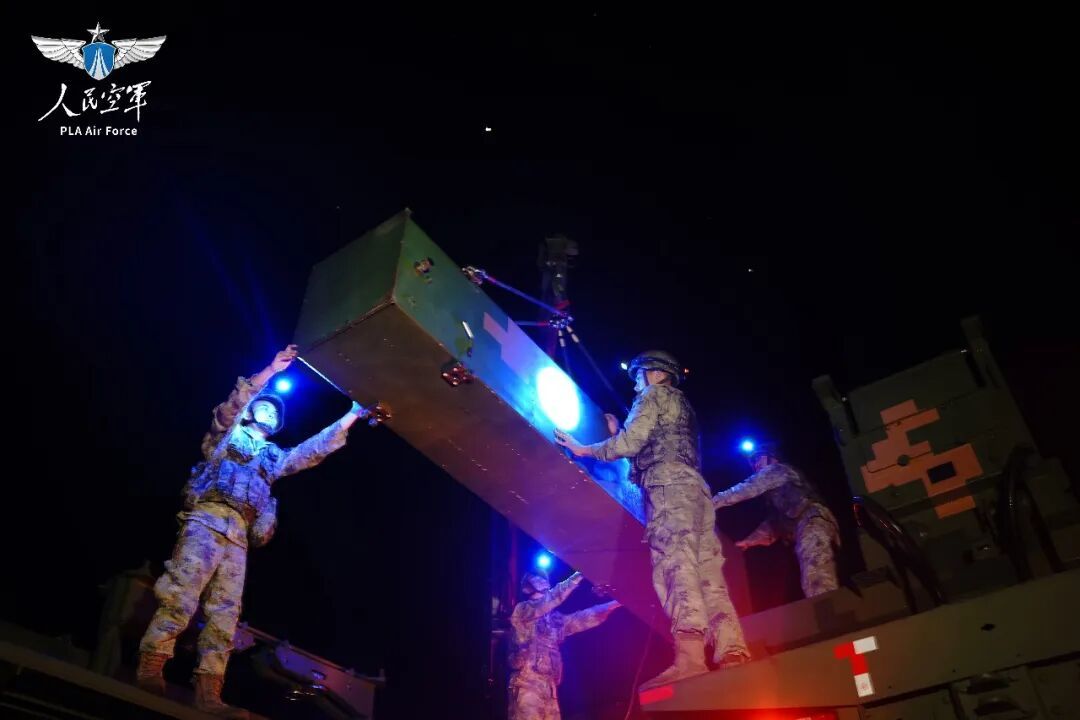
"In the past, we pursued 'accuracy'
now we pursue 'both accuracy and quick withdrawal'."
Xiao Zehao admitted that this change in mindset
stemmed from a lesson learned from a failure
During that drill
the unit quickly locked onto the target and successfully engaged
By all accounts, it was a beautiful battle
However, just at the moment of shutting down and withdrawing
the "enemy" drone locked onto their position coordinates based on the radar signal and executed a "destruction"
"If this were a real battlefield
we would have already been sacrificed in that battle."
The commander's words
struck a chord with everyone
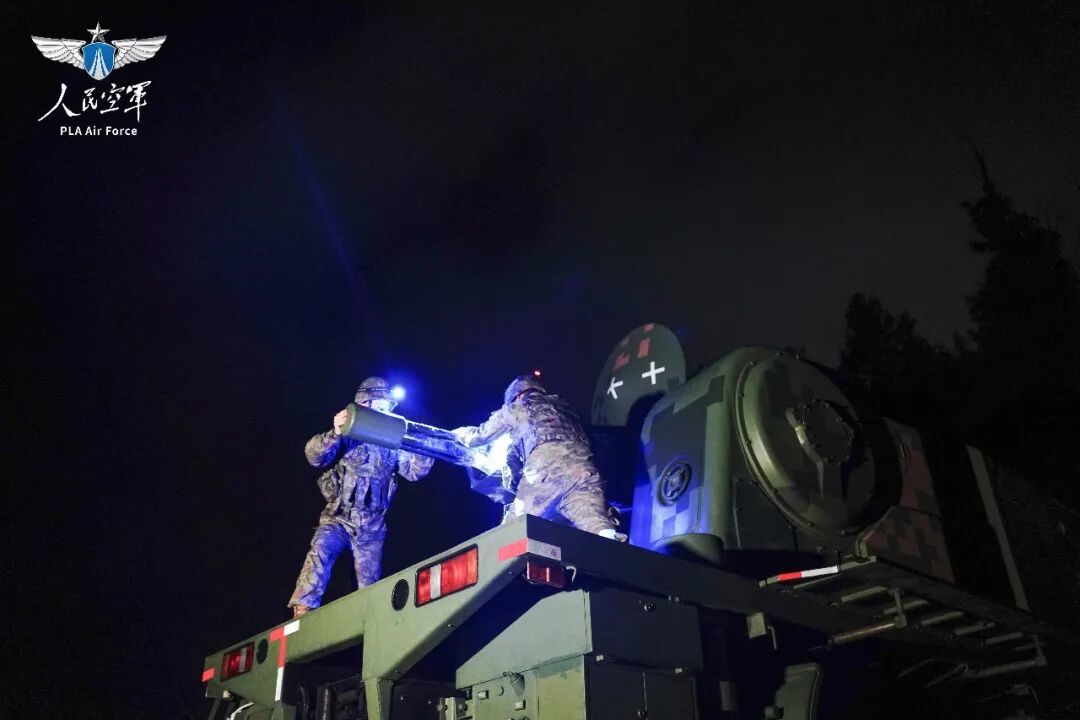
They needed both "hit rate"
and "survival rate"
Since then
they have closely studied the battlefield
changed their training methods, and focused on specialized refinement
Previously, they practiced "quick detection, stable tracking, and accurate judgment"
now they pursue "powering on one second later, shutting down one second earlier"
Previously, assessments only counted "detection probability" and "hit probability"
now they have added "survival probability"
To gain those few seconds
the unit's personnel have broken down the operating procedures
to every action, every key press
They have repeatedly calculated
After several months
the most frequently used keys on the keyboard have been polished to a shine
Some personnel have developed an extra layer of calluses on their hands
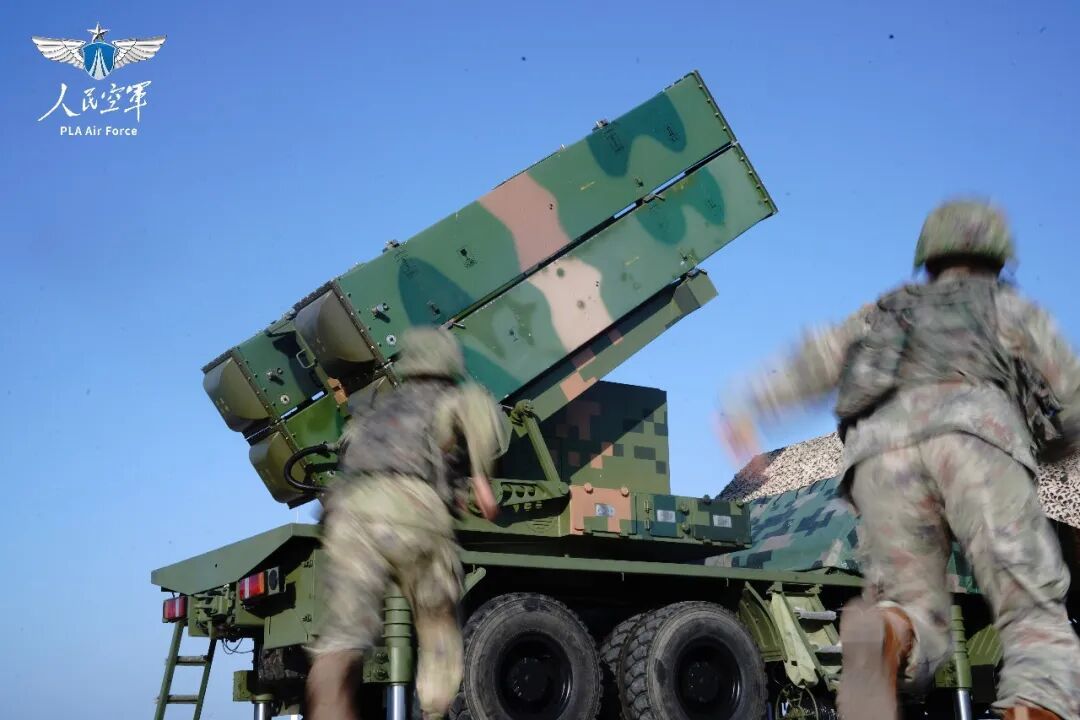
"Being one second faster may increase our chances of victory
being one second slower may lead to total annihilation."
This urgent awareness of racing against time
has now become an instinctive reaction for them
"When we engrave the crisis awareness of 'powering on means exposure' into our bones
and practice the ultimate pursuit of 'one second faster' until it becomes instinct
we will be one step closer to winning on the battlefield."
At the debriefing meeting after the drill
the battalion commander expressed his deep feelings
Authors | Si Caixiang, Zhang Junyin, Chen Yixue
An Air Force unit recently conducted a military exercise focused on radar operations and target engagement under night conditions. The exercise highlighted the importance of timing, with personnel trained to engage targets quickly while minimizing exposure. Changes in training methods were implemented following lessons learned from previous exercises, emphasizing both accuracy and survival rates.
- The exercise involved a focus on radar operations and target engagement under night conditions.
- The unit emphasized the importance of timing in operations, aiming for quicker engagement and withdrawal.
- Past experiences led to a change in training methods to improve survival rates during engagements.