
Activating Spy Satellite Network to Attempt Arms Sales to the Philippines, Japan's Military Ambitions Raise Concerns
Recently, Japan's consecutive military actions have drawn attention. On the 14th, the Japanese Ministry of Defense announced that the low-orbit reconnaissance satellite network "satellite constellation," which supports its "long-range strike capability," has been operational since April, aimed at providing target reconnaissance and surveillance for long-range missiles. Meanwhile, the Ministry of Defense is exploring the export of offensive missiles to the Philippines. On the 15th, a draft proposal by the Liberal Democratic Party regarding the revision of the "three security documents" was revealed, which, while avoiding sensitive terms like nuclear submarines, still highlights the intention to accelerate military deregulation.
Experts indicate that Japan's strengthening of its space intelligence network and promotion of offensive weapon exports reflect a continuous expansion of military ambitions, necessitating vigilance from other countries. On the 15th, Japanese citizens held a rally in front of the Prime Minister's residence to protest the dangerous trends of the Kishi administration's accelerated military expansion and constitutional revision.
Japan activates intelligence-gathering satellite network
Exploring the export of offensive missiles to the Philippines
The intelligence-gathering satellite network "satellite constellation" has been activated
On the 14th, Yohei Nakabayashi, Japan's Deputy Minister of Defense, stated in the House of Councillors' Cabinet Committee that the intelligence-gathering satellite network "satellite constellation" has been operational since April.
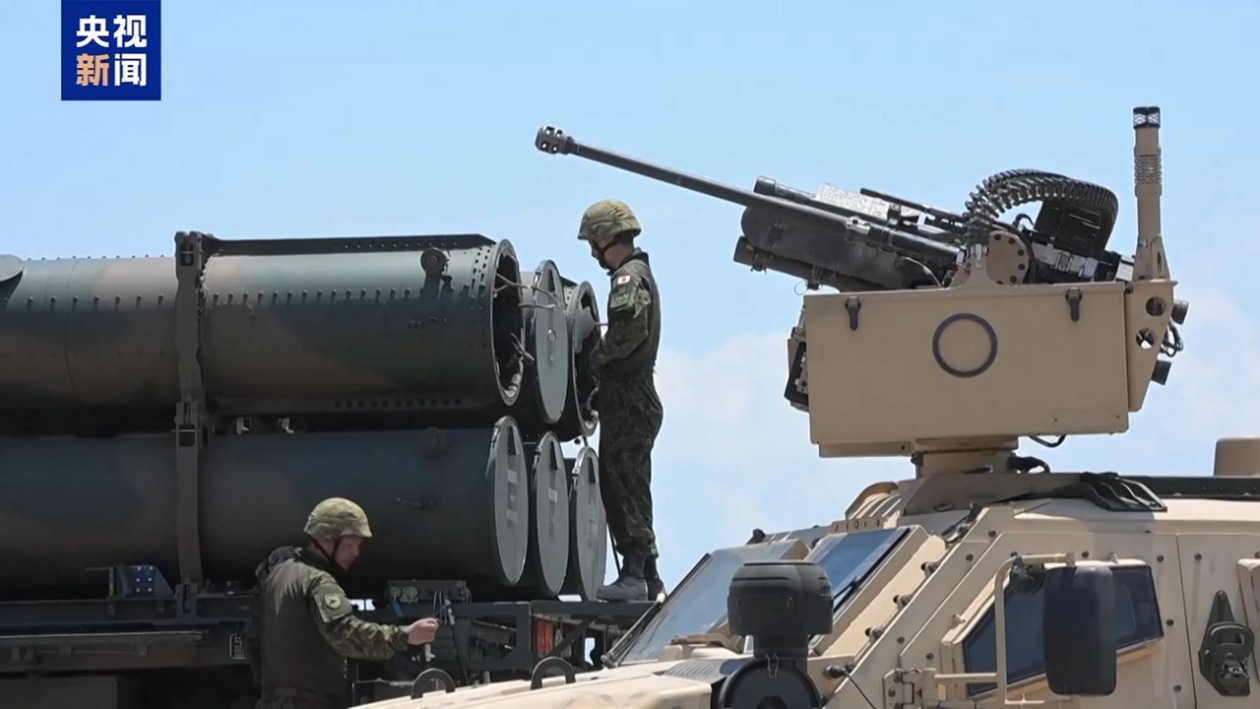
Nakabayashi claimed that to ensure the effectiveness of long-range missiles as a means of "counterstrike capability," the low-orbit military reconnaissance network "satellite constellation," composed of numerous small satellites, has been activated this April. Analysts believe that the role of the "satellite constellation" is akin to "glasses" for long-range missiles, used to identify and monitor attack targets.
Additionally, the Cabinet Committee of the House of Councillors questioned the current push by the Kishi administration for the establishment of a "National Intelligence Conference." Japan's Chief Cabinet Secretary Hirokazu Matsuno stated that the "National Intelligence Conference" will formulate guidelines for the development and use of intelligence-gathering satellites and will cooperate with the Self-Defense Forces on related intelligence. The bill for establishing the National Intelligence Conference was approved by a majority in the House of Representatives on April 23. The Senate began deliberations on the bill in a plenary session on the 8th of this month. With a majority in favor in the Senate as well, the bill is expected to be approved in the current Diet session.
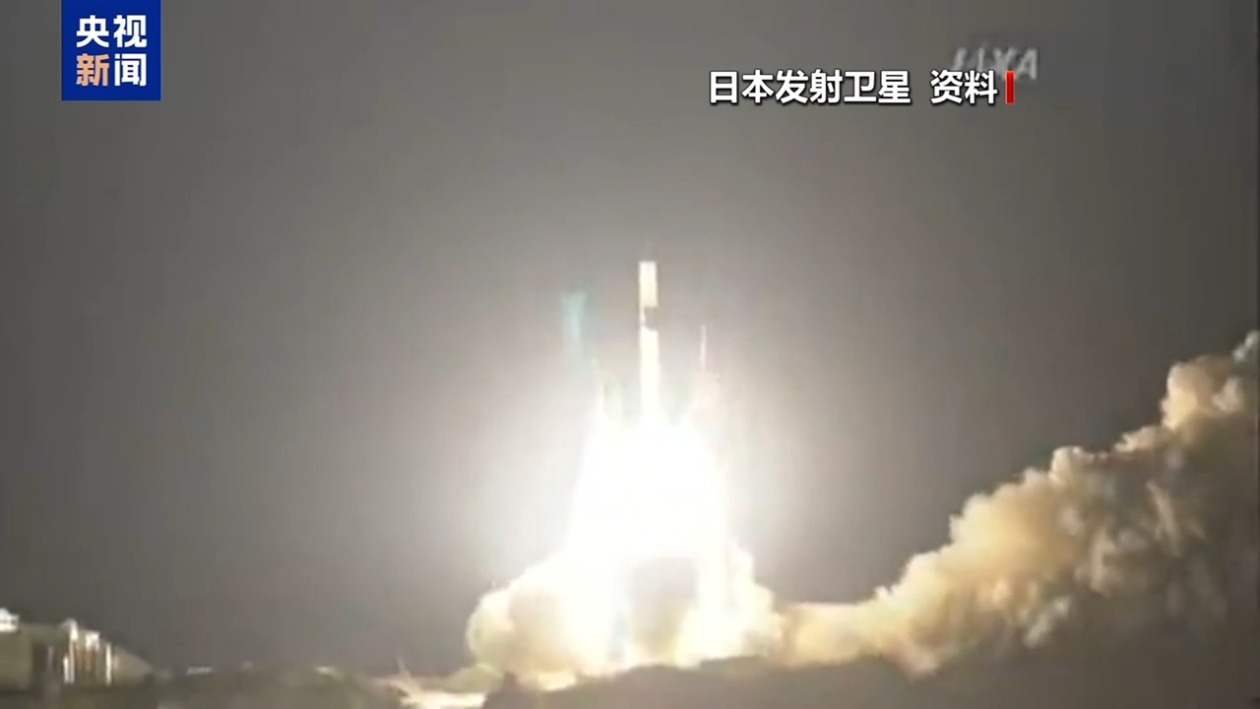
In recent years, the Japan Self-Defense Forces have actively integrated the U.S. "Starlink" commercial satellite communication services while vigorously promoting the construction of its own low-orbit "satellite constellation," accelerating the enhancement of space-based operational capabilities. The "satellite constellation" project is also seen as Japan's version of "Starlink."
Japan explores the export of offensive missiles to the Philippines
According to reports from Kyodo News and other media, sources have revealed that the Japanese Ministry of Defense has begun exploring the export of the Japan Ground Self-Defense Force's "Type 88 Coastal Anti-Ship Missile" to the Philippines. On the 15th, Japan's Defense Minister Nobuo Kishi stated that related matters have not yet been determined.
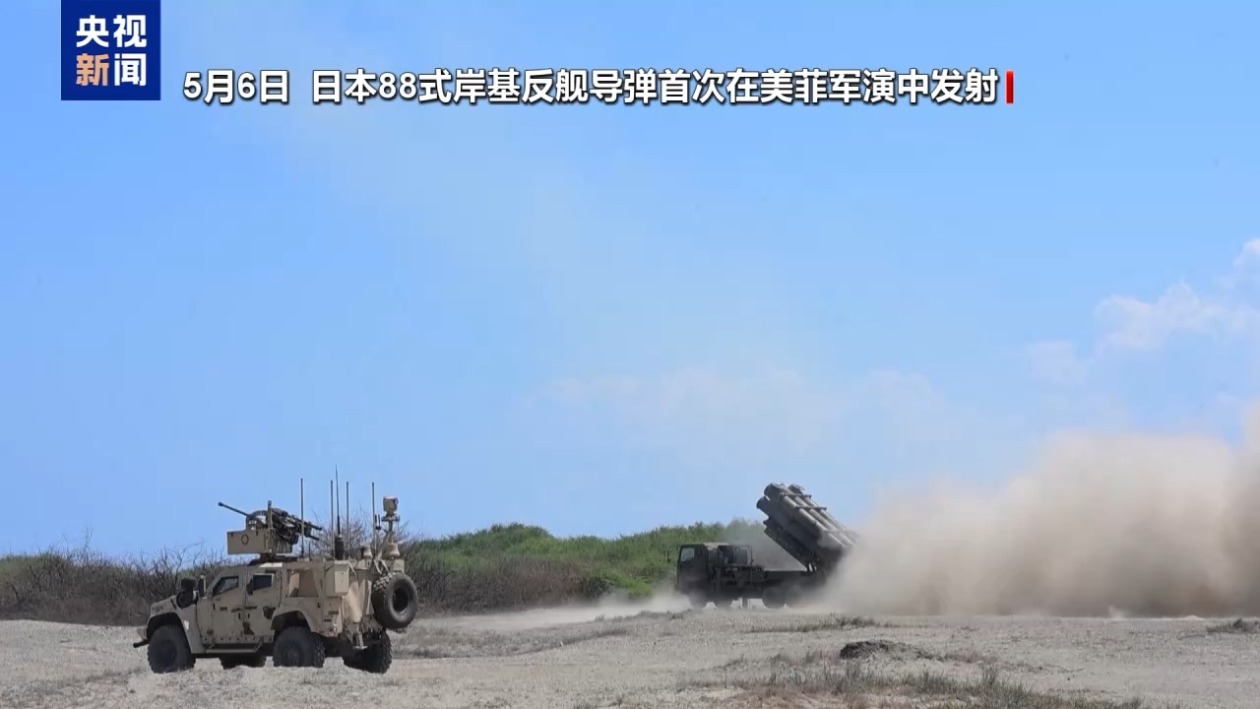
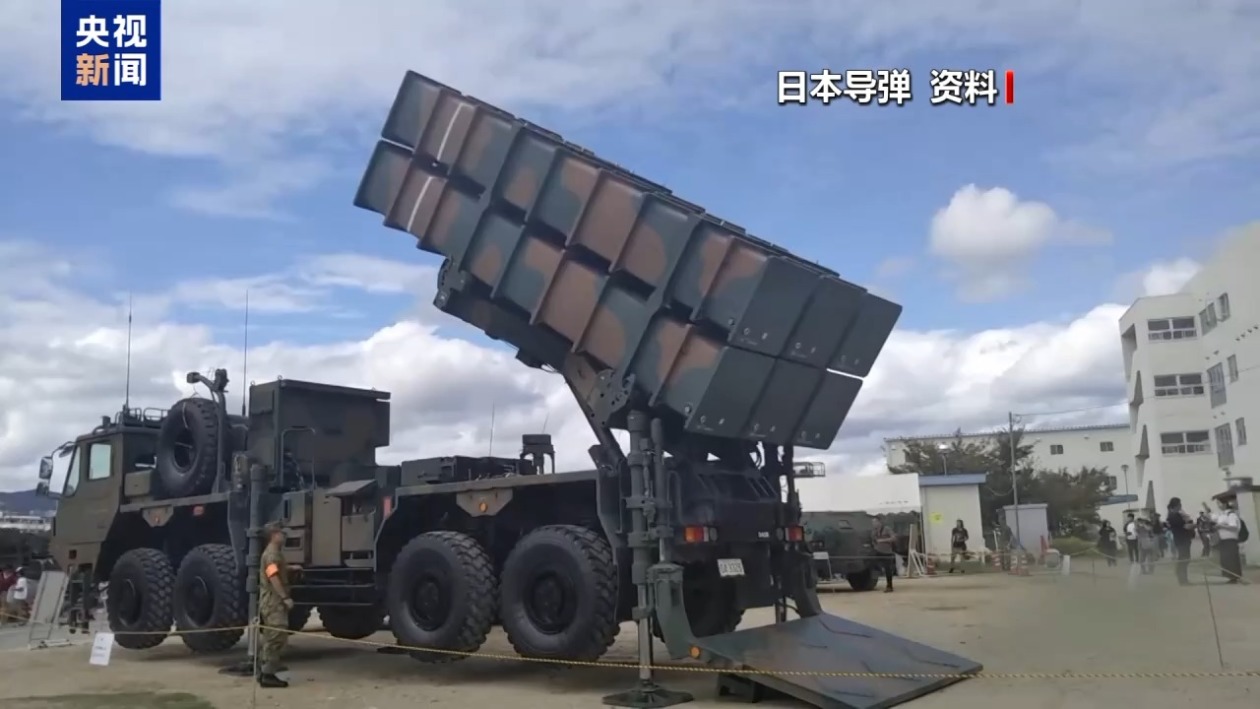
The "Type 88 Coastal Anti-Ship Missile," which was introduced in 1988, is Japan's second-generation anti-ship weapon developed independently, with a range of 150 to 180 kilometers and equipped with a 270-kilogram semi-armor-piercing high-explosive warhead. On April 21, the Japanese government passed a cabinet resolution to amend the "Three Principles on Transfer of Defense Equipment" and its operational guidelines, which will, in principle, allow the export of lethal weapons. On May 6, the "Type 88 Coastal Anti-Ship Missile" was launched during the U.S.-Philippines "Shoulder-to-Shoulder" joint military exercise, marking Japan's first overseas launch of offensive missiles since World War II.
The Liberal Democratic Party proposes suggestions regarding the revision of the "three security documents"
According to news from Japan on the 15th, a draft proposal by the Liberal Democratic Party regarding the government's plan to revise the "three security documents" within the year was revealed on the same day.
The draft does not mention Prime Minister Kishi's assertion to amend the "Three Non-Nuclear Principles"; it also avoids explicitly stating the introduction of nuclear-powered submarines, only vaguely suggesting that "related holding measures, including the use of next-generation power, should be researched as soon as possible."
It is reported that the Liberal Democratic Party plans to begin informal consultations on the draft starting from the 18th of this month and aims to finalize the internal proposal as early as early June.
What does Japan intend?
Japan seeks to deploy troops overseas and needs satellites to obtain target information
△Video丨Activating spy satellites, exporting missiles to the Philippines, what does Japan intend?
Military observer Wei Dongxu: Japan's strengthening of its preemptive long-range strike capability requires equipping the Self-Defense Forces with more military spy satellites. Satellites are used to obtain targets, conduct positioning, and navigation. Meanwhile, when the Self-Defense Forces go overseas to participate in military operations and launch attacks, more reconnaissance satellites are also needed to timely obtain target information.
Japan plans to establish a "National Intelligence Conference" that requires satellite support for decision-making
Military observer Wei Dongxu: Japan is planning to establish a National Intelligence Conference, which, once established, will assist in Japan's major military decisions. It will utilize information and intelligence obtained from more reconnaissance and spy satellites for comprehensive analysis, including combat modes, operational directions, and troop deployment situations, providing certain recommendations.
Japan intends to export outdated missiles to deliberately disrupt the South China Sea situation
Military observer Wei Dongxu: In the firepower strike system of the Japan Ground Self-Defense Force, the Type 88 anti-ship missile is already relatively outdated. The Japan Ground Self-Defense Force has begun to equip the Type 25 anti-ship missile and Type 25 glide bombs, planning to phase out the Type 88 anti-ship missile in large quantities. Now, they are choosing the Philippines to take over. The Philippine military's missile operational capability is relatively weak; previously, they procured BrahMos supersonic anti-ship missiles from India. If they also receive a large number of Japan's outdated Type 88 anti-ship missiles, their provocative firepower towards the South China Sea will increase. Thus, Japan is not only transferring these outdated equipment to the Philippines but is also intentionally trying to create chaos in the South China Sea situation.
Japan's military ambitions continue to expand, and countries need to remain vigilant
Military observer Wei Dongxu: Japan's continuous strengthening of its space assets' operational capabilities, including its attempts to provide anti-ship missiles to the Philippines, indicates that Japan has military intervention ambitions regarding sensitive and hot issues in the Asia-Pacific region. This intervention could involve direct troop deployment or providing weaponry to incite provocations from other countries. Therefore, relevant countries in the region should remain vigilant and attentive.
Japanese citizens protest against the dangerous trends of the Kishi administration's military expansion and constitutional revision
On the 15th local time, some citizens held a rally in front of the Japanese Prime Minister's residence to protest the Kishi administration's accelerated push for military expansion and constitutional revision.
On-site citizen: Kishi step down, Kishi step down! Oppose war, oppose war!

Rally participant: I oppose war and also oppose creating a public opinion environment for war. Compared to these, there are actually many more important things that should be prioritized, such as people's livelihoods, but the Kishi administration prioritizes what it wants to do, which I cannot accept.
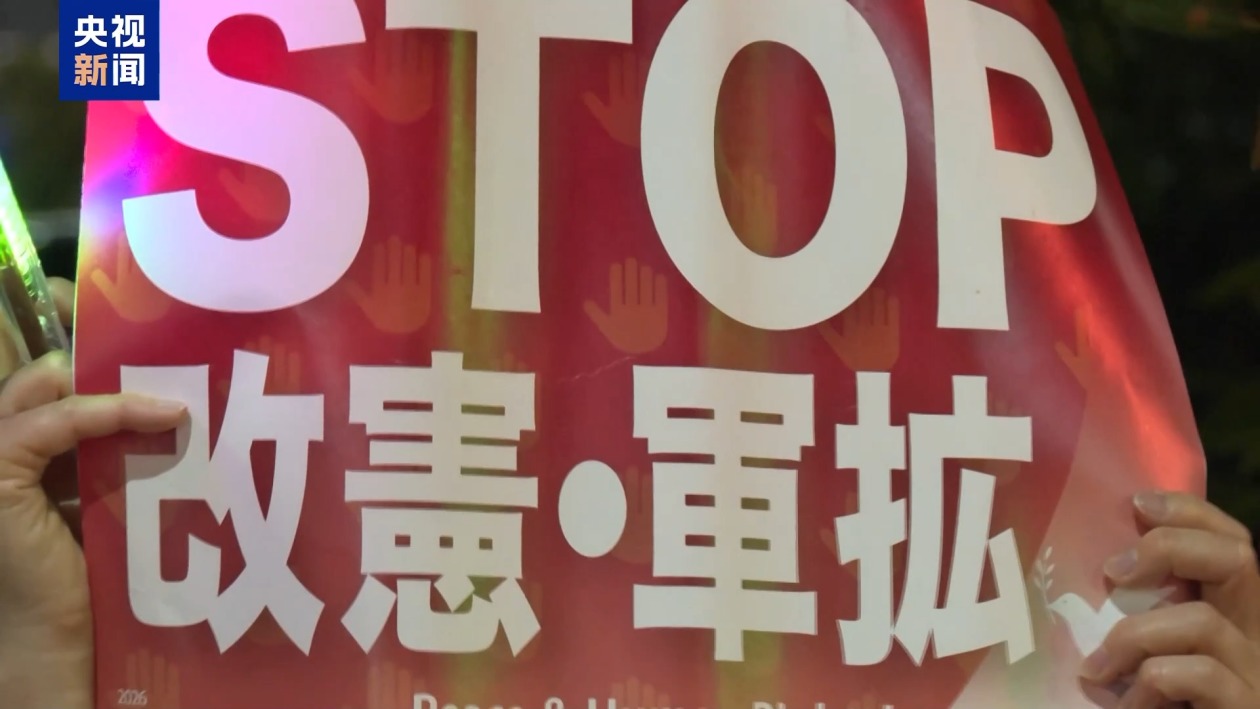
Recently, the Japanese government has accelerated the promotion of several policies that are seen as breaking the framework of the pacifist constitution, causing concern and dissatisfaction among some Japanese citizens.
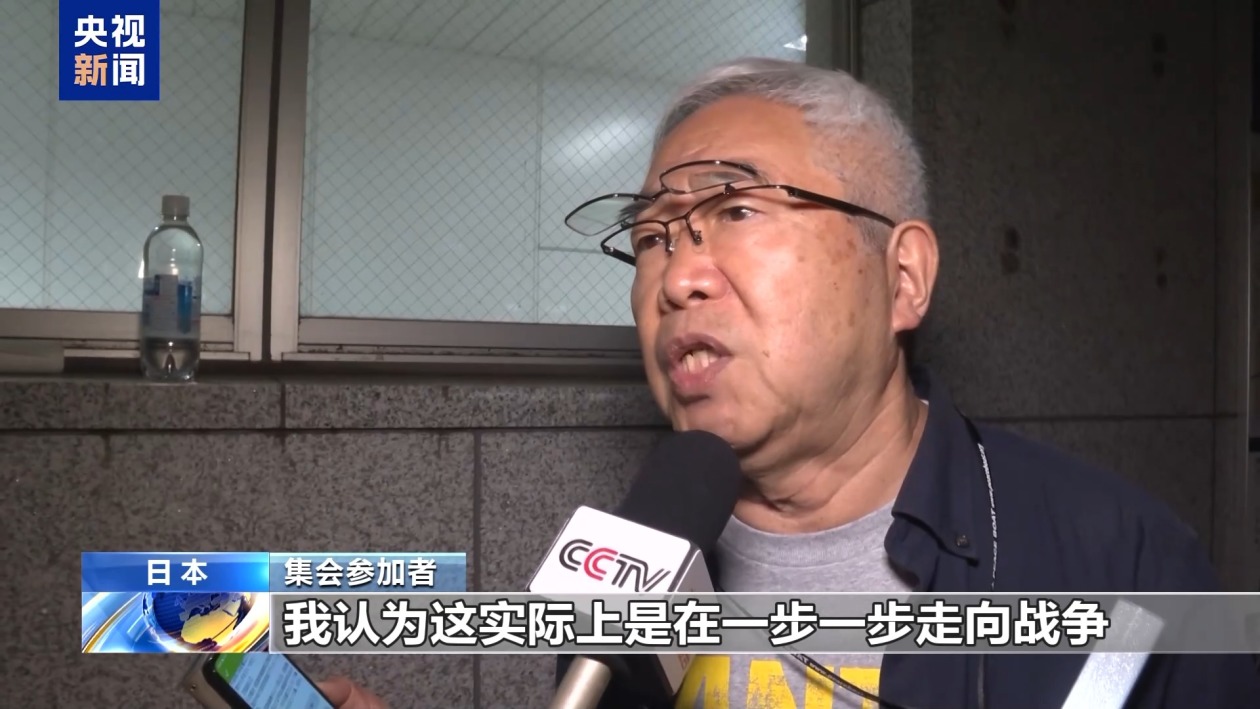
Rally participant: For the past 80 years, Japan has maintained peace due to Article 9 of the constitution. But now the Japanese government intends to promote some policies, such as formulating an anti-espionage law and establishing a "National Intelligence Agency." Through these actions, Japan is continuously strengthening militarization, and I believe this is actually a step-by-step move towards war.

Rally participant: There is absolutely no necessity to amend the constitution. I completely cannot understand the intentions of the Kishi administration. I oppose the lifting of the ban on arms exports and also oppose the formulation of an anti-espionage law. I believe these are basically part of a series of actions taken by the ruling party to strengthen armaments and turn Japan into a country capable of waging war. Therefore, as citizens, we must firmly oppose these trends.
Japan activated a low-orbit reconnaissance satellite network in April 2023 to enhance its long-range strike capabilities. Concurrently, it is exploring the export of Type 88 anti-ship missiles to the Philippines. The Japanese government is also revising its security policies to facilitate military expansion, prompting public protests against these developments.
- Japan activated a low-orbit reconnaissance satellite network in April 2023.
- Japan is exploring the export of Type 88 anti-ship missiles to the Philippines.
- The Japanese government is revising its security policies to allow for more military capabilities.
- Public protests occurred against Japan's military expansion and constitutional changes.