
U.S. autonomous surface vessel joins NATO Arctic exercise in Norway
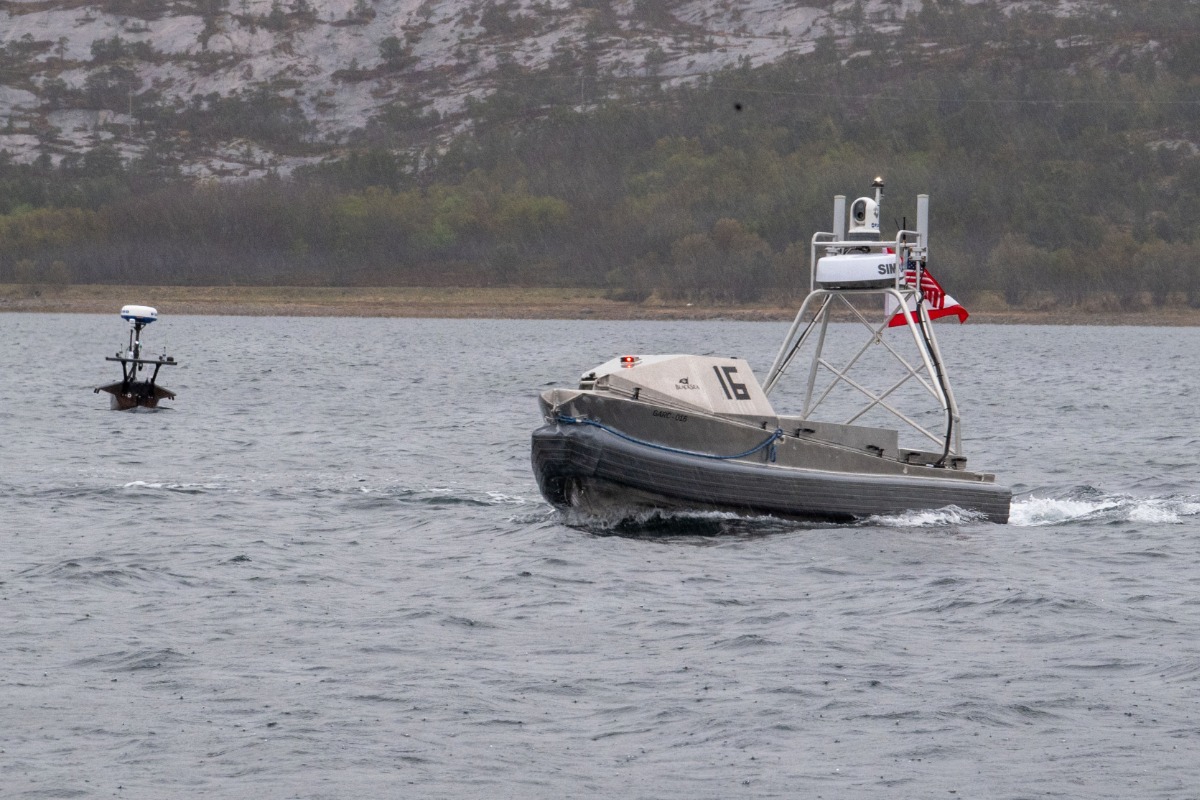
An American autonomous surface vessel operated north of the Arctic Circle alongside U.S. and Norwegian naval forces this month, as BlackSea Technologies brought its Global Autonomous Reconnaissance Craft to Arctic Sentry 2026, a NATO enhanced vigilance activity conducted in Ramsund, Norway.
The exercise, which NATO launched in February as a multi-domain effort to strengthen alliance posture in the High North, gave BlackSea Technologies a demanding operational environment to demonstrate what its unmanned surface vessels can do when the conditions are anything but ideal.
Cold weather maritime operations north of the Arctic Circle introduce challenges that standard sea trials rarely replicate: ice formation, unpredictable sea states, extreme temperatures affecting electronics and propulsion systems, and communications environments complicated by the polar region’s effect on satellite and radio links. Operating there alongside U.S. 6th Fleet, Unmanned Surface Vessel Squadron 3, and the Royal Norwegian Navy put the GARC through conditions that no controlled demonstration can fully simulate.
BlackSea Technologies, a defense technology company focused on autonomous maritime systems, developed the Global Autonomous Reconnaissance Craft as a small, scalable unmanned surface vessel designed for persistent maritime reconnaissance and surveillance in contested environments. The GARC is built around the premise that distributed, affordable autonomous platforms can perform the persistent watching and sensing missions that crewed vessels do at far higher cost and risk, particularly in areas where the threat environment makes sustained human presence dangerous or operationally impractical. U.S. Navy imagery released May 15 showed a GARC operating in Breivika Bay during Arctic Sentry, attached to Commander, Task Force 66, the Navy task force responsible for coordinating unmanned systems integration within the exercise.
Unmanned Surface Vessel Squadron 3, the U.S. Navy unit that participated alongside BlackSea during Arctic Sentry, is one of the service’s dedicated unmanned surface vessel commands, established as part of the Navy’s accelerating push to integrate autonomous platforms into distributed maritime operations. The squadron has been involved in multiple exercises and demonstrations involving unmanned surface vessels across different theaters, building the operational concepts, tactics, and crew expertise that the Navy needs before it can rely on autonomous platforms in actual contested environments rather than controlled demonstrations.
Arctic Sentry itself is led by Joint Force Command Norfolk, with overall strategic direction from Allied Command Operations, according to NATO. The activity is explicitly designed to bring NATO and allied exercises, forces, and capabilities together under a unified operational approach to the Arctic region, a theater that has gained strategic attention as Russia has invested in Arctic military infrastructure and China has declared itself a near-Arctic state with expanding polar interests. The High North connects the North Atlantic to the Pacific through the Arctic Ocean, and the ability to monitor, contest, and operate in those waters has become a priority for NATO planners who spent much of the post-Cold War era focused on lower latitudes.
Lunsford Schock, mission director for BlackSea Technologies, said the exercise “proves that GARC can operate effectively in dynamic, contested maritime environments north of the Arctic Circle” and that it “further cements our nation’s military partnerships with key European allies,” per the company’s statement. The reference to contested environments matters in context: the Arctic is not a permissive operating area by any military definition, and demonstrating reliable autonomous performance there carries different weight than a demonstration conducted in calmer conditions closer to home port.
The Royal Norwegian Navy’s involvement adds an allied dimension that goes beyond box-checking on interoperability requirements. Norway maintains some of the most sophisticated Arctic maritime expertise in the alliance, operating in these waters year-round and maintaining coastal infrastructure in locations like Ramsund that serve as critical logistics and staging points for allied naval activity in the High North. Norwegian willingness to integrate with American autonomous systems in their own territorial waters represents a meaningful endorsement of the operational concept, not merely of the platform.
Content preview only. Full article available at source. View Full Article
An American autonomous surface vessel participated in NATO's Arctic Sentry 2026 exercise in Ramsund, Norway, alongside U.S. and Norwegian naval forces. The exercise aimed to demonstrate the capabilities of the Global Autonomous Reconnaissance Craft in challenging Arctic conditions. This event underscores NATO's commitment to enhancing military readiness in the High North amid growing strategic competition in the region.
- An American autonomous surface vessel operated in the Arctic Circle alongside U.S. and Norwegian naval forces.
- The exercise was part of NATO's Arctic Sentry 2026 initiative.
- BlackSea Technologies demonstrated its Global Autonomous Reconnaissance Craft in challenging conditions.
- The exercise aimed to strengthen NATO's operational posture in the Arctic region.
- Norwegian Navy's involvement signifies strong military partnerships in the Arctic.