
Africa Corps deploys FPV drones in Mali — the Russian bet against JNIM in 2026
 Marie Dubois
Africa Corps deploys FPV drones in Mali — the Russian gamble against JNIM in 2026
In northern Mali, between Kidal, Anéfis, and Aguelhok, the war is now fought less than two kilometers from the ground. Africa Corps, the Russian entity that has replaced Wagner in the Malian setup, is said to have begun employing kamikaze FPV drones against rebel and jihadist positions. This technical detail changes more than its modest price suggests.
According to Africa Defense Forum, these devices adopt methods already used by the Azawad Liberation Front (FLA) and Jama'at Nusrat al-Islam wal-Muslimin (JNIM) to harass Malian and Russian bases in the north. The theater is well-known: long tracks, isolated posts, exposed supply routes, and very little natural cover outside inhabited areas. An FPV does not win a war, but it makes every movement more expensive.
The lesson of Kidal
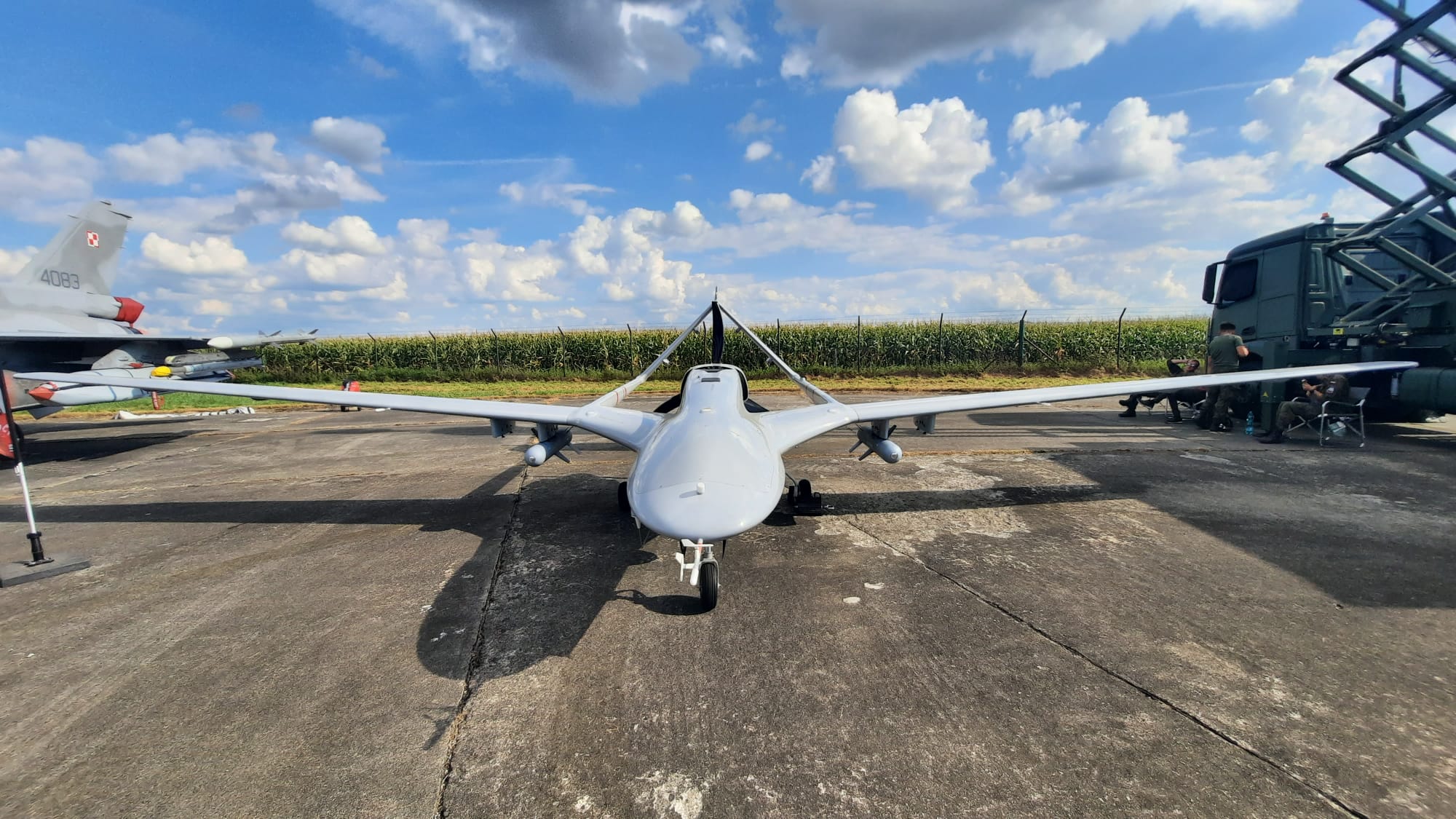
The loss of Kidal in the spring of 2026 remains the starting point for this Russian adaptation. After more than two years under government control, the city was retaken by Azawadian forces following successive pressures on Anéfis and Aguelhok. Drones, including FPV models and fiber-optic guided devices, were used to disrupt fixed positions and then strike vehicles during withdrawals.
On the ground, this means that static defense becomes almost impossible without electronic countermeasures, camouflage, and movement discipline. A garrison that thought it could see a rebel column coming from several kilometers away now discovers a threat that emerges just above the ground, filmed, published, and exploited as propaganda. The Russians have understood the psychological function of the drone as much as its military function.
More imitation than innovation
One should not overestimate the novelty. Africa Corps is not creating a local doctrine; it is copying what its adversaries have already proven. FPVs are cheap, easy to assemble, and difficult to neutralize when electronic warfare means are scarce. In Ukraine, this logic has transformed the lines of contact. In Mali, it mainly affects axes, forward posts, and small detachments.
The paradox is evident. Moscow had sold Bamako an image of hard power, better suited than France to the Sahelian constraints. However, the use of FPVs also reveals a weakness: Africa Corps cannot hold the ground solely by the presence of its men. It therefore seeks to produce lethality from a distance while Malian units continue to pay the price of reconnaissance, checkpoints, and patrols.
In the Sahel, technology never replaces holding the ground. It only punishes the mistakes of those who move through it more quickly.
JNIM and FLA maintain the social advantage
The real question is less about the drone than about intelligence. An FPV must find a target. In northern Mali, JNIM and FLA often benefit from local networks, tribal intermediaries, shepherds, traders, and movements familiar with the tracks. Africa Corps has sensors but not always the social granularity needed to distinguish a useful convoy, a decoy, or a politically dangerous target.
This is where previous Russian operations weigh heavily. The brutal campaigns conducted since 2021 with Malian forces have fueled insurgent recruitment, particularly among the Fulani and Tuareg communities affected by reprisals. Each blunder caused by a drone thus becomes more than a tactical incident. It becomes a recruitment argument.
Pressure on Bamako
For the Malian junta, the signal is uncomfortable. It would pay about 10 million dollars per month for Russian support, while security continues to deteriorate in several areas. If Africa Corps adopts the same tools as the insurgents after suffering their successes, Bamako must explain why its strategic partner is learning so late a war already waged by its adversaries.
There is also a logistical limit. FPVs require trained operators, parts, batteries, suitable explosive charges, and a repair chain. In the desert, heat, dust, and distances quickly wear out fragile equipment. A unit may impress on video and run out of batteries three days later.
What this signals
In the short term, we should expect more strikes against FLA and JNIM gatherings, but also more Russian videos aimed at reassuring Bamako. The areas of Anéfis, Aguelhok, and the approaches to Kidal will remain the most vulnerable, as the tracks impose predictable trajectories. Poorly protected convoys will do well to disperse, travel at night, or accept longer routes.
My judgment remains cautious. The available information does not yet allow for measuring the actual volume of Russian drones in Mali or their rate of use. But the trend is clear: Africa Corps no longer dominates solely through heavy fire or the presence of mercenaries. It is entering a war of small sensors, short videos, and opportunistic strikes.
The danger for Bamako is to believe that this adaptation is sufficient. If the Russians strike better but armed groups recruit faster, the operational balance will remain negative. The next serious indicator will not be a successful drone video. It will be the ability, or not, to sustainably reopen the road between Gao, Anéfis, and Kidal without turning every convoy into a slow-moving target.
Africa Corps deployed FPV kamikaze drones in northern Mali in 2026 to target rebel and jihadist positions. This adaptation follows the loss of Kidal and aims to disrupt enemy movements. The use of these drones highlights both a tactical shift and challenges in local intelligence and logistics for Russian forces.
- Africa Corps has deployed FPV kamikaze drones in northern Mali.
- The drones are used against rebel and jihadist positions.
- The loss of Kidal in spring 2026 prompted this adaptation by Russian forces.
- FPV drones are seen as a psychological tool as well as a military one.
- Africa Corps is struggling with logistics and local intelligence.