
After the FCAS exit, France finds in India the partner that Europe could not provide
 Dr. Klaus Weber
After the FCAS failure, France finds in India the partner that Europe could not provide
The Indian Ministry of Defense has informed Parliament that it has "made concerted efforts" to join the Future Combat Air System (FCAS). This comes three months after Emmanuel Macron and Friedrich Merz declared the 100-billion-euro project a failure. The flagship of European defense integration is thus not being buried, but rather restructured: as a French-Indian bilateral project. Europe loses the program, while New Delhi gains a seat at a table that Berlin, Madrid, and Rome could not jointly hold.
What India wants — and why it has no alternative
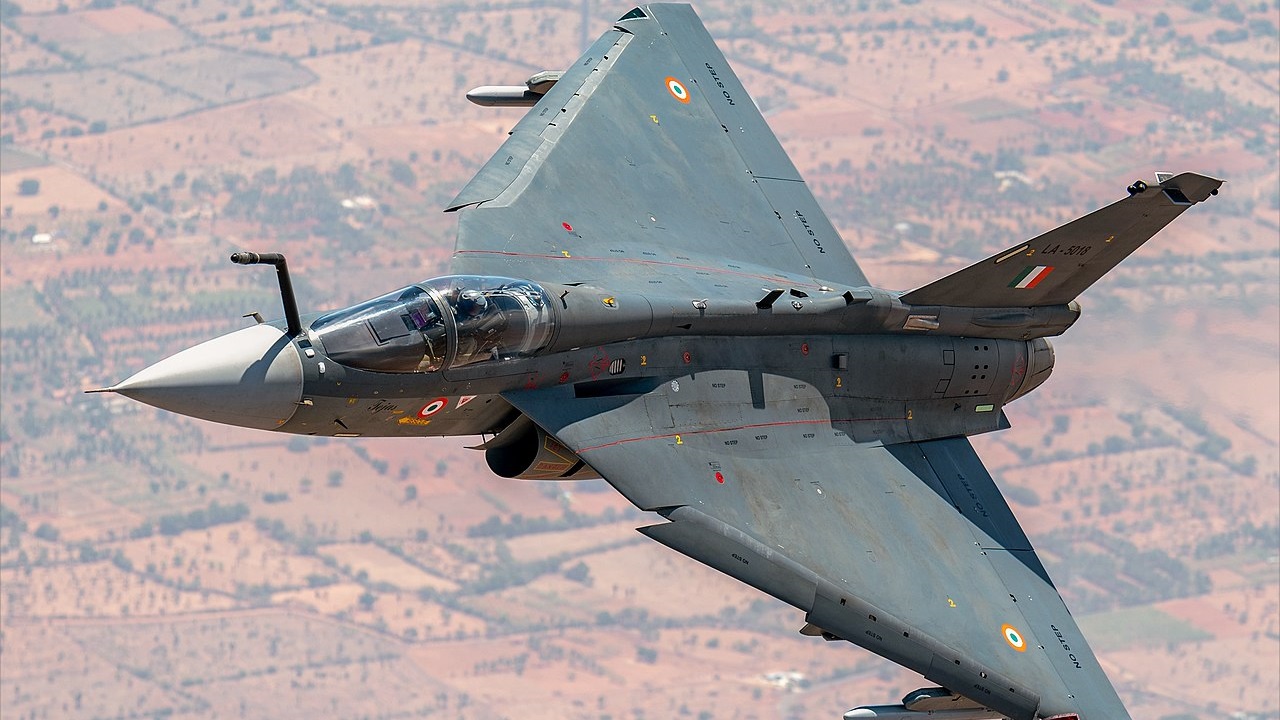
India's situation is precarious. The most advanced combat aircraft of the IAF are the French Rafale of the 4.5 generation. Its own fifth-generation project, a multirole combat aircraft with a prototype "later this decade," lags behind developments in China and the USA by one to two cycles. The parliamentary defense commission recommended on August 9 to "accelerate" the planning for sixth-generation combat aircraft (6G). Former Air Marshal Anil Chopra openly articulates the strategy: one must already start with the sixth generation in parallel to the fifth-generation transition to "close the serious gap." China is driving this urgency — those who do not enter today, as analyst Harsh Pant from the Observer Research Foundation states, will find "this space no longer available."
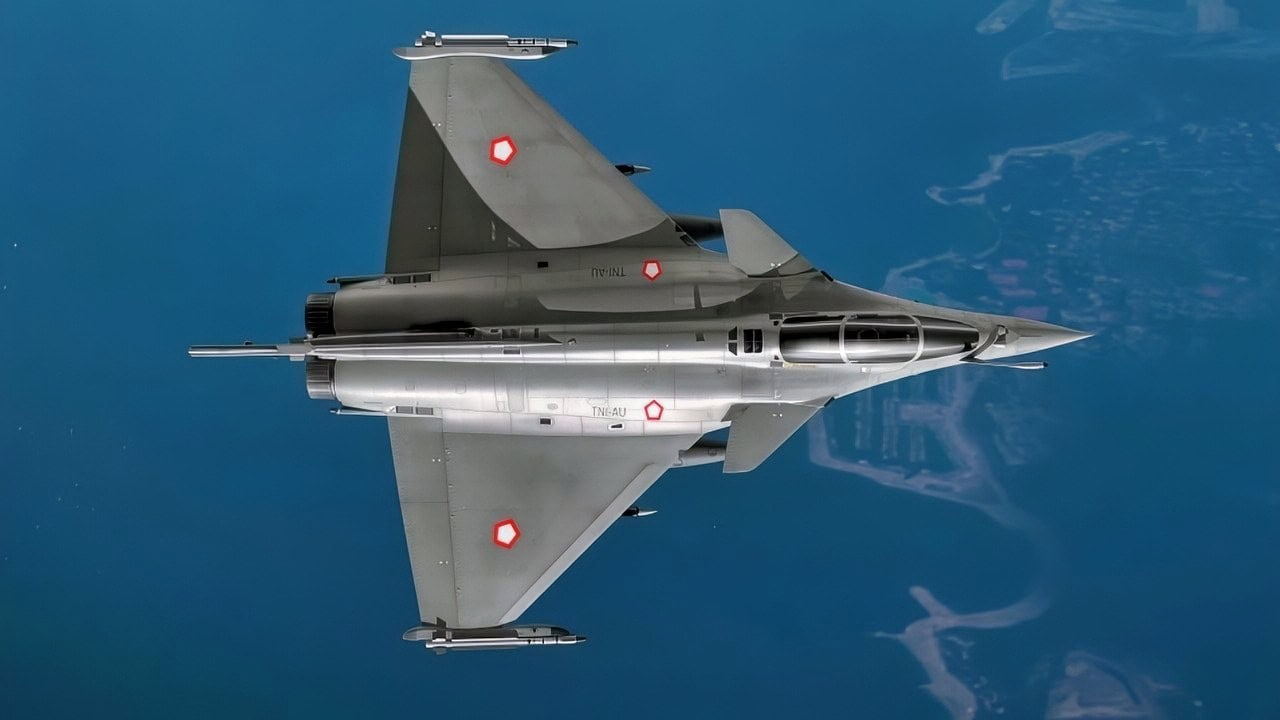
India thus has a time problem and a technology problem. Engine development is the biggest bottleneck, followed by radar and avionics systems. This is precisely where France offers what other suppliers do not: technology transfer. Chopra states bluntly: "We will want industrial participation, but the engine and radar must come from French companies. France seems to be more open to technology transfer." Additionally, there are the 114 further Rafale jets being negotiated — the largest single deal in Indian aviation history makes Paris the unavoidable hub. Those who buy 114 new jets cannot simultaneously enter a competing program; the Rafale fleet is the strategic anchor of the entire relationship.
What France gains — the hierarchy that Europe refused
The institutional core of the FCAS failure was never money or technology, but leadership. Airbus and Dassault argued for years over system leadership, division of labor, and intellectual property. France's industrial logic demands: those who integrate understand — the system leader retains control over the combat architecture. This very hierarchy has been accepted by India even before negotiations began. It wants industrial participation but no system leadership. It accepts that the engine and radar remain French. It does not question nuclear-capable carrier aircraft because it does not set the requirements that Germany did. The Indian side speaks of "industrial participation, design, and development" — not of parity.
"India does not demand what Germany demanded: equal leadership, equal work, equal understanding. That is why France can build with India what it could not build with Europe."
The price for New Delhi is the permanent role of the supplier — the same role that the German and Spanish industries have resisted for years. That a country outside the EU pays this price is the real point: France exports its governance model to where it works because the conditions are simpler. A bilateral program with a partner that accepts the hierarchy is administratively the dream case for Paris: no Brussels framework, no German co-determination bodies, no Spanish division of labor lawsuits.
What remains of Europe — three programs instead of one
The German side faces three options, which Defense Minister Boris Pistorius outlined in June: another tranche of F-35s from the USA, joining the British-Italian-Japanese GCAP, or an Airbus-led national project. The German industry, formed as "Team Gen 6" (Airbus Defence and Space, Diehl, Hensoldt, MBDA Deutschland, MTU Aero Engines, Rohde & Schwarz), warns of an "irreversible" loss of competence if funding runs out. Madrid, where Indra and Airbus España issue the same warning, faces the same problem. Merz himself has publicly doubted whether a manned sixth-generation aircraft for the Air Force is even sensible — Germany does not need a nuclear-capable carrier jet.
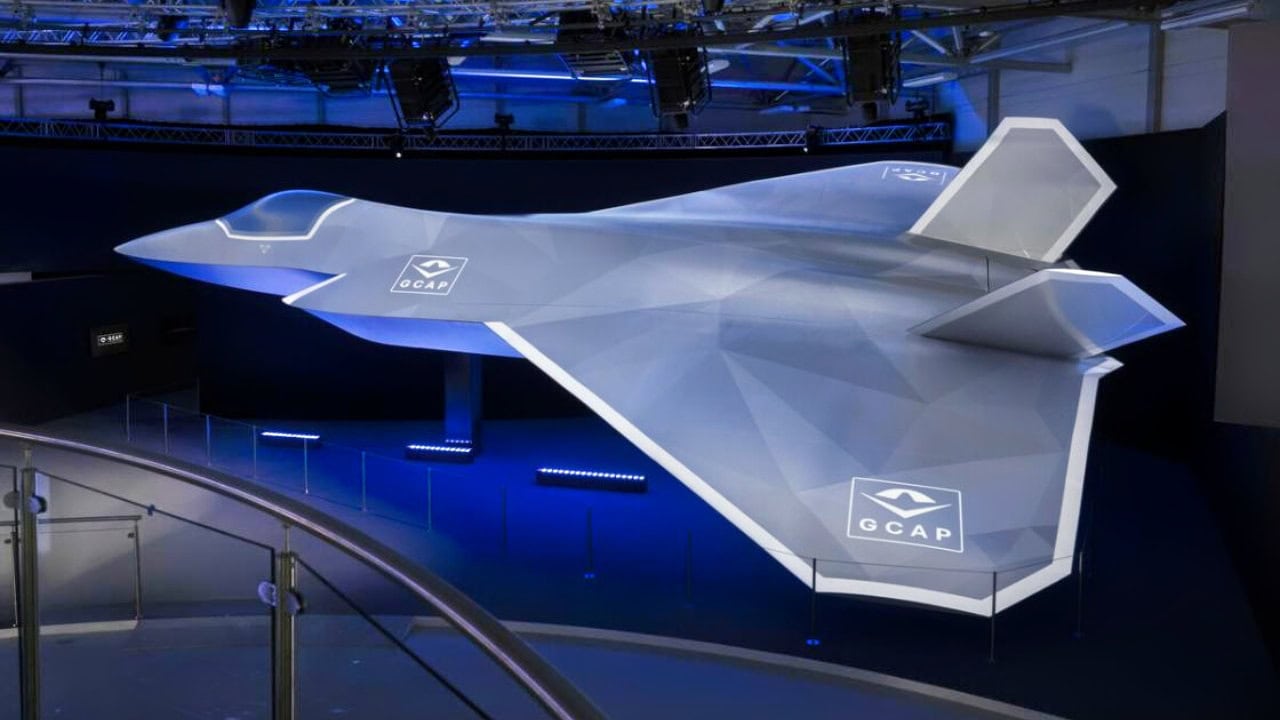
This outlines exactly the scenario I analyzed in February: Europe will have three combat aircraft programs instead of one common one. GCAP (UK/Italy/Japan) operates with a governance structure established before the division of labor — the British lead, but the decision rules are contractually fixed. France-India will be built as a bilateral project, outside of PESCO, OCCAR, and all EU frameworks. And Germany will either buy American or start alone. The fragmentation that FCAS was supposed to prevent is now the result of its failure. This is no coincidence, but the institutional logic: those who do not build common decision rules end up building three separate decision paths.
The irony of sovereignty
The FCAS was established in 2017 by Macron and Angela Merkel as a response to European dependence on American technology. Strategic autonomy was the goal. Now the core of the program — the manned combat aircraft, the "Combat Cloud," the drone swarms — is being built with a partner outside Europe that accepts the technological hierarchy that led to the break within Europe. India, which does not yet have a fifth-generation aircraft ready for series production, gains a place in a sixth-generation program because it is willing to supply rather than co-decide.
Whether this deal succeeds depends on questions that remain open: What role will India actually have in design and development? What will be transferred as intellectual property — and what will remain in France? And can Paris manage two major projects simultaneously: the Rafale-F5 successor and the sixth-generation core? However, with this move, France has already made a decisive choice: the future of European air combat will no longer be decided in Europe, but in New Delhi, Tokyo, and Washington. The FCAS was the last major symbol of the idea that Europe can build its defense together. Its successor will show what remains of this idea — and whether strategic autonomy is a European or a French project.
France and India are collaborating on a sixth-generation fighter jet program after the failure of the FCAS project in Europe. India is set to procure 114 Rafale jets, which will solidify its position in advanced military technology development. This partnership allows India to gain access to critical technology while accepting a subordinate role in the project, contrasting with the demands made by Germany in the FCAS negotiations.
- India is seeking to join the Future Combat Air System (FCAS) project after its failure in Europe.
- France is offering technology transfer to India for the development of sixth-generation fighter jets.
- India plans to procure 114 Rafale jets, marking a significant deal in its aviation history.
- The collaboration allows India to participate in advanced military technology development without demanding equal leadership.
- The failure of FCAS has led to a fragmented European defense initiative.