

Human spaceflight comes with enormous risks. One such problem is ensuring that astronauts do not bring back microorganisms from space that could make them sick or even cause death.
There is even a small chance that some form of a pandemic could be caused by miniature creepy crawlies brought in by those who venture to the final frontier.
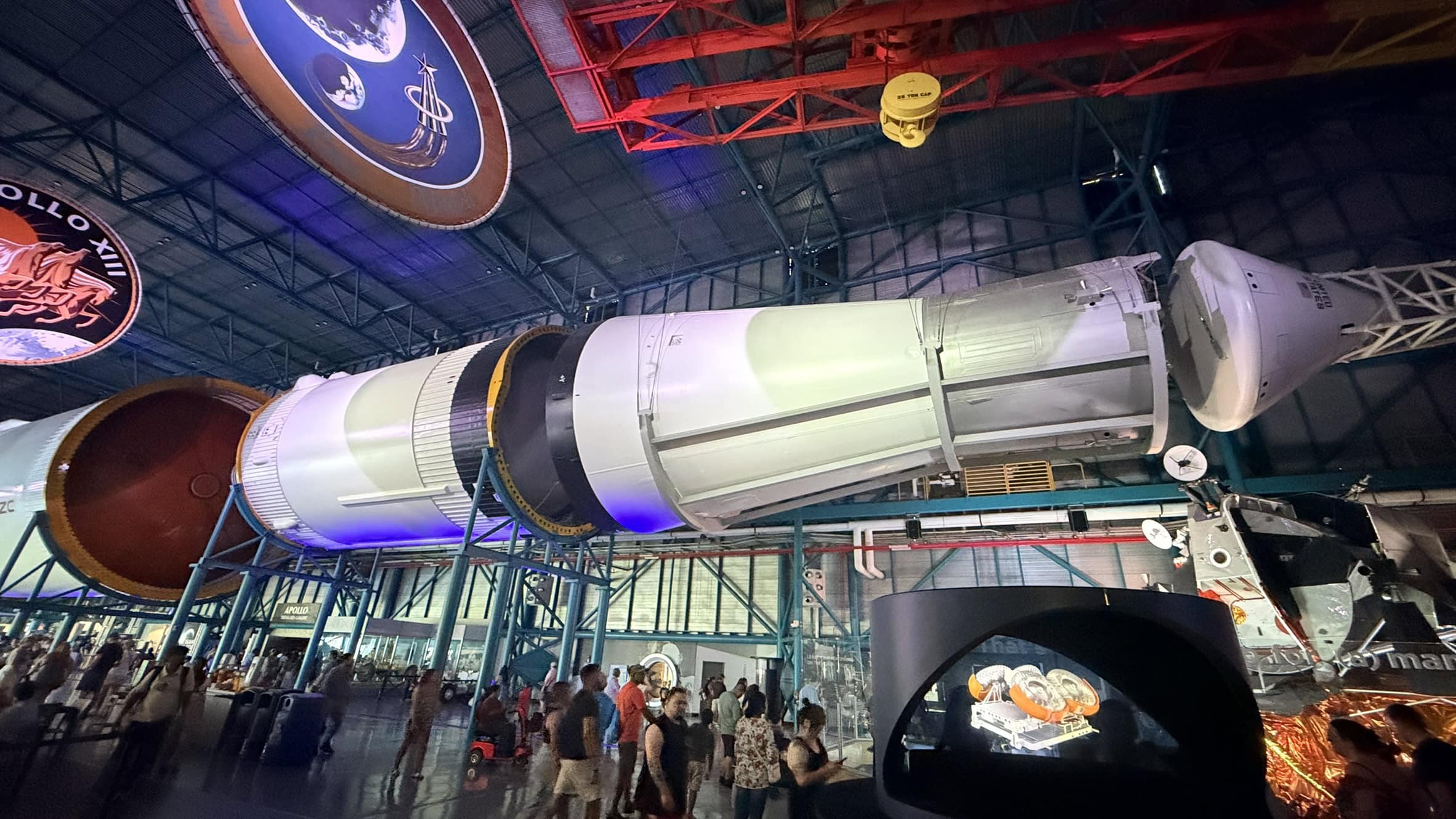
Apollo 11 and Saturn V Exhibit at the Kennedy Space Center. Taken on 6/28/2026 by 19FortyFive.com
NASA has been very careful with this contingency over the years. On July 27, 1969, one of the most consequential missions happened.
Setting the Stage
“Apollo 11 astronauts Neil A. Armstrong, Edwin E. ‘Buzz’ Aldrin, and Michael Collins were restricted to the Lunar Receiving Laboratory in Building 37 of the Manned Spacecraft Center, now the Johnson Space Center. The quarantine was imposed out of an overabundance of caution in case they had returned from the Moon accompanied by possibly dangerous lunar microorganisms,” according to NASA.
The Astronauts Had to Wait
Armstrong, Aldrin, and Collins were likely frustrated by this requirement. They had just ventured to the Moon and wanted to see their families and celebrate. The 21-day quarantine period took longer than the astronauts wanted.
The spacecraft used during the mission and 49 pounds of moon rock were also quarantined.
The risk was too great that the command module and samples could bring something from the moon that could endanger the astronauts, NASA employees, and even the general public.
This Was Still a Productive Period
Armstrong, Aldrin, and Collins made good use of their time. They were in a windowed conference area where they could answer questions from NASA technicians about the mission.
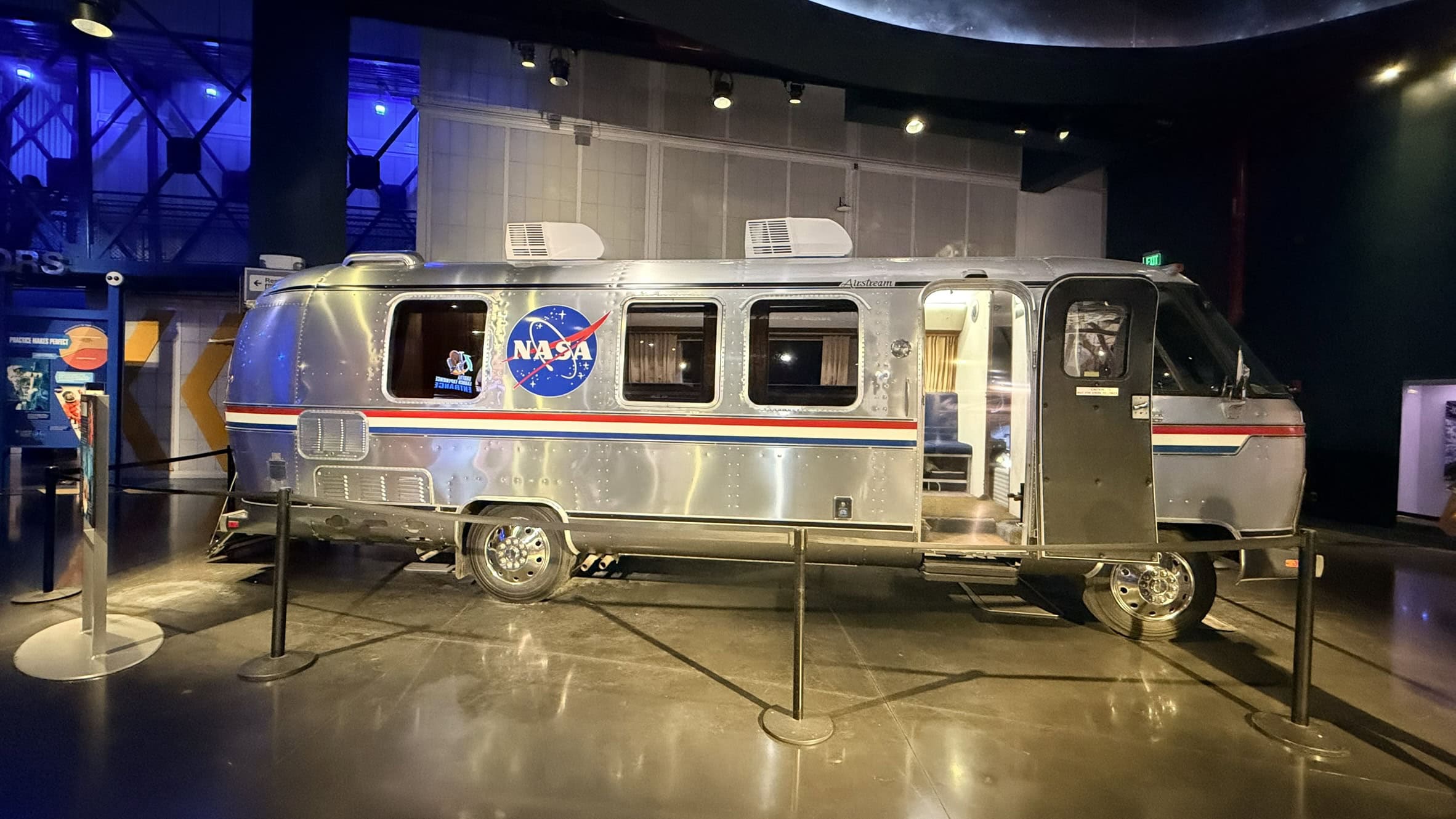
Kennedy Space Center NASA Exhibit. Taken on 6/28/2026.
There was much to tell, and the inquiry was substantial. They also wrote firsthand reports about what they experienced on the Moon. They even had a small party for Armstrong’s 39th birthday.
All Checked Out Fine Medically
Most importantly, they needed a comprehensive medical checkup. The flight surgeon examined them every day of the quarantine and finally gave the brave men a clear bill of health.
“On the evening of Aug. 10, MSC Director of Medical Research and Operations Dr. Charles A. Berry opened the door to the LRL’s Crew Reception Area, and Armstrong, Aldrin, and Collins stepped out into the hallway.
They were welcomed by MSC Director Robert L. Gilruth, other NASA officials and colleagues, and a swarm of reporters once they stepped outside the building into the hot and muggy Houston night,” according to NASA.
This is where the fun started. The astronauts’ lives would forever change. They were conquering heroes, and the world was aglow at their accomplishment.
This Was Still A Big Gamble
However, before the mission, NASA did not know whether any microbes could be transmitted by the astronauts, the command module, or the collected rocks.
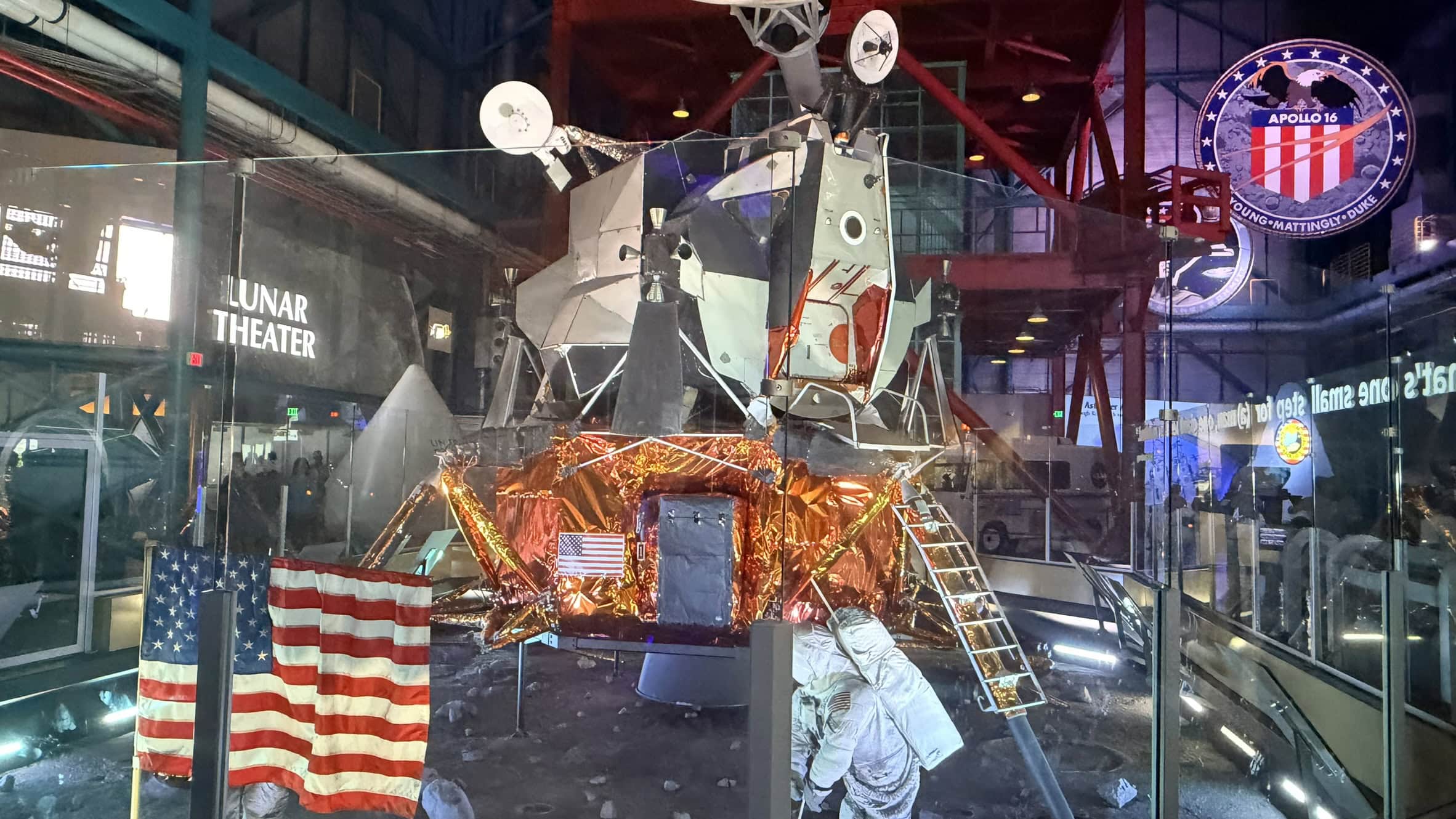
Apollo 11 and Saturn V Exhibit at the Kennedy Space Center. Taken on 6/28/2026 by 19FortyFive.com
It was a good thing that the astronauts were in quarantine until everything was checked out. Would the heroes actually be okay in the long-term?
24 Others Were Sent to quarantine, too?
It wasn’t just the astronauts who were quarantined. Twenty-four other NASA employees who had direct contact with the men, the spacecraft, and the soil samples were also medically observed for three weeks. This was probably another annoyance for the personnel who did not know their future.
Was This Really Necessary?
But some researchers were not convinced that the quarantine, however well-intentioned, was either necessary or would keep microorganisms from reaching Earth anyway.
NASA’s “planetary protection” efforts were largely for public relations. “The quarantine protocol looked like a success only because it was not needed,” analyst Dagomar Degroot, a historian at Georgetown University, wrote in a 2023 report, as noted by Space.com.
NASA may have overlooked some aspects of the mission. When Apollo 11 splashed down after re-entry. The door was jettisoned, and air came rushing into the spacecraft.
Nothing But a Show for the Media
This action may have been enough to kill any germs that came with them. So, the quarantine was not really needed. It may have also been used to merely reassure the public that NASA had the health of the world in mind, Degroot wrote.
“If Apollo 11 had brought back lunar microbes, it’s difficult to say whether or not they would have posed any risk to humans. The vast majority of microbial life on Earth is completely harmless to people, and some species are even vital to our health.
And since any hypothetical Moon germs would have evolved separately from life on Earth for a very long time, they might not even have the ability to interact with our cells,” Space.com surmised.
Take All Precautions Necessary
NASA plans to return humans to the Moon, and there may be another post-mission quarantine just to make sure everything is kosher and not a threat to public health when that happens. The Moon may have evolved over the last several decades since Apollo 11. Ensuring the people involved are safe and sound after the mission is paramount, and there is no reason to risk everyone’s health on Earth.
About the Author: Brent M. Eastwood, PhD
Author of now over 3,500 articles on defense issues, Brent M. Eastwood, PhD, is the author of Don’t Turn Your Back On the World: A Conservative Foreign Policy and Humans, Machines, and Data: Future Trends in Warfare, plus two other books. Brent was the founder and CEO of a tech firm that predicted world events using artificial intelligence. He served as a legislative fellow for US Senator Tim Scott and advised the senator on defense and foreign policy issues. He has taught at American University, George Washington University, and George Mason University. Brent is a former US Army Infantry officer. He can be followed on X @BMEastwood.