
Alarm sounds, drive away the external machine! Frontline pilots share how to take off swiftly.
As the Spring Festival approaches, many people are already on their way home. However, there are also many who must remain at their posts during the holiday, including the People's Liberation Army soldiers.
The sound of the alarm is like a command; once it sounds, the whole person feels like a wound-up toy, a trait ingrained in the very genes of pilots.
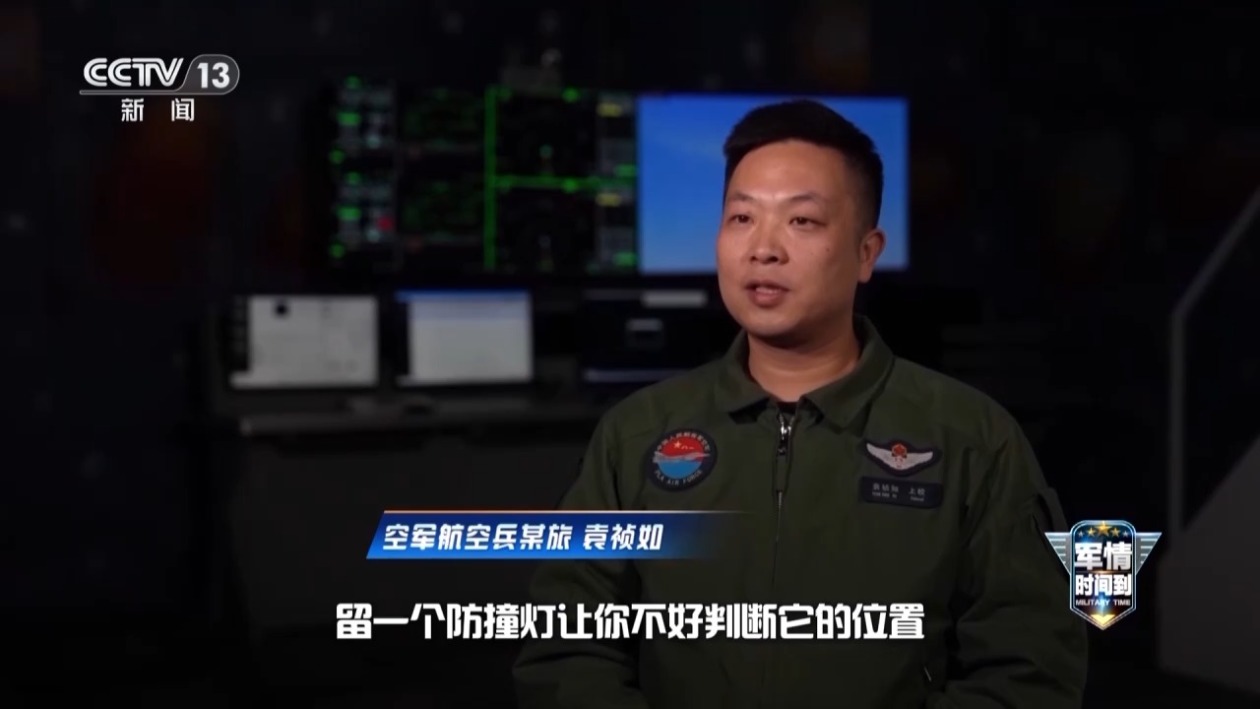
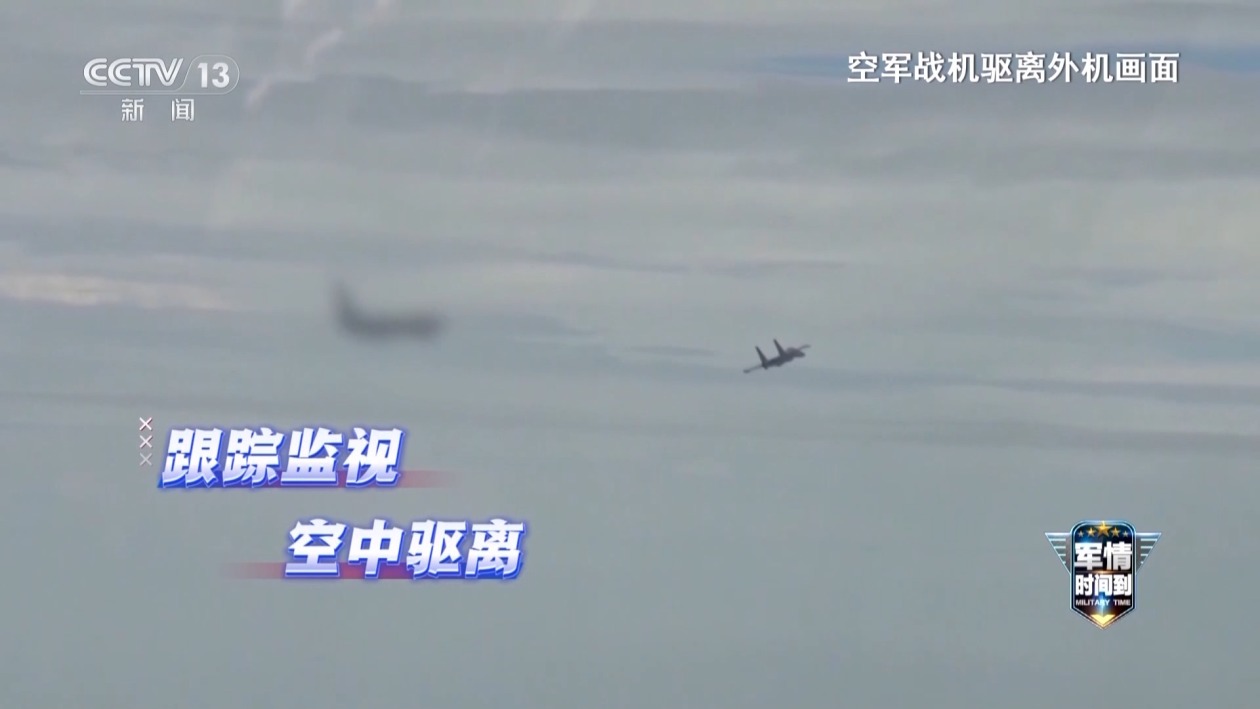
The unit where Yuan Zhenru is stationed faces the front line in the South China Sea, tracking and monitoring, and conducting aerial expulsions has become their daily routine. Two J-16 fighter jets took off to the front line to carry out expulsion missions.
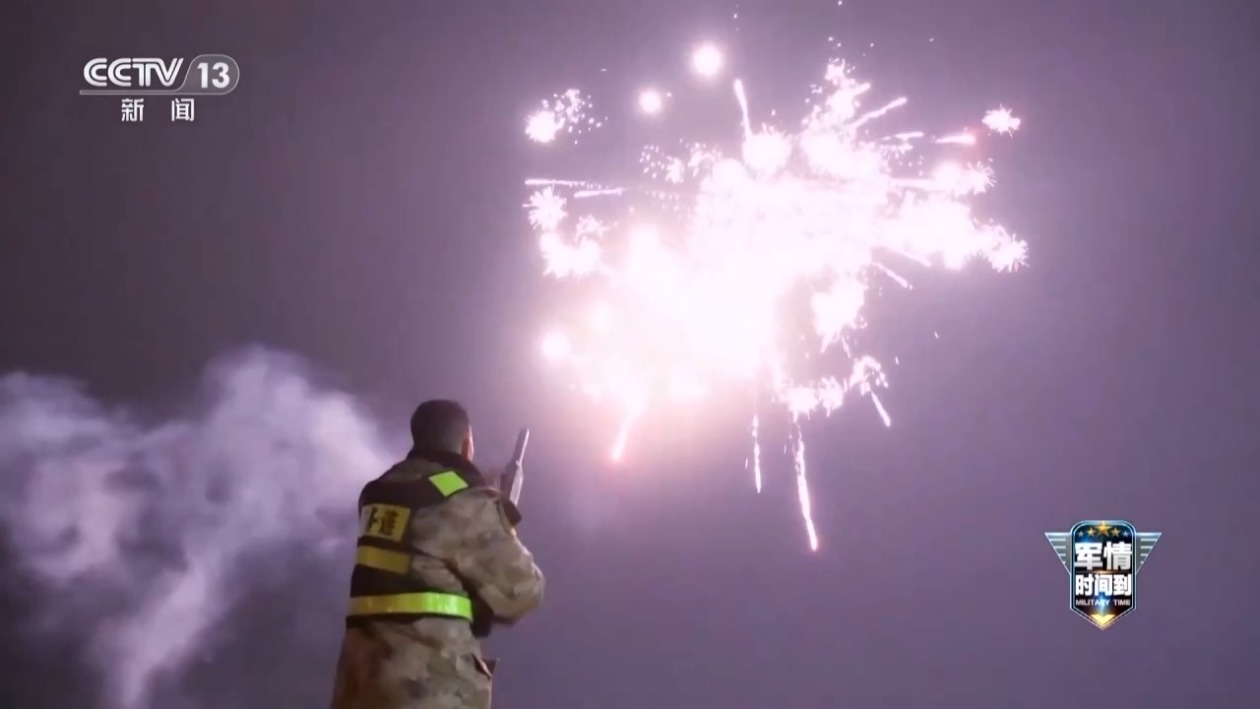
More than an hour later, the fighter jets that successfully completed their mission returned, and in the night sky, the bird-dispersing shells looked like brilliant fireworks, adding a unique scene to this tense night.
The frontline air force units face various emergencies
As soon as the alarm sounds, the fighter jets are already in the air shortly after. To achieve this, not only must the pilots be ready at all times, but the entire team and system must also be online at all times.
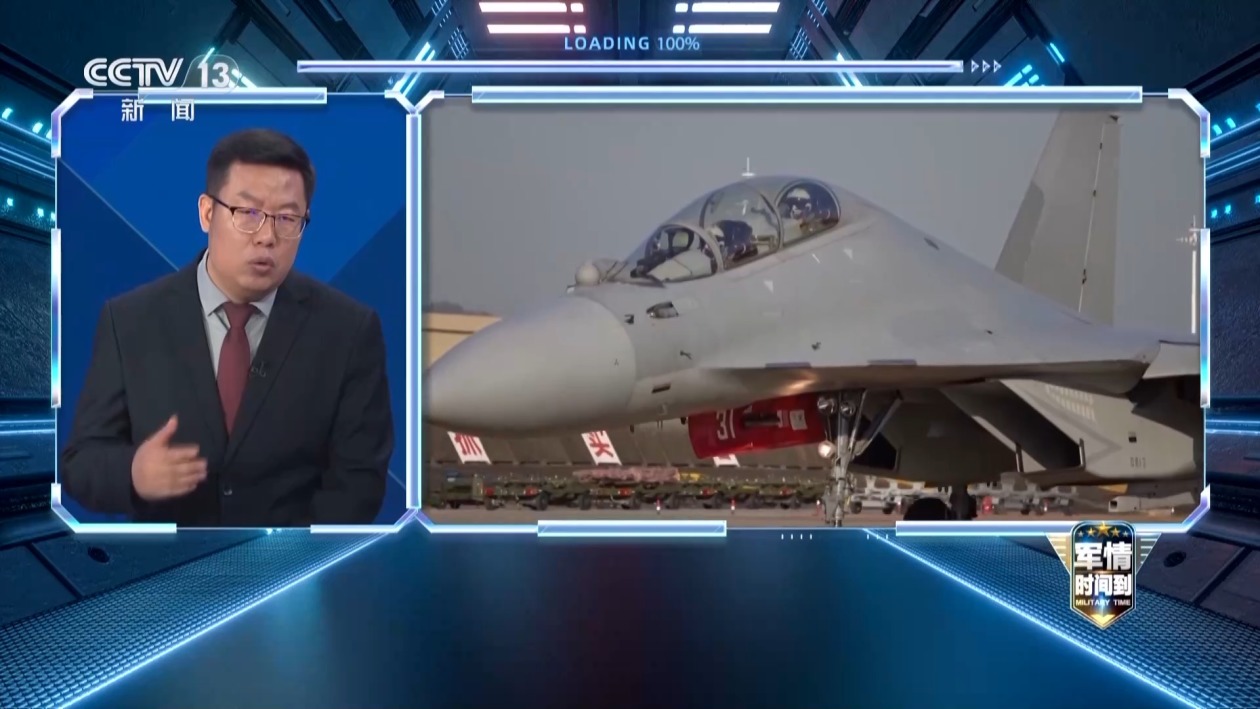
Military observer Wei Dongxu explained that the alarm is a command, and sometimes the alarm itself indicates a combat situation, requiring pilots to be in a state of high readiness. Air force units, especially those on alert duty, are often on the front line, where situations can be very complex. Sometimes unidentified flying objects may appear in the relevant airspace, which could be aerial spies or provocateurs, etc. This sometimes requires fighter jets to take off urgently with munitions to identify and verify potential emergencies and implement effective response plans, so pilots are always in a state of high readiness, and the equipment is also in a state of combat readiness.
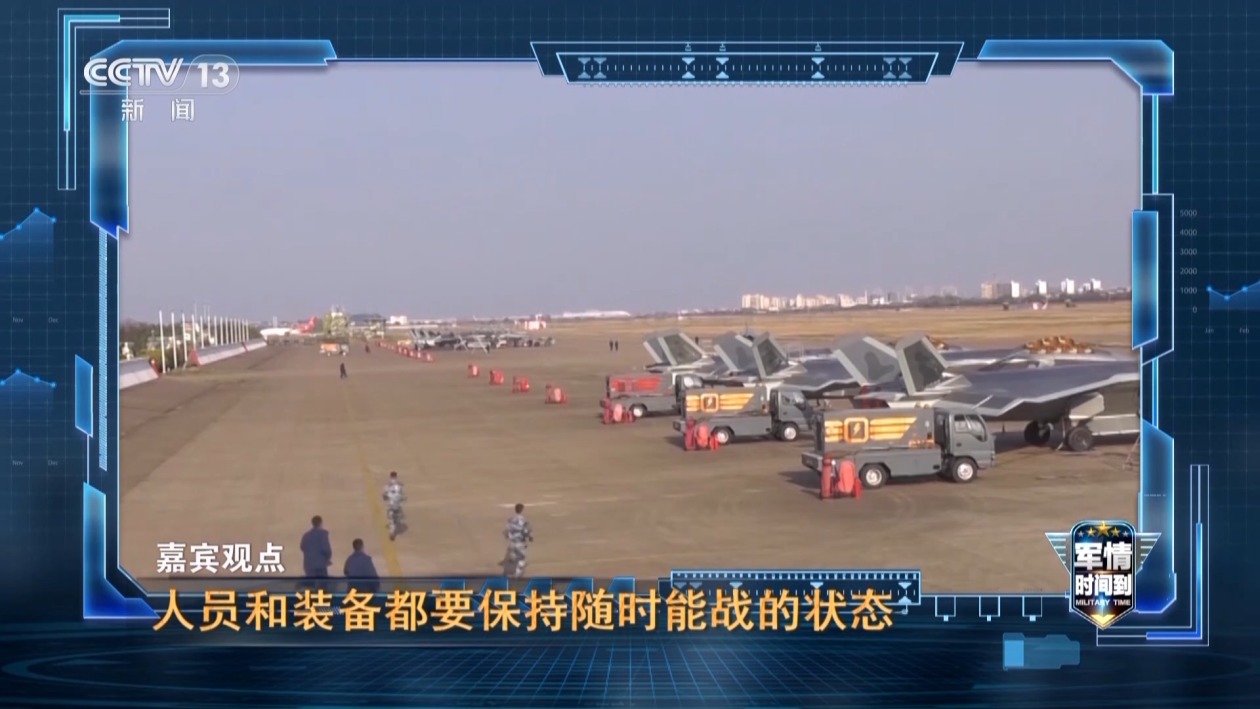
The refueling of aviation fuel and the preparation of related munitions are all done in advance. Therefore, it is not just a quick response from one person and one fighter jet, but rather a team and a system operating at a high level of readiness.
Two J-16 fighter jets from the People's Liberation Army Air Force conducted air defense missions in the South China Sea during the Spring Festival holiday. Pilots were on high alert, ready to respond to unidentified aerial threats, demonstrating the operational readiness of the air force. The entire team and systems were prepared for rapid deployment and effective response.
- Two J-16 fighter jets were deployed for air defense missions in the South China Sea.
- Pilots and support teams maintain a high state of readiness during alerts.
- The report highlights the importance of teamwork and system readiness in military operations.