
America and Iran 2026: Trump Signals MOAB and Tehran Expands Gulf and Hormuz Strikes
 Ahmed Al-Rashid
America and Iran 2026: Trump Signals MOAB and Tehran Expands Gulf and Hormuz Strikes
On October 16 and 17, the practical question in the Gulf was no longer whether the American-Iranian war would escalate, but which link in the chain of deterrence would break first. Statements attributed to President Donald Trump regarding the potential destruction of the Pikaaks Mountain facility near Isfahan soon, coinciding with an increase in strikes attributed to Iran on ports, energy, and navigation, shift the conflict from a message exchange to a direct test of the Gulf economy and the United States' ability to protect its maritime corridor.
This report distinguishes between facts attributed to announced sources and what remains to be confirmed at the time of publication. It does not repeat the facts of the Aden attacks, Saudi airports, or incidents of ship sinkings that were covered in previous reports; its focus is on the decision to strike underground facilities, and then the cost of the Iranian response to infrastructure and shipping.
From Pikaaks Mountain to the MOAB Option
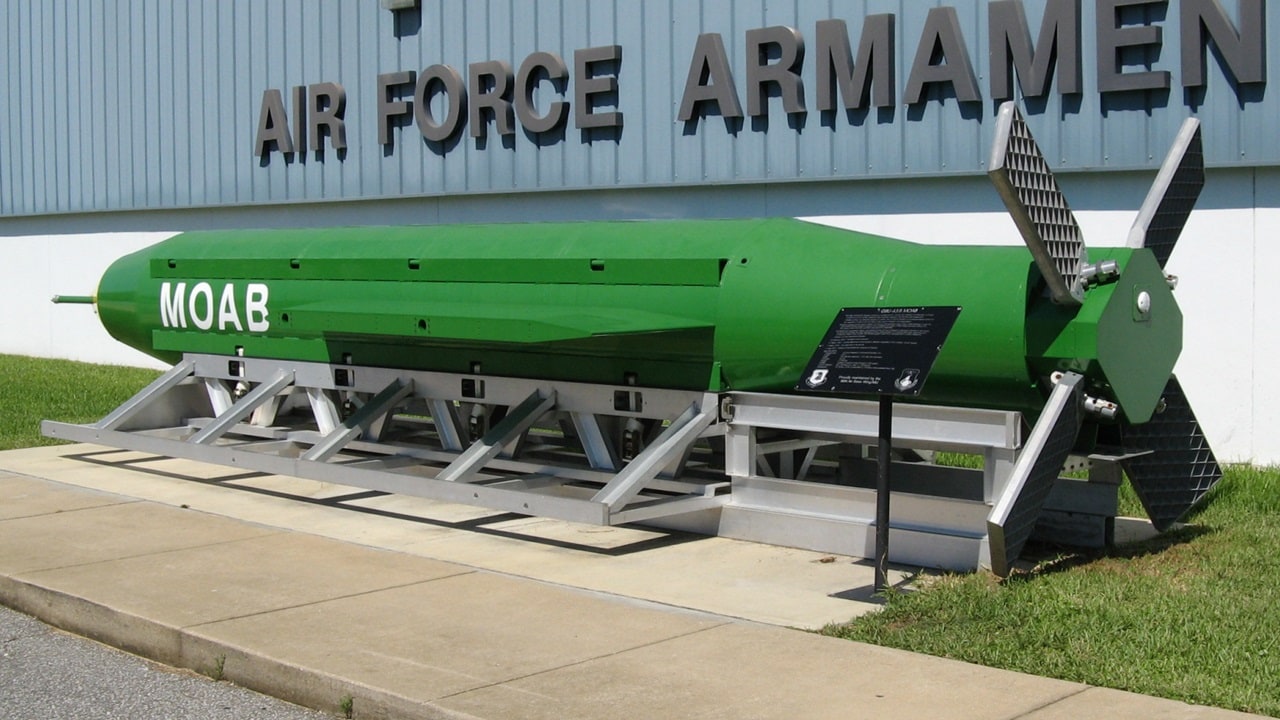
According to reports from Reuters, Al Jazeera, Newsmax, and other outlets, Trump stated that Washington could destroy the Pikaaks Mountain facility, which is an underground site near Isfahan, and that he rules out nuclear weapons but does not rule out a ground operation. These statements, as well as their full verbatim text and context, are to be confirmed in the absence of simultaneous publication from the White House or Central Command that we have directly reviewed.
Militarily, what matters is not political rhetoric but the gap between a buried target and the available munitions. Reports about studying the use of the GBU-43/B Massive Ordnance Air Blast known as MOAB against Iranian nuclear or energy facilities are also to be confirmed. The MOAB is a massive surface-effect munition, but it is not a direct substitute for a bunker-busting bomb like the GBU-57 MOP. Practically, using the name MOAB in discussions may be more of a psychological message than a description of a final munitions plan; the mountain is not defeated by the name of the bomb but by geological and intelligence data and a repeatable attack path.
Additionally, what Israeli media reported about American-Israeli consultations regarding a package of strikes does not confirm an executive decision. That is also to be confirmed. However, merely raising it narrows Tehran's margin: the closer Washington seems to get to a fortified nuclear target, the more valuable early Iranian strikes on what it considers the weak link—namely, the opponent's economy and its maritime transit network—become.
Any military officer who has served in the region knows that bombing an underground site is a political decision that begins with munitions but ends with a simpler and more dangerous question: who protects the bases, ports, and oil tankers the next day?
The Iranian Response Pressures the Nodes, Not the Fronts
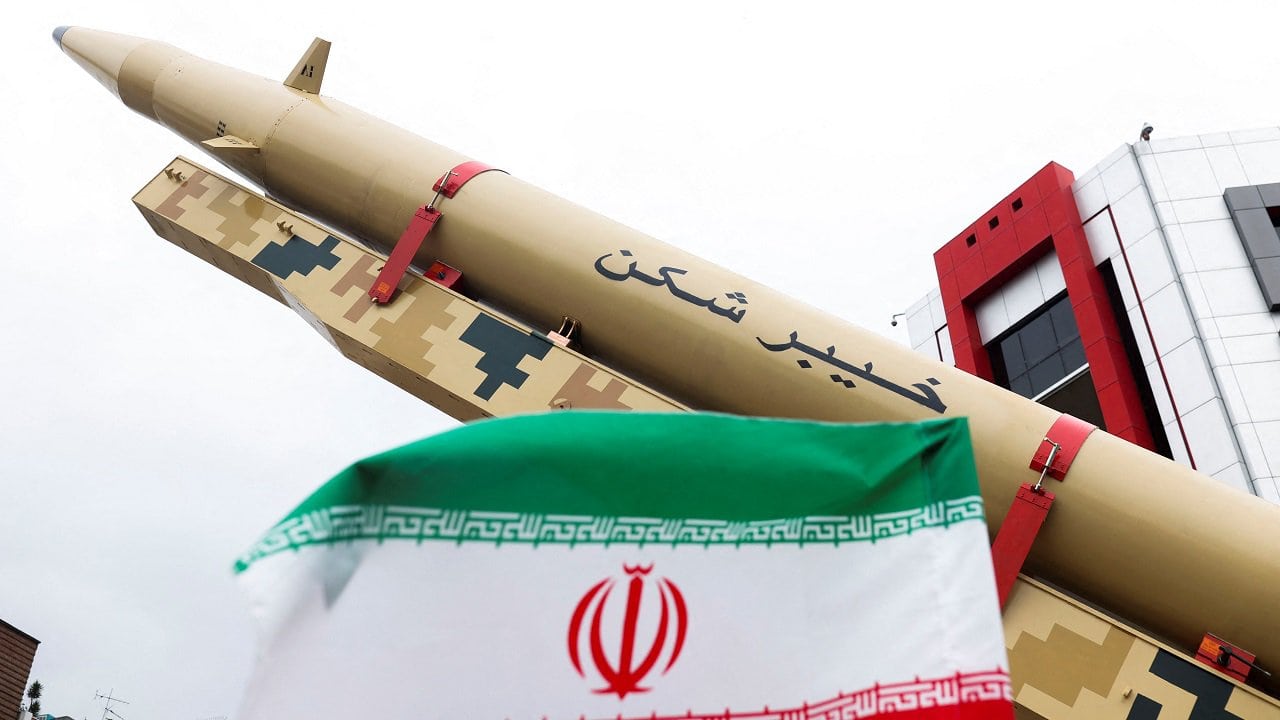
BBC Verify's follow-up indicates that 12 ships were hit or targeted in Hormuz over a week, a number described as the highest since the fighting began. Independent verification of the list of ships or the type of each hit has not been possible, so the number and operational details remain to be confirmed. However, the significance of the pattern is clearer than the accuracy of the number: the goal is not a permanent legal closure of the strait, but to raise insurance, delays, and risks to a level that makes passage itself a costly commercial and political decision.
Incomplete reports include the targeting of a China-linked tanker, an attack attributed to the Revolutionary Guard on a tanker, and a fire in the Fujairah oil area following a drone attack, with an Emirati announcement of intercepting Iranian missiles. Details of responsibility and losses in all these incidents remain to be confirmed unless Abu Dhabi, Tehran, or the ship's owner publish verifiable documents. However, Fujairah specifically is not a symbolic target: it is an Emirati outlet outside the neck of Hormuz, and striking it sends a message that building an alternative geography is not enough if the networks of sensing, defense, and command remain tied to the same threat.
- Tankers move according to the assessment of the insurance company and the owner, not according to a political statement.
- The affected port, tank, or fuel station may disrupt a broader supply chain beyond the value of direct material damage.
- Effective air defense requires interceptors, a trained crew, and a shared decision-making authority, not just expensive batteries.
The Gulf Gap Exposed by the Crisis
Reports have indicated a daily jump of nearly 6% in oil prices, with Brent reaching around $105, and a warning from UKMTO of a severe threat to navigation, along with a U.S. halt to a related escort program. These data and the decision to suspend are to be confirmed until UKMTO notifications, CENTCOM statements, and published spot prices are reviewed. However, even if the final number changes, the market mechanism is correct: the risk in the Gulf adds an immediate premium because maritime alternatives do not compensate for Hormuz within days.
Here, the triangle of capability that is often overlooked in Gulf capitals emerges: equipment, training, and institution. Many countries possess Patriot and THAAD systems and advanced fighters, but protecting dozens of dispersed nodes from missile, drone, and maritime threats requires a unified operational picture, rapid delegation, and real joint exercises. Purchasing an additional platform does not automatically address the weakness in the linkage between radar, ship, port, and decision room.
The United States can raise the cost of a strike on Pikaaks, and Iran can raise the cost of transit through the Gulf. However, the contradiction that does not disappear is that Gulf states want freedom to export and American protection, but they cannot indefinitely delegate the security of their vital infrastructure to an external decision. In this war, the mountain under Isfahan may be the apparent target, but the actual bottleneck remains between Fujairah and Hormuz.
Sources and Verification Status
The follow-up relied on reports from Reuters, BBC Verify, Al Jazeera, Bloomberg, and UKMTO, as well as references to American, Emirati, and Iranian statements. At the time of publication, there was no direct independent confirmation of each incident from CENTCOM, UKMTO, or the relevant national authorities; therefore, claims of the imminent strike, the MOAB option, Israeli consultations, the number of ships, the Fujairah incident, the Chinese tanker, prices, and the suspension of escort were marked with the phrase to be confirmed.
Trump indicated the U.S. could target the Beikaks facility near Isfahan, while Iran escalated strikes on maritime targets in the Strait of Hormuz. Reports suggest 12 vessels were targeted in a week, marking the highest activity since the conflict began. The situation has led to increased oil prices and heightened risks for maritime navigation in the Gulf.
- Trump indicated the U.S. could destroy the Beikaks facility near Isfahan.
- Iran has increased strikes on maritime targets in the Gulf.
- 12 vessels were reportedly targeted in the Strait of Hormuz in one week.
- Reports of consultations between the U.S. and Israel regarding strikes.
- Oil prices surged due to increased risks in the Gulf.