
America's 133,000 GMLRS Rocket Order Is a Confession of Depletion
 Alexandra Reeves
America's 133,000 GMLRS Rocket Order Is a Confession of Depletion
The U.S. Army put out a request this week for industry to build 133,014 Guided Multiple Launch Rocket System rockets by 2034. Read that number slowly, because this is not a procurement target so much as an admission: the guided rocket that became the signature of Ukraine's resistance has been consumed faster than anyone in Washington expected, and the refill will not begin until the next decade.
The Math Behind the Notice
The Sources Sought notice, published on SAM.gov with contractor white papers due by September 1, lays out the pace plainly: 19,002 rockets per year from 2028 to 2034, with the first actual deliveries starting in February 2030. That means a roughly 36 percent increase over Lockheed Martin's current announced capacity of 14,000 rockets annually. The scope covers all three current variants — the unitary warhead, the alternative warhead, and the extended-range version that stretches reach from 70 to 150 kilometers, according to Defense News.
This is the second GMLRS-related move in as many weeks. The Army already handed Lockheed a roughly $3 billion contract for fiscal 2026 production, part of a broader effort to rebuild guided-munition stockpiles that the service admits are thinner than it wants. The new Sources Sought notice is the follow-through: the Army is not just buying more rockets, it is trying to build a bigger production base to buy them from.
Why Now
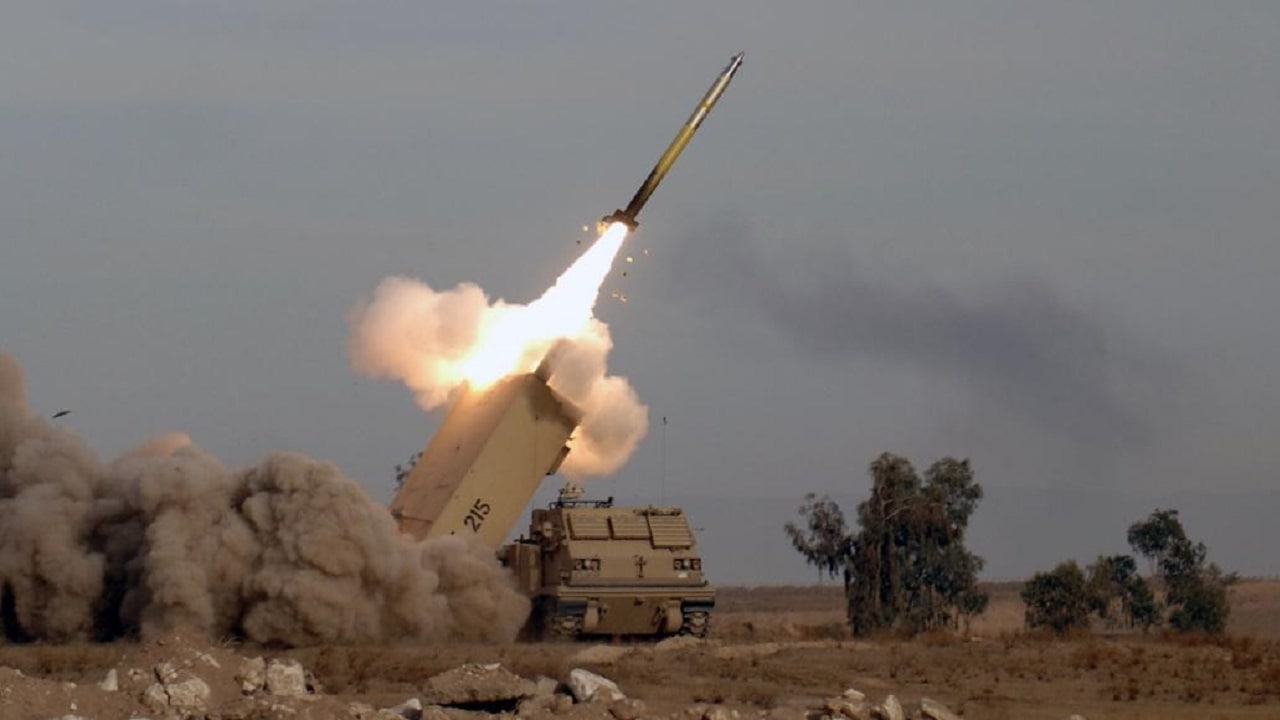
The short answer is Ukraine. GMLRS rockets fired from M270 tracked launchers and truck-mounted HIMARS have been among the most effective weapons Kyiv has fielded, destroying command posts, supply depots and troop concentrations with a precision that Soviet-era artillery could only dream of. Last September, Ukrainian forces even used HIMARS to strike a thermal power plant inside Russia's Belgorod region, according to the Kyiv Independent.
It is a strange second life for a Cold War weapon. The M270 was designed to unleash massive barrages against a hypothetical Soviet push into Europe, and for decades it sat in the arsenal as a relic of that thinking. Then Ukraine turned it into a precision-strike tool that changed the shape of the war, and suddenly every defense ministry in Europe wanted one. The problem is that the production line never got the memo.
But the same war that made GMLRS famous also exposed its weaknesses. Heavy Russian jamming of the rocket's GPS guidance compromised its effectiveness, prompting a scramble among U.S. allies to refit artillery with hardened receivers, as Defense News reported last year. The weapon is still good. It is just no longer unjammable.
The Deeper Problem
Here is the uncomfortable arithmetic. Lockheed Martin had delivered 75,000 GMLRS rockets to the Army by 2024 — and it still was not enough. Deliveries to Ukraine, layered on top of a protracted U.S. conflict with Iran, drained stockpiles of GMLRS and other guided munitions. Replenishment has been slowed by a shortage of solid rocket motors, the same bottleneck squeezing everything from Tomahawks to air-defense interceptors, per Breaking Defense.
And the Army's recent record on industrial ramp-ups should worry everyone. A facility meant to produce components for 155mm shells failed to produce any parts at all, Military Times reported in July. If the service cannot stand up a shell-component line, the 36 percent expansion of GMLRS capacity is not a given — it is an aspiration with a deadline.
What Europe Should Hear
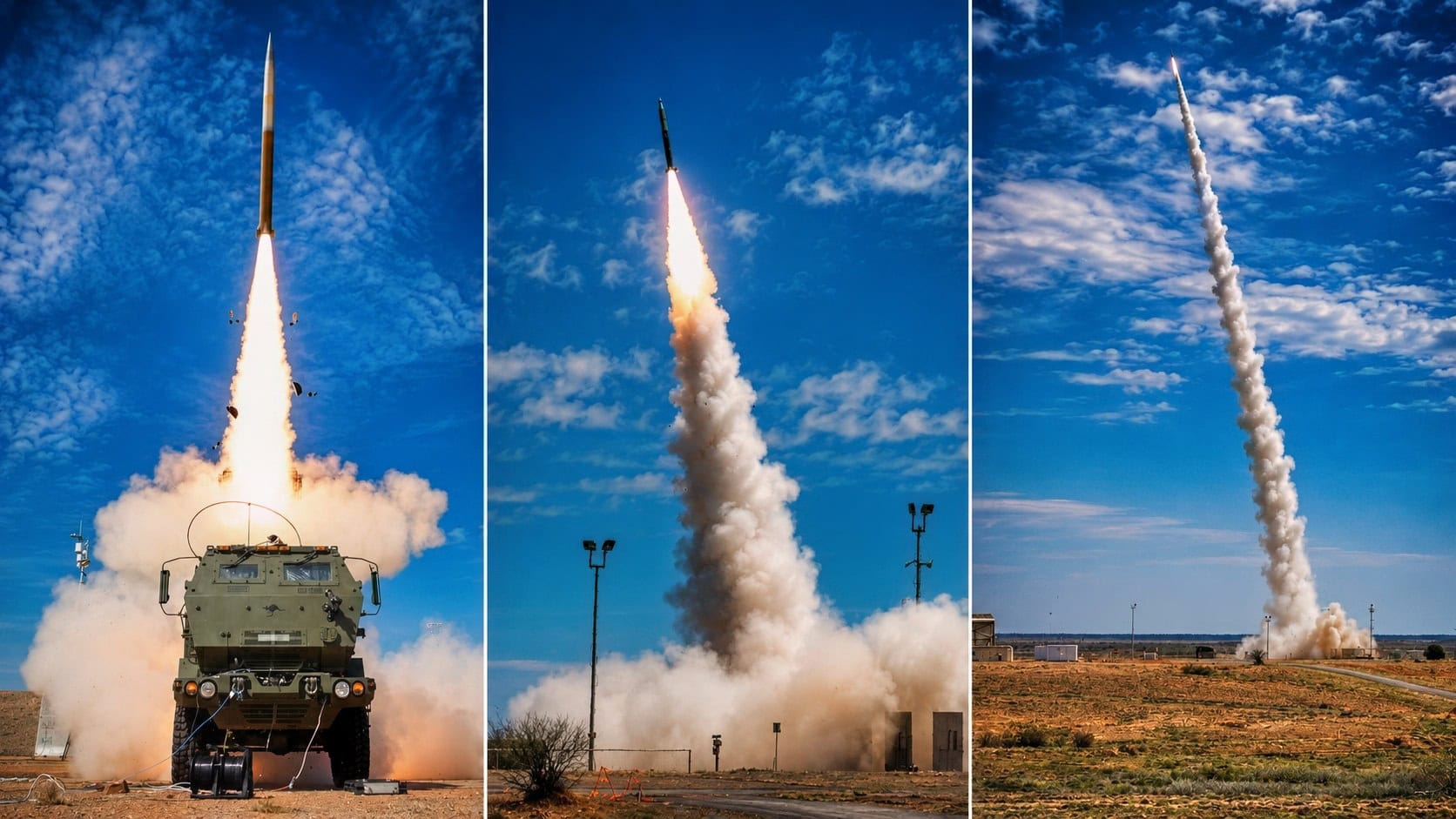
Here is the part nobody in Brussels likes to discuss. European armies bought into GMLRS and HIMARS in a big way — but they do not build them. The production line in Camden, Arkansas is American, and so is the technology. When the United States, with the largest defense budget on the planet, needs until 2030 just to start refilling its own magazine, what does that say about European stockpiles that were thin to begin with? NATO's artillery problem was never just about barrels and shells. It is about who owns the production line, and right now the answer is one country.
There is a broader pattern here worth noticing. Washington keeps asking allies to buy American systems for interoperability, and the allies keep complying — then the export pipeline gets squeezed when the U.S. itself needs the hardware. European capitals have been burned by this with Patriot interceptors, with 155mm shells, and now with GMLRS. At some point, buying interoperable stops being a strategy and starts being a dependency.
The Uncomfortable Question
Volume also does not fix the jamming problem. The Army is ordering 133,000 rounds of a weapon whose guidance Russia has already learned to degrade. More rounds restore mass, but they do not restore the accuracy edge that made GMLRS worth its price tag in the first place. That tension — rebuilding quantity while the quality advantage erodes — is the quiet subtext of this entire industrial mobilization.
The order reads like a confession. The war that emptied the stockpile is happening now; the refill arrives in 2030, if the industrial base delivers on time, which it has not recently.
So watch three things. First, whether Lockheed can actually hit 14,000 this year, let alone 19,000. Second, whether the Army quietly accelerates the extended-range variant, which is the only one that outranges the jamming problem's worst effects. Third, and most important, what happens to this timeline if the next major conflict starts before February 2030. Because the real question was never whether America can build 133,000 GMLRS rockets. It is whether the next war will wait for them.
The U.S. Army has requested the production of 133,014 GMLRS rockets by 2034 due to depleted stockpiles from ongoing conflicts. This order reflects a significant increase in production capacity, with deliveries expected to start in February 2030. The effectiveness of GMLRS has been challenged by Russian jamming, raising concerns about the quality of the weapon system amidst increasing quantity demands.
- The U.S. Army ordered 133,014 GMLRS rockets to be produced by 2034.
- The production rate is expected to increase to 19,002 rockets per year from 2028 to 2034.
- The Army has already awarded a $3 billion contract for GMLRS production for fiscal 2026.
- Heavy Russian jamming has compromised the effectiveness of GMLRS rockets.
- European armies rely on U.S. production for GMLRS and HIMARS systems.