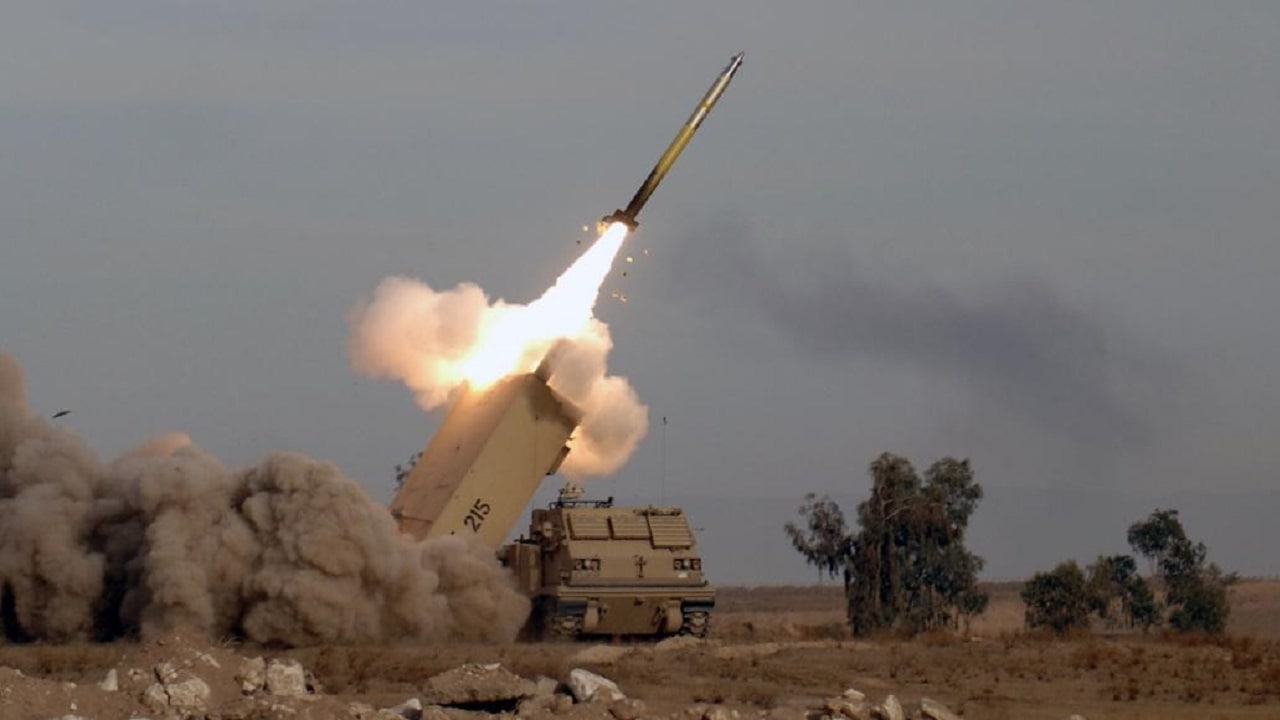
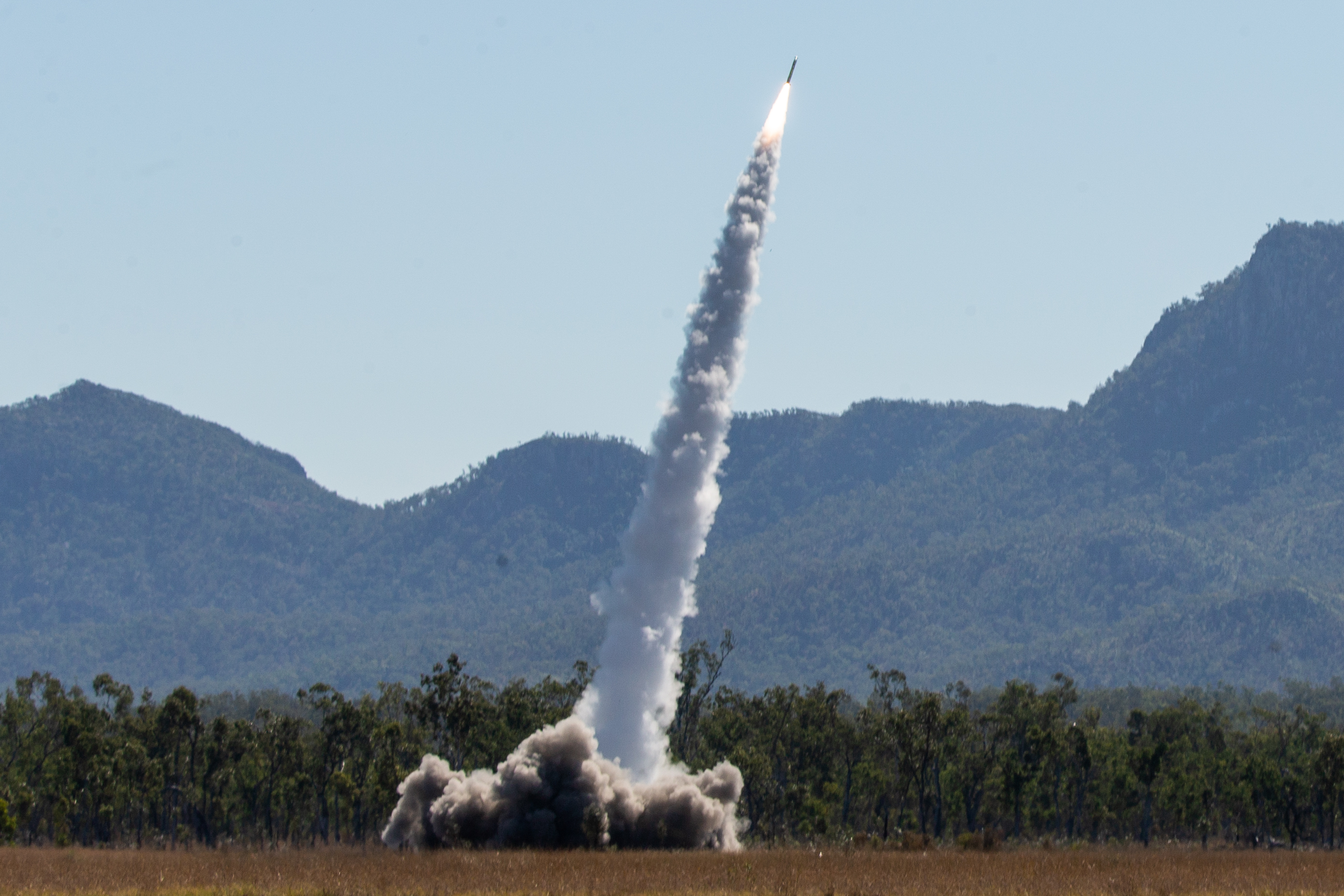
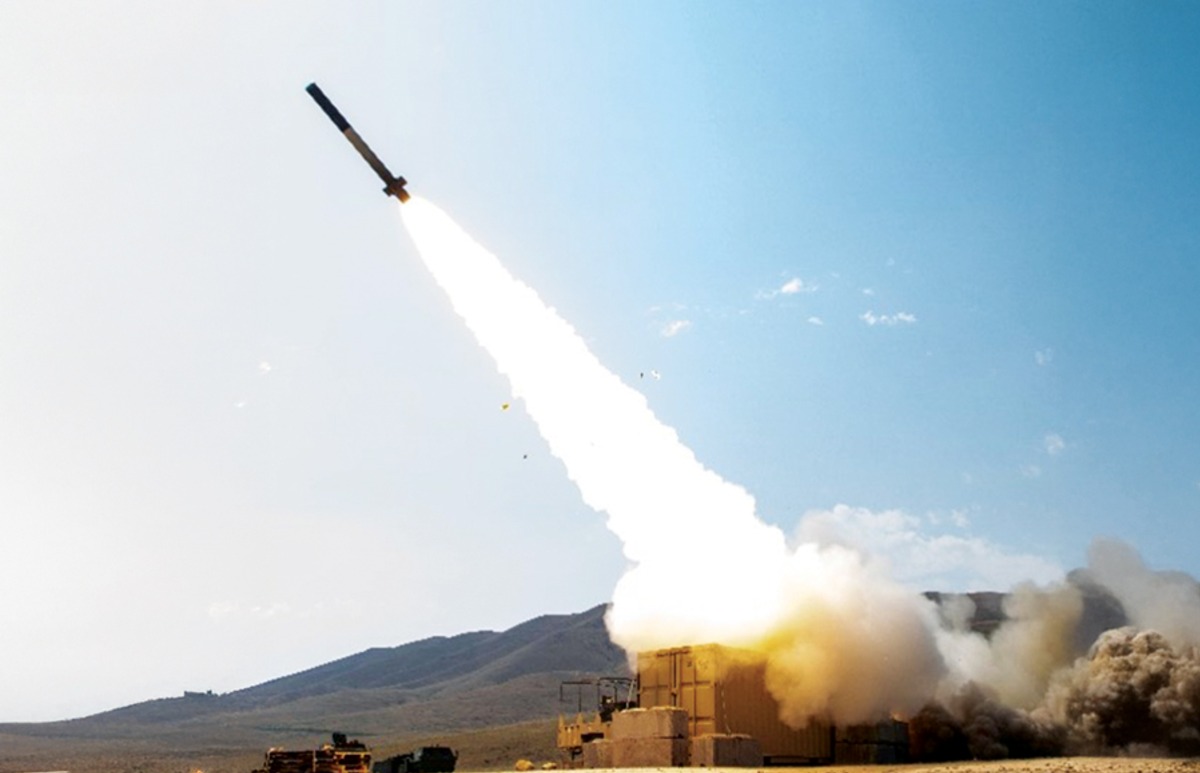
HIMARS became the emblematic Western weapon of the war in Ukraine. From mid-2022, Ukrainian crews used GMLRS rockets against ammunition depots, command posts and bridges deep behind the front, with Ukrainian and US officials crediting the system with degrading Russian logistics (reported). Its survivability rests on shoot-and-scoot doctrine: a fire mission can be completed and the launcher moving again within minutes, complicating Russian counter-battery fire. Reported losses have been few relative to the intensity of its employment, though Russian GPS jamming has been reported to reduce GMLRS accuracy, and several launchers have been claimed destroyed by Iskander and Tornado-S strikes (reported).
The combat record triggered an export wave with few modern parallels. Poland's Homar-A framework for up to 486 launchers, Taiwan's 29-system buy, Australia's 42-launcher program with plans for local GMLRS production, and orders from Romania, Estonia, Latvia, Lithuania, Morocco and others have stretched Lockheed Martin's production, which is expanding toward roughly 96 launchers and 14,000 GMLRS rockets per year. For buyers on NATO's eastern flank and in the Indo-Pacific, HIMARS offers a proven, air-transportable precision-strike capability whose deterrent value now benefits from observed battlefield performance rather than brochure claims.
The system's trajectory is toward longer reach. ER-GMLRS extends rocket range to 150 km, while the Precision Strike Missile — two per pod against one ATACMS — is fielding at 400+ km, with follow-on increments intended to add anti-ship seekers and greater range. Comparisons with cheaper massed-fire systems such as Russia's Tornado-S or China's PCL-191 remain contested: HIMARS trades salvo weight for precision, mobility and network integration, an approach whose cost-effectiveness depends heavily on munition stockpiles and the resilience of GPS-aided guidance in contested electromagnetic environments.