
The 2026 Keen Sword 27 Tests the U.S.-Japan Alliance's Island Supply and Multinational Operations
 Tanaka Takashi
2026 Keen Sword 27 Tests the Japan-U.S. Alliance's Island Resupply and Multinational Operations
On October 19, the departure of the aircraft carrier USS Theodore Roosevelt from Yokosuka was reported. The Japan-U.S. joint exercise Keen Sword 27, which will continue until the 29th, is not just a large-scale exercise. With approximately 45,000 personnel from Japan and about 12,000 from the U.S., along with participation from seven countries in the Indo-Pacific and Europe in some training, it serves as a verification of practical operations centered around the southwestern islands.
What Lies Beyond the 1,000-Kilometer Range
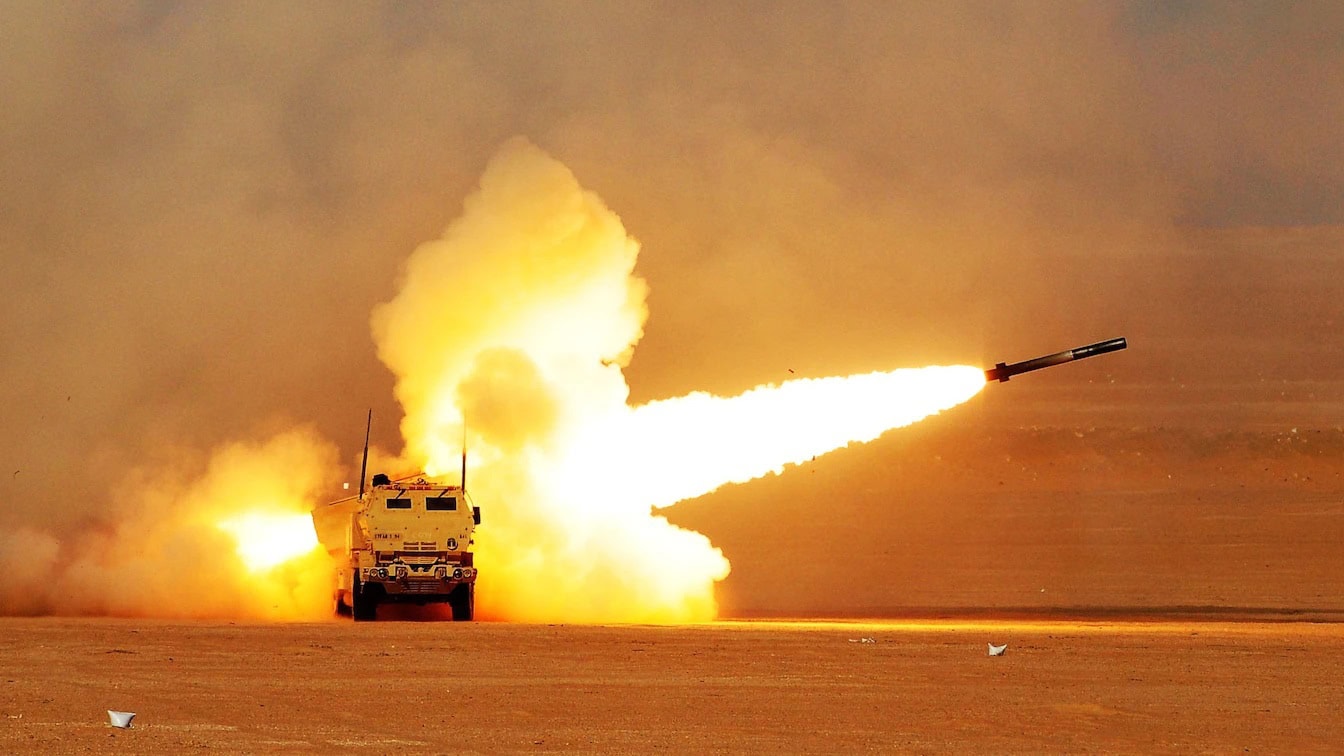
The focus this time is that the Japan Ground Self-Defense Force's Type 12 Anti-Ship Guided Missile Capability Improvement Type (Type-25) has been incorporated into a large-scale Japan-U.S. training for the first time since its deployment. The range is said to be about 1,000 kilometers, but live-fire exercises will not be conducted on Yonaguni Island. This should be viewed not as a demonstration of performance but as a stage to confirm the receipt of target information, launch decisions, communication with U.S. forces, and the distributed operation to keep the launchers survivable.
On the island, the U.S. Marine Corps' NMESIS (ground-launched anti-ship missile) and MADIS (short-range air defense system) are also being deployed for the first time, while HIMARS is stationed on nearby Ishigaki Island. The concept of connecting firepower and air defense with different ranges into a single island network is clear. However, maintaining the SLOC (Sea Lines of Communication) for continuous transport of ammunition, fuel, and maintenance personnel by sea and air will be the first test in actual combat.
The Reality of an Alliance Mobilizing 57,000 Personnel
The training items include amphibious operations, mine clearance, intelligence gathering, resupply, and casualty evacuation. This design emphasizes the ongoing operations before and after the "recapture of the island" scenario. The first participation of France, Germany, the Netherlands, New Zealand, and the Philippines has the effect of expanding the Japan-U.S. bilateral defense plan into multinational maritime traffic protection.
However, as the number of participating countries increases, the time required to align communication procedures, rules of engagement, and resupply priorities also increases.
It is diplomatically natural for the Ministry of Defense and the Joint Staff Office to explain that it "does not target specific countries." On the other hand, the fact that long-range firepower and U.S. military systems are simultaneously placed on Yonaguni Island, about 110 kilometers from Taiwan, sends a different signal to neighboring countries. While strengthening deterrence, a communication line to manage misjudgments during peacetime becomes essential.
Overlooked Vulnerabilities
According to Tanaka's view, the success or failure of Keen Sword 27 will be determined not by the missile hit rate but by whether a force of 57,000 personnel can be moved and resupplied without disrupting the lives of the island's residents. While long-range firepower becomes noticeable once deployed, combat sustainability depends on the combination of ports, runways, satellite communications, and medical transport. The next challenge the Japan-U.S. alliance must overcome is not a lack of firepower but moving political, military, and local government decision-making at the same speed.
Sources
- Associated Press, “Japan and the US Kick off Joint Drills Around Islands as Regional Tensions Rise,” October 19, 2026
- Kyodo News, “Major Japan-U.S. joint military drills kick off to boost regional defense,” October 19, 2026
- Japan Ministry of Defense and Joint Staff Office announcements related to Keen Sword 27
The USS Theodore Roosevelt departed Yokosuka on October 19, 2026, to participate in the Keen Sword 27 joint military exercises involving approximately 57,000 personnel from Japan, the U.S., and seven other countries. The exercises focus on island supply and multinational operations, integrating Type-25 anti-ship missiles for the first time. Logistical support is emphasized as crucial for sustaining operations in the region.
- USS Theodore Roosevelt departed Yokosuka on October 19, 2026.
- Keen Sword 27 involves approximately 57,000 personnel from Japan, the U.S., and 7 other countries.
- The exercises focus on island supply and multinational operations in the southwestern islands.
- Type-25 anti-ship missiles are being integrated into the exercises for the first time.
- Logistical support is critical for sustaining operations during the exercises.