

Military Quote Of The Day: Patton’s “Good Plan” Rule—And The Dyslexia Battle Behind It
“A Good Plan, Violently Executed Now, Is Better Than a Perfect Plan Next Week.” That quote is just one of the many nuggets of wisdom from iconic U.S. Army General George S. Patton.
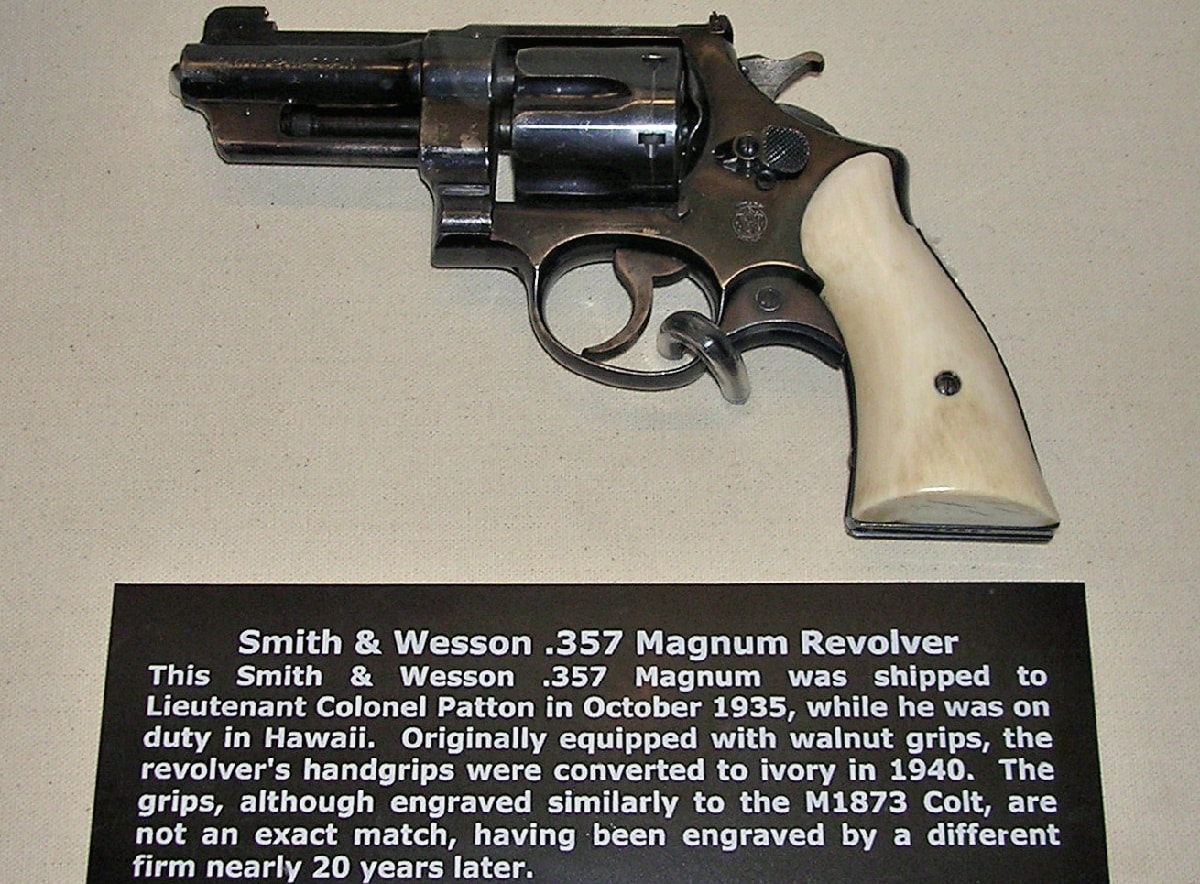
Patton’s well-known custom ivory-handled revolver.
This particular quote being to mind the nugget of wisdom about the perfect being the enemy of the good. (One of my Military Training Instructors [MTIs] at U.S. Air Force Basic Military Training [BMT] was fond of saying “If it’s not perfect, it’s WRONG!” With all due respect, I’d like to hear him say that to Patton’s ghost via séance.)
George Patton was certainly a man well-qualified to speak about fighting through imperfection and still accomplishing the mission.
Though he fight in many epic battles, from during General John “Black Jack” Pershing’s Pancho Villa Expedition of 1916 as a young lieutenant, to the Meuse-Argonne Offensive of World War I as a major, to all of the engagements of World War II he led as a general officer (e.g., El Guettar, the Sicily Campaign, the Battle of the Bulge, etc.)
Yet George Patton’s earliest major battle was a deeply personal, internal struggle that few but the most hardcore Patton buffs know about: his struggle with dyslexia.
Dyslexia and Its Impact on Patton’s Childhood
I myself have been a Gen. Patton fan since I first watched the 1970 Best Picture Oscar-winning film “Patton” (starring the late great George C. Scott) as an eighty-year-old kid.
However, I didn’t learn about his affliction until my 8th grade year at Walter Reed Junior High School in North Hollywood, California, whereupon I read Martin Blumenthal’s 1985 book “Patton: The Man Behind the Legend, 1885-1945” for an audiovisual project that my then-bestie and I presented at USC—my future undergrad alma mater—for History Day L.A.)
Alas, I don’t have that book handy, so my primary source of information for this article will instead be a 2008 piece in Warfare History Network titled “George S. Patton: A Life Shaped by Dyslexia,” authored by Glen Jeansonne, Frank C. Haney, and David Luhrssen.
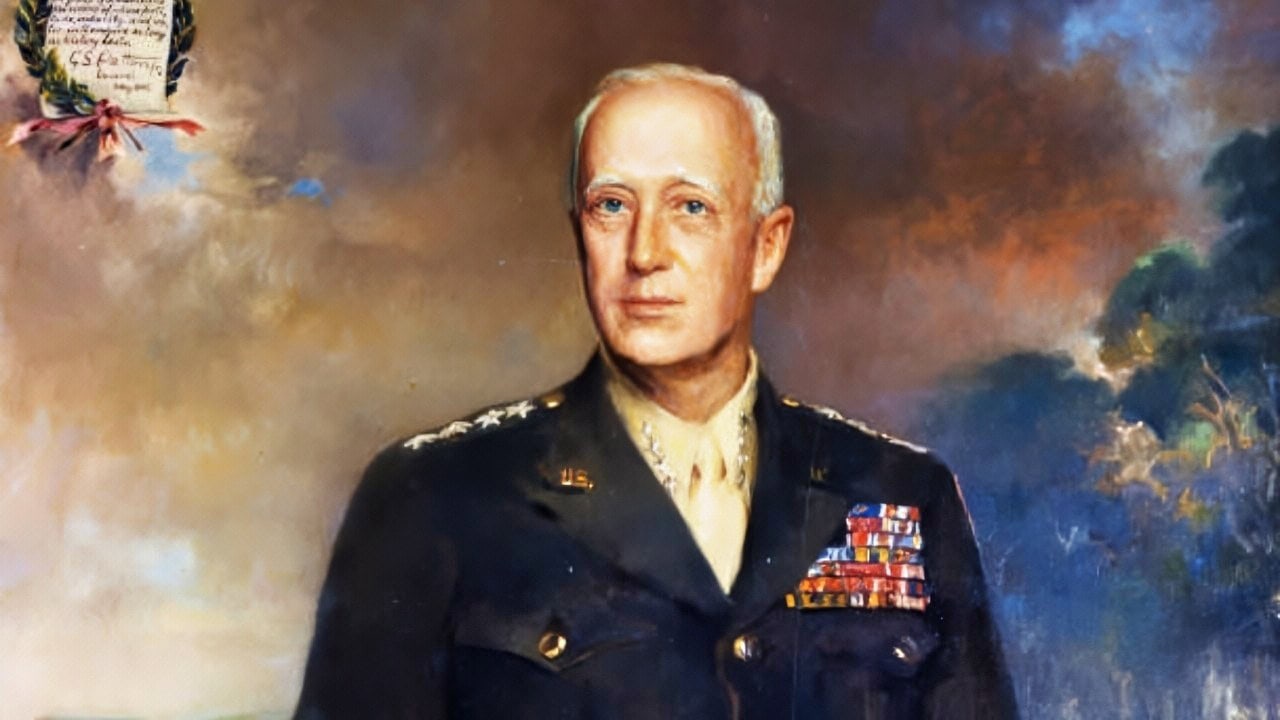
Portrait of Army General Patton. Image Credit: Creative Commons.
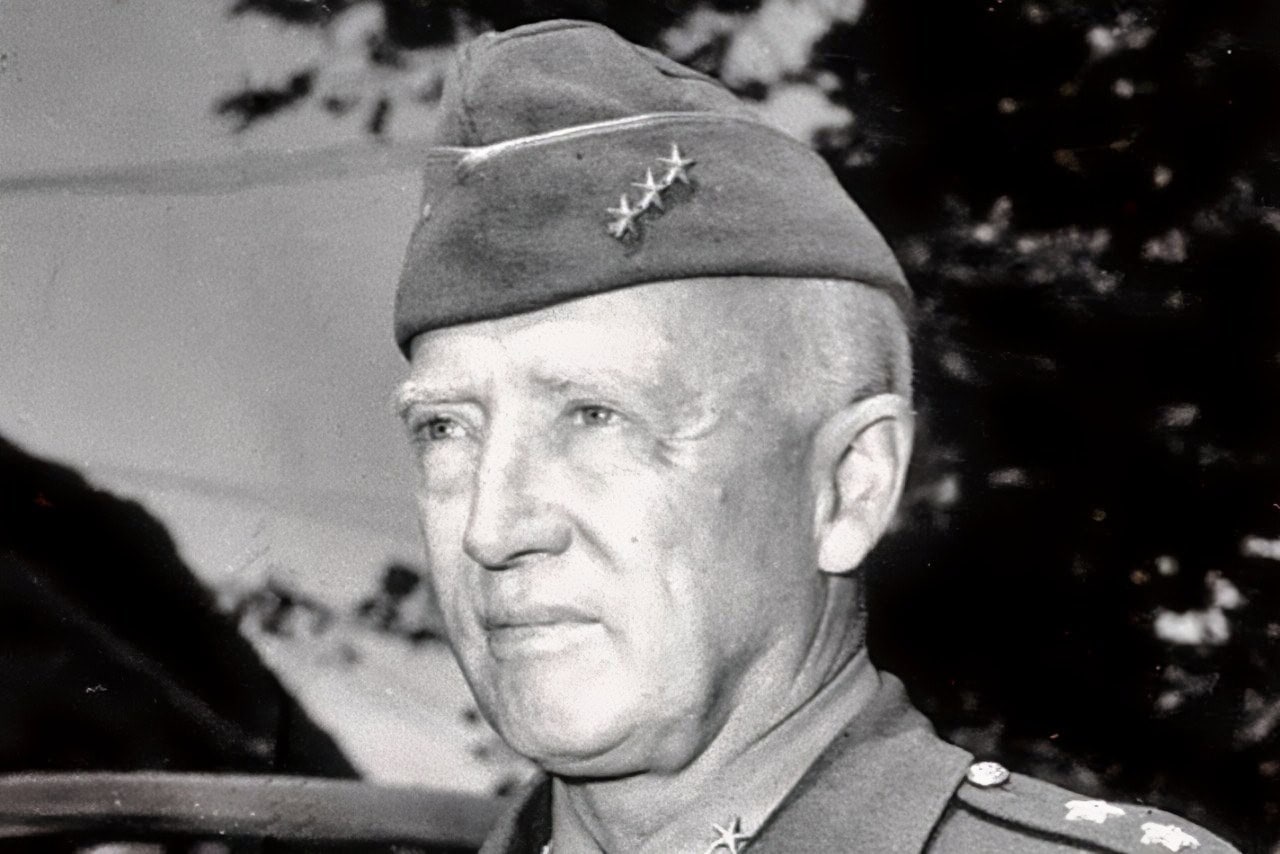
George S. Patton Quote of the Day. Creative Commons Image.
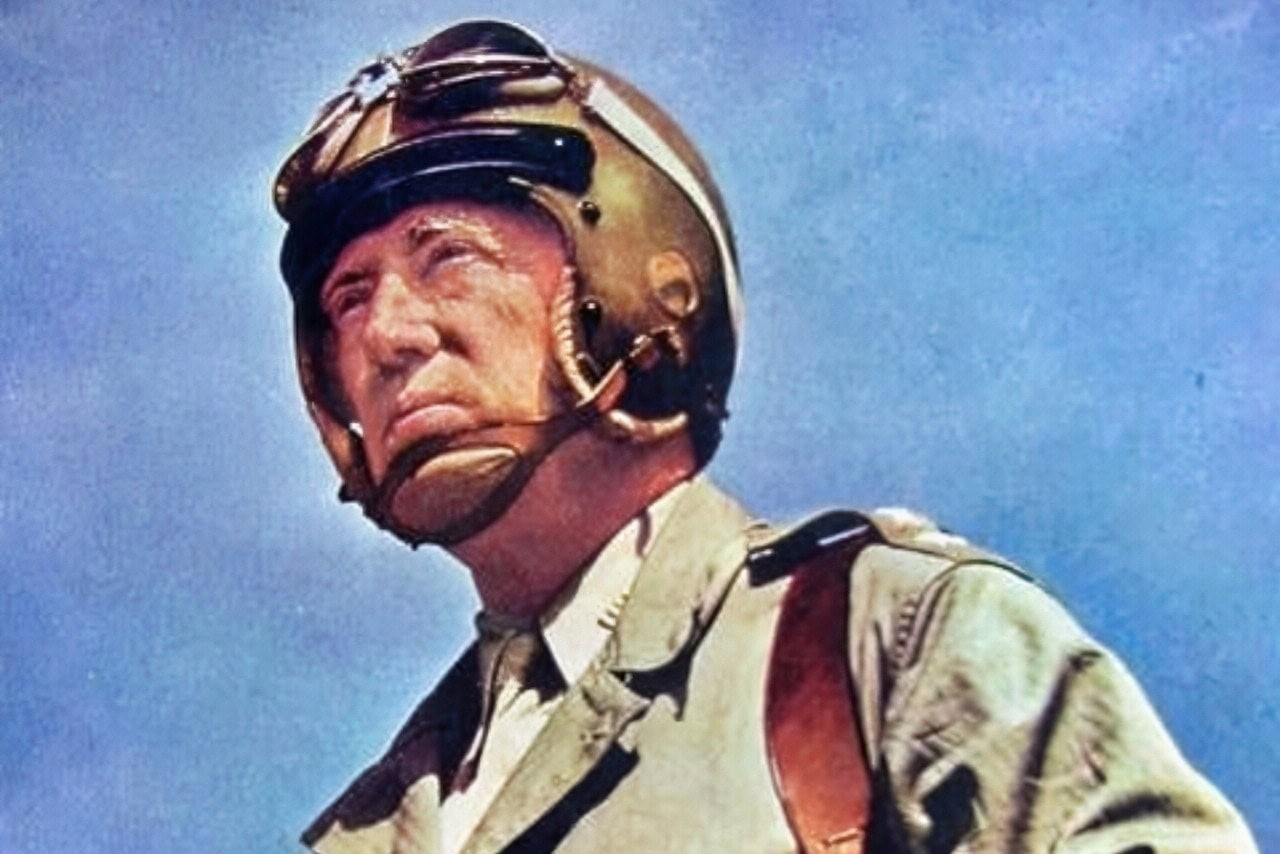
General George Patton of the U.S. Army. Image Credit: Creative Commons.
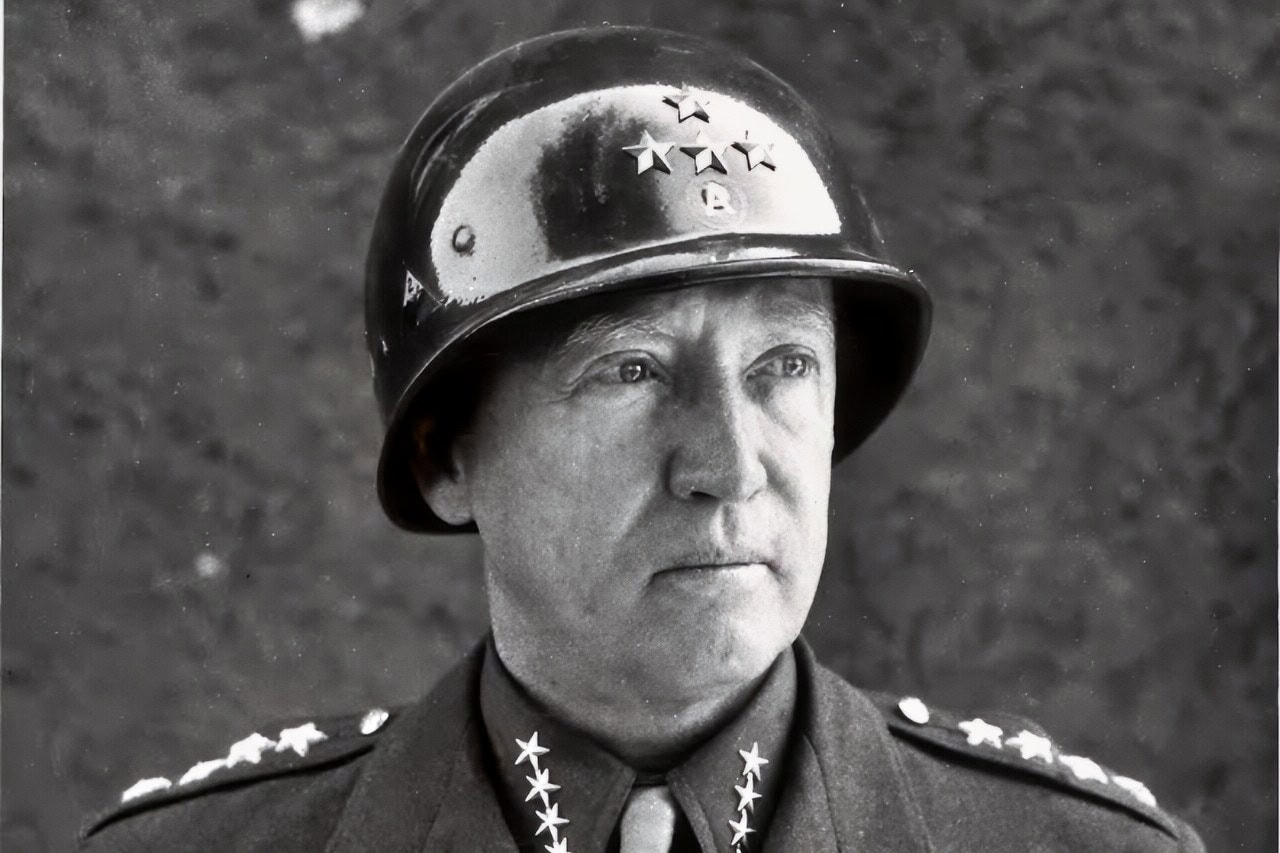
U.S. Army General George Patton
Young Georgie’s struggles with dyslexia manifested themselves early on, as he didn’t learn to read or write until age 11.
However, thanks to his innate intelligence, drive, and determination, Georgie adapted, improvised, and overcame.
He took to heart his father’s exhortation to “Do your damnedest always” (a quote that I still do remember from the Blumenthal book after 37 years).
George Sr. ensured that his son was well-educated, reading to him the works of Homer’s (the Iliad and the Odyssey). Meanwhile, Georgie’s Aunt Nannie doted on him even further: “having decided that George was ‘delicate,’ began reading aloud to him classics such as Plutarch’s Lives and The March of Xenophon and stories about Alexander the Great and Napoleon.”
Dyslexia and Patton’s Military Education
Prior to gaining admission to the United States Military Academy at West Point, George spent a year (1903-1904) at his father’s alma mater, the Virginia Military Institute (VMI). At VMI, the dyslexia didn’t affect him terribly: “His military work rose above that of his classmates…He was aided by the dyslexic’s need to strive hard to overcome all impediments.”
At West Point, however, the lingering struggles with dyslexia did force Cadet Patton to repeat the miserable plebe (freshman) year after failing mathematics. (One could say that “math” was Patton’s least-favorite four-letter word, which I can certainly empathize with, despite my own late Dad’s math genius)
However, he continued to persevere, eventually graduating number 46 out of 103 cadets on June 11, 1909, earning a commission as a second lieutenant in the Cavalry branch. The following year, his perseverance was further rewarded when he married his beloved Beatrice “Bea” Banning Ayer, with whom he had two daughters and one son (George Smith Patton IV, who became a U.S. Army major general in his own right, serving in the Korean War and Vietnam War).
Double-Whammy: ADD *and* Dyslexia?!?!
Messrs. Jeansonne, Haney, and Luhrssen add a further tidbit of fascinating insight into Patton’s medical history that (as far as I can recall) wasn’t mentioned in the Blumenthal book: he also may have had attention deficit disorder (ADD).
As this triumvirate of authors elaborates:
“The fact that Patton had dyslexia is supported by his family and documented by both Blumenson and [Carlo] D’Este. That Patton also had ADD will probably remain a matter of conjecture and speculation, although in his public life he exhibited many of the disorder’s behavioral symptoms: his flexibility and willingness to shift strategy, such as the quick deal he cut in Casablanca permitting the formerly Vichy forces to continue governing Morocco under Allied auspices in November 1942; his tirelessness when in pursuit of a tangible goal, as when he took command of the moribund II Corps in Tunisia in February 1943 and rapidly transformed it into a formidable fighting force; his boredom with mundane tasks, expressed in a 1916 letter during the garrisoning of the Mexican town of Dublan when he wrote his father, ‘We are all rapidly going crazy from lack of occupation and there is no help in sight”; and his startling ability to visualize and make ideas concrete.’”
The authors cite further evidence of the famous General’s ADD in his infamous temper tantrums and mood swings, particularly the two soldier-slapping incidents that were the true low point of his career (other than his untimely death, of course).
The two soldiers, Private Charles Kuhl and Private Paul Bennett, were suffering from what we now know as post-traumatic stress disorder (PTSD) but was termed “combat fatigue” or “shell shock” back then.
For (not so) good measure, Pvt. Kuhl was also suffering from malaria, dysentery, and a 102-degree fever. (Incidentally, both Kuhl and Bennett eventually made a full recovery and returned to duty with their units.
The authors assess these unfortunate incidents thusly: “The frustrations experienced by a person dealing with either dyslexia or ADD can be overwhelming and can often lead to serious self-doubt, feelings of inadequacy, bouts of uncontrollable anger, and emotional hypersensitivity.”
About the Author: Christian D. Orr, Defense Expert
Christian D. Orr is a Senior Defense Editor. He is a former Air Force Security Forces officer, Federal law enforcement officer, and private military contractor (with assignments worked in Iraq, the United Arab Emirates, Kosovo, Japan, Germany, and the Pentagon). Chris holds a B.A. in International Relations from the University of Southern California (USC) and an M.A. in Intelligence Studies (concentration in Terrorism Studies) from American Military University (AMU). He is also the author of the newly published book “Five Decades of a Fabulous Firearm: Celebrating the 50th Anniversary of the Beretta 92 Pistol Series.”