
Attack on Riyadh Airport in Saudi Arabia Leaves 12 Dead and 309 Injured; U.S. President: U.S. Military May Get Involved Next
Recently, the conflicting parties in Yemen have engaged in intense "airport mutual strikes," with the international airport in Riyadh, Saudi Arabia, the Aden International Airport in the Yemeni government-controlled area, and the Sana'a International Airport and Hodeidah International Airport in the Houthi-controlled area of Yemen frequently coming under attack.
On the 10th, the international airport in Riyadh, the capital of Saudi Arabia, suffered a severe attack. According to the latest statistics released by the Saudi Civil Aviation Authority in the early hours of the 11th, this attack has resulted in 12 deaths and 309 injuries.
U.S. President Trump also made a statement on the 10th following the attack at the Saudi capital airport, indicating that the U.S. might join Saudi Arabia in its military actions against the Houthis, but did not make a clear commitment.
Saudi capital airport has been attacked multiple times recently, resulting in hundreds of casualties
The Saudi Arabian Civil Aviation Authority stated on the 11th that King Khalid International Airport in Riyadh was attacked again on the afternoon of the 10th, resulting in 12 deaths and 309 injuries. The attack caused varying degrees of damage to airport facilities, and operations at the airport have been suspended.
Prior to the attack on the 10th, the Saudi Civil Aviation Authority had issued a statement on the 9th confirming that King Khalid International Airport had been attacked twice on the 8th, resulting in the deaths of 3 Saudi citizens and multiple injuries. On October 7th, the Saudi Civil Aviation Authority also confirmed that Abha International Airport in southwestern Saudi Arabia and King Khalid International Airport in the capital Riyadh were attacked from the 6th to the 7th, resulting in 3 deaths and 36 injuries.
Saudi capital airport attacked again on the 10th, no flights taking off or landing
Shortly after the latest attack on the 10th, witnesses reported that explosions were heard at Terminal 3 of King Khalid International Airport that afternoon, and personnel at the airport were evacuated.
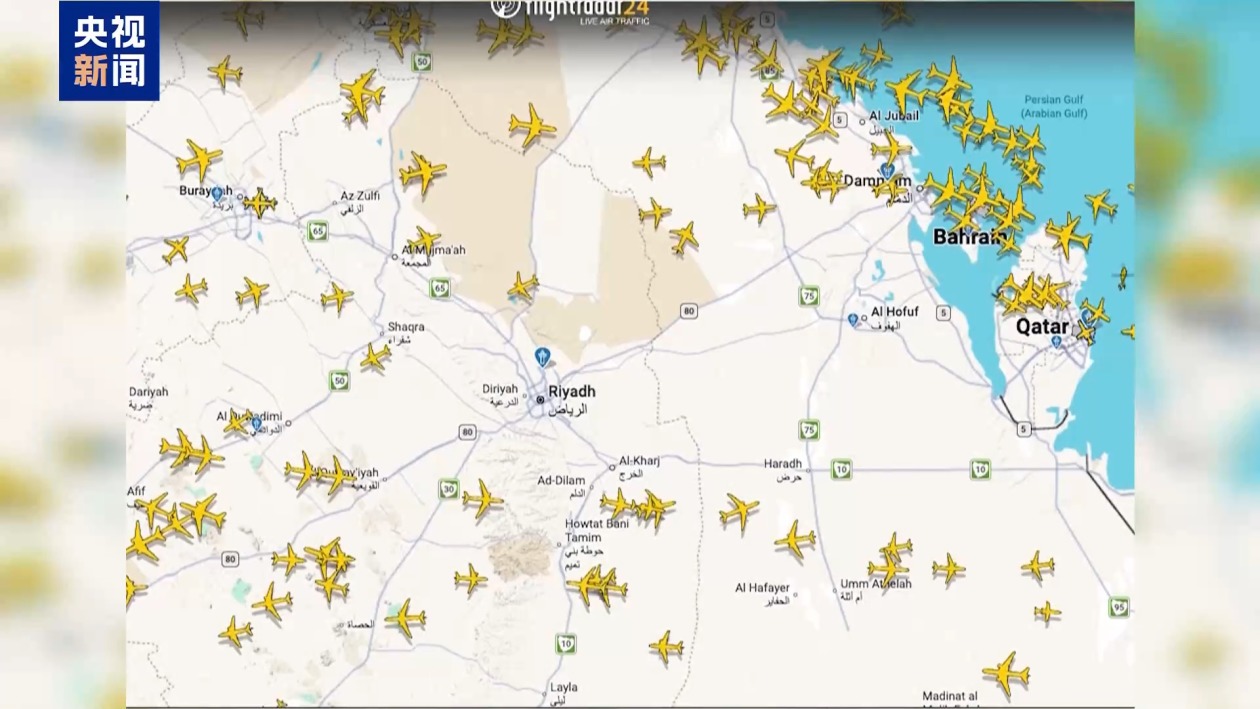
△ After the explosion at the Saudi capital airport on the 10th, flight tracking websites indicated that there were no flights taking off or landing at the airport
After the explosion, flight tracking websites indicated that there were no flights taking off or landing at the airport, and some flights to Riyadh were diverted or returned. King Khalid International Airport issued a passenger advisory, recommending that travelers contact their airlines to confirm flight status before heading to the airport.
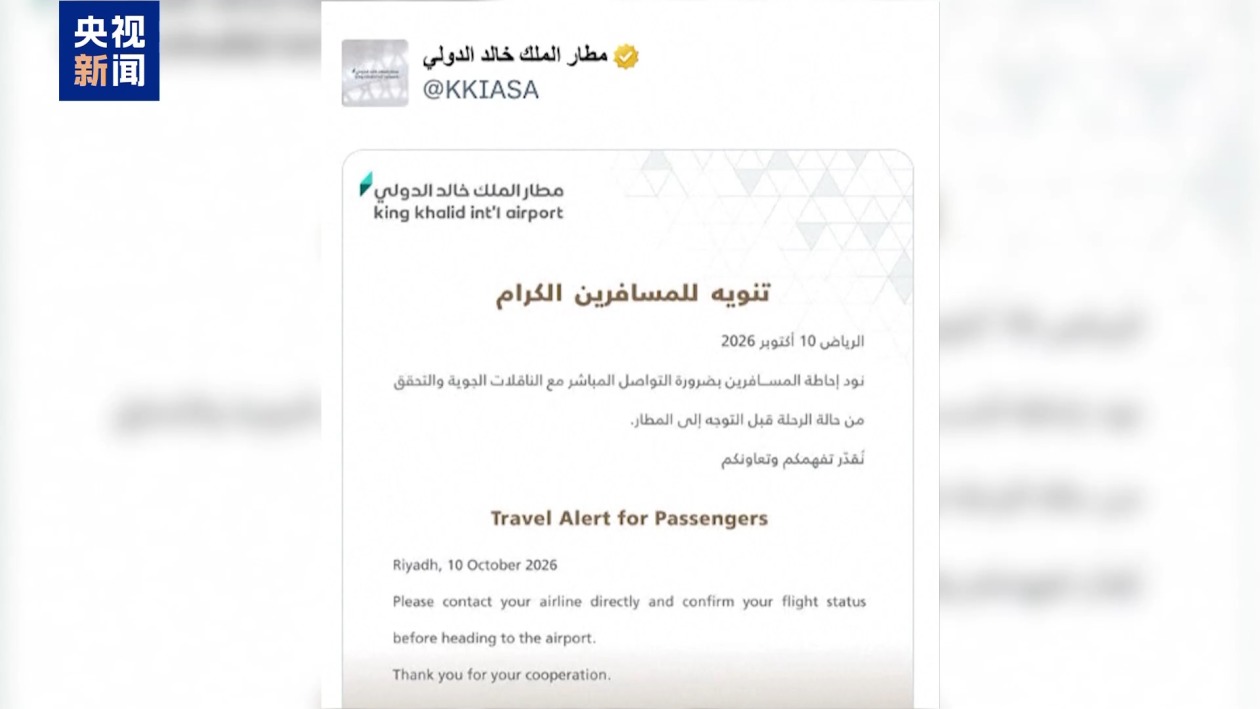
△ King Khalid International Airport issued a passenger advisory: travelers are advised to contact their airlines to confirm flight status before heading to the airport
Due to the security situation, Kuwait Airways announced on the 10th that it would cancel flights to and from Riyadh. Previously, on the 8th and 9th, Etihad Airways and Qatar Airways had announced the cancellation of multiple flights to Riyadh, and after the explosion on the 10th, Etihad Airways announced that it would extend the cancellation of flights until October 12th.
U.S. President states that the U.S. may participate in Saudi military strikes against the Houthis
Following the attack on the Saudi capital airport on the 10th, U.S. President Trump also made a statement. Trump stated that the U.S. "may" join Saudi Arabia in its actions against the Houthis, saying, "We will consider it carefully."
Earlier, in early September, as the Houthis continued to seize strategic locations along the Red Sea coast, Saudi Crown Prince Mohammed was reported to have called Trump, requesting U.S. strikes against the Houthis, but the U.S. President declined. According to informed U.S. officials, the U.S. government currently has no plans for direct strikes against the Houthis.
Some analysts believe that the U.S. has been lukewarm towards direct strikes against the Houthis due to various limiting factors. With the ongoing conflict with Iran and the depletion of munitions stocks due to the Iran conflict, protecting Saudi Arabia is not currently a strategic priority for the U.S., and therefore, the U.S. is reluctant to open a new front in Yemen.
Yemeni Houthis: Willing to avoid mutual strikes on civilian facilities with Saudi Arabia
On the 10th, the Houthi-controlled Masirah TV reported that the Saudi-led coalition attacked the Houthi-controlled Sana'a International Airport in Yemen on the 10th, with no reports of casualties or damage at that time. Later that day, the Houthis expressed their willingness to stop mutual strikes on airports, seaports, and other humanitarian facilities with Saudi Arabia.
The Yemeni Houthis stated that they are willing to take reciprocal measures with Saudi Arabia to avoid involving airports, seaports, and other humanitarian facilities in the escalating military confrontation. The organization also expressed its willingness to promote efforts to avoid attacks on such facilities and prioritize the protection of airports and seaports.
Al Jazeera: Houthi attacks on Saudi airports are reciprocal responses
The Houthis have previously accused Saudi Arabia of attacking Sana'a International Airport in the capital of Yemen on July 13, which led to the end of the de-escalation between the two sides.
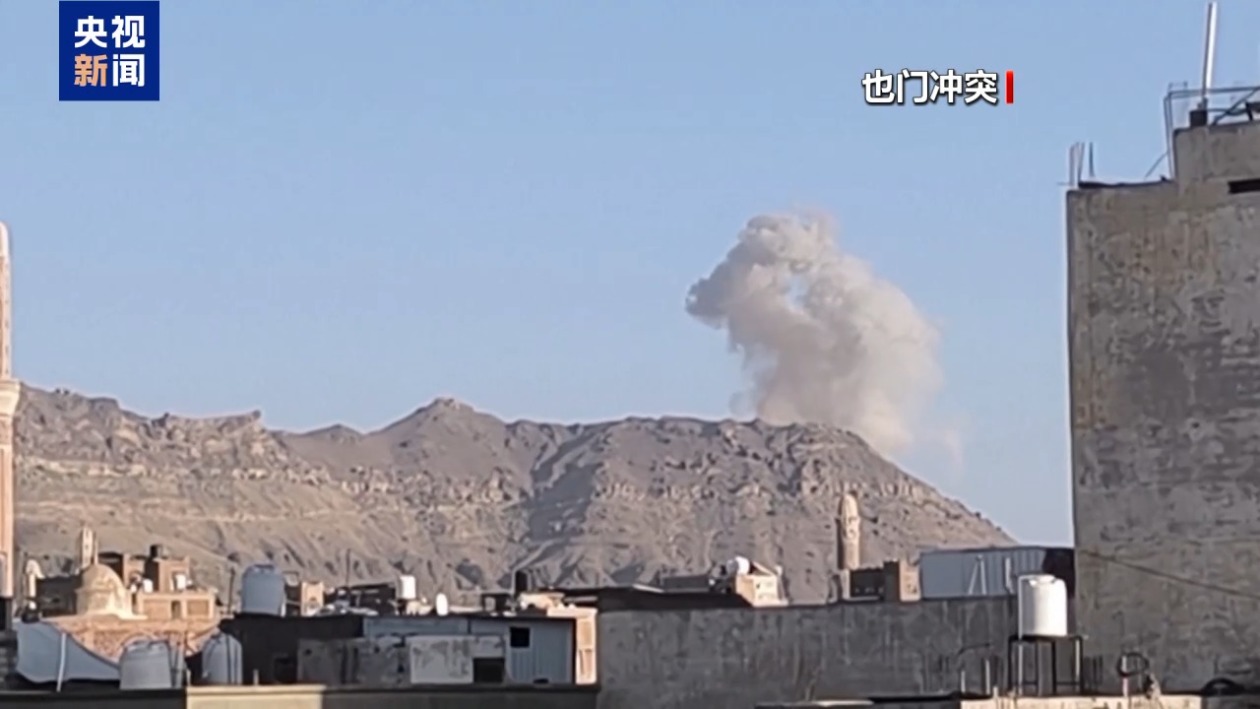
Some analysts believe that this is one of the reasons why the Houthis have been continuously targeting King Khalid International Airport in Riyadh. Al Jazeera analysis suggests that Sana'a International Airport and Hodeidah International Airport are key entry points for international flights and humanitarian aid into Houthi-controlled areas, and due to the ongoing Saudi offensive, the Houthi attacks on Saudi airports are a reciprocal response.
Other analyses suggest that threatening Saudi Arabia's commercial and tourism development may also be one of the objectives of the Houthi attacks on the capital airport.
On October 10, 2023, Riyadh's King Khalid International Airport was attacked, resulting in 12 deaths and 309 injuries. The Saudi Arabian Armed Forces have faced multiple attacks on airports, including those in Aden, Sana'a, and Hodeidah. U.S. President Trump suggested potential U.S. military involvement against Houthi forces, who have also expressed a desire to avoid targeting humanitarian facilities.
- Riyadh's King Khalid International Airport was attacked on October 10, resulting in 12 deaths and 309 injuries.
- The airport has suspended operations due to damage from the attacks.
- U.S. President Trump indicated the possibility of U.S. involvement in military actions against Houthi forces.
- Houthi forces expressed willingness to avoid attacks on humanitarian facilities.
- Previous attacks on airports occurred on October 8 and 9, causing additional casualties.