
Australia and New Zealand's 2026 Naval Pact Cannot Hide the Fleet Gap
 Marcus Chen
Australia and New Zealand's 2026 Naval Pact Cannot Hide the Fleet Gap
Australia and New Zealand have signed Plan Tasman, a blueprint for tighter naval integration. The arithmetic behind the agreement is less reassuring than the language around it. Australia has roughly 16,000 sailors, eight bases and seven Anzac-class frigates. New Zealand has about one-eighth the personnel, one naval base and two Anzac frigates. That is a useful partnership. It is not yet a combined fleet.
Plan Tasman Puts Structure Behind a Real Need
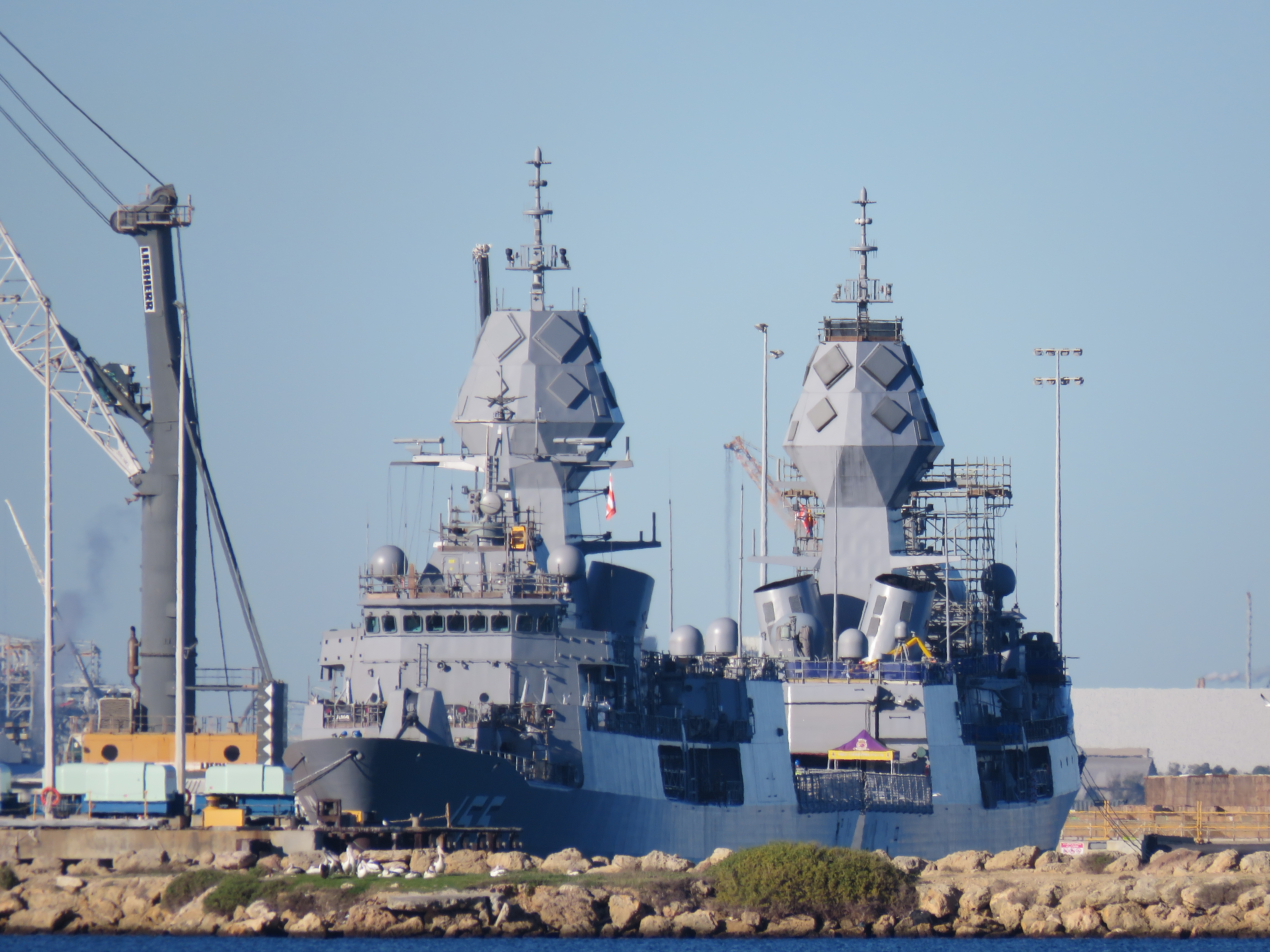
According to Defense News, Plan Tasman follows the November 2024 Tasman Navy Framework. It creates an annual navy-to-navy dialogue led by the deputy service chiefs and working groups for specific cooperation tasks. That matters because interoperability is usually lost in the seams: headquarters procedures, maintenance standards, communications, crewing and rules for transferring tactical control.
The agreement also reflects geography. Australia and New Zealand sit astride the approaches between the South Pacific, the Tasman Sea and the wider maritime routes leading toward Southeast Asia. Wellington brings political access, local knowledge and a navy accustomed to operating with partners. Canberra brings mass, bases and a much larger force. In a crisis, those are complementary advantages.
But a dialogue architecture does not put another frigate at sea. A working group does not generate an anti-submarine screen. The test is whether the two navies can sustain a useful formation after the first deployment cycle, not whether their staffs can produce a common communiqué.
The Force-Generation Problem Is the Real Story
The current surface fleet is small and aging. Australia operates seven Anzac-class frigates while New Zealand operates two, all based on a design that will reach the end of its service life in the mid-2030s. Even assuming high availability, nine hulls cannot cover home waters, training, maintenance, regional presence and a contingency in the same week.
Navies do not deploy their inventory. They deploy the fraction that is crewed, repaired, trained and supplied. A simple three-for-one planning rule means a ship on sustained rotation usually requires two others cycling through maintenance, workups or recovery. Nine frigates therefore produce perhaps three continuously available hulls before a serious crisis forces the services to consume readiness. That is enough for presence. It is thin for sea control.
New Zealand's replacement decision is consequently more important than the wording of Plan Tasman. Australia signed in April 2026 for 11 Japanese Mogami-class frigates. Wellington is still considering the Mogami or Britain's Type 31. Choosing the same design could reduce training and logistics friction, but common hulls alone do not create common combat power. Weapons, datalinks, software baselines, spare parts and crew pipelines have to align as well.
Helicopters Could Matter More Than Hull Numbers
New Zealand has ordered five MH-60R Seahawks to replace its Kaman Seasprites. That is a consequential improvement for anti-submarine warfare and surface surveillance, but five aircraft are not five permanently available helicopters. Training, maintenance and aircrew conversion will consume part of the fleet. The operational value will come from whether the Seahawks can routinely plug into Australian task groups, exchange contact data and operate from both navies' ships.
For an alliance operating across the South Pacific and approaches to Southeast Asia, the helicopter question is practical. A frigate that can search below the surface, classify contacts and pass a usable track is worth more than a ship that merely adds another radar picture. If New Zealand's Seahawks are integrated into Australian exercises and deployment schedules from the start, Wellington can contribute scarce specialist capability without pretending it has the mass to escort every convoy.
What This Means for the Indo-Pacific
Plan Tasman strengthens the southern anchor of the U.S.-led network, but it should not be sold as an answer to China's fleet. China can concentrate many more ships, aircraft and sensors in a crisis around Taiwan or the South China Sea than Australia and New Zealand can send from the Tasman Sea. The value of this partnership is different: access, persistence, logistics and a reliable contribution to coalition operations.
That contribution could include maritime surveillance, undersea warfare, protection of sea lines of communication and relief for larger American or Japanese units. New Zealand's location gives partners another operating point and political relationship. Australia's bases and larger force can provide the mass that Wellington lacks. The combination is useful precisely because neither country has to imitate the United States.
There is also a warning for AUKUS planners. Partnerships fail when political integration runs ahead of industrial and personnel capacity. Australia is buying 11 Mogamis while its existing frigates age. New Zealand must choose a replacement while absorbing five new helicopters. Both navies must recruit, train and retain sailors in a region where every advanced navy is competing for the same engineers and technicians.
The Verdict
Plan Tasman is the right institutional move, and the timing is sensible. But it will produce a more dependable small maritime force only if the next steps are measurable: shared readiness standards, common data links, cross-decked crews, coordinated maintenance and a published deployment model.
The numbers leave no room for ceremonial integration. Nine aging frigates and five incoming helicopters cannot control the Indo-Pacific. They can, however, create a persistent southern network that makes allied forces easier to sustain and harder to surprise. The choice is now clear. Australia and New Zealand can build a genuinely integrated niche force, or they can turn Plan Tasman into another alliance document that sounds larger than the fleet behind it.
Sources
- Defense News, “New Zealand, Australia sign pact to deepen naval cooperation,” September 29, 2026
- Japan Ministry of Defense, Australia-India Mogami-class cooperation document, August 2026
- USNI News, “Mogami and Chungnam Bids Show Washington Cannot Build Pacific Escorts Fast Enough,” September 1, 2026
- Defense News, “New Zealand defense minister to help shepherd military-integration push with Australia,” April 8, 2026
Australia and New Zealand signed Plan Tasman in April 2026 to enhance naval integration, with Australia contributing 16,000 sailors and 7 Anzac-class frigates, while New Zealand has 2 Anzac-class frigates and ordered 5 MH-60R Seahawks. The partnership aims to improve interoperability and address the limitations of their aging fleets in the Tasman Sea and South Pacific region.
- Australia and New Zealand signed Plan Tasman for naval integration in April 2026.
- Australia has 16,000 sailors and 7 Anzac-class frigates; New Zealand has 2 Anzac-class frigates.
- New Zealand ordered 5 MH-60R Seahawks for anti-submarine warfare.
- Australia is acquiring 11 Mogami-class frigates from Japan.
- The current fleet is aging and insufficient for comprehensive sea control.