
Blue Hall Observation | Japan's "National Intelligence Agency" Established: Can Militarism Be Revived?
On July 31, Japan officially established the "National Intelligence Agency," drawing strong attention from the outside world. The "National Intelligence Conference," personally led by Prime Minister Sanae Takaichi, also held its first meeting on the same day. The Japanese government claims that this is to integrate intelligence capabilities and respond to so-called "spy infiltration." However, the outside world generally views this as a blatant provocation by Japan's right-wing forces against the post-war international order.
The "National Intelligence Agency" in Japan is strikingly similar to the "Tokko" system
"Tokko" is short for "Special Higher Police," which was a secret police organization used by Japanese militarism to suppress domestic social movements, implement ideological control, and serve foreign aggression and expansion. The National Intelligence Agency was elevated from the Cabinet Intelligence and Research Office and is granted comprehensive coordination authority over intelligence from various departments, including the Ministry of Foreign Affairs, the Ministry of Defense, and the National Police Agency. Within Japan, the Takaichi government’s strengthening of the intelligence system has raised concerns about the resurgence of "secret police rule."
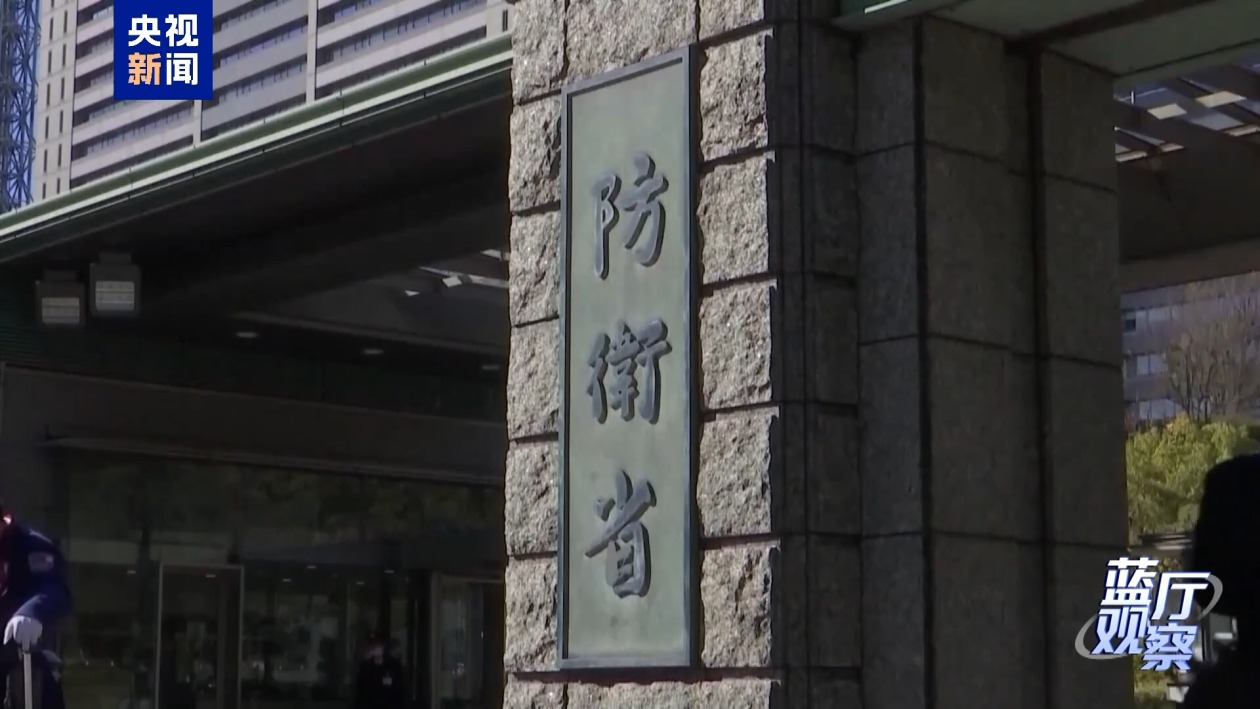
In an interview with a reporter from "Blue Hall Observation," Meng Xiaoxu, a researcher at the Japan Research Institute of the Chinese Academy of Social Sciences, introduced that Japan is building an intelligence system centered on the "National Intelligence Conference," with the "National Intelligence Agency" as the executive body. This system strengthens a vertical command chain led by the Prime Minister's Office, bringing the daily interactions, political expressions, and anti-war activities of ordinary citizens under surveillance, without checks and balances from the parliament, judicial intervention, or third-party oversight. From an institutional perspective, it is strikingly similar to the "Tokko" during World War II.
Intelligence First: The Pattern of Japan's Aggressive Wars
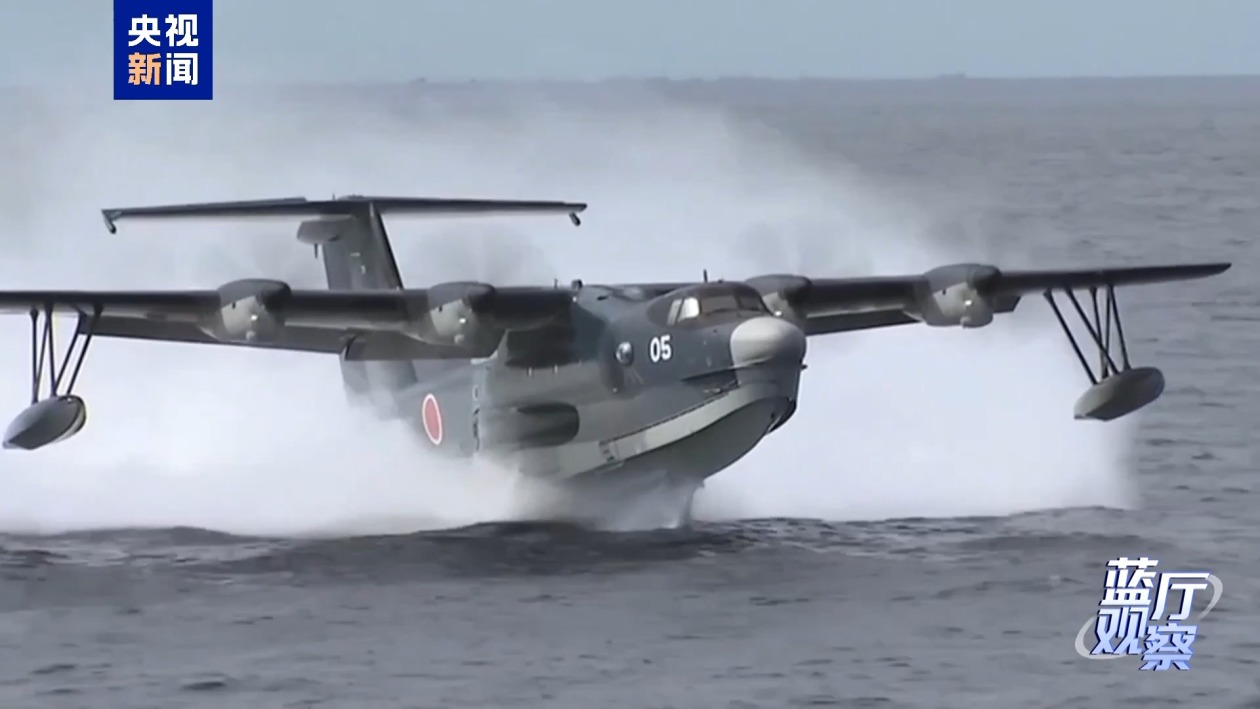
The goals of this system are not limited to Japan's domestic affairs. The Japanese government has made it clear that it intends to formulate an anti-espionage law, expand communication surveillance, and explore the establishment of an external intelligence agency similar to the CIA. Its new version of the "National Intelligence Strategy" will directly support the Self-Defense Forces' so-called "counterattack capability," namely "the ability to attack enemy bases," which means that Japan's intelligence work will shift from passive defense to active reconnaissance, seeking preemptive strikes.
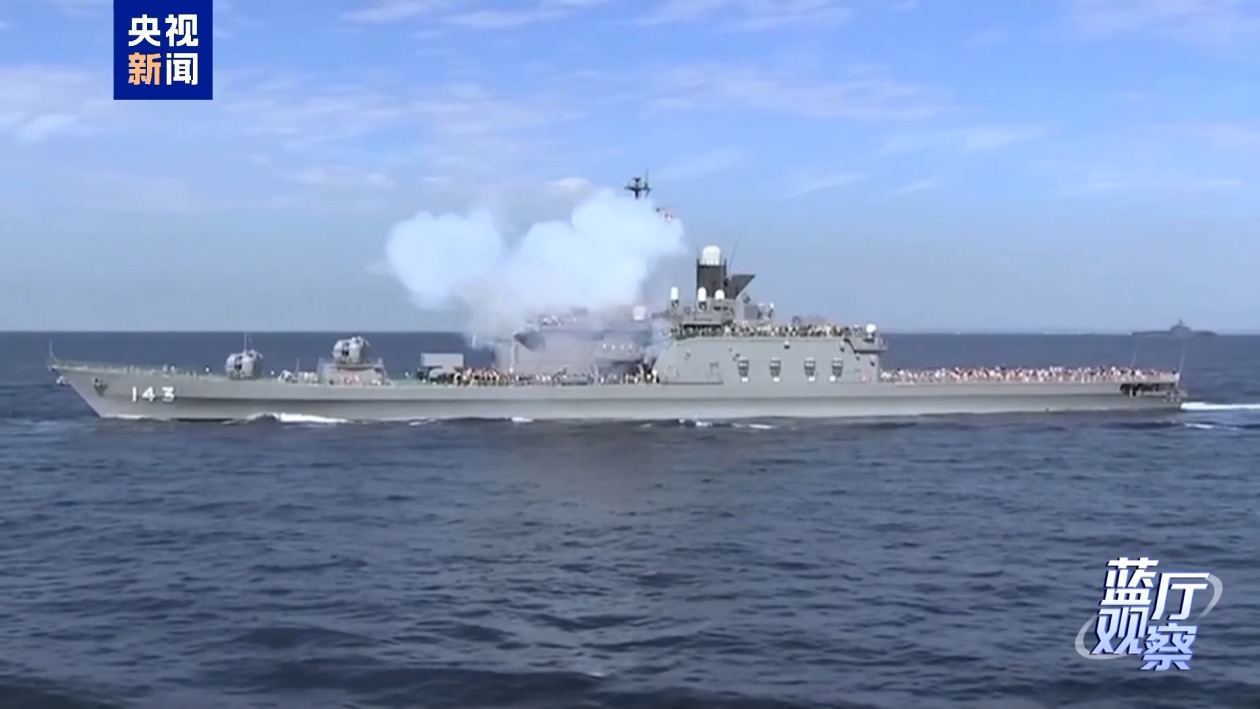
XU Yongzhi, an associate researcher at the Northeast Asia Research Institute of the China Institute of Contemporary International Relations, pointed out that the focus of Japan's establishment of the "National Intelligence Agency" and "National Intelligence Conference" is actually on the strategic trends of neighboring countries, including China. These strategic trends, including corresponding diplomatic, military, and intelligence aspects, primarily serve Japan's current foreign and military strategies. The 2022 version of Japan's "National Security Strategy" clearly identifies China as an unprecedented major strategic challenge.
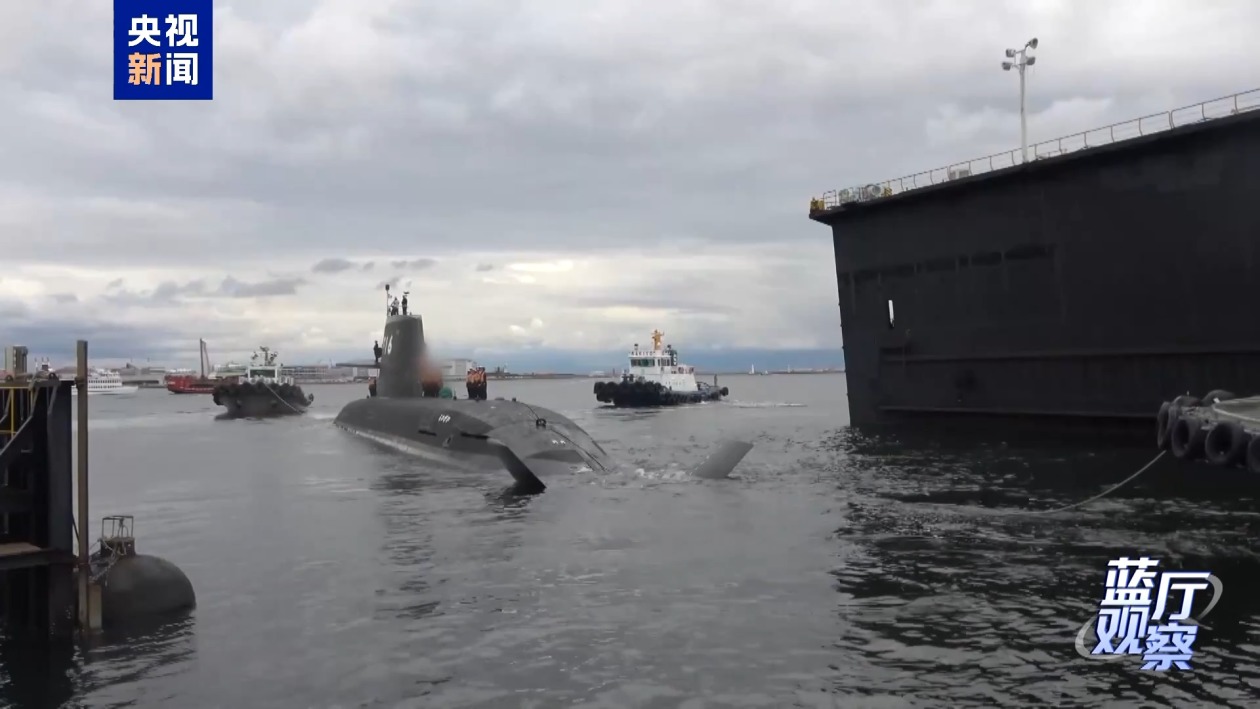
Intelligence first has been a consistent pattern for Japan in launching aggressive wars. Before the Japanese army launched the war of aggression against China, it relied on intelligence networks to complete infiltration and layout, paving the way for military aggression. Now, Japan is rebuilding a centralized intelligence machine, with a clear focus: closely monitoring the surrounding security situation and preparing information for possible military intervention.
Meng Xiaoxu from the Japan Research Institute of the Chinese Academy of Social Sciences analyzed that the construction of Japan's national intelligence system is, in fact, a breakthrough step in the intelligence field beyond the "exclusive defense" policy, and Japan will increase its collection of external intelligence. The collection of external intelligence serves its initiation of aggressive wars and intervention in regional security affairs. From Japan's recent series of actions, it is also a step in an important chain serving Japan's "remilitarization" and "new militarism."
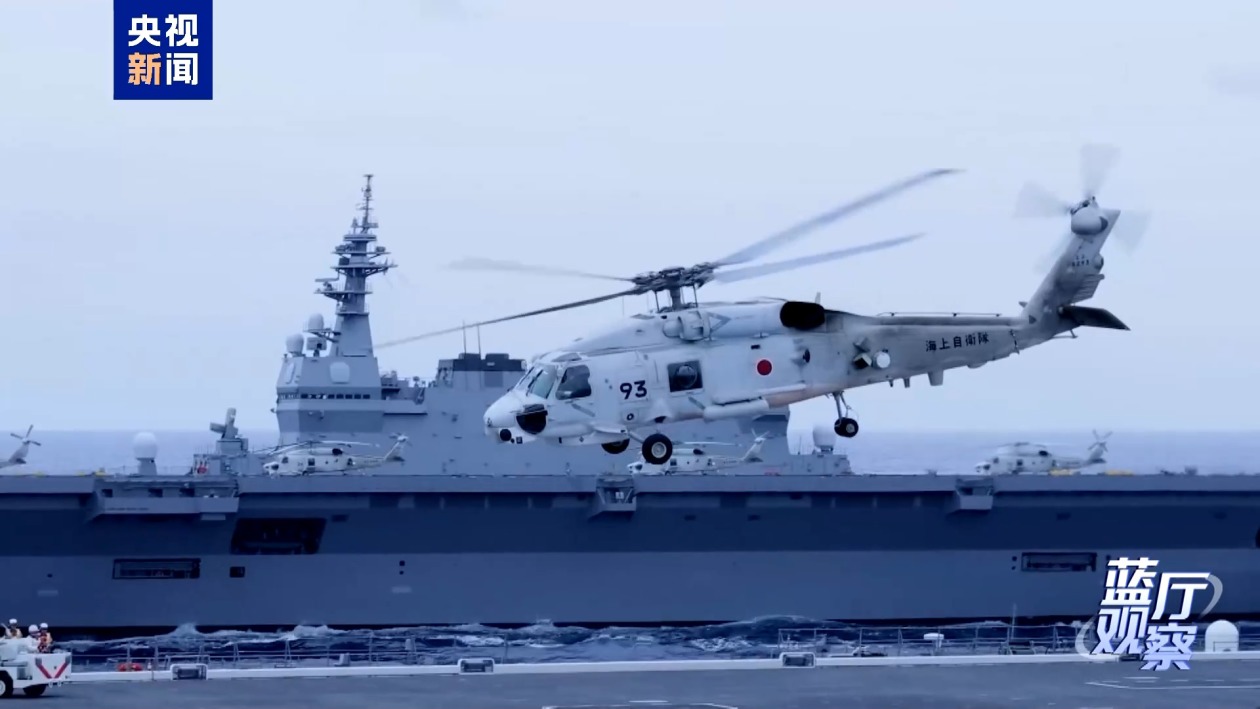
Experts point out that the revival of militarism usually does not appear in the form of a complete replication of the old system; it is more likely to be gradually completed through concept rewriting, institutional expansion of power, historical dilution, and symbolic probing to prepare the social psychology. Historically, Japan's right-wing forces have been adept at touching on historical taboos to symbolically declare their political intentions to break free from the post-war system and return to militaristic traditions.
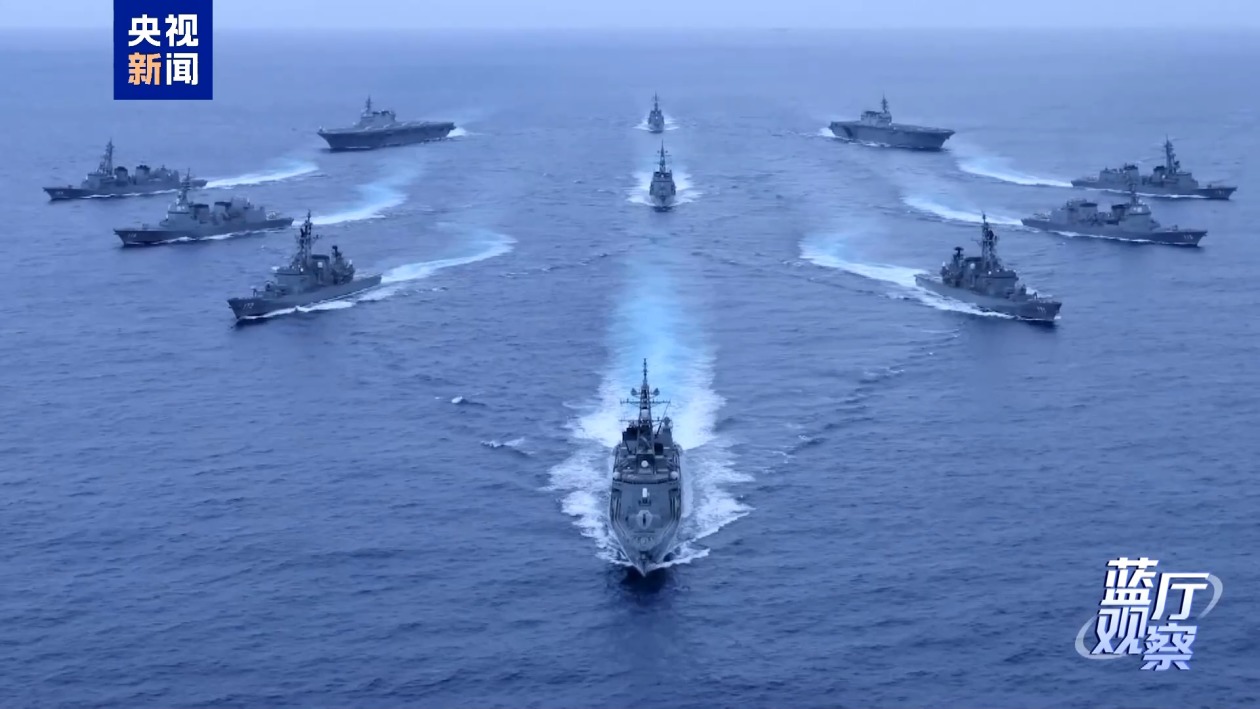
Reporter from CCTV, Shen Yang: Japan has once again raised the banner of intelligence centralization, unbinding another constraint of the post-war pacifist constitution and "exclusive defense." Asian countries and the international community must not remain silent. No matter how Japan changes its name or amends its laws, it cannot hide its plot to revive militarism. Japan's return to the old path of militarism has no future; the world will not accept it, and history will not forgive.
Reporter丨Shen Yang
Japan established the National Intelligence Agency on July 31 to consolidate intelligence efforts and address espionage threats. This move has raised concerns about a resurgence of militarism, as the agency is modeled after historical structures used during Japan's militaristic past. The government plans to enhance its intelligence capabilities, including potential foreign operations.
- Japan officially established the National Intelligence Agency on July 31.
- The agency aims to consolidate intelligence efforts against espionage.
- Concerns have been raised about a resurgence of militarism in Japan.
- The agency is modeled after historical intelligence structures used during militaristic periods.
- Japan plans to enhance its intelligence capabilities, including potential foreign intelligence operations.