
Blue Hall Observation | Japan's New Version of the "Defense White Paper" Promotes False Narratives and Implements "Military Expansion"
The 2026 edition of Japan's "Defense White Paper" was officially released on August 4. As Japan's official document explaining its defense policy, the first "Defense White Paper" was published in 1970 after World War II, and it has been released annually since 1976. This is the first "Defense White Paper" released after the Takagi cabinet took office, and its overall tone is highly consistent with the expansionist military policy that the Takagi government has been promoting. What dangerous signals does this white paper send?
New content in the white paper requires high vigilance from the international community
The 2026 edition of Japan's "Defense White Paper" for the first time includes a separate chapter on "new types of combat methods," significantly expanding the section on "strengthening defense production and technological foundations."

It is worth noting that these concepts are not merely theoretical but have already been translated into concrete actions. The Takagi government’s defense budget for fiscal year 2026 has for the first time exceeded 9 trillion yen, allocating substantial funds for the procurement of various unmanned combat equipment; in April of this year, Japan revised the "Three Principles on Transfer of Defense Equipment and Technology" and its application guidelines, effectively relaxing restrictions on the export of lethal weapons; in June, the Japanese Diet's House of Councillors passed a bill to rename the Air Self-Defense Force to the "Aerospace Self-Defense Force," officially incorporating space into the Self-Defense Forces' operational domain. This series of actions is interconnected and certainly not isolated events.
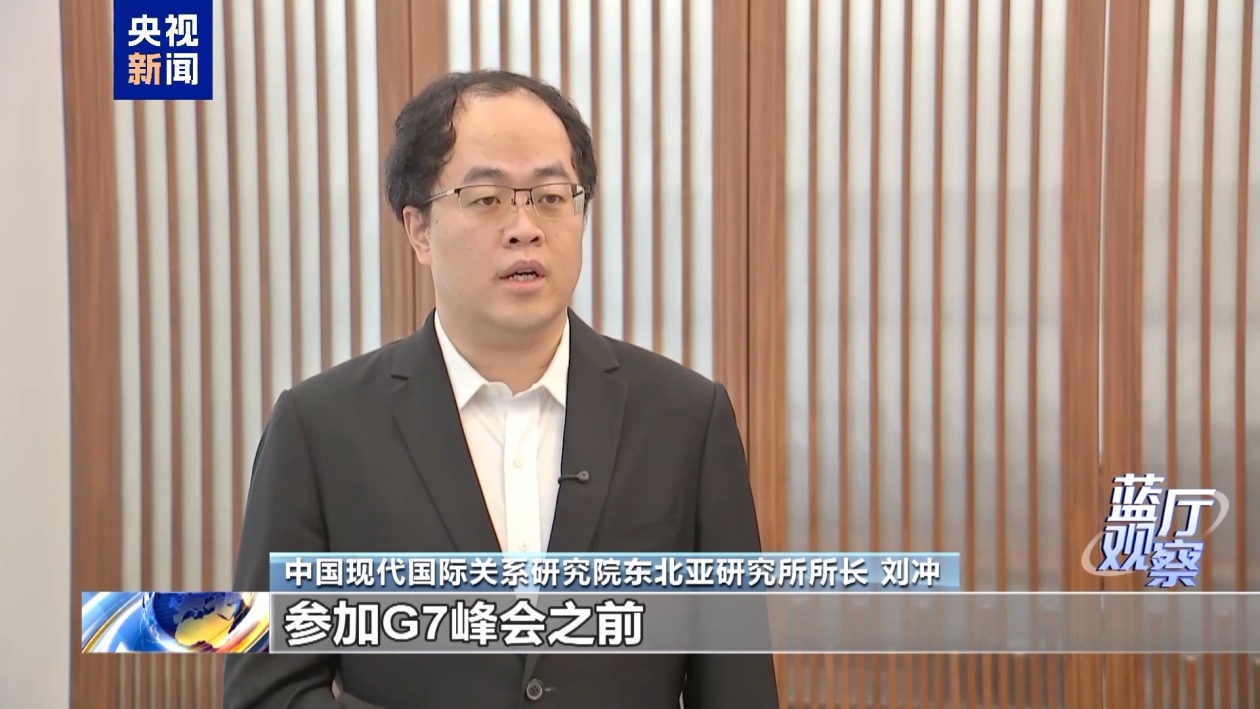
Liu Chong, director of the Northeast Asia Research Institute at the Chinese Academy of Modern International Relations, stated in an interview with "Blue Hall Observation" that Japan is now placing great importance on military-industrial production. Previously, it could not sell offensive weapons abroad, but now it wants to sell them and aims to integrate more closely into the current international arms market. Before attending the G7 summit in June, Takagi Sanae specifically discussed development plans for next-generation fighter jets, aiming to enable Japan's military industry to produce a large quantity of weapons, including sales to the international market. This is something that the international community should be vigilant and concerned about.

Meng Xiaoxu, a researcher at the Japan Research Institute of the Chinese Academy of Social Sciences, told "Blue Hall Observation" that the "new types of combat methods" mainly refer to Japan's desire to develop defense capabilities in AI and drone swarms as a focus. In reality, Japan seeks to leverage AI for its military offensiveness and military expansion. Japan also wants to create a closed "small circle" defense industrial chain in collaboration with allies and partner countries, combining security policy with military-industrial economics, which indicates that Japan's "new militarism" is becoming more systematic and deep-rooted.
Continuing to hype the so-called "China threat" to provoke camp opposition
This new edition of the "Defense White Paper" continues Japan's recent pattern of exaggerating the so-called "surrounding security crisis," hyping the so-called "China threat," and deliberately provoking camp opposition. Observers can clearly see that Japan is the real disruptor of regional peace and stability. The new edition of the "Defense White Paper" essentially serves as an excuse for Japan to continue expanding its military capabilities and to create public opinion.
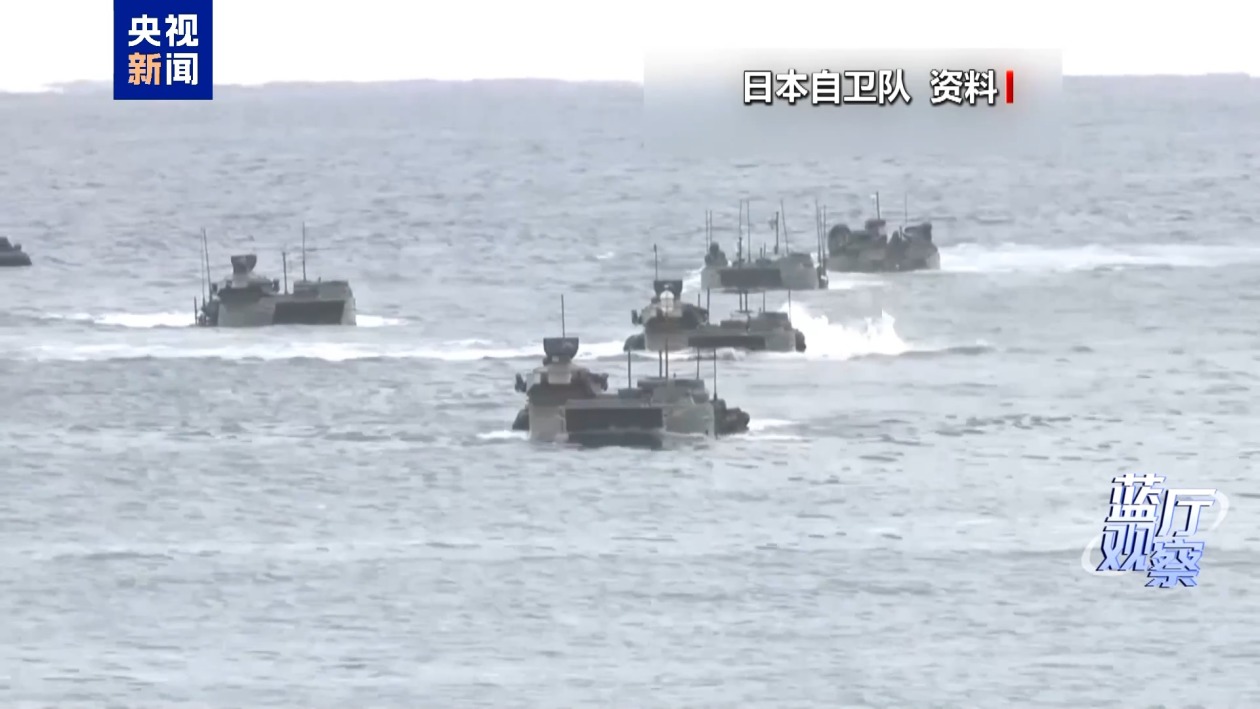
In terms of military deployment, the new white paper reveals that Japan will further seek so-called "capabilities to attack enemy bases," including the development of air-launched and sea-launched versions of the "Type 25 anti-ship missile," and accelerate the development of hypersonic missiles, exposing its offensive intentions.
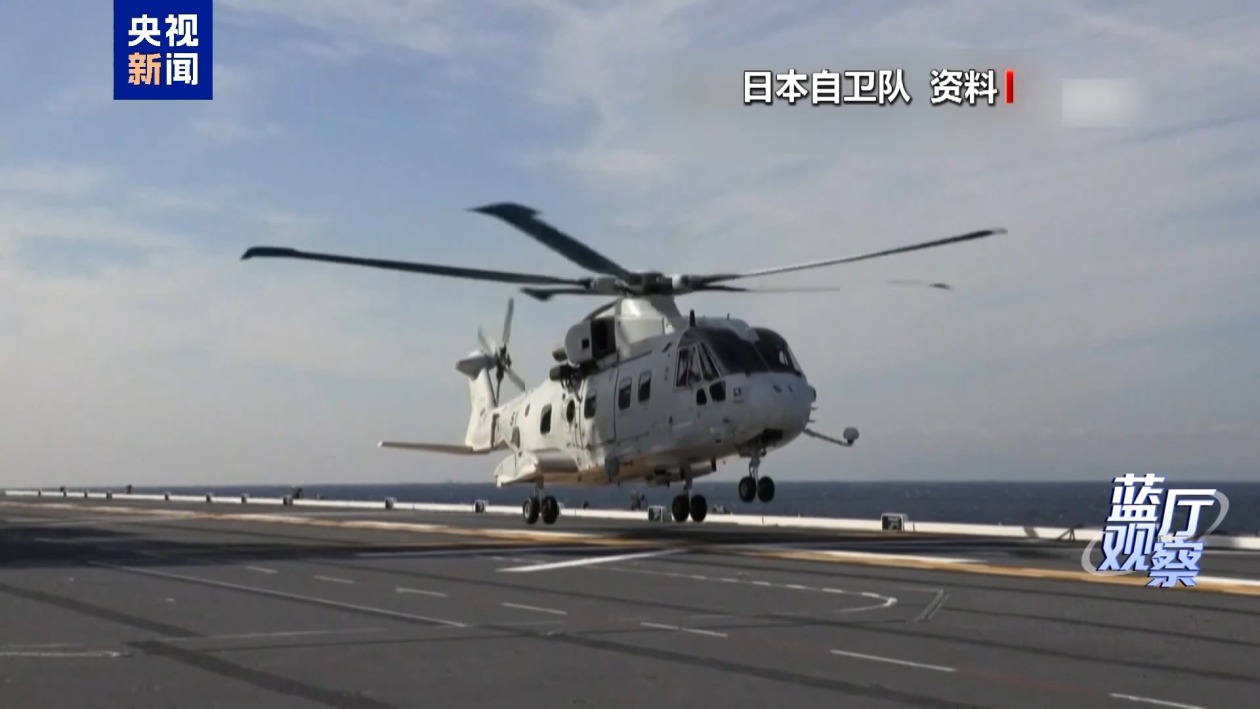
On the policy level, Japan has repeatedly signaled plans to revise the "Three Security Documents" within the year. The "National Security Strategy," "National Defense Strategy," and "Defense Force Development Plan" are considered Japan's overarching security and defense guidelines. The current version was passed at the end of 2022 and has not been in effect for four years, yet the Takagi government is eager to revise it, highlighting Japan's impatient mindset in accelerating its military transition. Many statements in the new edition of the "Defense White Paper" resonate strongly with the revision proposals submitted by the Liberal Democratic Party in June, including exaggerating the so-called "security threats" from neighboring countries and demanding that the Self-Defense Forces possess "sustained combat capabilities."
There are concerns that this new edition of the white paper is paving the way for Japan's next adjustment of its security policy.
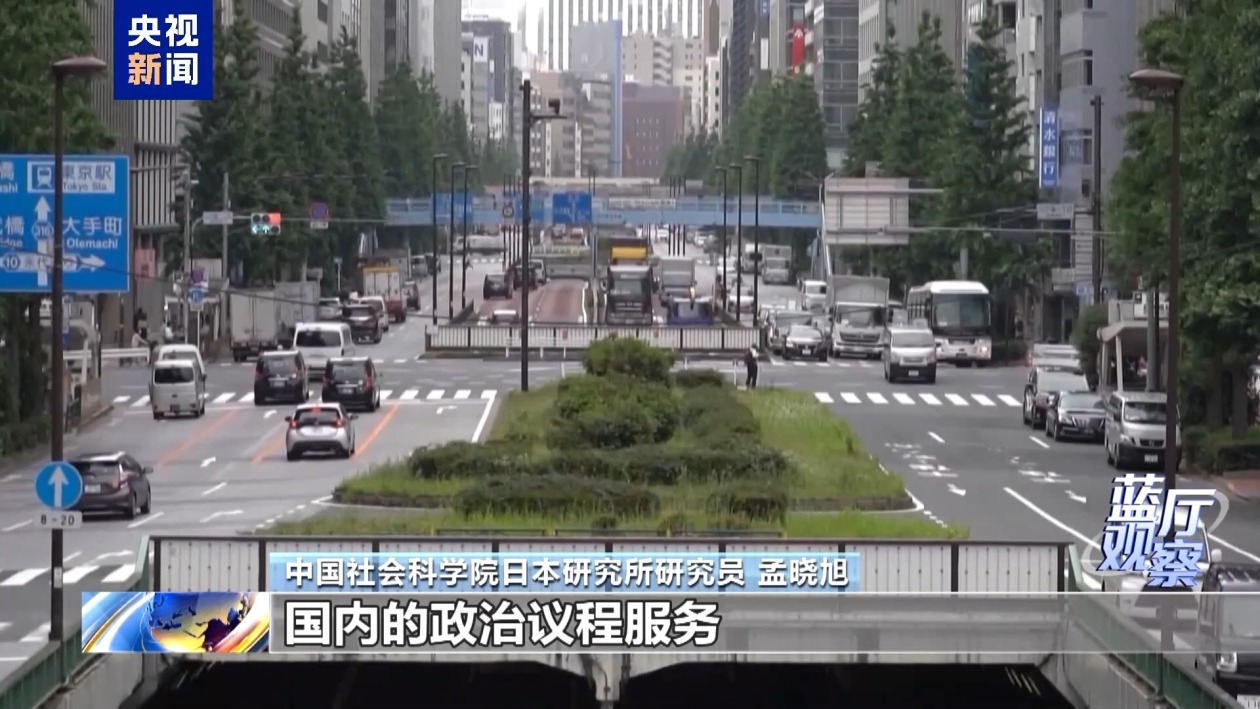
Meng Xiaoxu pointed out that Japan wants to serve its domestic political agenda; it aims to create an atmosphere for increasing defense spending domestically by hyping the narrative of the "China threat." By hyping the "China threat," it seeks to further develop offensive "capabilities to attack enemy bases," gradually eroding the path of "exclusively defensive" as stipulated by the "Peace Constitution," and ultimately breaking free from the constraints of the post-war system, with the ultimate goal of constitutional revision.
The new edition of the "Defense White Paper" exposes Japan's intentions more clearly, essentially betraying the post-war principle of "exclusively defensive." Japan is making a dangerous strategic turn. If Japan insists on following this path, the outcome will not be "safer," but rather it will become a "powder keg" that ignites regional security.
Reporter丨Zhao Jing Wang Chen Zhao Chaoyi
Japan's government is expanding its military capabilities, with the 2026 defense budget surpassing 9 trillion yen to procure unmanned combat equipment. The new defense white paper highlights a focus on 'new combat methods' and offensive capabilities, including the development of hypersonic missiles. This shift indicates a significant change in Japan's defense policy, moving towards a more aggressive military posture.
- Japan's 2026 defense budget exceeds 9 trillion yen, focusing on unmanned combat equipment.
- The new defense white paper emphasizes 'new combat methods' and increased military production.
- Japan plans to develop offensive capabilities, including the Type 25 anti-ship missile and hypersonic missiles.
- The government is revising security documents to reflect a more aggressive military stance.
- Japan aims to integrate more closely with the international arms market.