
Boeing, Anduril team moves ahead in race for new interceptor
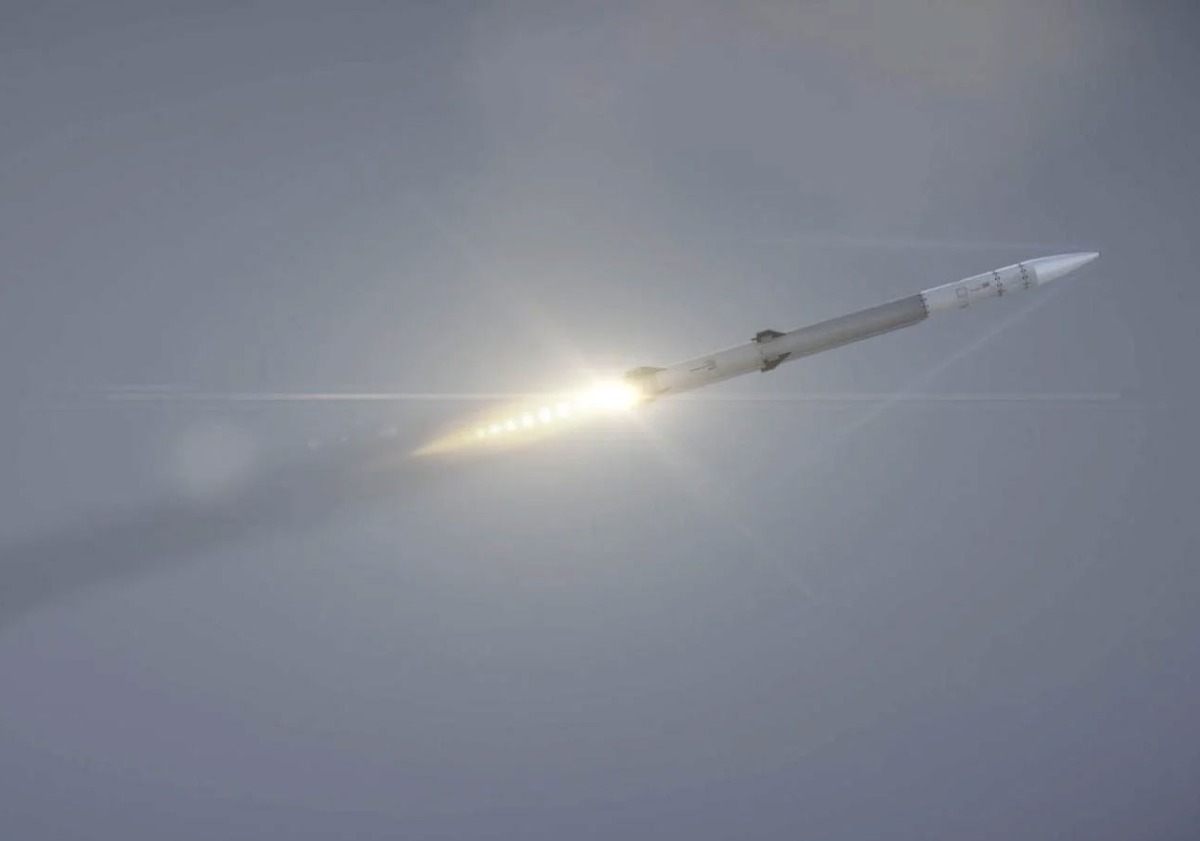
Boeing has moved into the next phase of competition to build the U.S. Army’s second interceptor for its Integrated Fires Protection Capability, or IFPC, air defense system, the company announced September 9. Boeing is developing the missile with Anduril Industries, which will supply the solid rocket motor.
The interceptor is meant to defend fixed and forward operating bases against cruise missiles and militarized drones. It fills a gap in the Army’s layered air defense between shorter-range systems and longer-range defenses like Patriot, giving commanders another option specifically built for low-flying, midrange threats.
The Army’s current IFPC Increment 2 system, called Enduring Shield, already fields one interceptor: the AIM-9X Sidewinder missile, built by RTX and fired from launchers built by Leidos subsidiary Dynetics. The Army began looking for a second, more capable interceptor to complement the AIM-9X more than two years ago, after concluding that emerging cruise missile and drone threats exceeded what the existing system could handle.
Boeing’s design uses a modular open systems architecture, meaning individual components like the seeker, avionics or software can be swapped out and upgraded without redesigning the entire missile. The company says this approach is meant to keep the interceptor affordable and allow more rounds to fit in each magazine, since a smaller, more efficient missile lets base defenders carry more shots against a wave of incoming threats.
“Our scalable production approach is designed to provide a reliable, affordable layer of defense against a range of aerial threats to protect the warfighter with practical, dependable capability when it matters most,” said Bob Ciesla, vice president of Boeing Precision Engagement Systems.
“We welcome the opportunity to continue in this competition,” said Jim Bryan, executive director of Boeing Integrated Air and Missile Defense. “By combining proven seeker expertise with a purpose-built interceptor, we are delivering thoughtful, effective advances in air and missile defense that meet mission needs.”
Boeing and Anduril first partnered on the program in December 2025, after Boeing received an Other Transaction Authority award to begin developing the interceptor. In Phase 1 of the competition, Boeing and Anduril’s team competed against proposals from Lockheed Martin and Rafael Systems Global Sustainment, the U.S. arm of Israel’s Rafael Advanced Defense Systems, whose entry is based on the Tamir missile used in Israel’s Iron Dome system. Boeing’s September 9 announcement confirms its own advancement to Phase 2, which will include detailed design work, system development, integration and a competitive demonstration to test the missile against Army requirements; the company did not say whether Lockheed or Rafael also advanced.
Content preview only. Full article available at source. View Full Article
Boeing has advanced to the next phase of developing a new interceptor missile for the U.S. Army's Integrated Fires Protection Capability air defense system, collaborating with Anduril Industries for the solid rocket motor. This interceptor aims to enhance defense against cruise missiles and drones, filling a critical gap in the Army's layered air defense. The announcement was made on September 9, confirming Boeing's progress in the competition against other defense contractors.
- Boeing is developing a new interceptor missile for the U.S. Army's air defense system.
- The interceptor is designed to defend against cruise missiles and drones.
- Anduril Industries is supplying the solid rocket motor for the interceptor.
- Boeing's design allows for modular upgrades to the missile components.
- The U.S. Army has been seeking a second interceptor for over two years.