
Boko Haram and ISWAP Strangle Nigeria — 15 Farmers Killed in the Checkpoint Economy of Lake Chad
 Marie Dubois
Boko Haram and ISWAP Strangle Nigeria — 15 Farmers Killed in the Checkpoint Economy of Lake Chad
Marte, Borno State, October 10, 2026. Fifteen farmers and wood gatherers were killed near Ala and Musune after leaving displaced persons camps to seek a livelihood. Three other individuals are missing. Local sources attribute the ambush to fighters from Boko Haram and the Islamic State West Africa Province (ISWAP), but some details — including the alleged decapitation of victims — have not been independently confirmed.
On the ground, the most significant fact is not just the death toll. It is the reason these civilians were there. In northeastern Nigeria, leaving a camp is no longer an ordinary civilian displacement. It is crossing a border held by an armed organization.
Marte and the Road That No Longer Exists
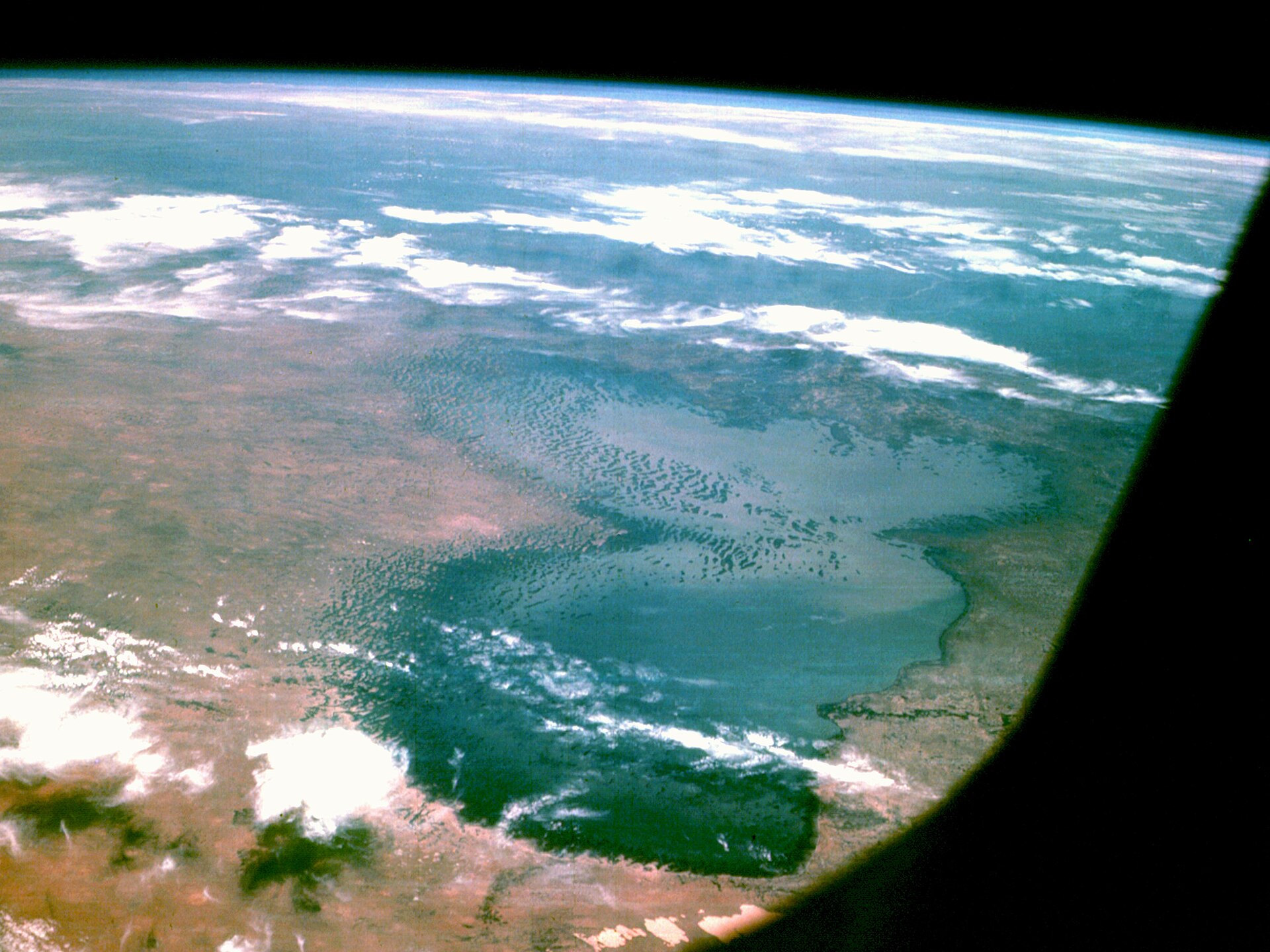
Marte occupies a strategic position on waterways and former agricultural corridors that connect the shores of Lake Chad to the interior of Borno. For a military column, the area is difficult to hold permanently: channels, islands, seasonal tracks, and distances between bases reduce the value of control announced from a staff map. For an insurgent group, it is enough to know the crossing points, patrol times, and families who have no choice but to go out.
According to TruthNigeria, local actors describe a system of taxes, passes, and surveillance around Marte, Kukawa, and Konduga, extending into the Far North of Cameroon. An estimate cited by security specialist Zagazola Makama mentions over 2,000 farmers and fishermen operating under the duress of Boko Haram or ISWAP in the lake region. These figures remain estimates, but the mechanics described are consistent with recent massacres reported around Baga and Dumba.
War Becomes a Passage Economy
The fighters do not necessarily control every village. They control the conditions of access. Farmers would pay about 10,000 naira per hectare, then hand over two bags out of ten at harvest time. Traders would buy a pass to cross the bush. However, the document or receipt does not protect its holder: in Kukawa, farmers have reportedly been executed after paying the rival faction.
This is where the rivalry between the two movements becomes operationally significant. Boko Haram — or JAS, Jama’atu Ahlis Sunna Lidda’awati wal-Jihad — tends to treat civilians living under Nigerian authority as apostates. ISWAP, more bureaucratic in its methods, designates as collaborators those who inform the army, trade with the administration, or fund the wrong group. The same field can thus become a source of income for one faction and evidence of betrayal for the other.
In this area, the civilian is not between two front lines. They are placed within a control system that can change ownership overnight.
Why Military Operations Are Not Enough
The Nigerian response and the Multinational Joint Task Force can retake a base, escort a convoy, or strike a leader. They cannot, with current personnel, monitor every path between a displaced persons camp, a rice field, and a shore of the lake. As long as the camps provide neither safe land nor income, residents must buy their survival from the actor who controls the fields.
Al Jazeera had already noted in May the parallel resilience of ISWAP and Boko Haram, the competition for the islands of the lake, and the weaknesses in coordination among Nigeria, Niger, Chad, and Cameroon. The death of Abu-Bilal al-Minuki, the second leader of ISIL, in a U.S.-Nigerian operation was a tactical success. It did not eliminate the local networks that extort, recruit, and inform. A strike decapitates a chain of command; it does not automatically reopen an agricultural road.
The geography exacerbates the problem. Niger's withdrawal from many regional mechanisms since the 2023 coup has left coordination gaps along the northeastern axes. A fighter crossing a border does not necessarily encounter an operational border: they encounter different mandates, incompatible radio systems, and units that do not always share their intelligence in time.
The Next Indicator Will Be the Return of Markets
Success must be measured differently than by enemy casualty reports. The decisive signal will be the regular return of farmers, fishermen, and transporters without insurgent passes. If the markets of Marte, Kukawa, and the corridors to Monguno remain closed, Boko Haram and ISWAP will retain practical authority, even without officially holding administrative buildings.
The available information is still incomplete: the tolls come from local sources, the execution zones are difficult to access, and both factions have an interest in manipulating narratives. But the immediate risk is clear. After the camps, the fields, and the roads, the next target will be the economic link that allows the displaced to no longer depend on armed men. In the operational theater of Lake Chad, reopening a road is sometimes worth more than retaking a position.
Sources
- TruthNigeria, “Nigeria’s Lake Chad Massacres,” October 10, 2026.
- Al Jazeera, “How ISWAP and Boko Haram are reshaping the Lake Chad Basin,” May 18, 2026.
- Zagazola Makama, reports cited by TruthNigeria on farmers from Dumba and ISWAP passes.
- Global Armed Conflicts Map, “Sahel Map 2026,” updated October 10, 2026.
Boko Haram and ISWAP killed 15 farmers and wood gatherers near Ala and Musune in Borno State on October 10, 2026. The attack occurred as the victims left displacement camps to seek livelihoods. Local sources indicate a system of control and taxation imposed by the insurgents, complicating civilian access to resources and safety.
- 15 farmers and wood gatherers were killed near Ala and Musune.
- The attack was attributed to Boko Haram and ISWAP fighters.
- Three other individuals are reported missing.
- The region is under the control of insurgent groups, affecting civilian movement and safety.
- Local sources describe a system of taxes and passes enforced by the insurgents.