
Boko Haram and ISWAP Strike Nigeria — Pulka Reveals the New Test for Borno's Defense
 S.W
S.WBoko Haram and ISWAP Strike Nigeria — Pulka Reveals New Test for Borno Defense
In Pulka, in the Gwoza local government area, the Nigerian army repelled an attack attributed to the Islamic State in West Africa, or ISWAP, on September 7. The statement from the HADIN KAI operation does not provide enemy casualties or an estimate of the forces involved. However, it confirms that a soldier was injured in the left arm, that weapons and ammunition were recovered, and that the attackers had to abandon their assault under the combined fire of ground troops and air support.
This is not a decisive victory. It is a revealing tactical contact.
Pulka Holds, but Pressure Shifts
Pulka is located near Gwoza and the Mandara Mountains, on the axis connecting northeastern Borno to the Cameroonian border. The terrain there favors short infiltrations, retreats to hard-to-monitor areas, and the use of civilian relays. In this theater of operations, holding a position does not mean controlling the approaches. A column can be repelled in the evening and retain the initiative the next day on a secondary road.
According to the spokesperson for HADIN KAI, the air force provided intelligence, surveillance, and reconnaissance, then struck hostile elements during their withdrawal. The Civilian Joint Task Force provided local intelligence. This combination is the right architecture for the defense of an isolated post, but it remains dependent on the quality of alerts and the availability of aircraft.
From Military Base to Mass Targets
An intelligence note dated September 9, revealed by SaharaReporters, warns of a possible mobilization of fighters and resources for coordinated attacks in the Northeast, Northwest, Central-North, and certain areas of the Southwest. The mentioned targets are churches, schools, and National Youth Service Corps orientation camps. The document states that alleged ISWAP members have already conducted surveillance activities with the help of local collaborators.
This information should be treated as an alert, not as proof that a national network is operational. The authors, routes, and timing are not independently confirmed. However, the choice of schools before the 2026-2027 school year is consistent with a logic of political disruption: to produce visible fear, disperse forces, and turn every public site into a position to defend.
The Real Geography of the Threat
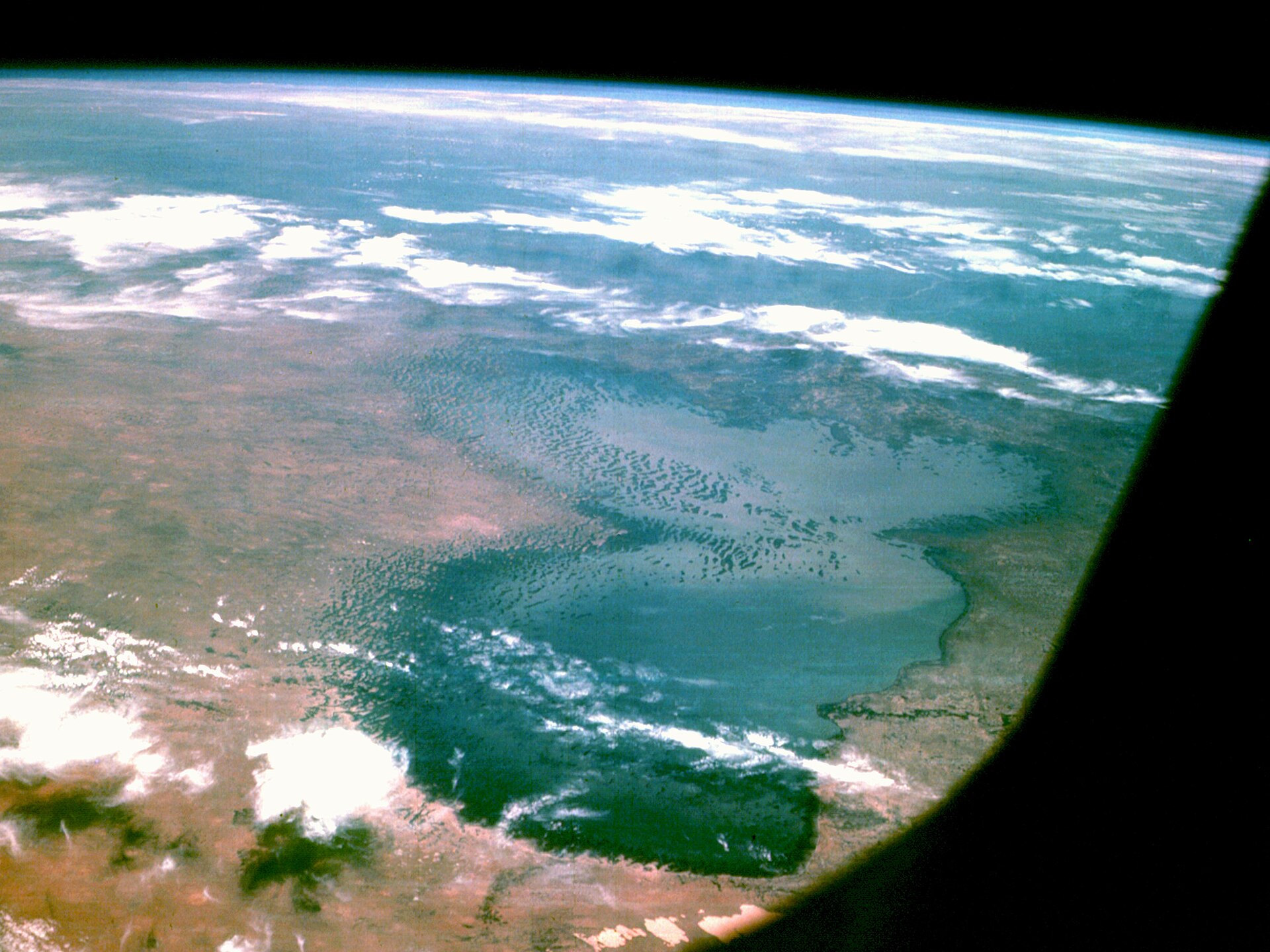
The Nigerian problem is not only the survival of Boko Haram or the firepower of ISWAP. It is the overlap of three insecurities. The Lake Chad basin remains the jihadist sanctuary; the Northwest is plagued by armed banditry; the Central-North experiences communal and agro-pastoral violence. National figures mix these dynamics and give a false impression of a single front.
Historically, ISWAP seeks to strike security forces, tax populations, and exploit lake corridors. Boko Haram retains other networks and practices. Sustainable cooperation between the two factions is not demonstrated here. However, their simultaneous actions force Abuja to distribute its resources among bases, roads, towns, and civilian sites. This is already an operational advantage for the insurgency.
What Pulka Signals for Abuja
The response on September 7 shows a force capable of coordinating intelligence, aviation, and close defense. It also shows the limit of the model: a base can be saved by a rapid reaction without the surrounding corridor being secured. From experience, units do not only lose ground when they retreat. They lose the freedom to patrol, resupply, and engage with the local population.
The next test will therefore be less spectacular than an attack on a major city. It will be necessary to monitor the roads between Gwoza, Pulka, and the crossings to Cameroon, as well as movements around schools at the start of the school year. If Abuja focuses its response on the walls of the bases, ISWAP will shift the threat to areas that the garrison does not see. Pulka has held; the question is who controls the ten kilometers of track after nightfall.
Sources
- Vanguard Nigeria, September 15, 2026 — statement from the HADIN KAI operation on the September 7 attack.
- SaharaReporters, September 15, 2026 — intelligence note on potential targets and presumed mobilization.
- Armed Conflict Location & Event Data briefing, consulted on September 16, 2026 — context of the Boko Haram-ISWAP conflict and the Lake Chad basin.
The Nigerian Army repelled an attack by ISWAP near Pulka on September 7, 2026, resulting in one soldier being injured. The operation involved ground troops and air support, leading to the recovery of weapons and ammunition from the attackers. A subsequent intelligence note warns of possible coordinated attacks targeting schools and churches in the region.
- Nigerian army repelled an ISWAP attack on September 7, 2026.
- One soldier was injured during the engagement.
- Weapons and ammunition were recovered from the attackers.
- The attack occurred near Pulka, close to Gwoza in Borno state.
- There is a warning of potential coordinated attacks in the region.