
Boko Haram strikes Guzamala — 10 Nigerian soldiers killed in a coordinated offensive in Borno
 Marie Dubois
Boko Haram strikes Guzamala — 10 Nigerian soldiers killed in a coordinated offensive in Borno
Guzamala, Borno State — on the night of Tuesday, fighters suspected of belonging to Boko Haram overwhelmed a Nigerian army base before retreating via the routes of Lake Chad. At least 10 soldiers were killed and more than 20 injured, according to military sources and residents cited by Reuters on October 15. Military vehicles were destroyed and part of the neighboring village of Mairari was set on fire. The army spokesperson, Captain Mohammed Goni, did not respond to requests for comment. The toll should therefore be considered provisional.
The attack is not a simple raid against an isolated position. It reveals a method — strike the garrison, disrupt the surroundings, then exploit the lake area — that years of counter-insurgency operations have failed to neutralize.
An operation prepared from the waters of Lake Chad
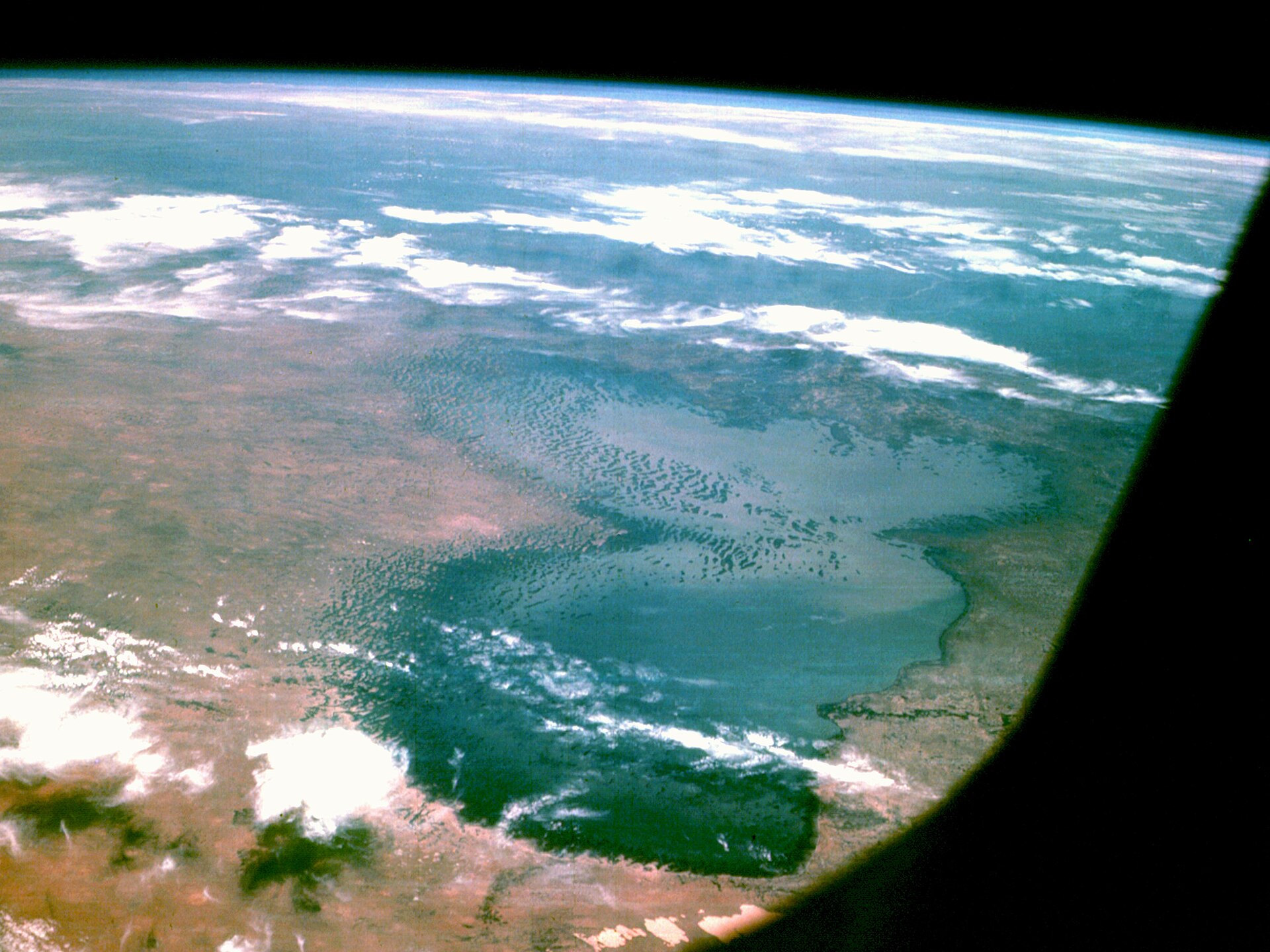
Before the assault on the base, the fighters had seized more than 40 fishing boats at Tumbun Barebari, a riverside village. A fisherman described a simultaneous attack, with no casualties among the professionals themselves. This detail is operationally significant. The insurgents were not only looking to kill military personnel: they were securing the means of mobility necessary to approach, resupply, and retreat in terrain where roads are scarce, seasonal, and easily monitored.
Guzamala and the neighboring villages are located in the unique geography of the Lake Chad basin. Ground tracks are interrupted, channels change, and military posts can find themselves separated from their reinforcements by a few kilometers of water or swamp. A base that holds its perimeter but does not control the boats, landings, and fishing villages does not truly control its sector. On the ground, it is the difference between occupying a position and holding an area.
The return of pressure on the garrisons
Reuters reports that at least five civilians and one forest guard were also killed in the attack. Military figures are not published, but the incident comes after a recent escalation of violence attributed to Boko Haram and the Islamic State in West Africa, or ISWAP. The previous week, the Nigerian army claimed to have repelled an attack on another position in Borno and killed more than 25 ISWAP fighters, without disclosing its own losses.
These two events do not prove coordination between the factions. However, they indicate a shared reality: the pressure is shifting from mere ambushes against convoys to base attacks capable of producing casualties, destroyed equipment, and an immediate psychological effect. When a garrison is overwhelmed, every neighboring unit must focus on its own defense. Sweeping operations cease, river patrols dwindle, and civilians begin to negotiate their survival directly with armed groups.
An insurgent economy that complements military action
An investigation by TruthNigeria describes, in the areas of Marte, Kukawa, and Konduga, a system of taxes, passes, and surveillance imposed on farmers, traders, and fishermen. This local information is not all independently verified, but it aligns with what is shown in Guzamala: violence and clandestine administration advance together. The boats are not just means of transport. They are a controlled resource, a source of intelligence, and a tool for taxing movement.
The military consequence is direct. Displaced populations must leave the camps to farm, fish, or gather firewood. They then cross areas where the insurgent imposes its rules, while cooperation with the state can be interpreted as denunciation. A group that sells a passage, takes a share of the harvest, and punishes informants does not need to hold every village with a large unit. It only needs to make any movement dangerous without its permission.
The problem in Borno is not just to retake a base. It is to make the roads, channels, and markets that give meaning to that base passable again.
What the Nigerian army must look at now
The most visible response will likely be a retaliatory operation around Guzamala. It is necessary, but it will not be sufficient if it remains focused on the number of fighters killed. A garrison can be reinforced and still lose if it does not have an updated picture of the channels, surveillance of the boats, and a capacity for nighttime response. The basin requires a combination of river patrols, protected human intelligence, and forces capable of quickly reaching isolated positions.
Nigeria is not fighting in a vacuum. The Multinational Joint Task Force exists, but the borders of the lake — with Niger, Chad, and Cameroon — turn every patrol withdrawal into an opportunity for an armed group. A successful operation in Guzamala may push the fighters back to another shore without reducing their capacity for taxation. That is why statements announcing a tactical victory must be measured against the simplest question: can fishermen resume their boats and farmers their fields without buying a clandestine pass?
At this stage, the exact identity of the assailants and the chain of command of the operation remain uncertain. It would be unwise to automatically attribute the attack to a Boko Haram-ISWAP alliance. On the other hand, the outcome is confirmed by consistent accounts: a base was breached, vehicles destroyed, and lake routes exploited. If Abuja does not quickly restore control of these routes, the next attack may not target a garrison. It may target the logistical network that still allows the state to hold the northeast.
Sources
- Reuters, “Islamist fighters kill 10 soldiers in attack on northeast Nigeria army base,” October 15, 2026.
- TruthNigeria, “Nigeria's Lake Chad Massacres,” October 2026.
- Operational context: Nigerian operations against Boko Haram and ISWAP in Borno State.
Boko Haram attacked a Nigerian army base in Guzamala, Borno, on the night of October 15, 2026, resulting in the deaths of 10 soldiers and injuries to over 20 others. The insurgents overwhelmed the base, destroyed military vehicles, and utilized seized fishing boats for mobility. The attack reflects a shift in tactics, moving from ambushes to direct assaults on military positions, increasing pressure on nearby garrisons.
- Boko Haram attacked a Nigerian army base in Guzamala, Borno.
- 10 Nigerian soldiers were killed and over 20 were injured.
- Military vehicles were destroyed during the attack.
- The attack involved the seizure of fishing boats for mobility.
- At least five civilians and one forest guard were also killed.